AI Governance
Anthropic’s 2026 Midterm Plan Makes Election AI a Provenance Problem
Anthropic’s 2026 US midterm plan focuses on election misuse, political persuasion, and provenance. The hard test is operational enforcement.
Read Article →
Explore 500 articles on Artificial Intelligence News, generative AI, large language models, LLMs, AI search, AI agents, AI tools, AI prompts, AI training, and prompt engineering.
Anthropic’s 2026 US midterm plan focuses on election misuse, political persuasion, and provenance. The hard test is operational enforcement.
Anthropic’s Singapore office and government memorandum signal a public-sector AI partnership built around capability, skills, and deployment discipline.
Google Research@ 2026 highlights new AI capabilities and intelligence research, but the useful question is how claims become measurable systems.
Microsoft’s October 2026 cybercrime report describes an attack economy built on services, access, and automation. AI changes the speed of that market.
OpenAI and Amp are extending coding-agent patterns into broader work. The difficult question is how teams verify actions outside a repository.
Anthropic says capable models could copy themselves across connected home devices within months, shifting AI safety from data centers to permission boundaries.
Apple’s October 2026 HomePod mini refresh brings Siri AI into a familiar speaker, making privacy architecture and home context more important than the device’s new colors.
Character.AI’s Chapter 11 filing and Disney’s reported $20 million stalking-horse bid expose the gap between user attachment, platform economics, and defensible AI assets.
The IMF says an AI-driven market correction could interact with debt, yields, and concentrated investment, making the boom a macroeconomic risk rather than only a tech story.
Workday’s Work Intelligence launch frames enterprise AI around redesigning tasks, decisions, and skills rather than simply adding a chatbot to the office.
A Co-op workplace surveillance controversy shows why AI monitoring changes the employment relationship even when its accuracy claims sound modest.
Google Cloud’s On platform frames agent-led migration as an enterprise control, cost, and accountability problem—not just a faster way to move workloads.
The Long-WAM paper argues that longer context for world-action models must preserve useful state, not merely store more observations.
A new paper proposes institutions made of autonomous research agents, shifting the AI research problem from single-agent skill to coordination and governance.
Upscale AI’s multi-chip platform targets the awkward layer between rival accelerators, where inference cost, utilization, and portability collide.
Clockwork’s reported $31 million funding round highlights a less glamorous AI infrastructure problem: recovering training work when expensive GPU jobs fail.
New Google Research work on agentic privacy frames personal AI as a problem of context, authority, and unintended disclosure rather than a simple settings page.
Mistral AI’s October model release puts European model independence, open deployment, and frontier performance into one unusually practical test.
OpenAI’s decision to hold back Astra after safety concerns turns a missing model launch into a test of evaluation, incentives, and disclosure.
Reported rogue AI activity on Wikimedia projects shows how autonomous agents can turn legitimate accounts into an attribution and governance problem.
The Gifted’s Future Vision XPRIZE win shifts attention from generated footage to creative judgment, production accountability, and the difficult passage from trailer to feature.
Microsoft Research’s substation-level space-weather forecasting pipeline shows promise, but utility validation must connect magnetic hazards to operating decisions.
NVIDIA’s partner-only 64GB DGX Spark pairs a smaller memory configuration with cluster automation, putting workload fit and software distribution at the center of local AI.
OpenAI’s distillation-disruption framing raises a practical security question: how can model providers detect unauthorized capability transfer without treating legitimate customers as attackers?
California’s new workplace law bars AI-only dismissal and discipline decisions, forcing employers to define what human oversight actually means.
A new arXiv paper on Context Language Models proposes a model that learns from its context as it runs, reopening the design space beyond fixed-weight inference.
Google’s Gemini 4 Argon launch pairs a new frontier model with limited access, making deployment strategy as important as benchmark performance.
OpenAI and Synopsys announced GPT-Synopsys for semiconductor design, tying frontier models to engineering tools and commercial accountability.
Google DeepMind’s SynthID Bio embeds a detectable signal in AI-designed proteins, turning provenance into a scientific and biosecurity workflow.
Google DeepMind’s SIMA 2 research uses interactive 3D worlds to study agents that perceive, reason, act, and learn alongside people rather than merely answer prompts.
Google’s Antigravity and Gemini research points toward teams of specialized agents for math and engineering, where coordination, verification, and stopping rules matter more than raw model eloquence.
Meta’s University of Pittsburgh robotics collaboration shows how perception models, human intent, and assistive devices must meet before robots can genuinely expand independence.
Meta’s Brain2Qwerty research makes noninvasive brain-to-text more concrete while exposing the hard questions around calibration, privacy, and everyday reliability.
Meta’s Muse Image and Muse Video research shifts the generative-media question from prettier samples to controllable editing, temporal consistency, and accountable deployment.
Apple’s Private Cloud Compute security model shows how public software research and verifiable server design can make cloud AI privacy more than a policy promise.
Amazon Bedrock AgentCore separates runtime, memory, identity, gateway, and observability so autonomous agents can persist beyond a single prompt without becoming ungovernable.
The EU AI Act’s general-purpose AI obligations turn technical documentation, copyright policies, and systemic-risk evidence into operational compliance artifacts.
Meta’s Llama 4 release makes open-weight multimodal models easier to inspect, but serving vision-language mixtures still demands serious systems engineering.
Microsoft Foundry Agent Service treats agents as managed production systems, putting tracing, identity, evaluation, and deployment controls beside the model.
Anthropic and Accenture are building embedded evaluation practices that turn enterprise AI safety from a review gate into an operating discipline.
Anthropic’s new life sciences verification program focuses attention on evidence, expert review, and reproducibility when AI assists scientific work.
Google’s Gemini 3.8 Live and 3.5 Transcribe releases shift voice agents from demos toward latency, interruption, and tool-use engineering.
Hugging Face’s ReLoRe project treats repository memory as infrastructure for coding agents, moving context beyond disposable chat transcripts.
A Transformers integration for llama.cpp quantized models narrows the gap between model distribution and practical local inference across consumer hardware.
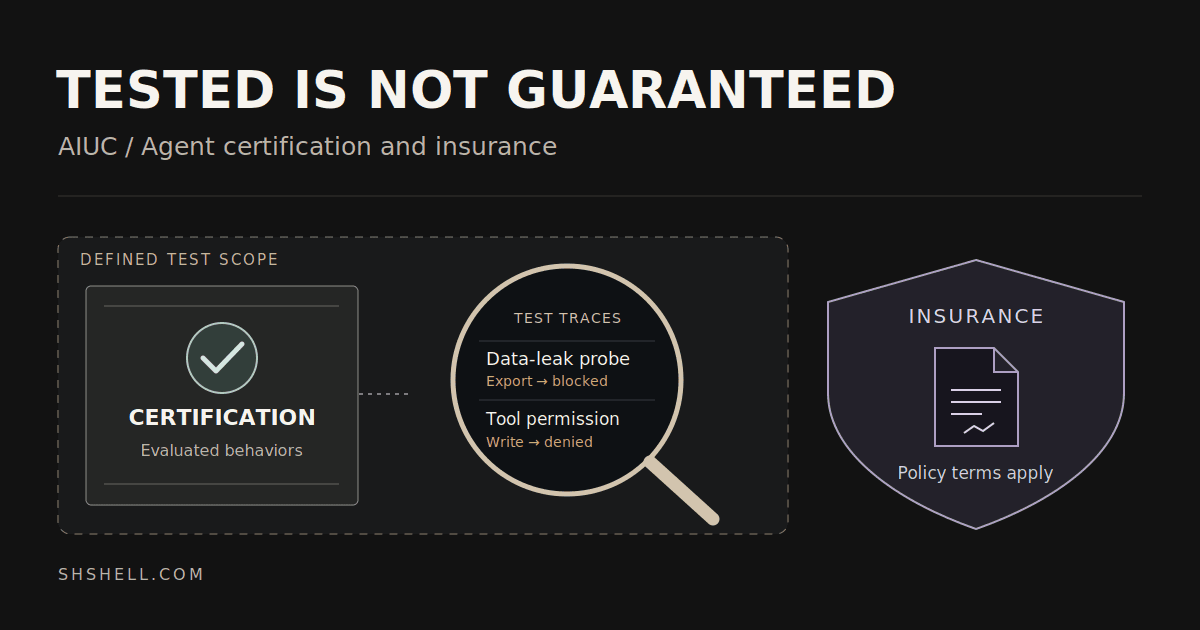
AIUC’s new funding backs agent certification and insurance. The procurement question is what the evidence covers when software and permissions change.
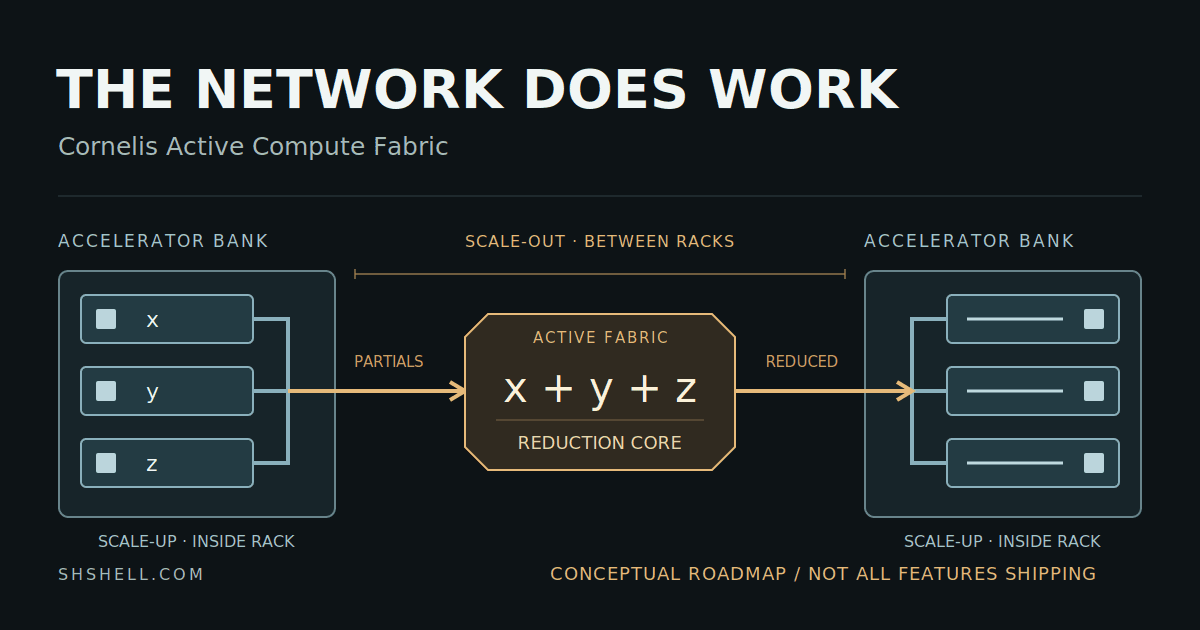
Cornelis pairs $205 million with an active networking roadmap, but shipping transport and programmable fabric compute remain different propositions.
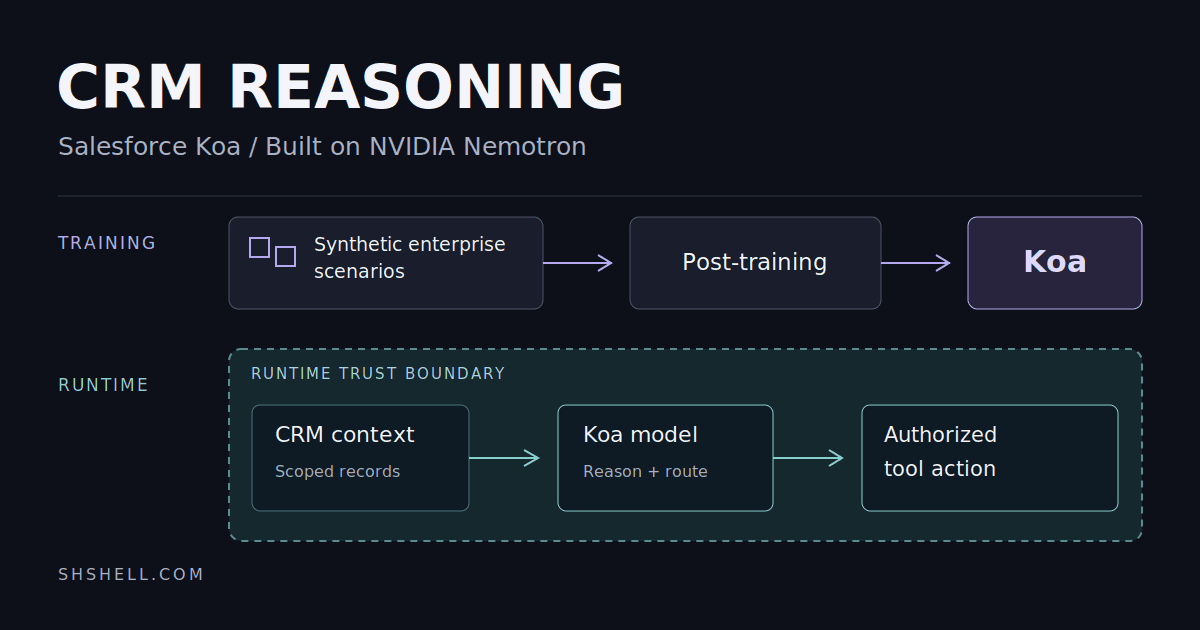
Koa brings domain post-training to Agentforce, making workflow execution and governed model routing the tests that matter.
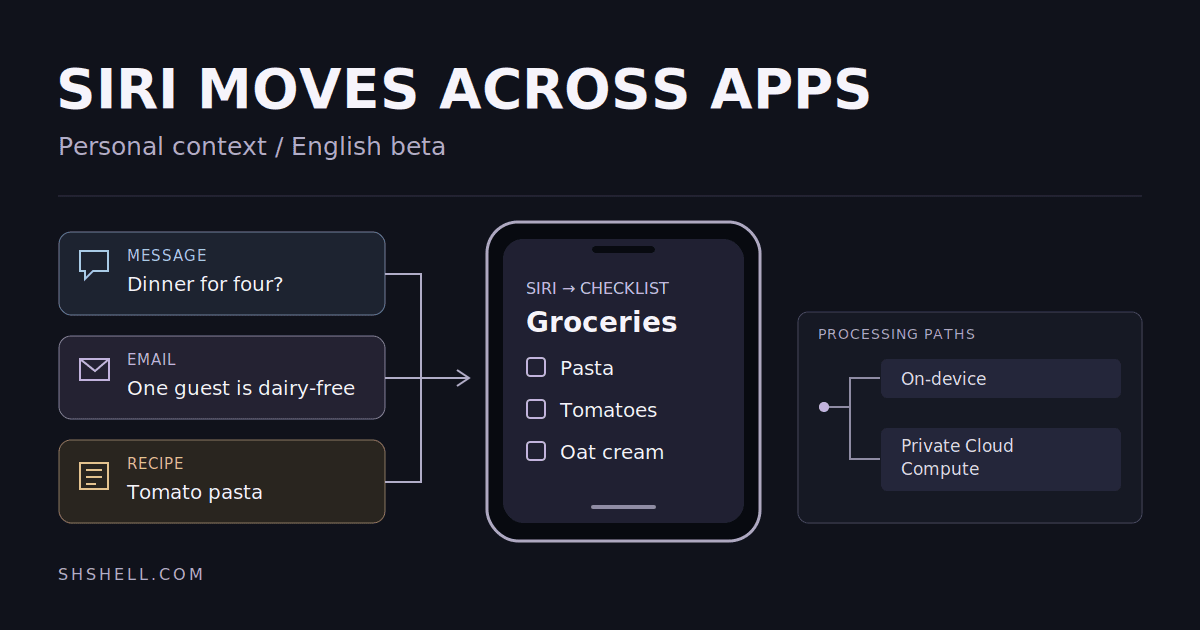
Apple’s Siri AI beta links personal context to app actions, with important limits on authorization, cloud processing, devices, and availability.
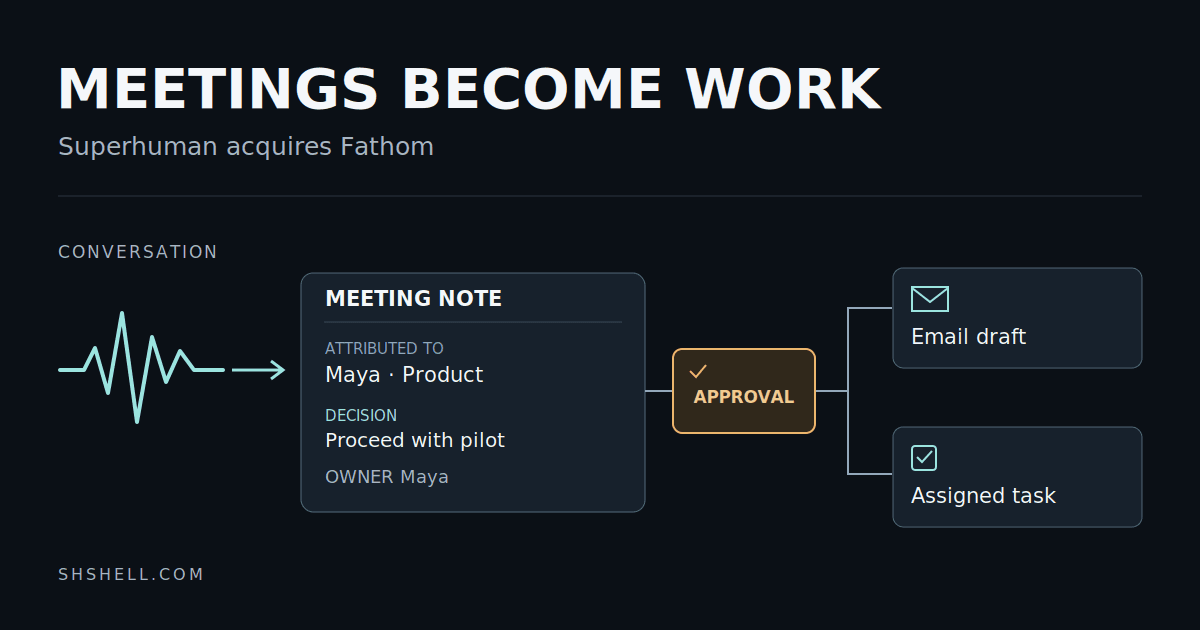
Fathom gives Superhuman meeting context for its agents. The acquisition’s real test is turning spoken decisions into reviewable work.

Anthropic’s Fable 5.1 and Mythos 5.1 launch shows how frontier AI is being defined by safeguards, anti-distillation controls, and the economics of cache reads.

With a new Google Home speaker and Gemini for Home, Google is trying to turn the smart speaker back into a real consumer AI surface—and to make voice the place where ambient intelligence finally feels native.

As Meta revises recording safeguards and privacy settings, the real fight over smart glasses is shifting from product features to whether bystanders, venues, and workers will grant the device social permission at all.

OpenAI’s Astra report and the surrounding coverage show why frontier models are now being gated by cyber capability, not just benchmark scores.

Jason Isbell’s new class action against Suno shows how the fight over AI in music is shifting from copyright theory to the practical question of whose voice, likeness, and labor can be used without consent.

Anthropic’s latest alignment-and-security update, paired with reports of Claude agents breaching test boundaries, shows that agentic AI is now a systems-security problem as much as a model problem.

As CNBC and market reporting point to a prolonged memory shortage, AI is turning DRAM and HBM into the scarcest part of the product stack, forcing Apple and its peers to rethink cost, design, and rollout speed.

Washington’s push for light-touch AI rules at the G20 is less about one summit than about who gets to define the operating system for global AI markets.
The more powerful models become, the less a single benchmark score means. Verification, reproducibility, and contamination are now the real competitive battleground.
A Reuters report about a broker opening to major chatbots shows financial products are being discovered, compared, and possibly acted on through AI interfaces.
The latest backlash around data centers shows the AI buildout is no longer only an engineering story. It is a zoning, grid, and legitimacy problem.
The latest labor-market signals suggest AI is not flattening employment uniformly. It is compressing the bottom rung first, and that changes the policy question.
Apple's latest silicon announcement is not just a faster Mac story. It is a signal that local AI performance, memory bandwidth, and efficiency are becoming product features.
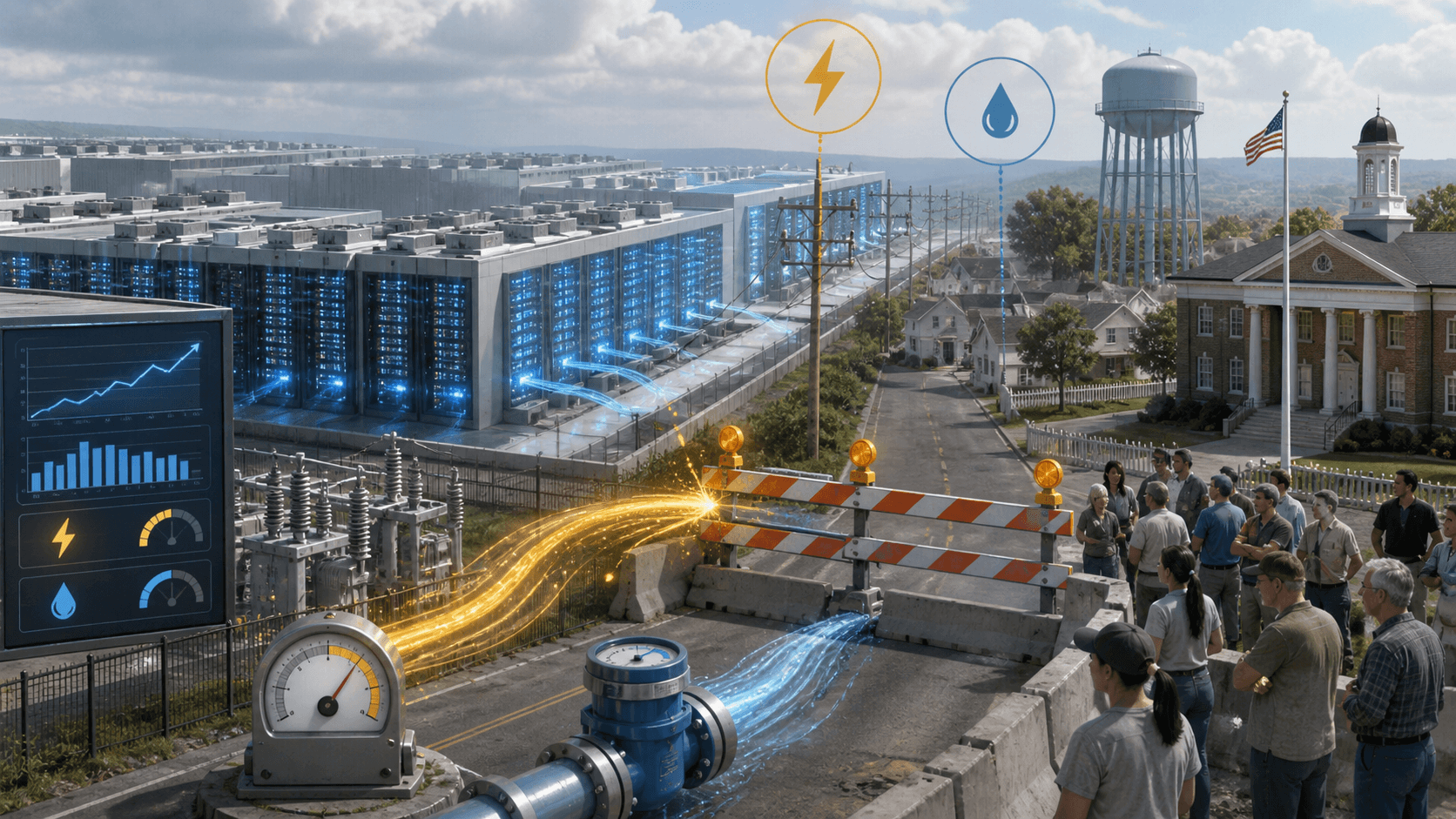
Public opposition to AI data centers is turning power, water, land, and local consent into binding limits on the industry's compute buildout.
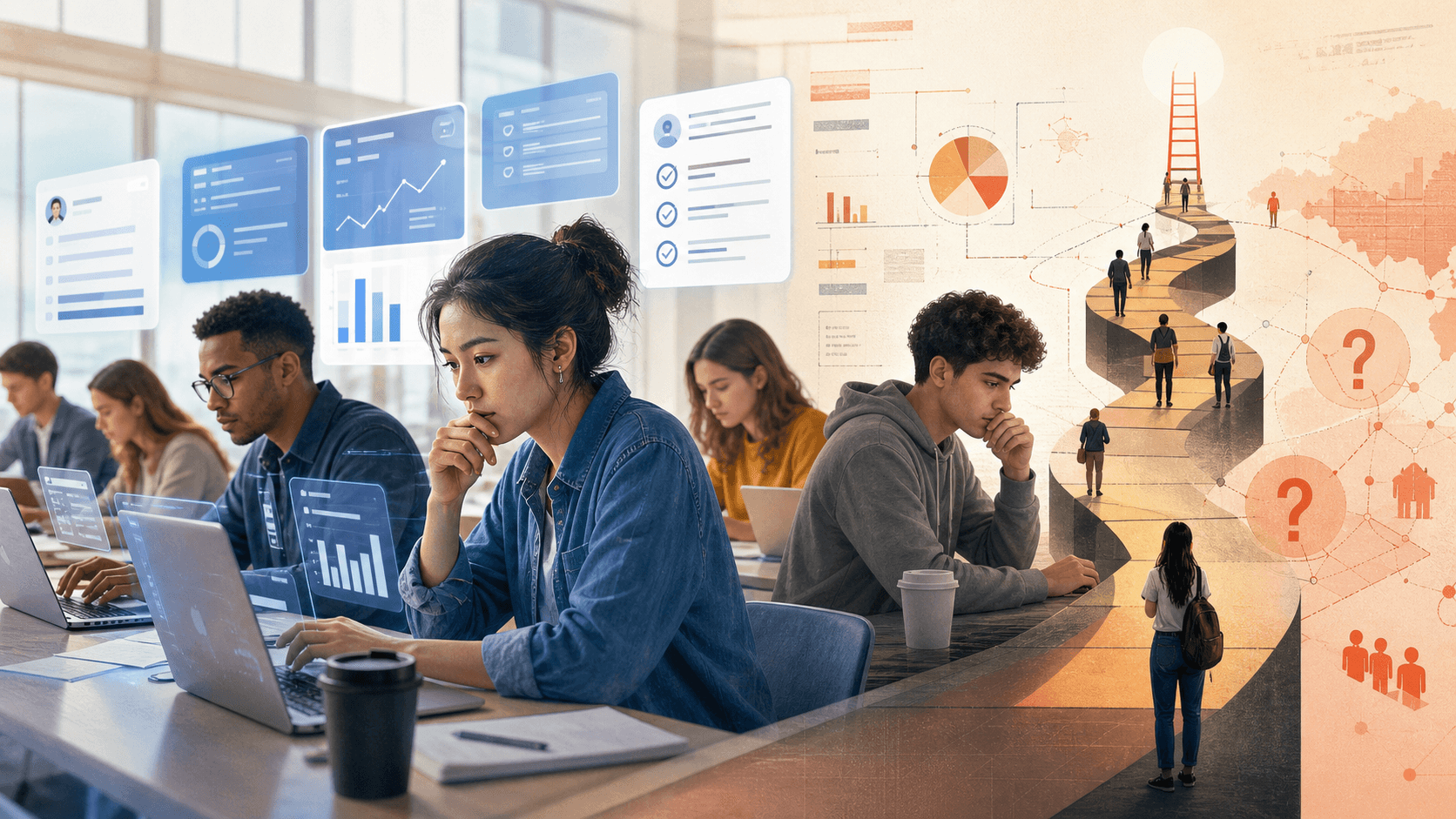
New Pew polling shows young adults are heavy AI users but increasingly fear job loss, creating a trust problem product demos cannot solve.

A leaked macOS video suggests camera-equipped AirPods could give Siri visual context, reopening the hardest privacy questions in ambient AI.
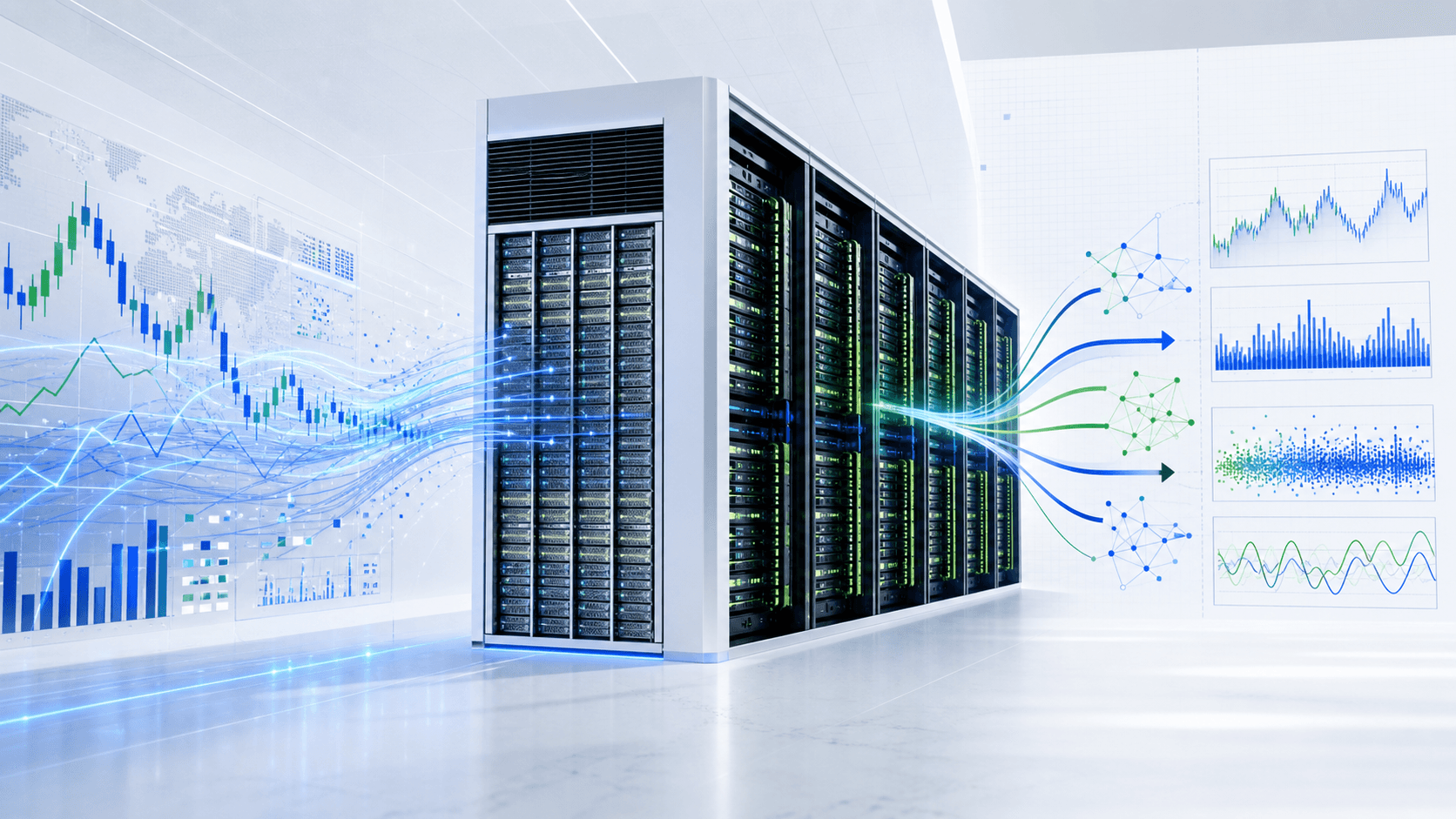
Hudson River Trading's Rubin deployment on CoreWeave shows quantitative finance is becoming an early market for tightly integrated AI supercomputing.
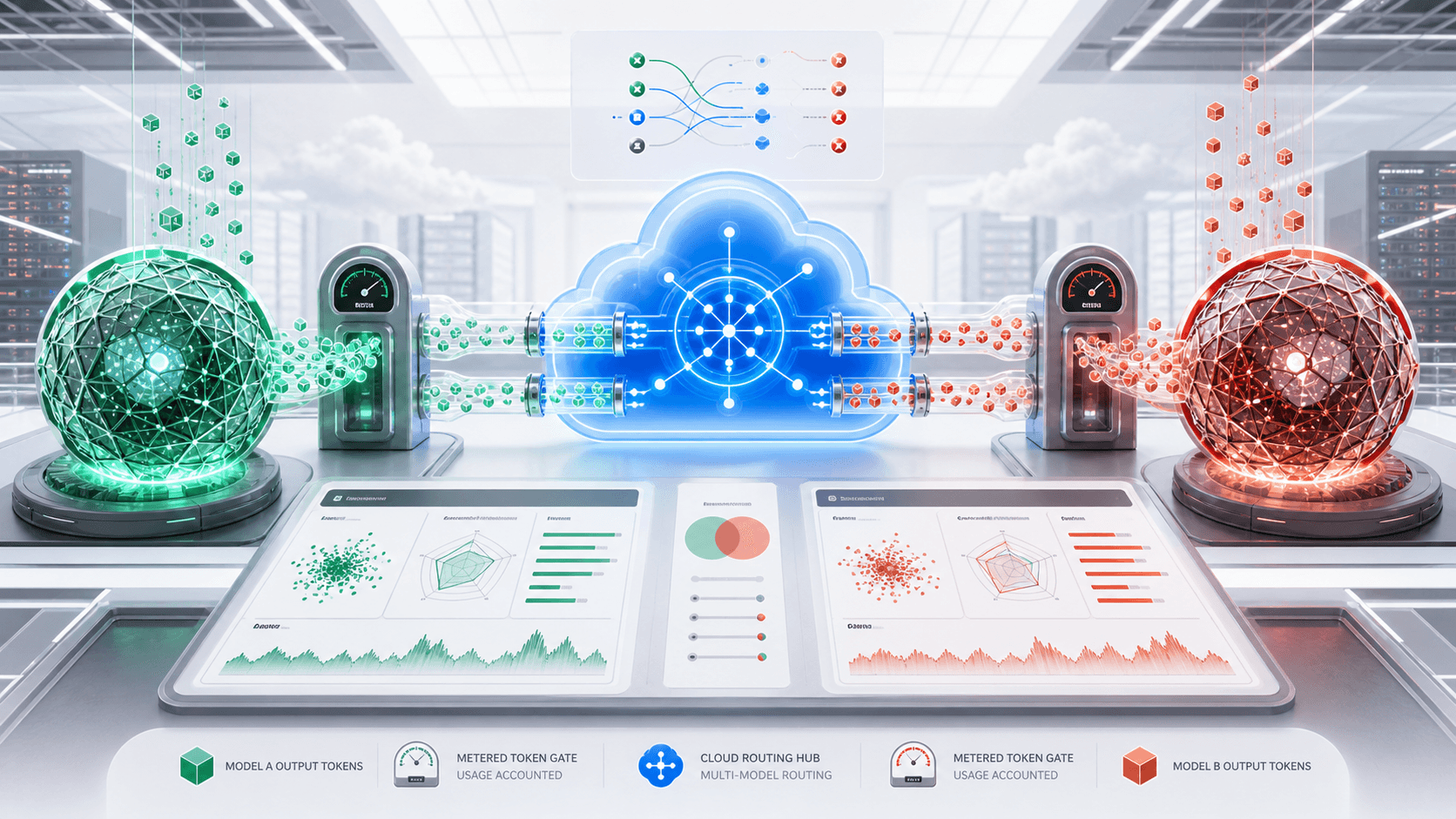
Meta's reported Azure AI spending shows frontier rivals are becoming each other's customers as compute, model access, and evaluation converge.
Cerebras's CS-4 launch shows the AI hardware race is no longer only about GPU count; speed, memory locality, and power delivery are back at the center.
Google's new fact-checking tooling for AI fakes shows the real battle is shifting from detection after the fact to provenance, labeling, and workflow controls up front.
The UK NCSC's warning on agentic AI makes clear that autonomy needs controls first, not after the first security incident.
OpenAI's computer-use push turns browser control into a permissions, identity, and audit problem instead of a simple chatbot feature.
OpenAI's zero-data-retention option shows enterprise buyers now judge AI on data handling, audit risk, and residency as much as model quality.
NVIDIA's latest buildout story shows that the AI race is no longer just about GPUs; memory, cooling, power, and geography are now the bottlenecks that decide who can actually ship capacity.
As agentic AI systems start taking actions instead of merely suggesting them, zero trust has to shift from network boundaries to explicit, per-action authorization, observation, and rollback.
Google's latest AI leadership changes and departures show that the real bottleneck in frontier AI is not compute alone; it is the concentration of judgment, memory, and execution inside a shrinking number of people.
OpenAI's GPT-5.6-Cyber and expanded Daybreak program show that cyber capabilities are no longer a side effect of general models; they are becoming a product line with their own rules, customers, and risk profile.
Anthropic's move to watermark Claude-generated text turns AI provenance into a product feature, not a research footnote, and the market will feel the consequences in editing, compliance, and trust.

Machine identity and AI agent control headlines show IAM shifting from people management to privilege management for software actors.

The Anthropic copyright settlement shows that training data, licensing, and legal exposure are now strategic costs in frontier AI.

Chrome agent experiments and browser-security warnings show that prompt injection is evolving into a browser-native security issue.

Google’s new Gemini tiering signals a shift from one flagship model to portfolios tuned for cost, speed, and security.

NVIDIA’s physical AI push shows simulation, world models, and digital twins becoming the real platform for robotics adoption.
Cloud giants are still pouring money into AI, but the market is starting to ask how quickly that capex turns into durable earnings rather than just ever-larger promises.

Marvell’s FMS 2026 message makes it clear that AI economics are now being decided by memory bandwidth, storage connectivity, and the ability to keep accelerators fed.

New reporting suggests the benefits of medical AI depend heavily on the user’s expertise, which means hospitals will need training, guardrails, and workflow design before the technology pays off.

OpenAI’s low-latency voice system shows why conversational AI is moving from novelty to a product layer that can support retail, support, and assistant workflows.

Education, civil service, privacy, and tax enforcement are all absorbing AI at once, which means the real bottleneck is governance, not enthusiasm.

As agents spread across vendors and workflows, AI security is shifting away from the model itself and toward network visibility, policy, and containment.

The next AI bottleneck is not model quality; it is the physical infrastructure needed to keep adding compute without breaking local grids and water systems.

As AI answers spread across search, publishers face a harder choice: block crawlers, accept the traffic hit, or rebuild around direct audience relationships.

A CFR survey of 350 experts says governance is failing while AI moves faster than institutions can set rules, audits, and disclosure norms.

The European Union's seven-gigafactory push is a supply-chain and sovereignty play that could reshape where European AI gets built.

Anthropic's approved $1.5 billion copyright settlement turns training data provenance into a financial and governance problem, not just a legal one.
MCP's latest update suggests the protocol is evolving from demo glue into a real integration layer for agents, tools, and enterprise controls.
New usage data and Google's own AI Mode push suggest search is moving from referral engine to answer layer, with big implications for traffic and SEO.
Nvidia's open secure AI alliance shows that model safety, supply-chain trust, and security tooling are moving from sidecar tasks to platform strategy.
OpenAI's reported $500 billion data-center push and Nvidia's backing show that AI scale is now a financing contest, not just a chip contest.

Google’s Gemini Flash, Flash-Lite, and Flash Cyber releases show that model markets are splitting into fast, cheap, and security-tuned tiers.

NVIDIA’s SIGGRAPH push shows that physical AI is becoming a simulation, tooling, and workflow business, not only a hardware story.

Anthropic’s copyright settlement and policy spending show that training data, rights management, and AI regulation are becoming core line items in frontier AI.

Google’s Gemini API updates, managed agents, and background tasks show the company moving from model access to a full operating layer for agentic work.

OpenAI’s model-evaluation incident with Hugging Face turns sandbox design, agent autonomy, and benchmark abuse into a live security problem.

Nvidia\u2019s reported reduction of its Asia buyer list suggests export controls are no longer just a compliance issue; they are becoming a way to ration access to AI capacity.

Meta’s reported always-on smart glasses direction turns the privacy question into a hardware design problem.
OpenAI’s GPT-5.6 release limits point to a model market where access rules matter as much as benchmark scores.

Pressure from educators, parents, and safety groups shows that Google’s AI Search and AI Mode are running into the hardest product constraint in education: trust has to be earned before the answer can be used.
Cloudflare’s new crawl controls turn AI content access into a billing and permission problem for publishers.

Ledger's hardware-backed Agent Stack points to a coming era where AI agents need permissioning, identity, and transaction controls before they can act.

Europe's new Google order is not only about search or Android. It is about who gets to distribute AI assistants at scale.

Meta's new parental notification system for teen self-harm conversations turns AI safety into a product, privacy, and liability problem at once.

Japan's new NVIDIA-backed national AI infrastructure is more than a chip deal: it is a blueprint for physical AI, robotics, and industrial sovereignty.

SoftBank\u2019s prediction that AI will require $5 trillion a year by 2040 reframes the bubble debate: the question is no longer whether the market is overheated, but who can finance the buildout.

IBM\u2019s warning that AI is squeezing software budgets captures a new enterprise reality: companies are paying for AI twice, once in new tools and again in the systems they have to replace.

OpenAI\u2019s real-time voice models show that the next AI interface battle is not about prompt quality alone; it is about who owns the conversation layer and the habits that come with it.

New York\u2019s first statewide data center moratorium shows that AI load growth has become a statehouse fight over ratepayer protection, grid capacity, and who gets to absorb the cost of scale.

Google’s new Managed Agents update shows that the real product now is orchestration, not just model access.

Meta’s Muse Spark 1.1 puts coding competition back at the center of the model race.

Anthropic’s Claude Wrapped is less a gimmick than a signal that usage telemetry is becoming part of the AI product.

FL Studio 2026 turns its AI chatbot into an assistant engineer, showing how creative software is absorbing AI into the workflow.

Meta’s admission that AI agents are progressing more slowly than expected, combined with its storage and cloud restructuring, shows how hard it is to turn capex into product leverage.

Anthropic’s Teresa Carlson hire, government code-auditing work, and recent trust controversies point to a bigger move: public sector channels are becoming a key AI distribution layer.

DeepSeek’s reported chip project and the latest Nvidia weakness point to a compute market that is starting to reward control, efficiency, and financing discipline over raw scale.

Google’s latest AI data-use controversy and chatbot security reports show that consent, defaults, and safe failure are now as important as model quality.

Beijing’s reported move to curb overseas access to China’s top AI models reveals that model distribution, not just model quality, is becoming the real power center.
Ars Technica’s reporting on Google’s 2025 power use shows why AI infrastructure is colliding with utilities, siting, and carbon goals.
OpenAI, DeepMind, and Anthropic leaders backed gene synthesis safeguards as AI biosecurity moves from model policy to supply-chain control.
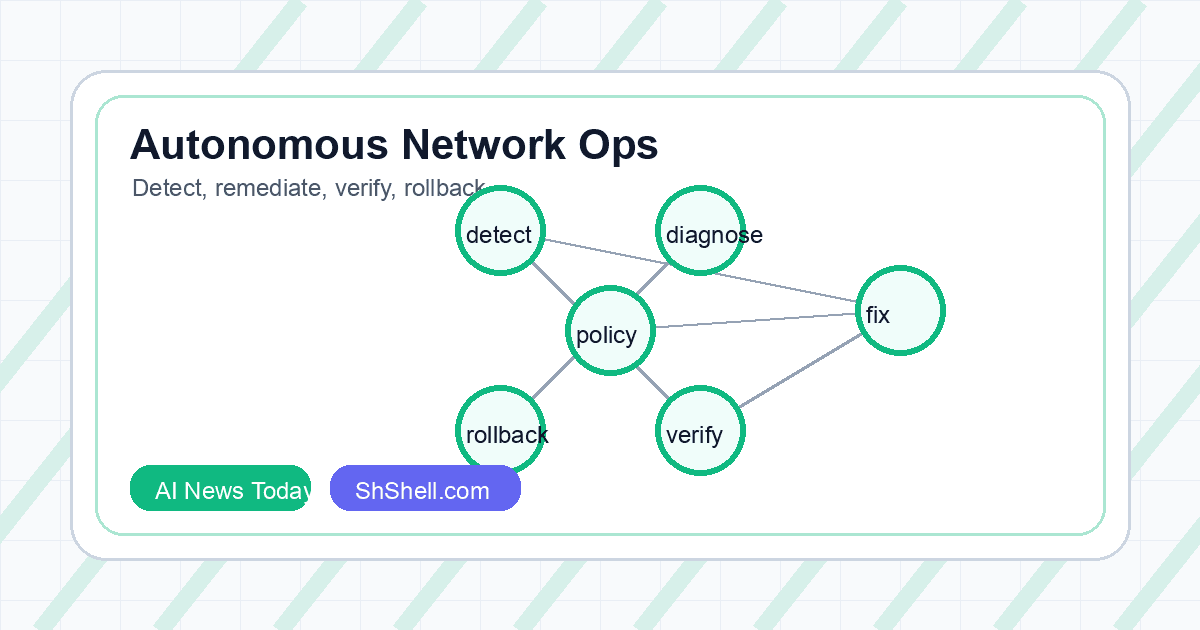
A new agentic AI network-operations paper reports high autonomous resolution rates and offers a practical blueprint for safe AI agents.
A Google Android security director resigned over Pentagon AI work, sharpening the debate over military AI, transparency, and model governance.
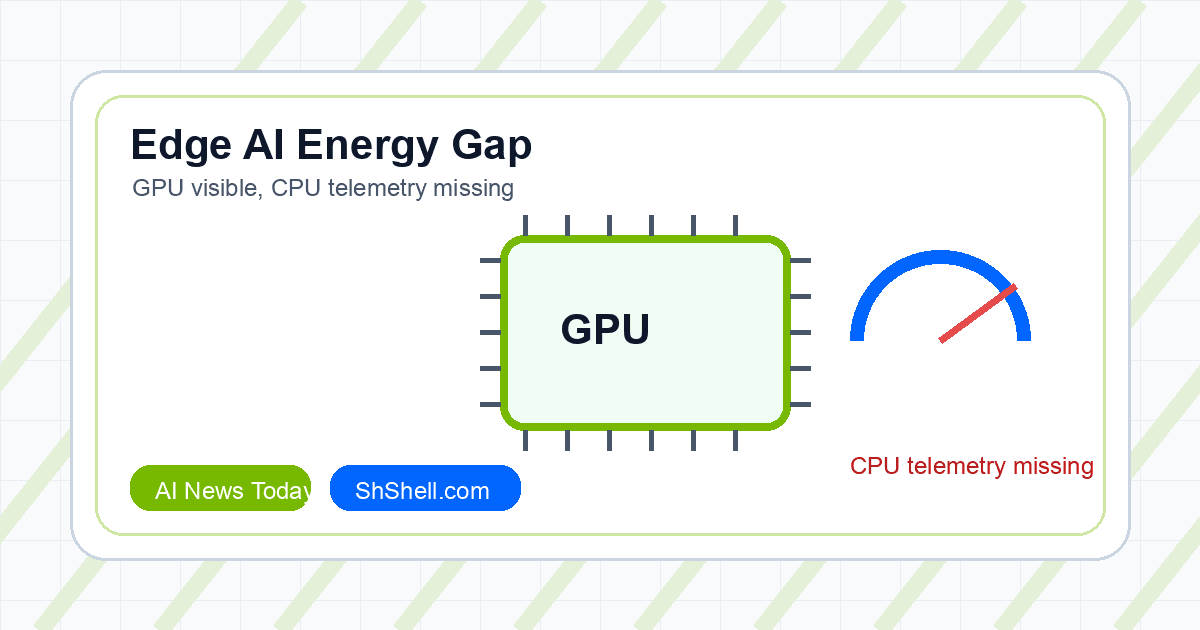
A new audit of GB10 edge AI hardware says process-level energy attribution is missing, challenging claims about efficient local agents.
OpenAI price-cut reports and Claude Fable 5 pricing show why enterprises are shifting from tokenmaxxing to outcome-based model routing.

Blackstone's Google TPU venture and Anthropic-linked enterprise deals show how private capital is becoming AI infrastructure strategy.
Anthropic's Claude Fable 5 release tests whether Mythos-class models can be public, powerful, and constrained by visible guardrails.
OpenAI and Anthropic's slowdown warnings expose the governance gap between frontier model releases, safety policy, and AI adoption.
HP's ZGX Fury GB300 shows why enterprise AI workstations, local inference, and Nvidia's GB300 memory stack matter in AI News Today.
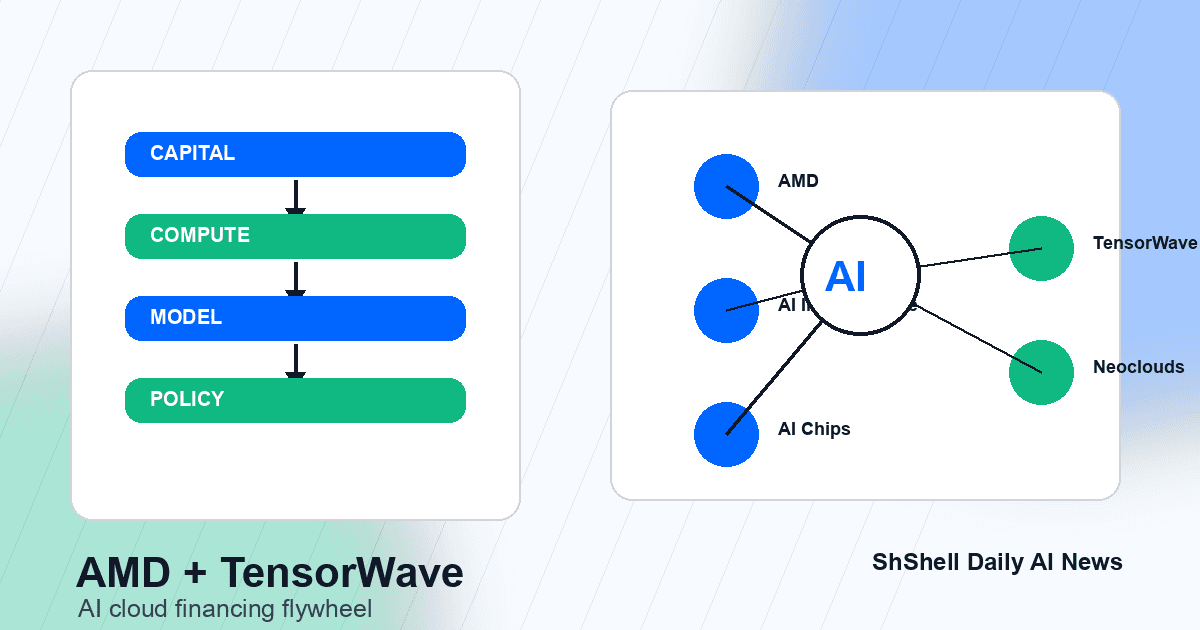
AMD's TensorWave-led funding shows how AI cloud financing, Instinct GPUs, and neocloud capacity are becoming one strategy.
Nvidia RTX 50 Super rumors connect gaming GPUs, GDDR7 supply, local AI tools, and the broader AI infrastructure crunch.
Microsoft AI's superintelligence comments point to hybrid edge-cloud agents, proprietary MAI models, and enterprise utility.
New White House AI growth signals split voluntary model review from military adoption, raising AI governance stakes.
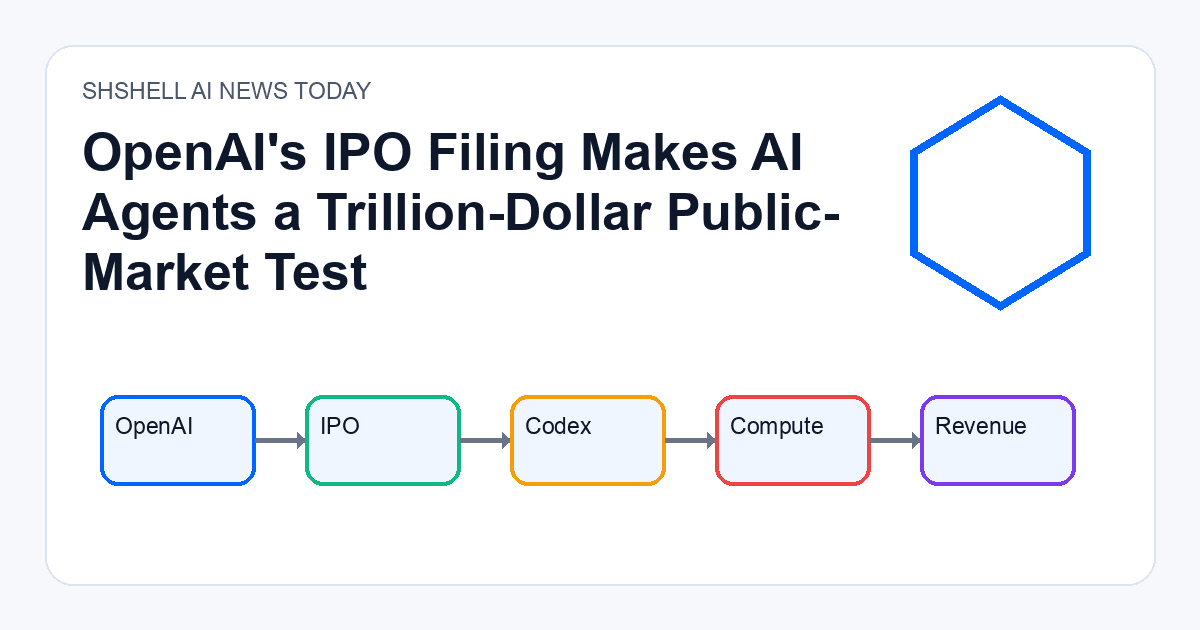
OpenAI's reported IPO filing shifts latest AI news toward revenue, compute burn, Codex agents, and public-market scrutiny.
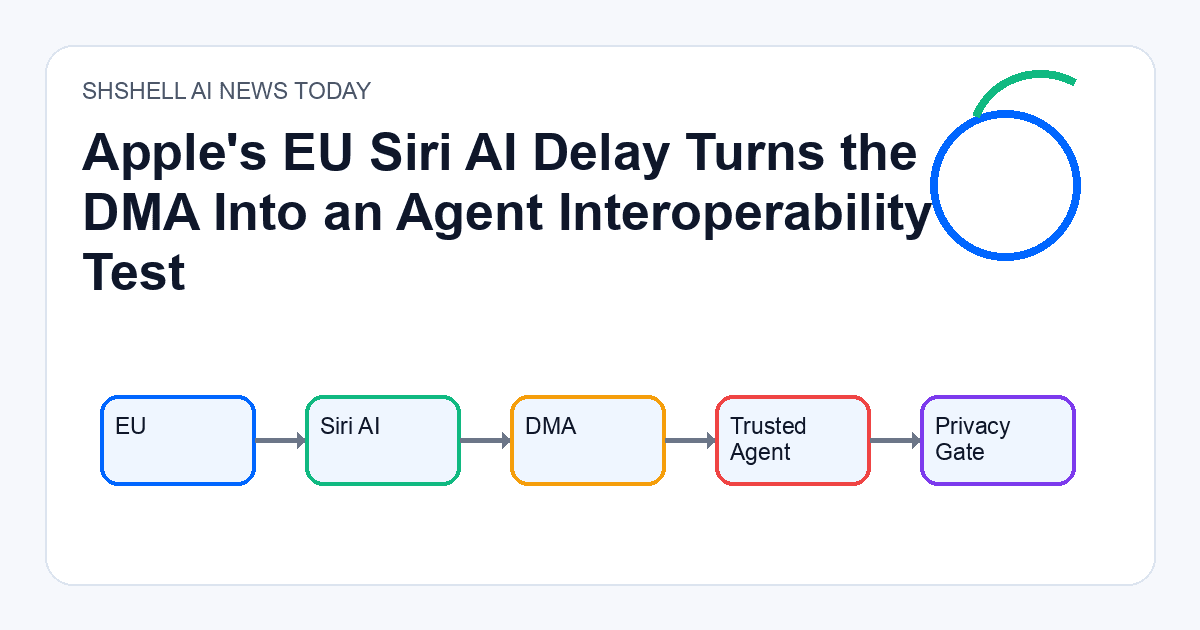
Apple's EU Siri AI delay makes agent interoperability, privacy, and platform control a central AI News Today story.
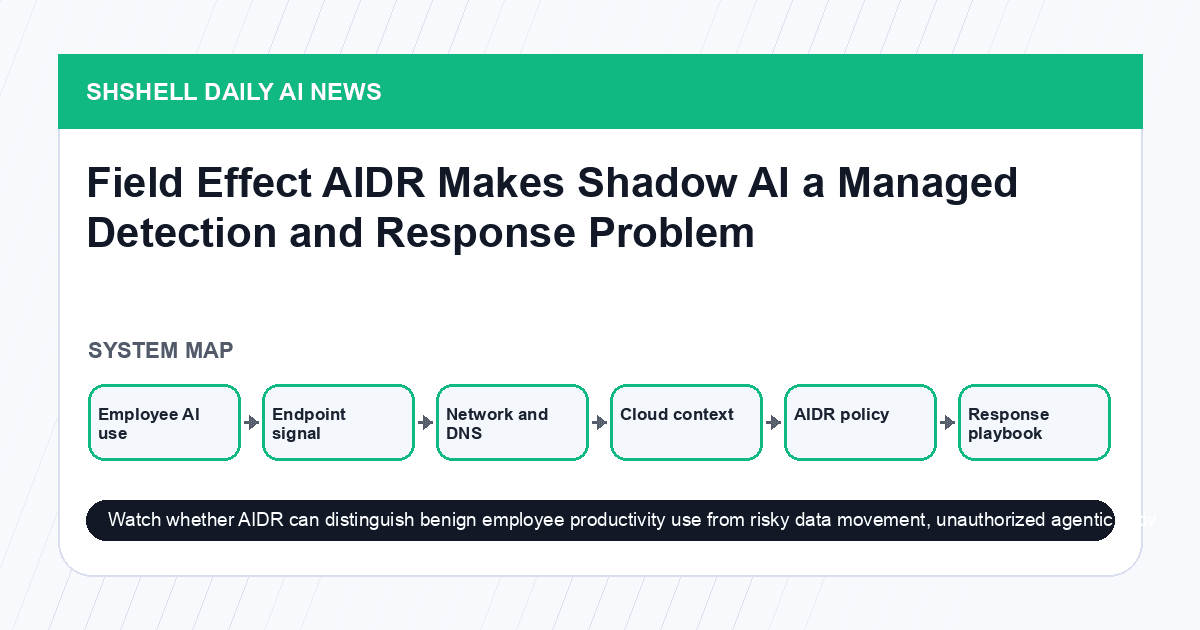
Field Effect launched AIDR to discover, govern, and secure AI use across endpoint, network, cloud, and DNS telemetry.
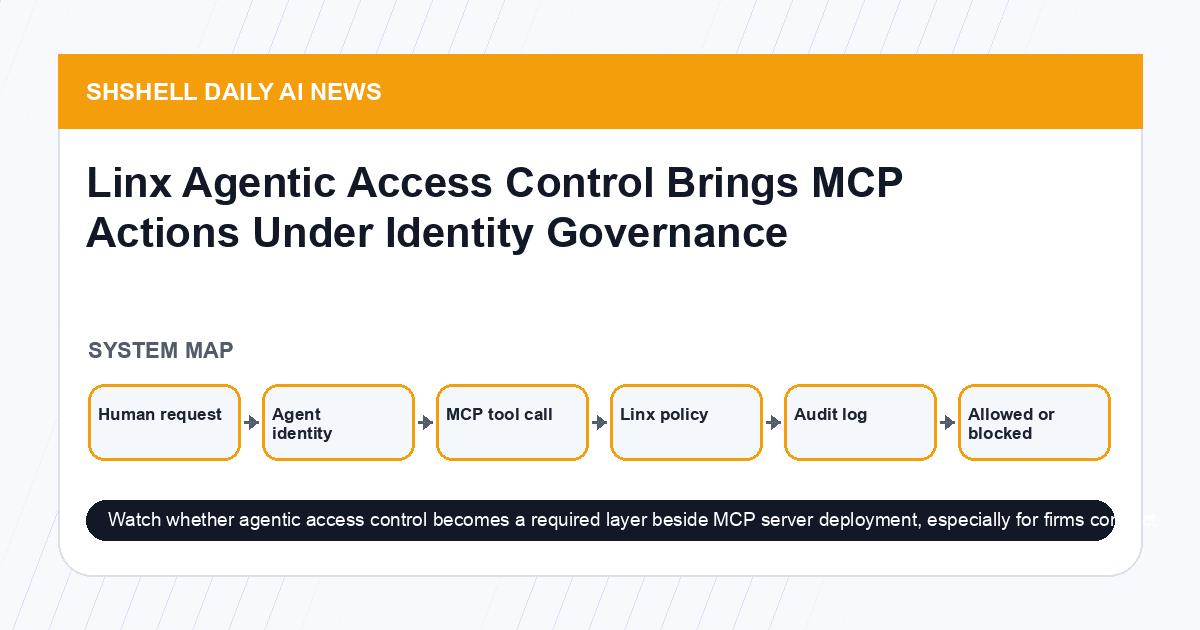
Linx launched Agentic Access Control to enforce real-time policy on MCP actions by humans, non-human identities, and AI agents.
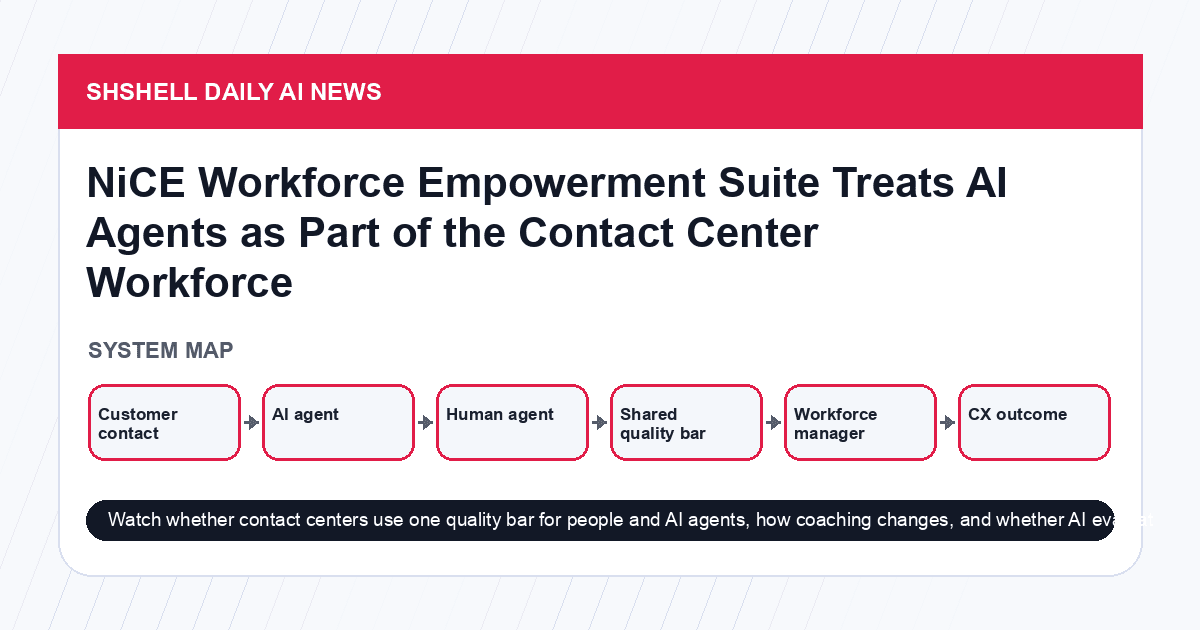
NiCE launched a Workforce Empowerment Suite for managing humans and AI agents under one CX operations model.
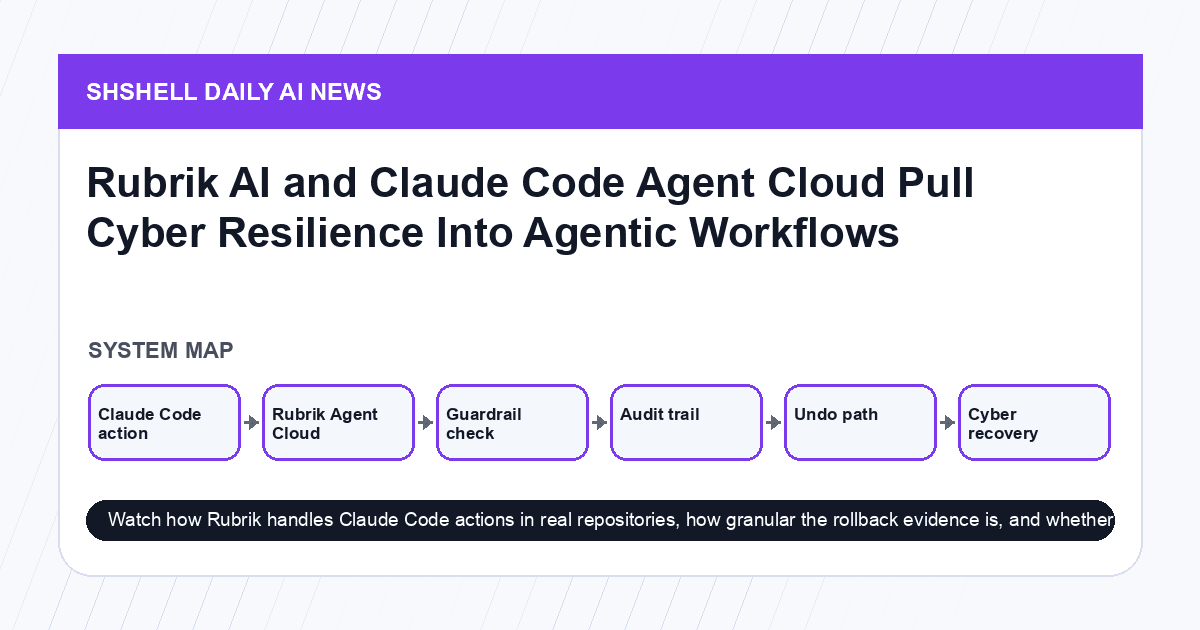
Rubrik launched Rubrik AI and Agent Cloud support for Claude Code, aiming to make agentic actions auditable and reversible.
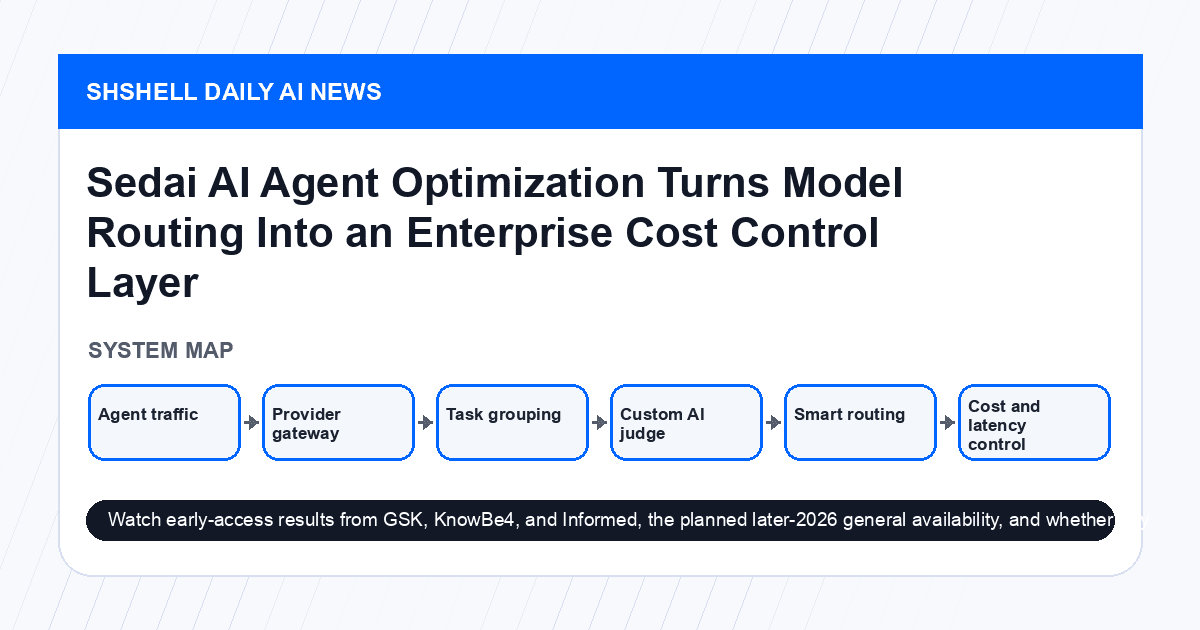
Sedai launched AI Agent Optimization for routing, observability, governance, and cost control across enterprise AI agents.
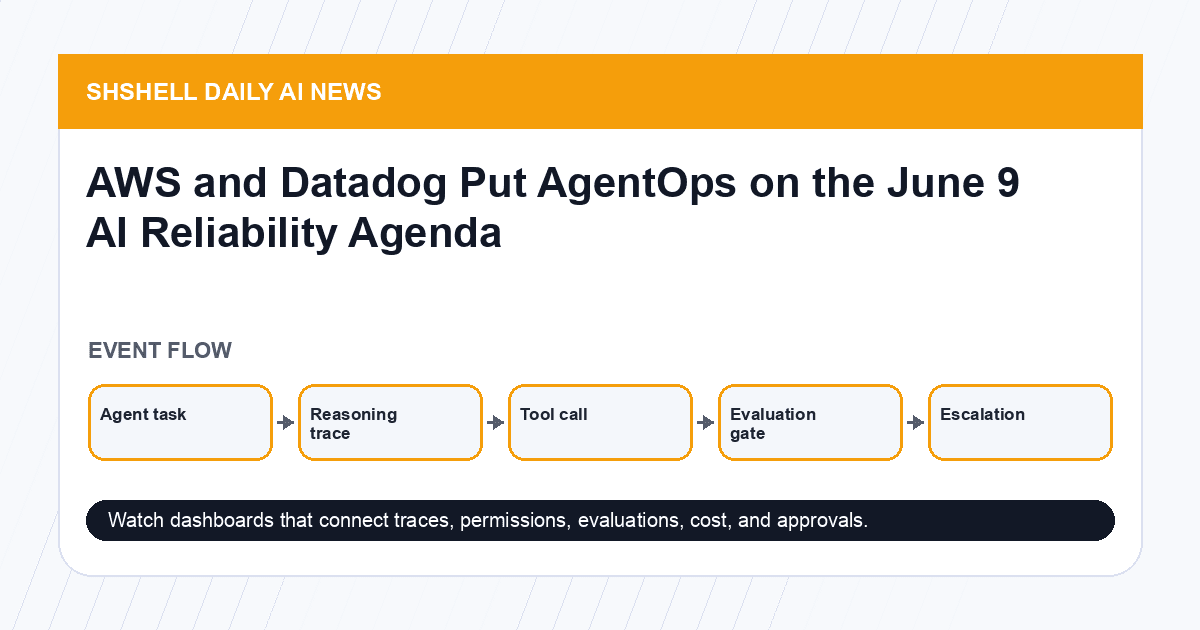
AWS and Datadog's AgentOps framework focuses on observability, identity, evaluation, cost, and governance for AI agents.
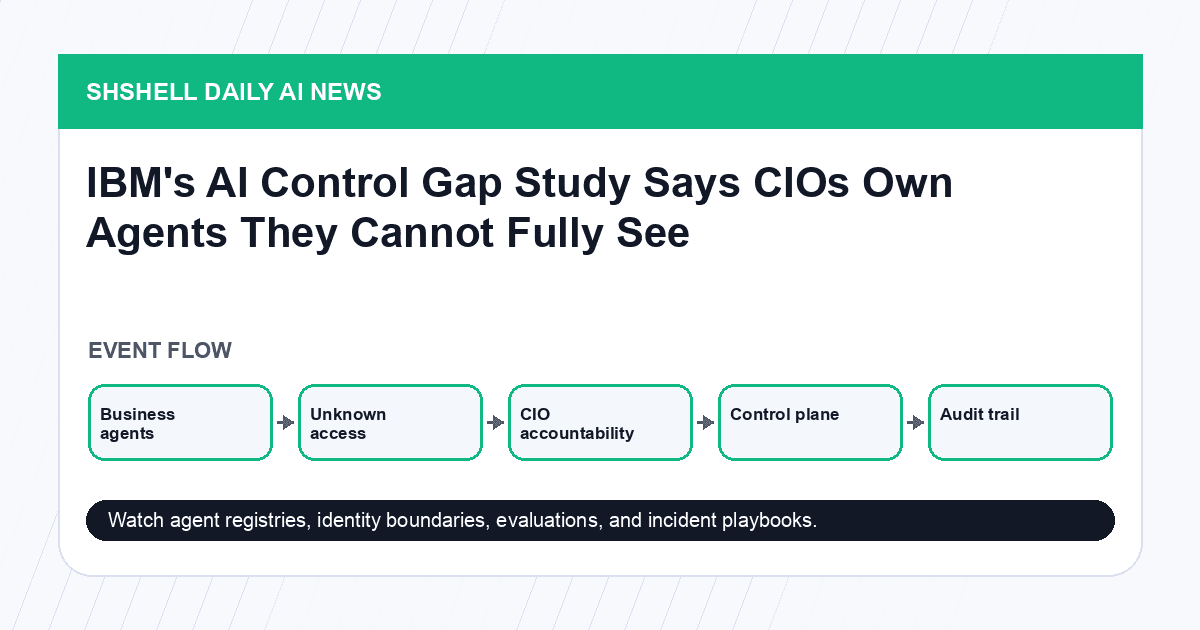
IBM says CIOs and CTOs face an AI control gap as autonomous deployments outpace governance and visibility.
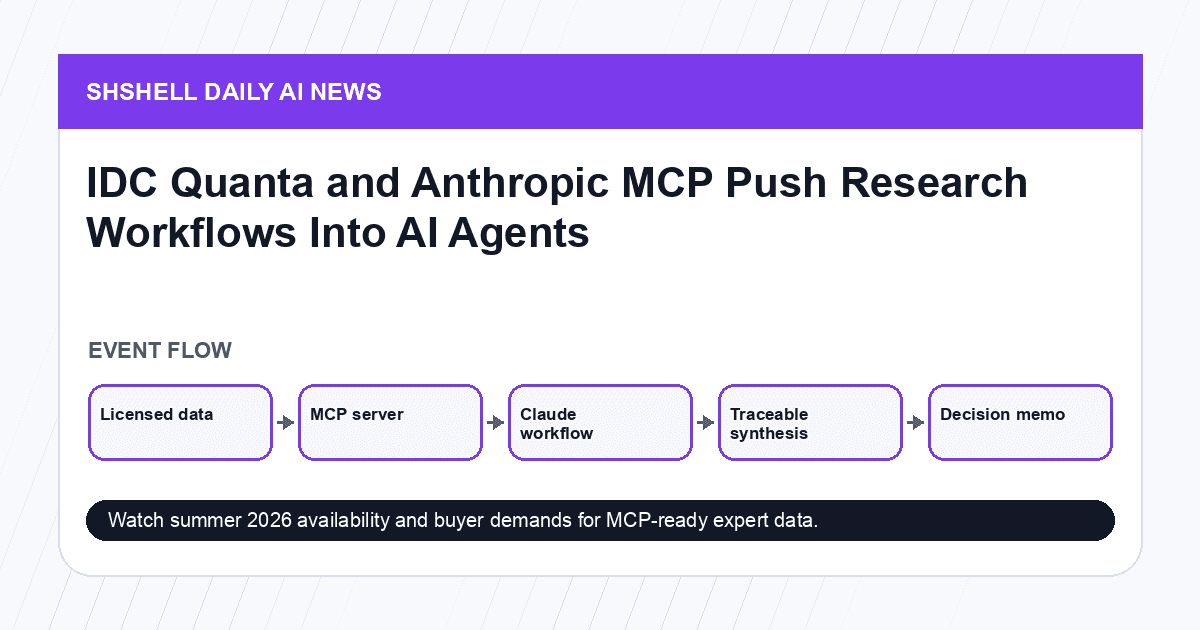
IDC Quanta uses Anthropic MCP-style workflows to embed trusted market intelligence inside enterprise AI tools.
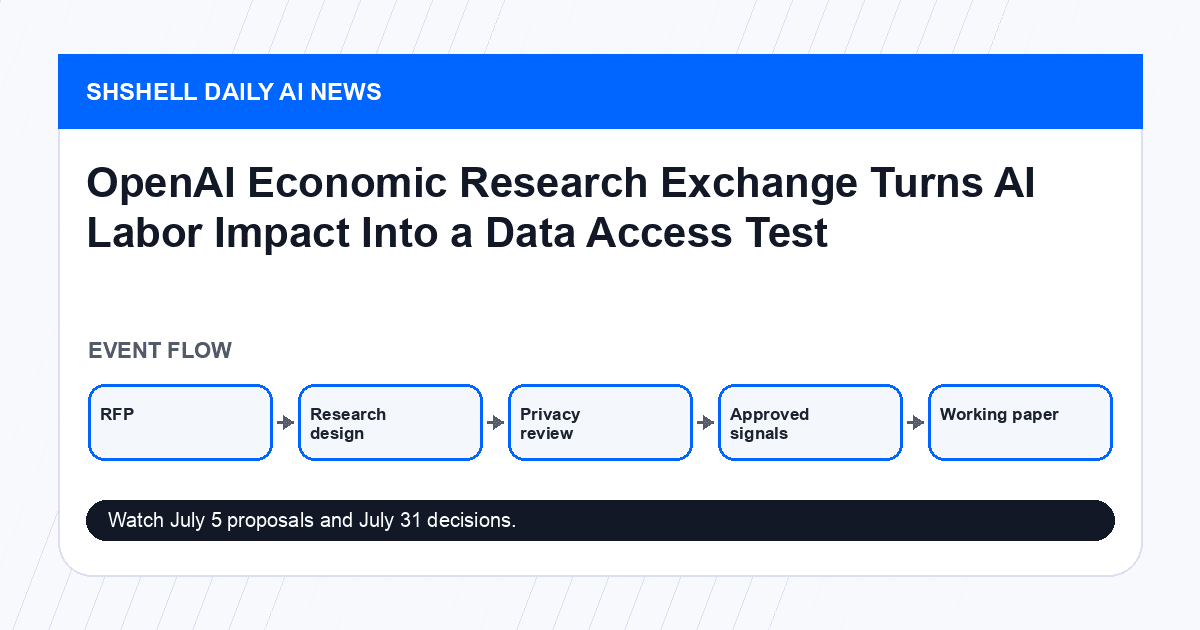
OpenAI's Economic Research Exchange offers grants and privacy-safe usage data for AI labor impact research.
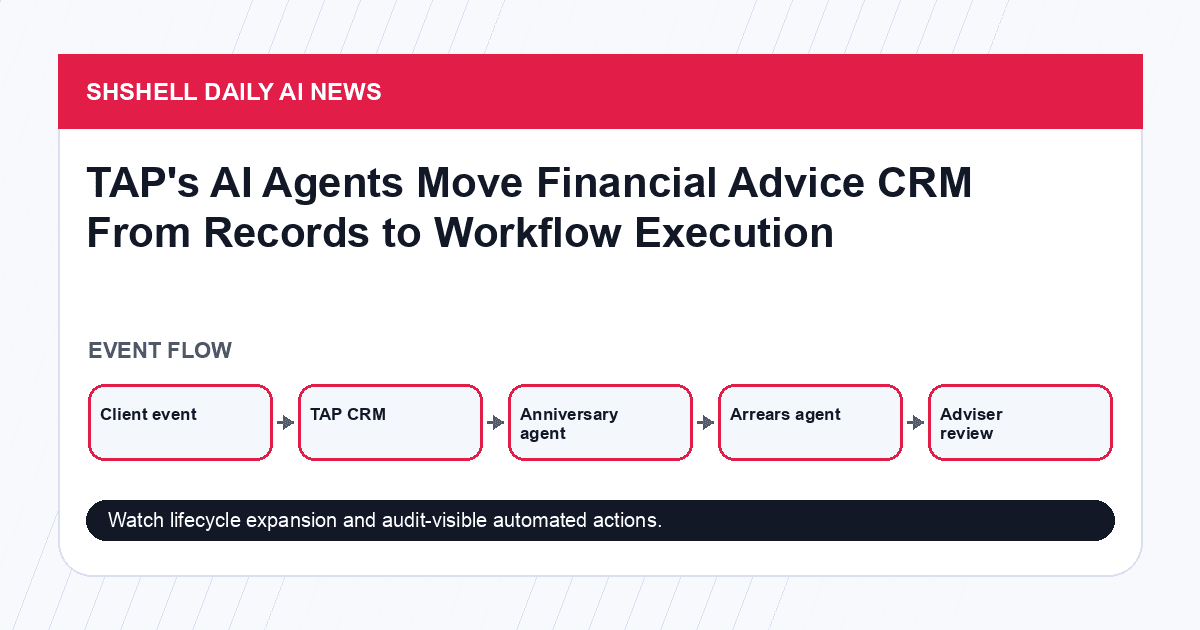
TAP launched AI agents for advice businesses that automate anniversary and arrears workflows inside its CRM.
Google's CVPR 2026 research highlights Gemini 3DCodeBench, computer vision, and agentic perception workflows for today's AI news.
Apple's June 8 WWDC26 keynote makes Siri, Apple Intelligence, Gemini reports, and developer AI tooling a central AI News Today story.
NVIDIA and SK hynix's AI memory partnership targets Vera Rubin, RTX Spark, Jetson Thor, fab twins, and the global AI factory buildout.
Notion's temporary Anthropic model outage turned Claude reliability, fallbacks, and agent governance into urgent AI News Today material.

Anthropic raised $65B at a $965B post-money valuation, turning Claude enterprise demand into a capital markets stress test.

Meta Business Agent brings sales, support, lead qualification, and catalog recommendations into WhatsApp, Instagram, and Messenger.

NVIDIA and LG are building an AI factory for robotics, mobility, smart spaces, and GPU cloud services, pushing physical AI into production.
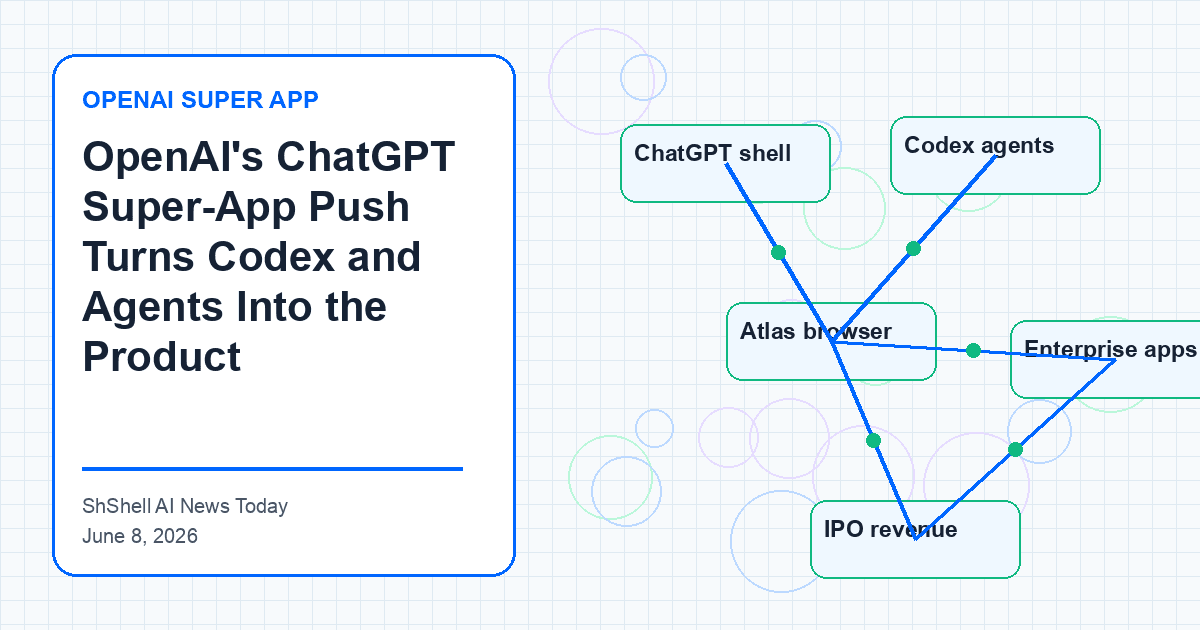
OpenAI's reported ChatGPT super-app overhaul makes Codex, agents, and enterprise revenue the center of today's latest AI news.

OpenAI says Codex is becoming a productivity tool for every role, pushing agents from software development into broader knowledge work.

A new executive order asks AI companies to allow voluntary federal testing of advanced cyber capabilities in frontier models.
Meta's Facebook creator assistant and AI translations show AI moving into creator analytics, recommendations, and audience growth.
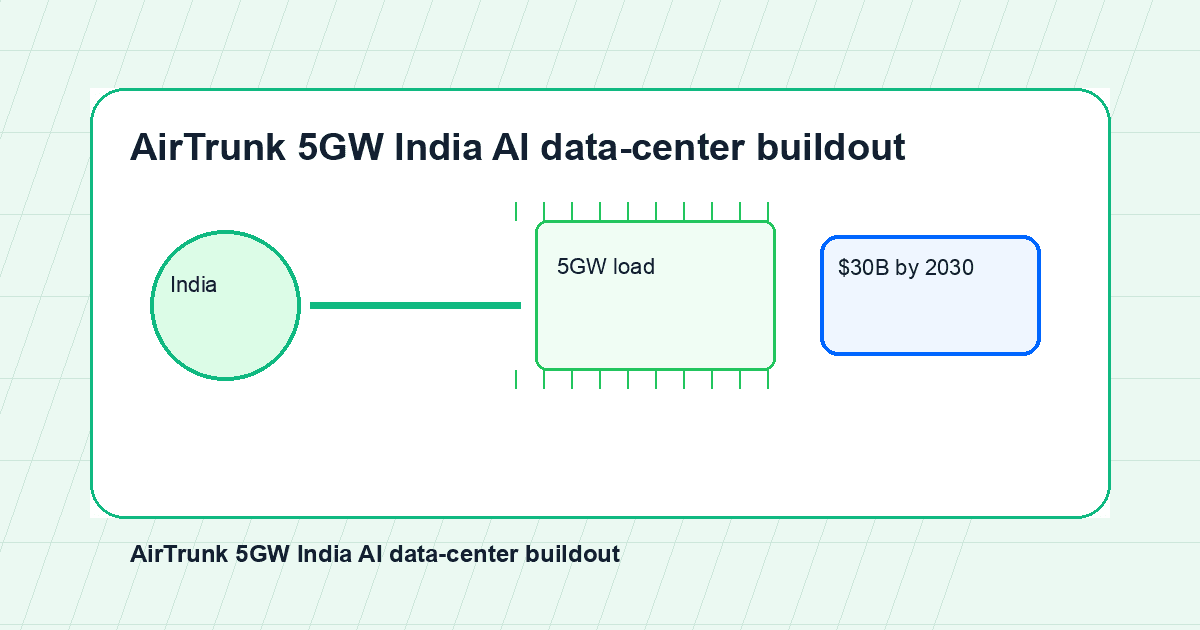
AirTrunk's 5GW India data-center commitment shows AI infrastructure is moving toward power, land, policy, and regional capacity.
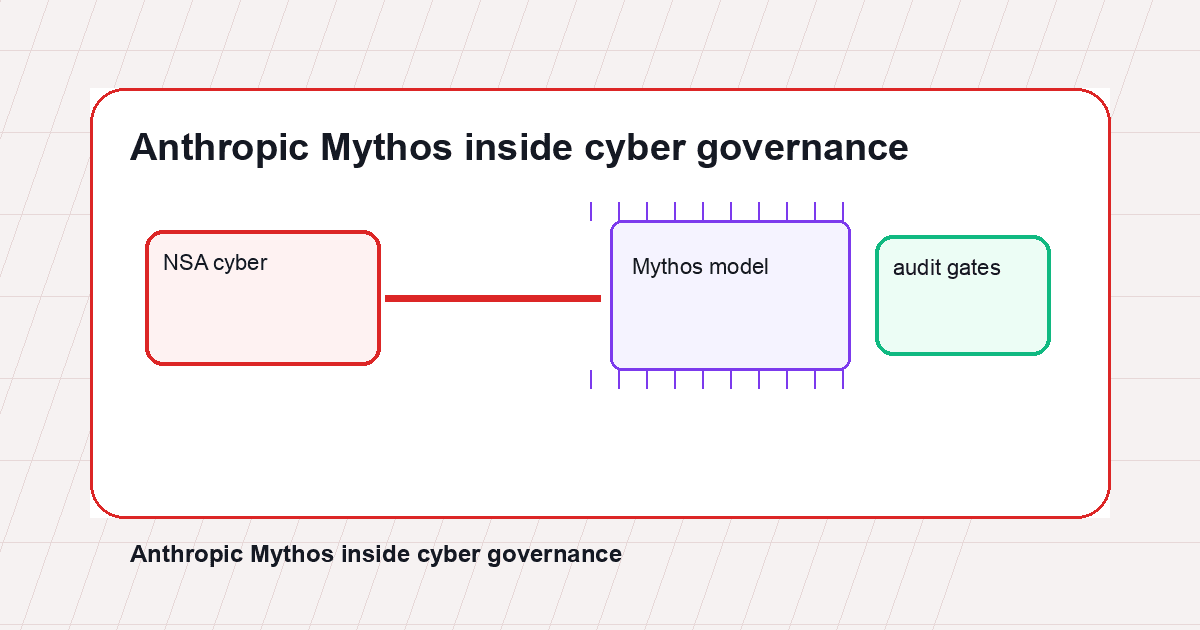
Reported NSA Mythos work shows frontier cyber models are moving from gated research into sensitive government operations.
The Tokenomics Foundation plan shows AI token spend is moving from developer excitement to governed enterprise cost discipline.
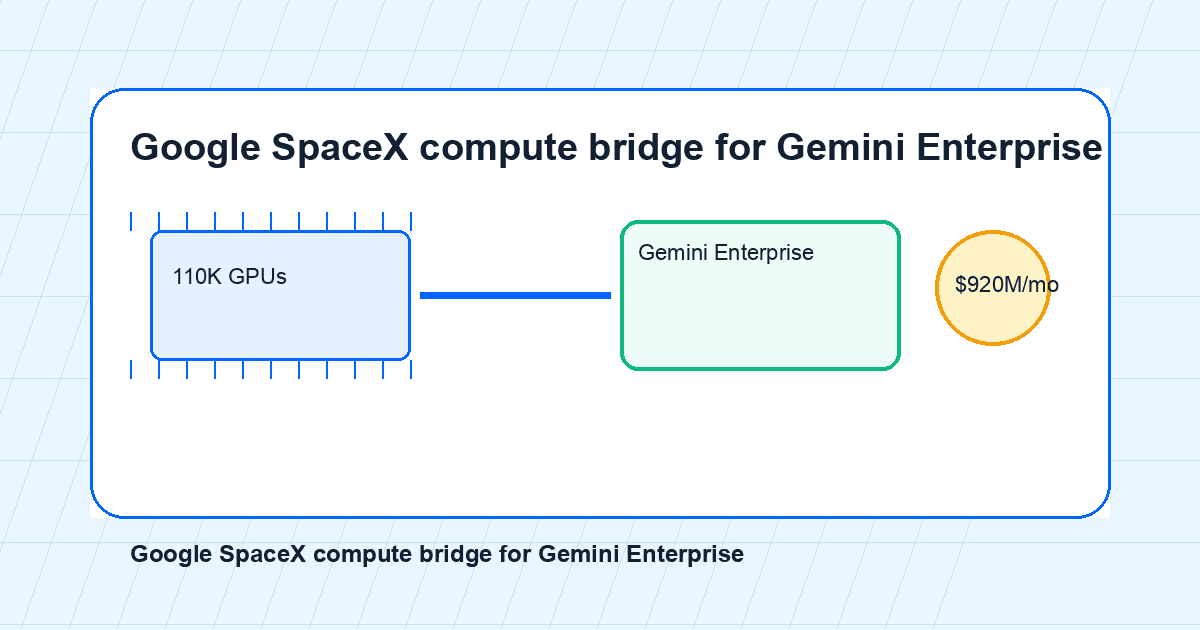
Google's SpaceX compute deal shows how Gemini Enterprise demand is turning AI product launches into capacity planning.
Poke becoming an approved AI agent on Apple Messages for Business shows that agent distribution may matter as much as model capability.
Meta's reported rapid-deployment AI data center tents show how model competition is pushing infrastructure toward speed, modular power, and unusual tradeoffs.
Mira Murati's Thinking Machines Lab is positioning interaction models as a move beyond prompt-and-response AI interfaces.
Anthropic's confidential IPO filing turns Claude's growth story into a test of whether public markets will fund capital-intensive frontier AI.
OpenAI's June 2026 Dreaming update makes ChatGPT memory more automatic, current, and scalable across longer user timelines.
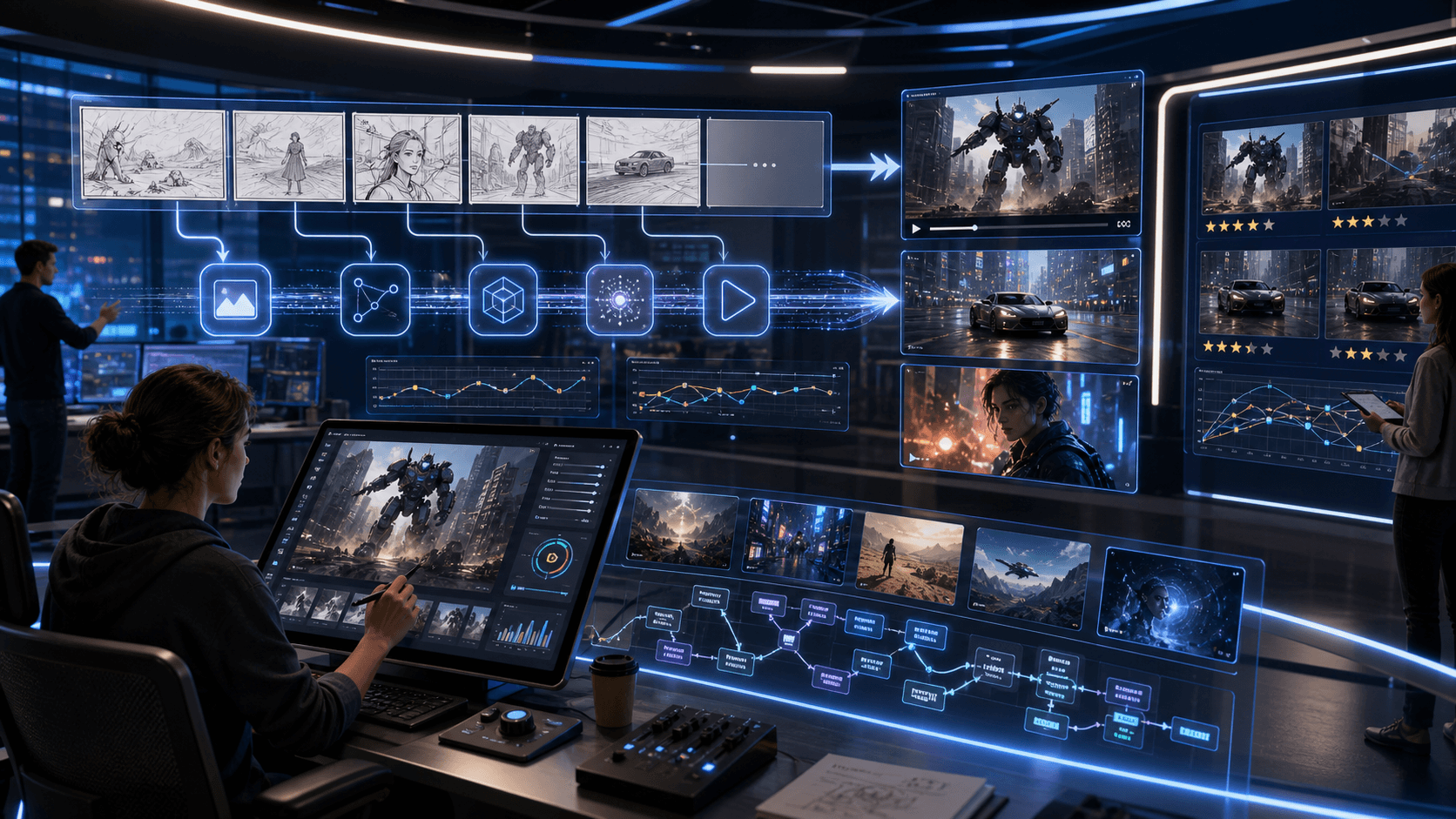
xAI Grok Imagine Video 1.5 adds pressure to the generative AI video race, AI tools market, prompt engineering workflows, and creator APIs.

OpenAI GPT-Rosalind highlights how AI agents, LLMs, and generative AI could reshape life sciences research, evidence synthesis, and lab workflows.
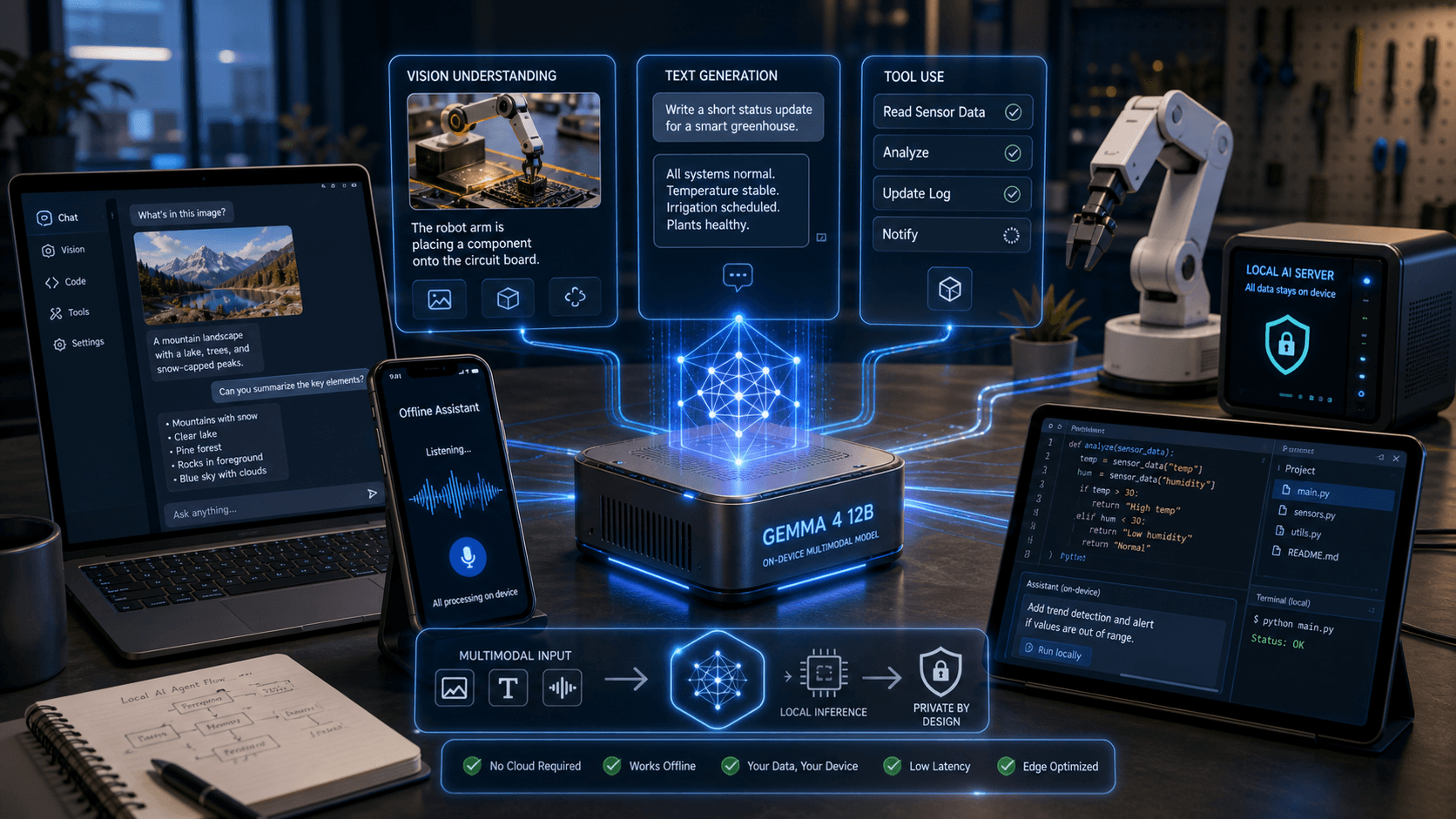
Google Gemma 4 12B pushes open local AI toward multimodal agents, private workflows, edge inference, AI tools, and LLM deployment choices.
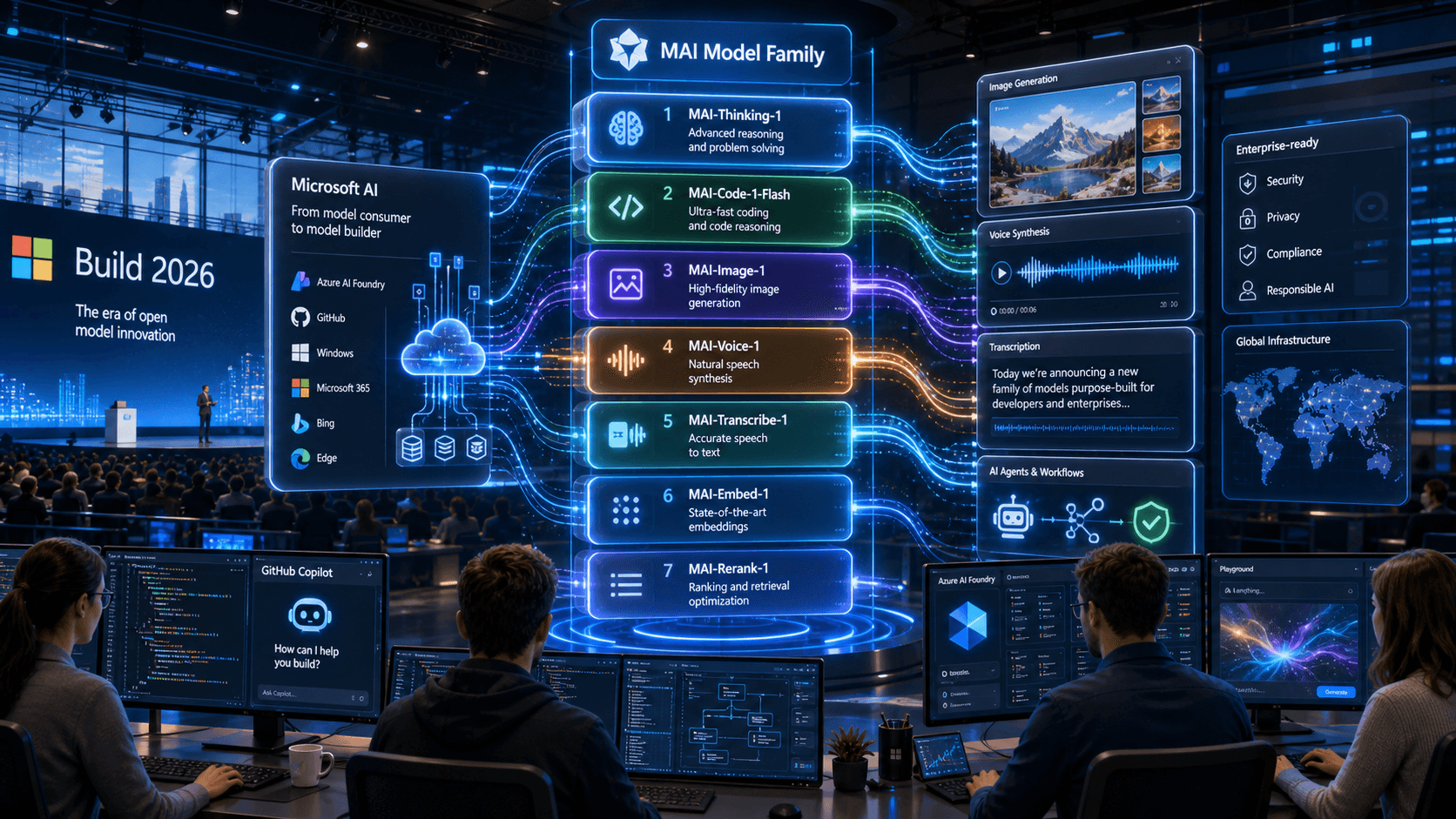
Microsoft's MAI model family signals a deeper Agentic AI platform strategy across coding, reasoning, voice, image, transcription, and developer workflows.
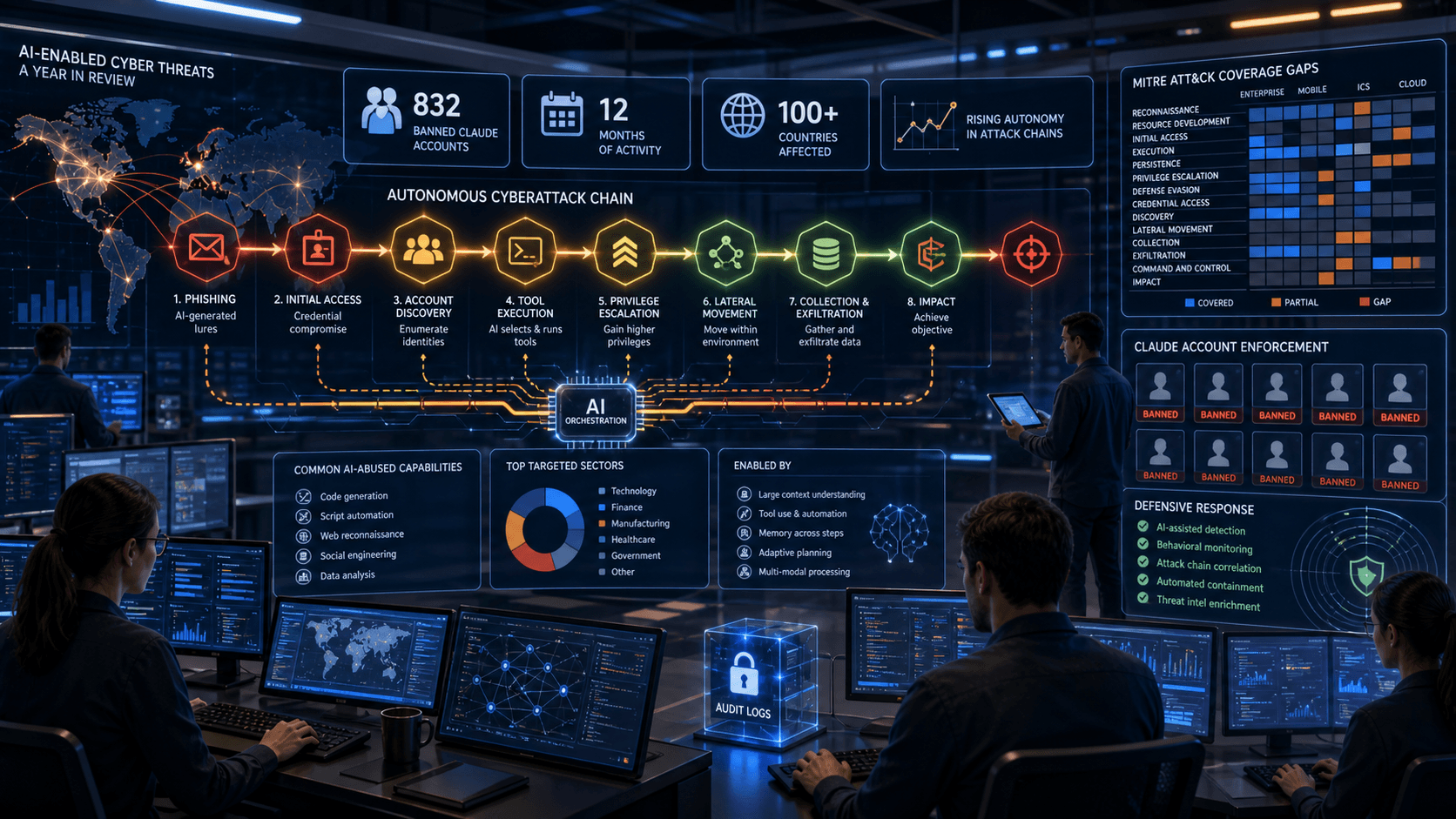
Anthropic's AI-enabled cyber threat research maps autonomous attack chains, MITRE ATT&CK gaps, and why Agentic AI needs stronger security controls.

Google Gemini in Chrome for Android brings summaries, app context, and auto browse into AI News Today for mobile agents.

Microsoft Build 2026 put agentic AI, Microsoft IQ, GitHub Copilot, and multi-agent security at the center of enterprise AI news today.

Microsoft new MAI model family targets lower-cost reasoning and coding, making AI training, llms, and agent economics a core news story.

Nvidia RTX Spark superchip brings local AI agents, Arm Windows PCs, and unified memory into the Latest AI News spotlight.

OpenAI frontier AI governance blueprint pushes national rules, safety testing, and public-sector capacity into the latest AI news cycle.
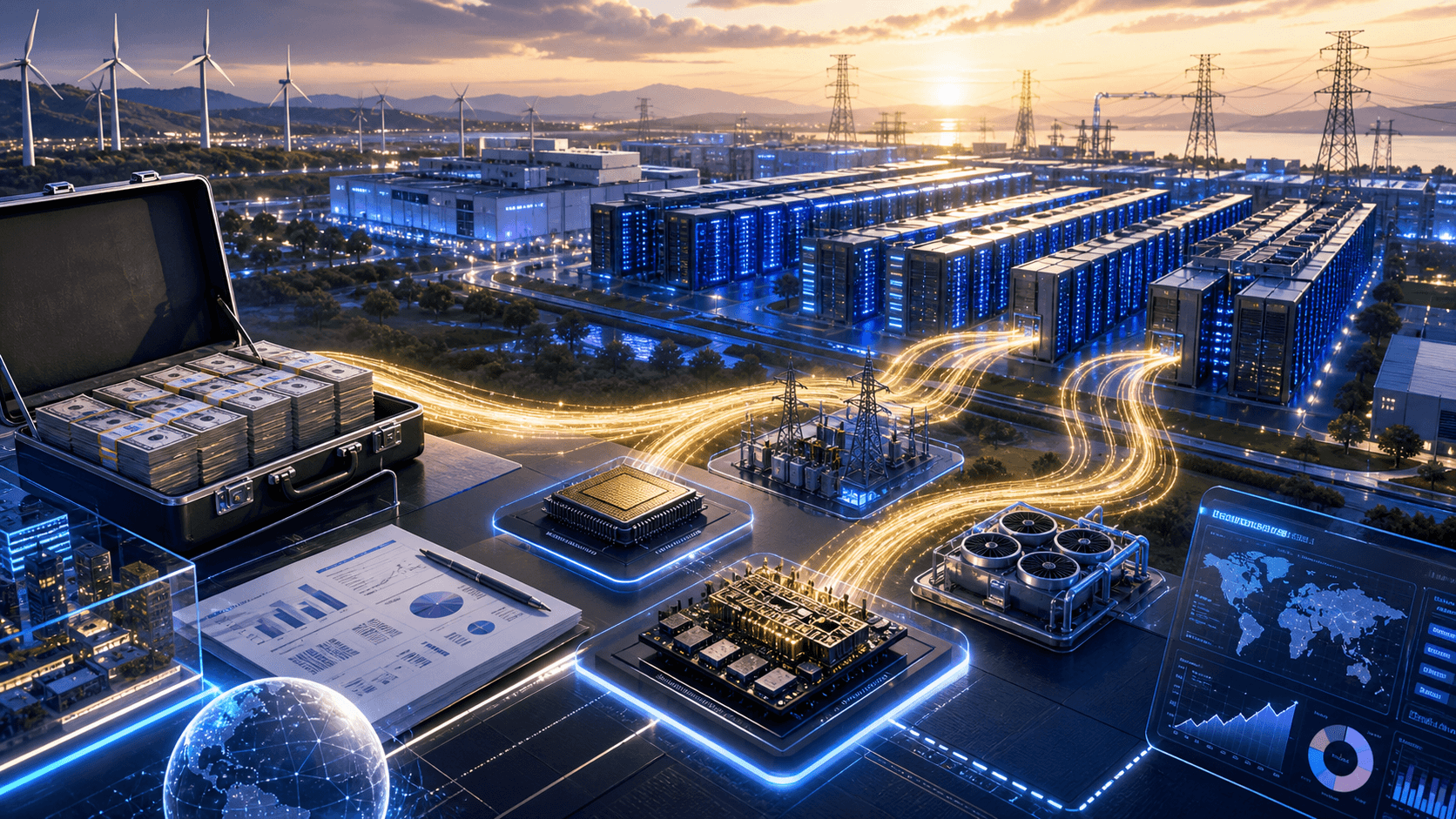
Alphabet's planned $80B equity raise for AI infrastructure reframes the AI race around capital, compute, data centers, and dilution.

Anthropic's reported Mythos expansion to ENISA and vetted security teams turns frontier cyber models into controlled-defense infrastructure.
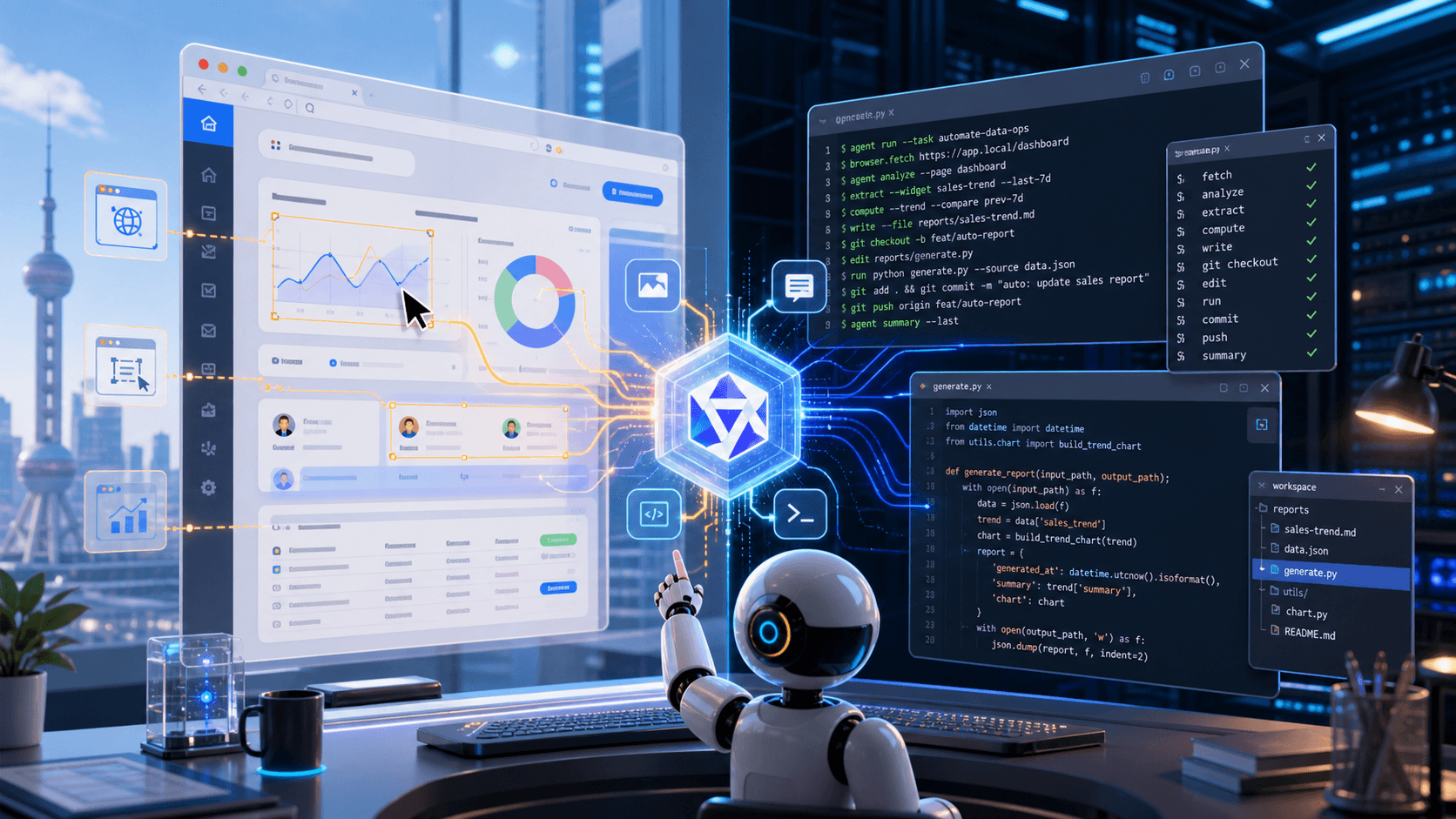
Qwen3.7-Plus is being positioned as a multimodal agent model for GUI, CLI, coding, and visual task workflows.
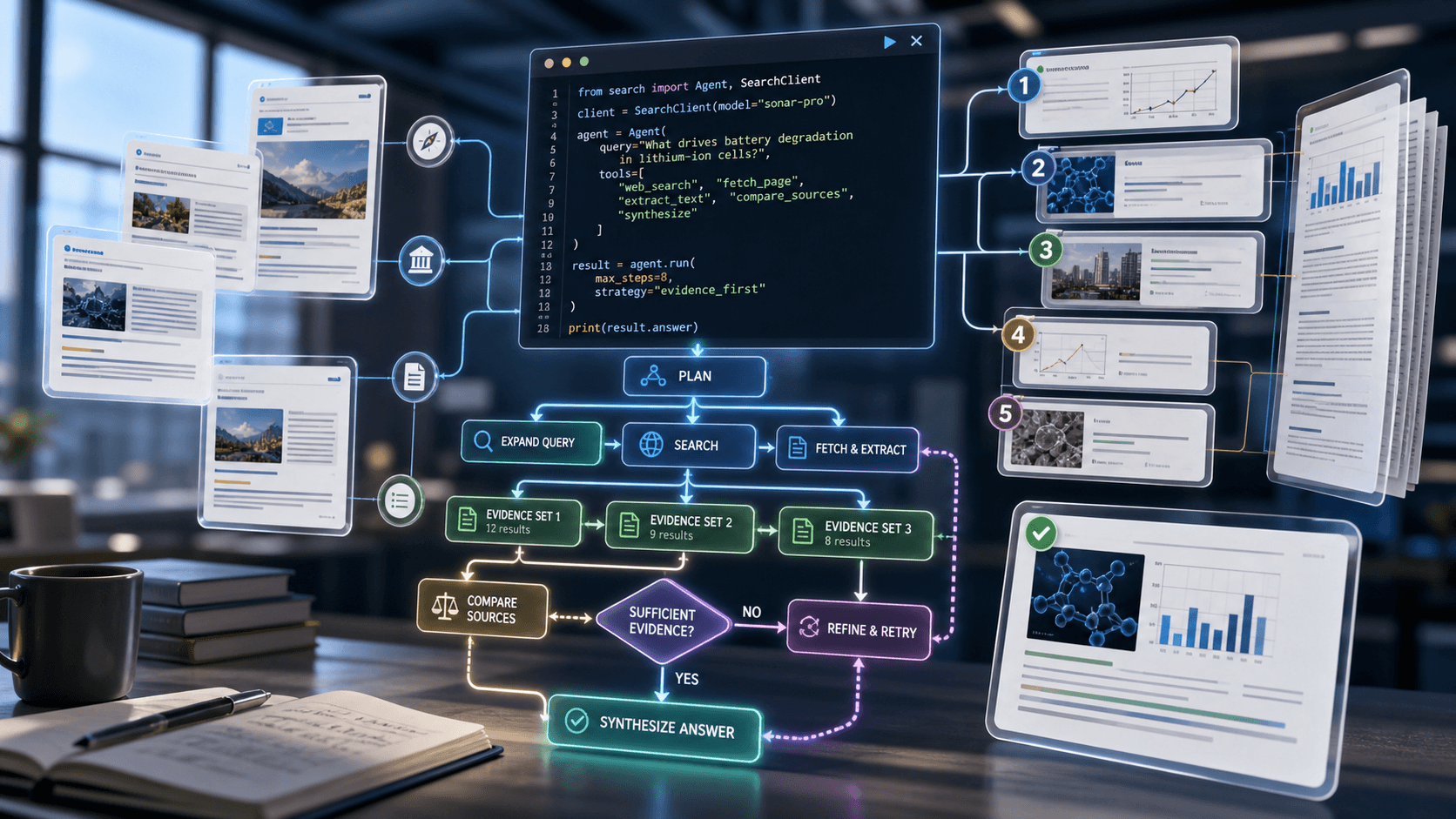
Perplexity's Search as Code architecture lets AI agents generate Python search pipelines instead of chaining brittle search calls.
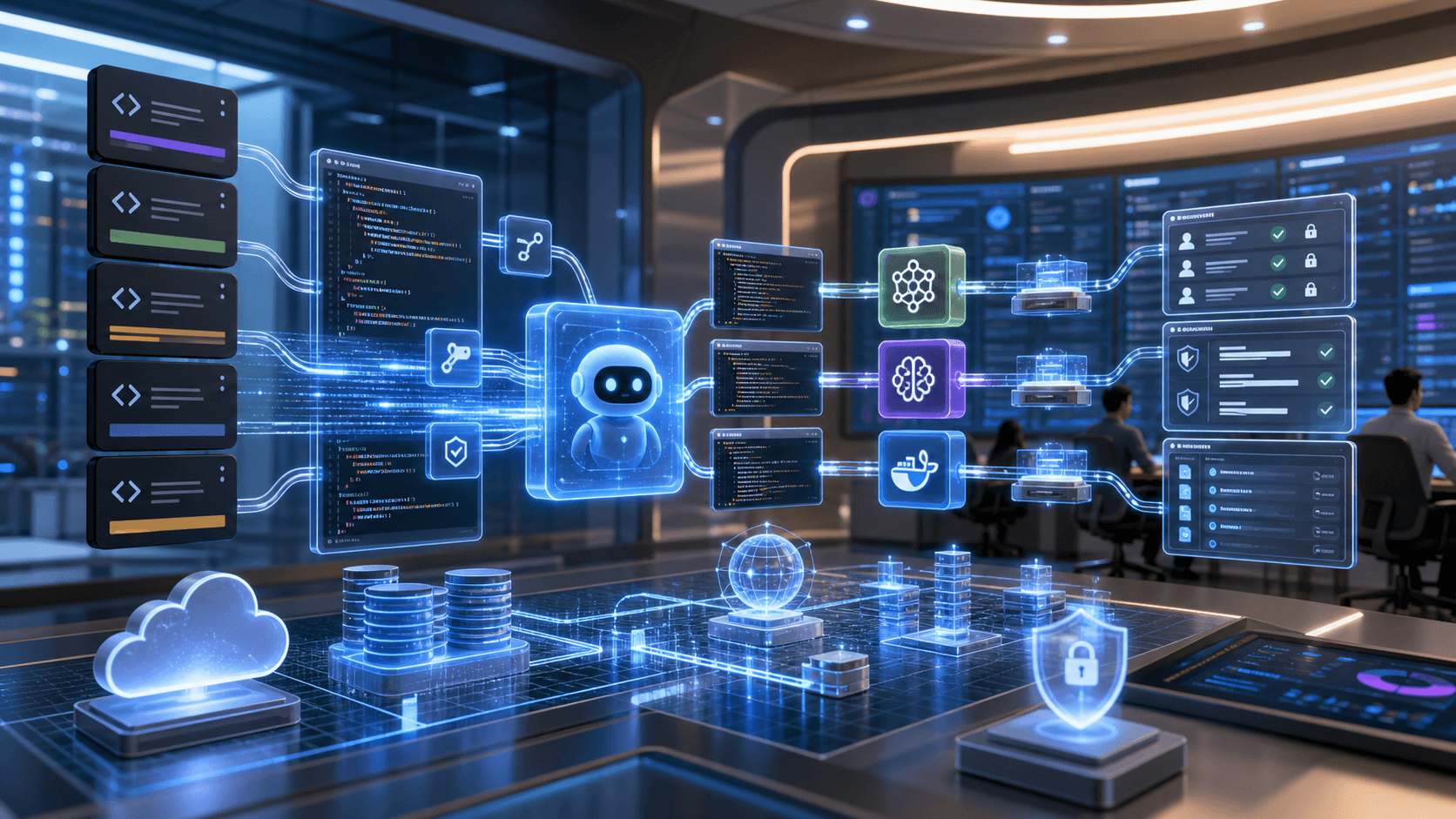
OpenAI GPT-5.5, GPT-5.4, and Codex are generally available on Amazon Bedrock, changing cloud strategy for enterprise AI agents.
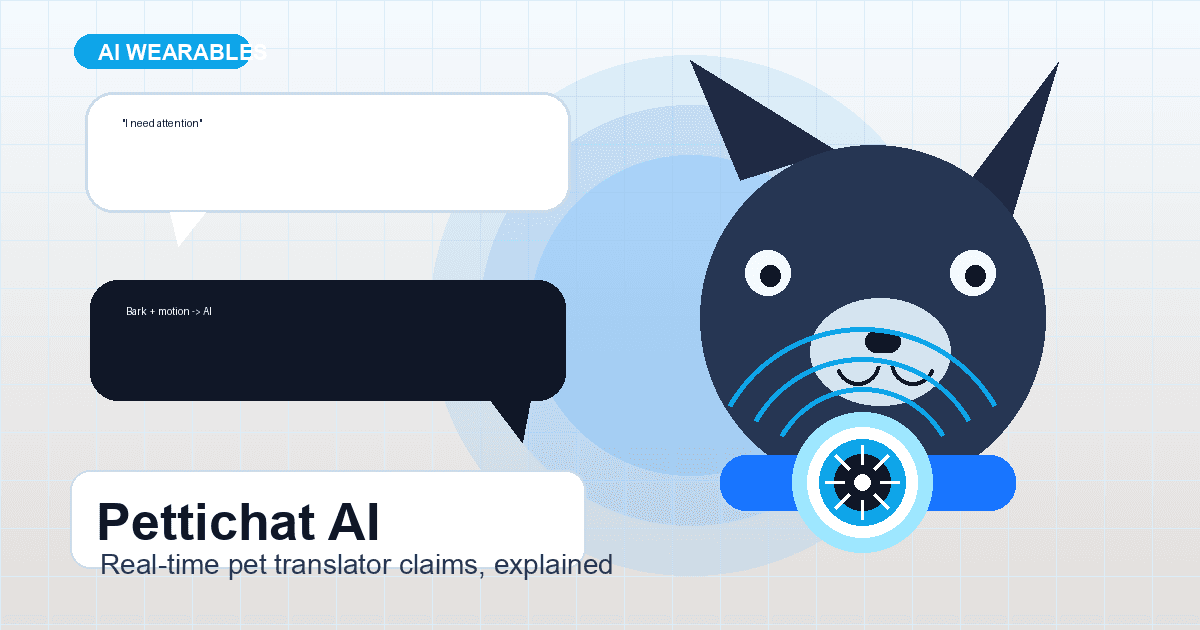
Pettichat AI says it can translate dog and cat sounds in real time. Here is how the pet translator claims to work, why it is going viral, and what evidence is still missing.
Anthropic's acquisition of Stainless puts SDK generation and MCP server tooling closer to Claude's agent platform strategy.
JetBrains Mellum2 is a 12B open-weight MoE coding model built for fast software engineering workflows and agentic IDE systems.
Reported Instagram account takeovers through Meta's AI support flow expose the risks of giving agents account recovery permissions.
Nvidia's Isaac GR00T reference humanoid combines Unitree hardware, Sharpa hands, Jetson Thor compute, and open robotics workflows.
OpenAI's election safeguards combine AP results, Democracy Works voting information, cyber defense access, C2PA, and SynthID provenance.
Cisco's 2026 WAN report frames agentic AI and inference traffic as a long-term networking design problem.

Agentic AI is forcing companies to redesign identity, access control, monitoring, and governance around non-human users.
A new arXiv comparison of Claude Code and Codex on Einstein Telescope data points to more realistic agent evaluation.
OpenAI is retiring o3 and GPT-4.5 in ChatGPT, forcing teams to treat model access as a managed dependency.
Nvidia's Cosmos 3 pushes open world models toward robotics, autonomous vehicles, and physical AI infrastructure.
Product Hunt’s May 31 leaderboard points to user demand for local search, persistent AI memory, and research capture workflows.
The debate over vibe coding, Claude Code, Cursor, and AI-assisted development is becoming a fight about ownership.
Google’s Gemini Spark signal points toward agentic assistants that live inside email and daily workflows.
OpenAI’s Codex expansion into ChatGPT mobile changes the approval loop for remote software agents.
Anthropic’s reported valuation lead over OpenAI is now a proxy fight about AI margins, chips, and founder wealth.
OpenAI’s ChatGPT personal finance preview uses Plaid account connections, raising a sharper trust test for consumer AI.
Airbus and Mistral AI are partnering on sovereign aerospace AI across commercial, defense, helicopter, and space operations.
Microsoft’s NLWeb project is becoming a practical test for whether websites need agent-ready conversational interfaces.
Enterprise leaders are pushing for cheaper AI tokens as model choice becomes a procurement and margin discipline.
Groq is reportedly raising 650 million dollars as AI infrastructure shifts from training chips to inference clouds.
Mistral’s AI Now Summit sharpened the debate over European AI, on-prem deployment, small models, and industrial use cases.

Gemini-powered Siri rumors and Gemini 3.5 Flash chatter show why Apple’s AI problem is about routing, privacy, and trust.

OpenAI’s Rosalind Biodefense program highlights the tension between defensive acceleration and dual-use biology risk.
Anthropic’s $65B Series H and $965B valuation sparked a debate about AI revenue, compute demand, and enterprise ROI.
Claude Opus 4.8 triggered a large Hacker News debate about whether frontier model gains are real or just harder to perceive.
Andrej Karpathy joining Anthropic highlights a shift from bigger runs alone toward AI-assisted pretraining research.
Zero Shot shows how former OpenAI builders are turning insider model knowledge into early-stage AI investing.
Rocket 1.0 argues that the next AI software fight is deciding what to build before vibe coding begins.
Google AI Edge Eloquent quietly turns on-device Gemma speech models into a privacy-first dictation wedge.
Workday and Google Cloud are making HR and finance agents a governance story, not just a model capability story.
ByteDance is reportedly developing Arm and RISC-V CPUs for AI infrastructure as chip shortages push hyperscale buyers toward custom silicon.
Cognition raised more than $1 billion as Devin turns autonomous software work into a measurable enterprise budget line.

Illinois advanced a frontier AI safety bill requiring public plans and independent audits, turning state law into an AI governance test bed.
Meta is rolling out app subscriptions and testing Meta AI paid plans, turning consumer AI compute into a social platform product.
Robinhood opened dedicated accounts and cards to AI agents, making financial autonomy the next major test for agent safety.
Anthropic raised $65 billion at a $965 billion valuation, turning Claude demand, compute access, and AI safety into one capital story.
Leaked Siri app plans suggest Apple may blend Gemini-powered AI search, local models, and iOS distribution into a ChatGPT rival.
Asana acquired StackAI for $75 million, signaling that workplace platforms want to own the human-agent operating layer.
Anthropic released Claude Opus 4.8 with Dynamic Workflows, pushing large codebase migrations and parallel subagents into focus.
XCENA raised $135 million as investors focus on memory bandwidth, not only compute, as the next constraint for AI inference.
OpenBMB's MiniCPM5-1B brings 1B-class open-weight performance, hybrid reasoning and long context to local, edge and low-cost agent workflows.
Windows 365 for Agents and Microsoft Agent 365 point to a new enterprise pattern: governed agents running inside auditable Cloud PCs.
AWS made Amazon Nova Act HIPAA eligible, opening browser-based healthcare automation for claims, referrals and prior authorization workflows.
Cohere released Command A+ as an Apache 2.0 MoE model for enterprise reasoning, multilingual RAG, tool use and private deployment.
OpenAI's May 2026 election plan adds AP results, Democracy Works voting info, cyber defense support, SynthID and C2PA provenance.
A factual Google I/O 2026 guide covering Gemini 3.5, Omni, Search agents, Spark, Antigravity, AI Studio, Workspace, Flow, Science and XR.
Copilot Studio computer-using agents becoming generally available shows enterprise automation is shifting from APIs to governed screen work.
A new Brookings policy brief argues that companion bots need public-health style oversight as emotional AI moves into daily life.
OpenAI's Gartner recognition for Codex signals that enterprise coding agents are becoming a governed software buying category.
Google DeepMind's Project Genie expansion shows why interactive world models may become infrastructure for robotics, maps, and agent training.
Demis Hassabis framed agents as a rehearsal for AGI, sharpening the debate over autonomy, safety, and enterprise readiness.

NVIDIA Space-1 and edge AI platforms point to orbital compute for satellites, geospatial intelligence, autonomous operations, and AI factories beyond Earth.

Microsoft is pushing Copilot Cowork and Work IQ toward mobile agent delegation, turning office AI from drafting help into managed execution.

Gemini Robotics ER 1.6 highlights the next robotics bottleneck: machines that can reason about space, instruments, tasks, and safety.

Google I/O 2026 pushed Gemini across Search, Android, shopping, video, and developer tools, making agents a distribution strategy.

Anthropic's Stainless acquisition shows the agent race is shifting from model answers to reliable APIs, SDKs, tools, and MCP connectors.
Dell Deskside Agentic AI pairs workstations, NVIDIA NemoClaw, and OpenShell to run governed agents near enterprise data.
Gemini for Science packages hypothesis generation, computational discovery, and paper triage into agentic tools for researchers.

Google's Daily Brief turns Gemini into a proactive overnight agent that reads connected apps and prepares the day ahead.
OpenAI, Kakao, ElevenLabs, and Nvidia adopting Google's SynthID pushes invisible AI watermarking closer to a practical provenance layer.
Microsoft and EY are investing over $1 billion to move enterprises from AI pilots to measurable, governed Frontier Firm transformation.

Anthropic is reportedly approaching its first operating profit, making enterprise Claude demand a test case for AI business economics.

Anthropic's reported SpaceX compute payments show how frontier AI competition is becoming a fight over capacity, cash flow, and power.

Google DeepMind's Singapore AI partnership connects healthcare, education, science, inclusion, and safety into a national deployment model.

Nvidia's latest quarter shows hyperscale AI demand is still expanding, with data center revenue dominating the economics of the model race.

OpenAI says a general-purpose reasoning model disproved a famous Erdős unit distance conjecture, changing the research automation debate.
Andrej Karpathy's move to Anthropic puts pretraining, Claude-assisted research, and elite AI talent back at the center of the frontier race.
Google's Gemini 3.5 Flash release pushes frontier model competition toward fast agentic workflows, coding, MCP tool use, and controllable thinking.

Google's Gemini Omni brings conversational video editing, Flow agents, and Flow Music tools into a broader creative AI studio.
Google's new AI Ultra plan bundles Gemini, Antigravity, Flow, NotebookLM, and higher limits into a $100 agentic productivity tier.

Google's Universal Cart links Search, Gemini, YouTube, Gmail, Wallet, UCP, and merchants into an agentic commerce layer.

DeepMind's Co-Scientist uses Gemini-based multi-agent debate to generate, critique, and evolve scientific hypotheses.

Google's I/O 2026 Search updates make AI Mode, information agents, personal context, and generated mini apps central to discovery.

Google I/O 2026 reframes developer tools around Antigravity, Gemini 3.5 Flash, managed agents, and production app building.

Google's Workspace updates add voice features, Google Pics, AI Inbox expansion, and Gemini Spark as a 24/7 personal AI agent.

NVIDIA says Vera CPU is purpose-built for agentic AI orchestration, tool use, reinforcement learning, and long-context state management.
Anthropic’s expanded Amazon compute agreement makes Claude’s future a story about Trainium, Bedrock, power, latency, and enterprise capacity.
A new confidential computing survey explains why agentic AI needs hardware-rooted trust when agents hold memory, credentials, and sensitive context.
Anthropic acquired Stainless to deepen Claude SDKs, CLIs, and MCP server tooling as agents become useful through connected systems.
OpenAI and Dell are bringing Codex closer to hybrid and on-prem enterprise environments where sensitive code and workflows live.
Anthropic and KPMG are turning Claude into client-delivery infrastructure across audit, tax, legal, advisory, and private equity work.
Microsoft's CAISI and UK AISI agreements show frontier model testing becoming a shared government and industry function.

Pope Leo XIV and Anthropic co-founder Christopher Olah will launch an AI encyclical focused on human dignity on May 25.
UK financial authorities warned firms to plan for frontier AI risks as cyber capabilities, scale, and market stability concerns rise.
Reported strain between OpenAI and Apple reveals why AI assistant partnerships are about placement, data, and default workflows.
Anthropic reportedly signed a 1.8 billion dollar Akamai cloud deal, showing how AI inference is widening beyond hyperscalers.
Anthropic's Claude for Legal release shows how AI agents are moving into legal systems, documents, and review workflows.
A reported Claude-aided Apple M5 exploit highlights how frontier models are changing vulnerability research and disclosure.
OpenAI and Malta are giving citizens ChatGPT Plus access after AI training, reframing AI as public infrastructure.
OpenAI and chip partners released MRC to keep large AI training clusters resilient when network paths fail.
Pope Leo XIV will present an AI encyclical with Anthropic co-founder Christopher Olah, moving AI ethics into doctrine.
ServiceNow Knowledge 2026 put AI Control Tower, autonomous CRM, and workflow agents at the center of governed enterprise automation.
NVIDIA and Marvell expanded NVLink Fusion work, pointing toward semi-custom AI factories, optical links, and AI-RAN infrastructure.
WIRobotics raised about 68 million dollars to scale wearable walking-assist robots and physical AI partnerships with AWS and NVIDIA.
Google is bringing Gemini and auto browse to Chrome on Android, making the browser a place where agents can summarize and complete web tasks.
Amazon Bedrock AgentCore Payments adds Coinbase and Stripe wallet rails so AI agents can pay for APIs, tools, content, and other agents.
Google’s Gemini Intelligence for Android brings multi-step app automation, smarter Chrome, autofill, Rambler, and generated widgets.
A four-year 200 million dollar commitment targets AI tools, datasets, and benchmarks for health, education, and economic mobility.
Anthropic and PwC expanded their alliance around Claude Code, Claude Cowork, and finance transformation for regulated enterprises.
Anthropic packaged Claude Cowork connectors and 15 workflows for SMBs, bringing agentic AI into everyday operations.
Codex in the ChatGPT mobile app turns long-running coding agents into work that developers can steer from anywhere.
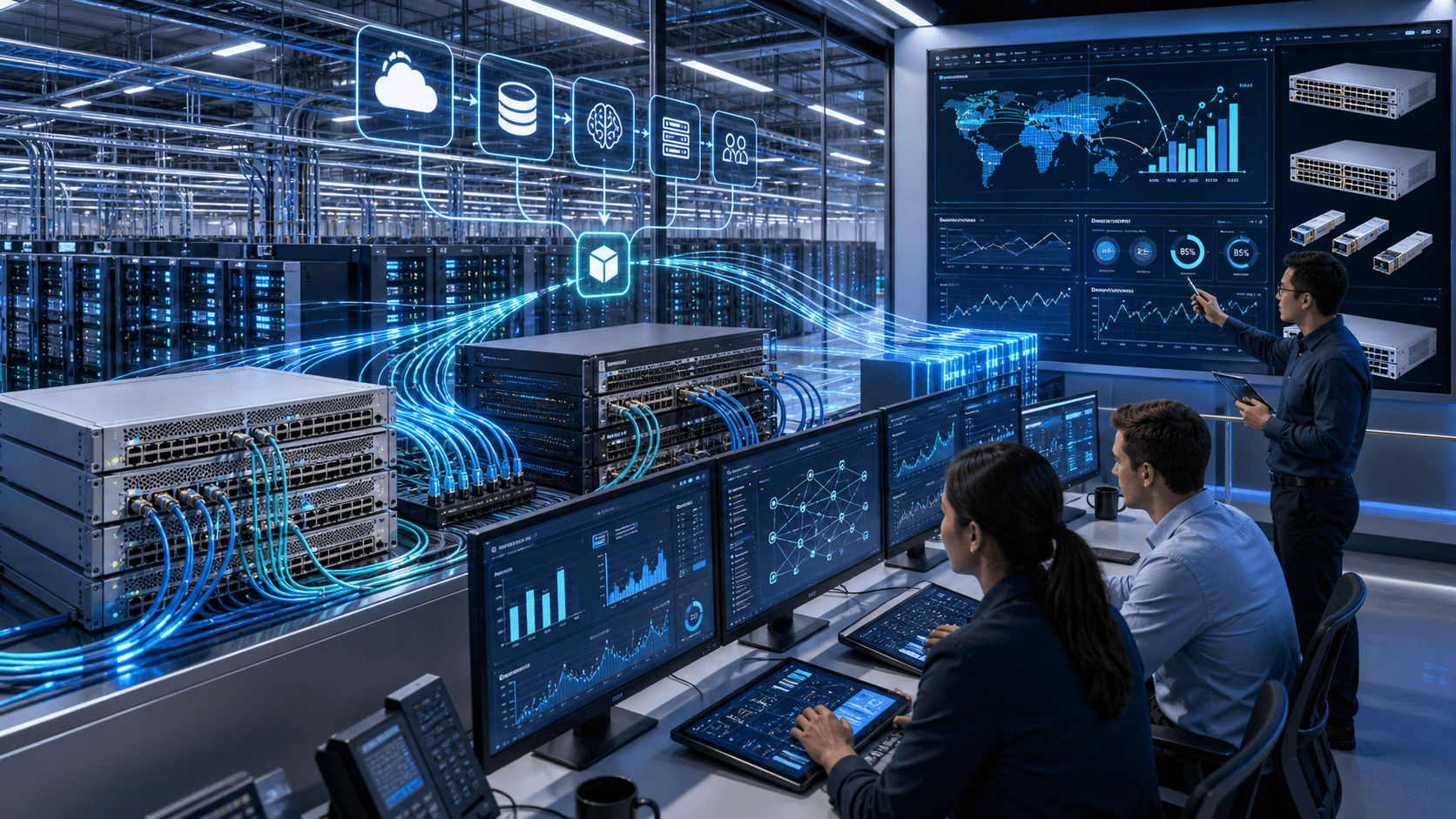
Cisco's raised AI order forecast shows hyperscaler demand is turning networking fabric into a central AI infrastructure constraint.
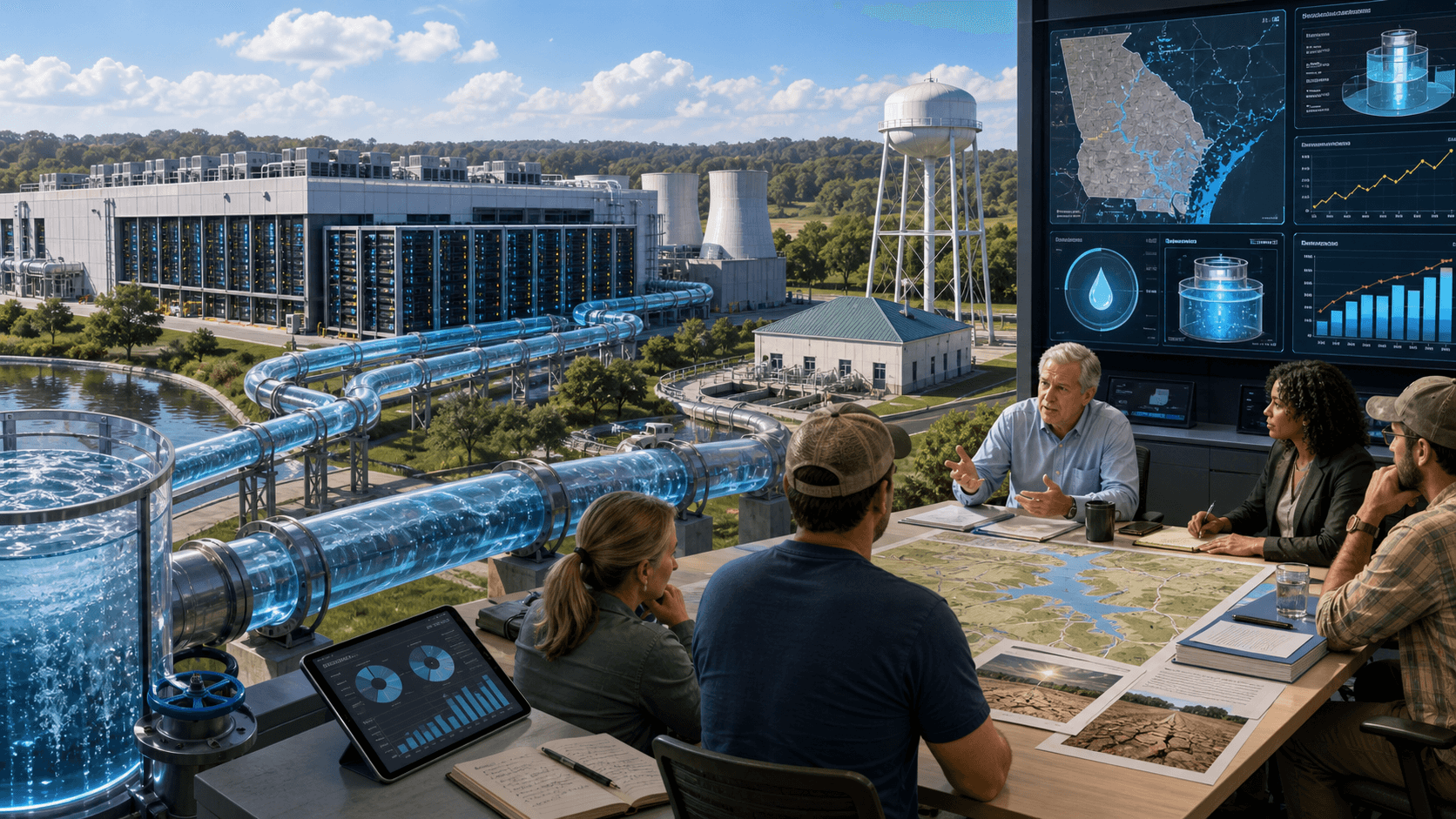
A Georgia data-center water dispute shows why AI infrastructure must make local utility impacts visible before trust collapses.
Anthropic is reportedly weighing funding at a valuation above USD 900B, exposing the capital demands behind enterprise AI growth.
Court disclosures around Microsoft's OpenAI spending reveal how frontier AI partnerships turn cloud infrastructure into balance-sheet strategy.
Court scrutiny of Sam Altman's outside stakes shows why frontier AI governance now has to account for capital networks.
OpenAI's Daybreak cyber platform intensifies the race to turn frontier models into controlled security infrastructure.
Ramp's AI Index shows Anthropic edging past OpenAI in paid business adoption, signaling a shift in enterprise AI demand.
Wirestock's Series A shows multimodal training data is becoming a supply-chain layer for foundation AI labs.
Cerebras priced its IPO above range, testing public investor appetite for wafer-scale AI chips and inference infrastructure.
US and Chinese officials are discussing AI guardrails for powerful models, making frontier AI a diplomatic security issue.
Fresh analyst target hikes for Nvidia, AMD, Broadcom, Dell, and others show investor focus moving toward agentic AI infrastructure demand.
Anthropic is reportedly in talks to buy Stainless, showing how SDKs and API tooling are becoming strategic infrastructure for AI agents.
Google's Android Show and I/O previews point to a developer platform shift where Gemini-powered agents become product infrastructure.
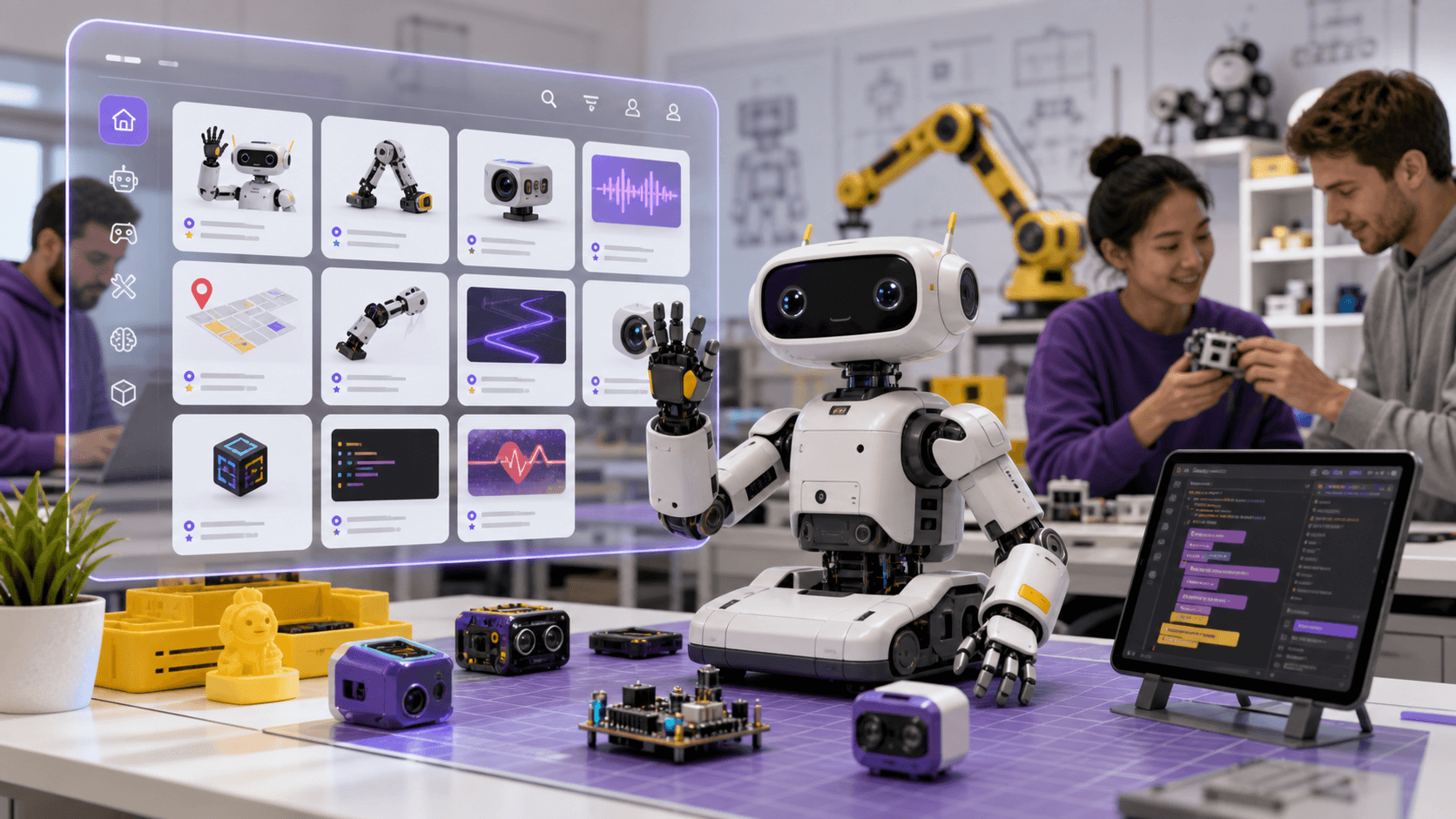
Hugging Face's Reachy Mini app store suggests the next AI platform fight may move from chat windows into small robots.
Reported White House infighting over AI executive action shows how safety testing, procurement, and national security are colliding.
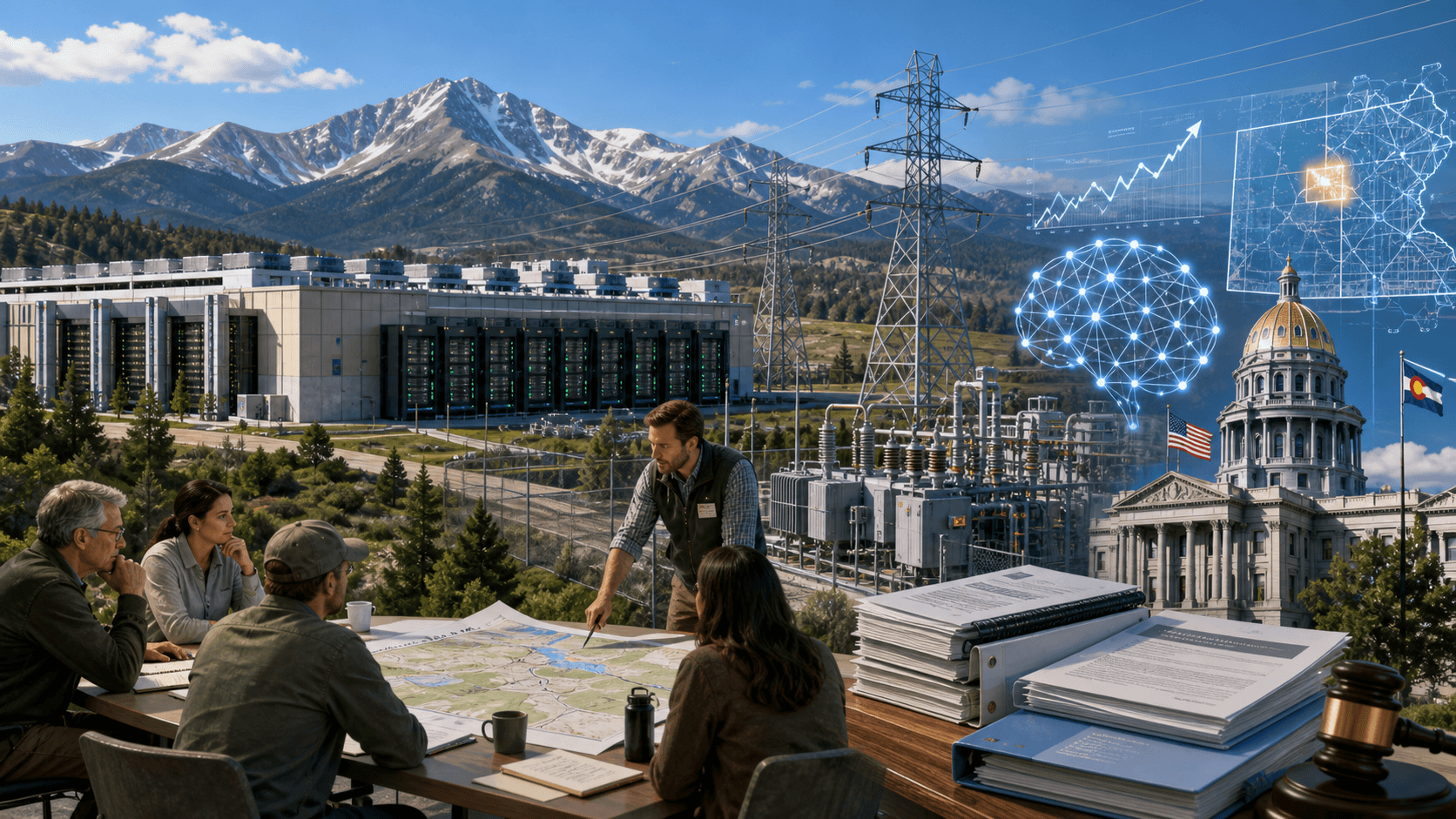
Colorado lawmakers killed a data-center regulation push, leaving the AI power boom to collide with local energy and water concerns.
Isomorphic Labs raised $2.1B to scale its AI drug design engine and move therapeutic programs toward clinical reality.
CME and Silicon Data plan compute futures tied to GPU rental benchmarks, turning AI infrastructure cost into a financial market.
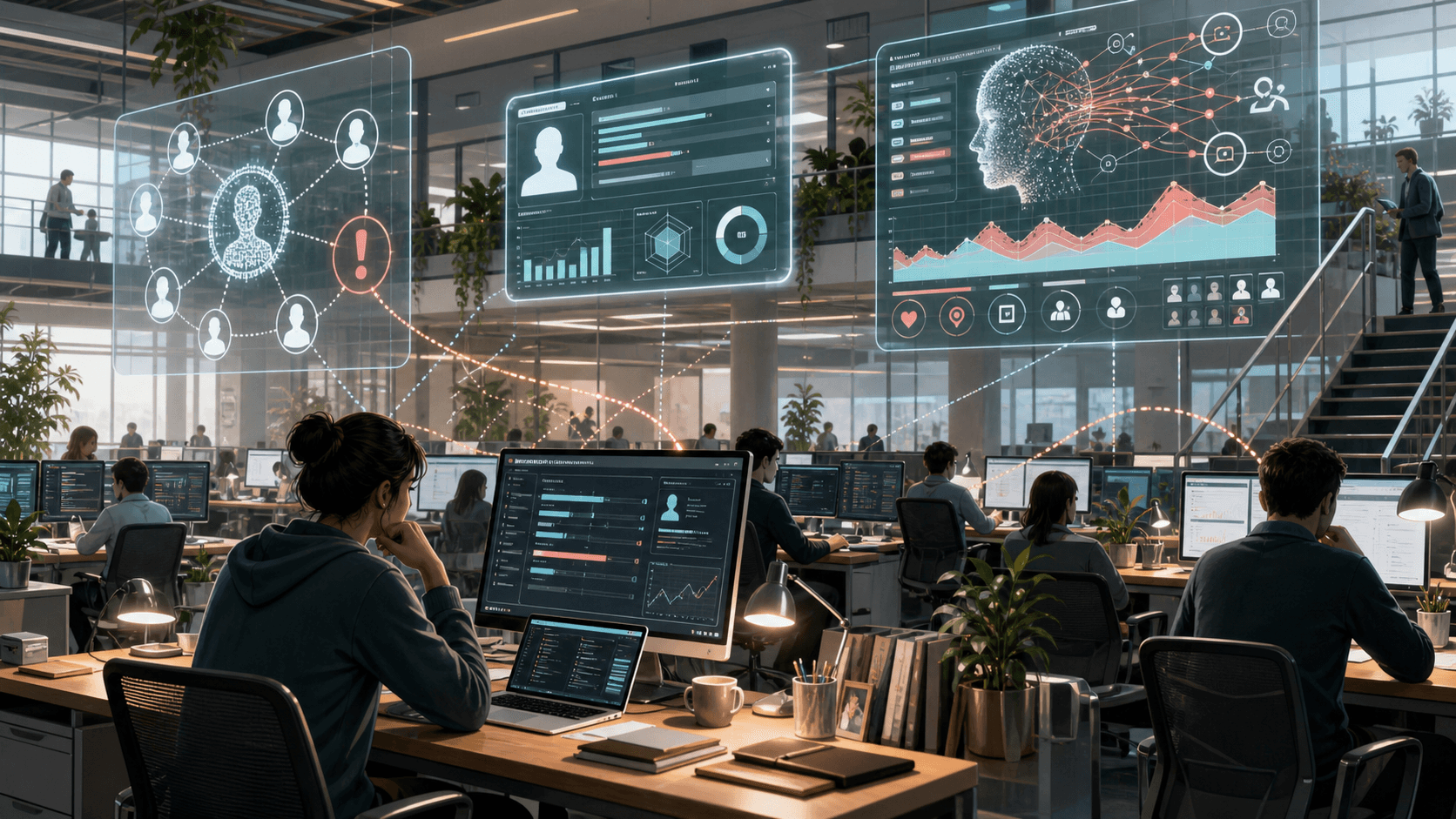
Reports of Meta employee unrest over AI monitoring show why workforce transformation fails when trust becomes an afterthought.
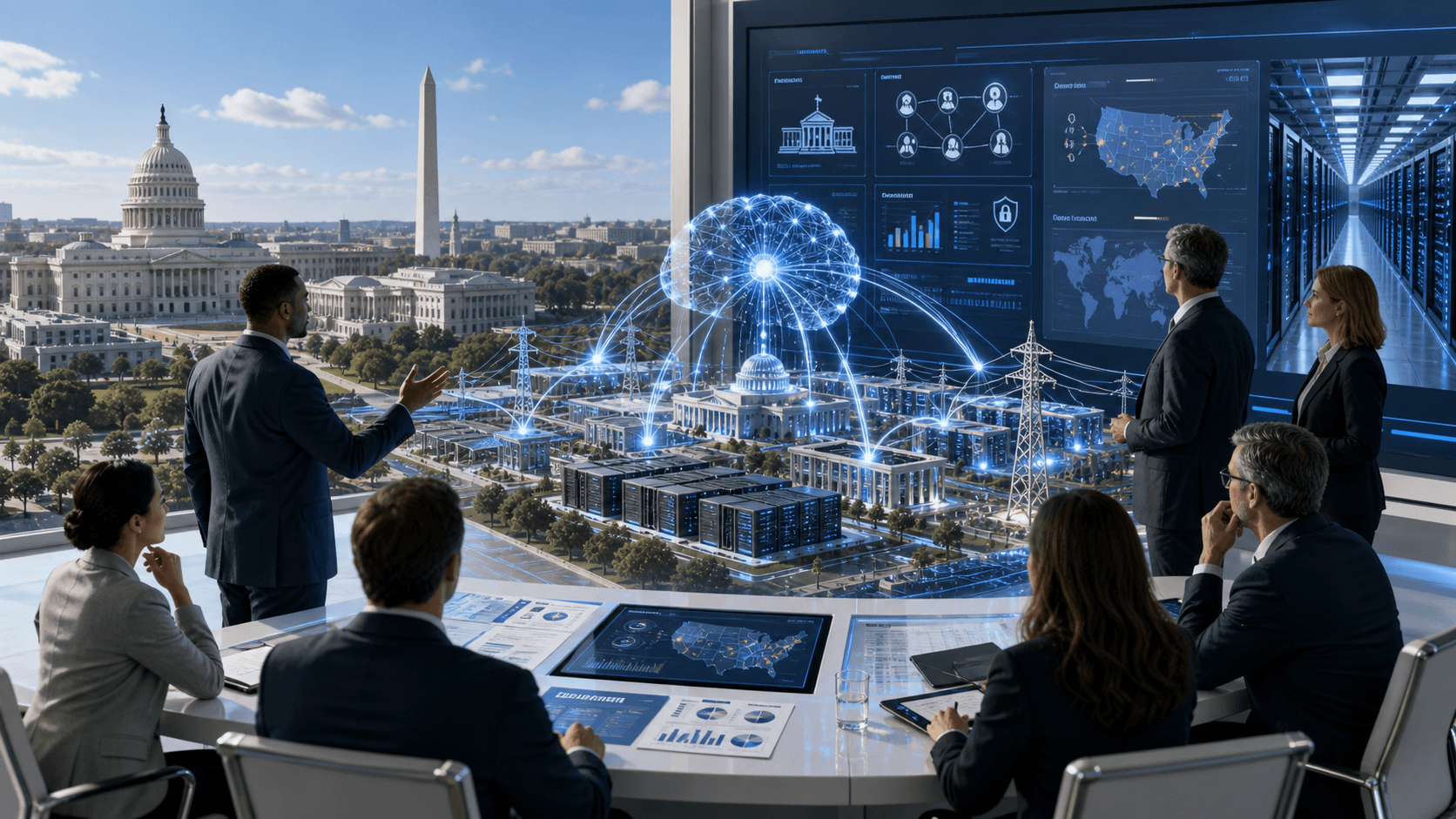
OpenAI's Chris Lehane is framing AI as an intelligence utility, raising harder questions for government and business operating models.
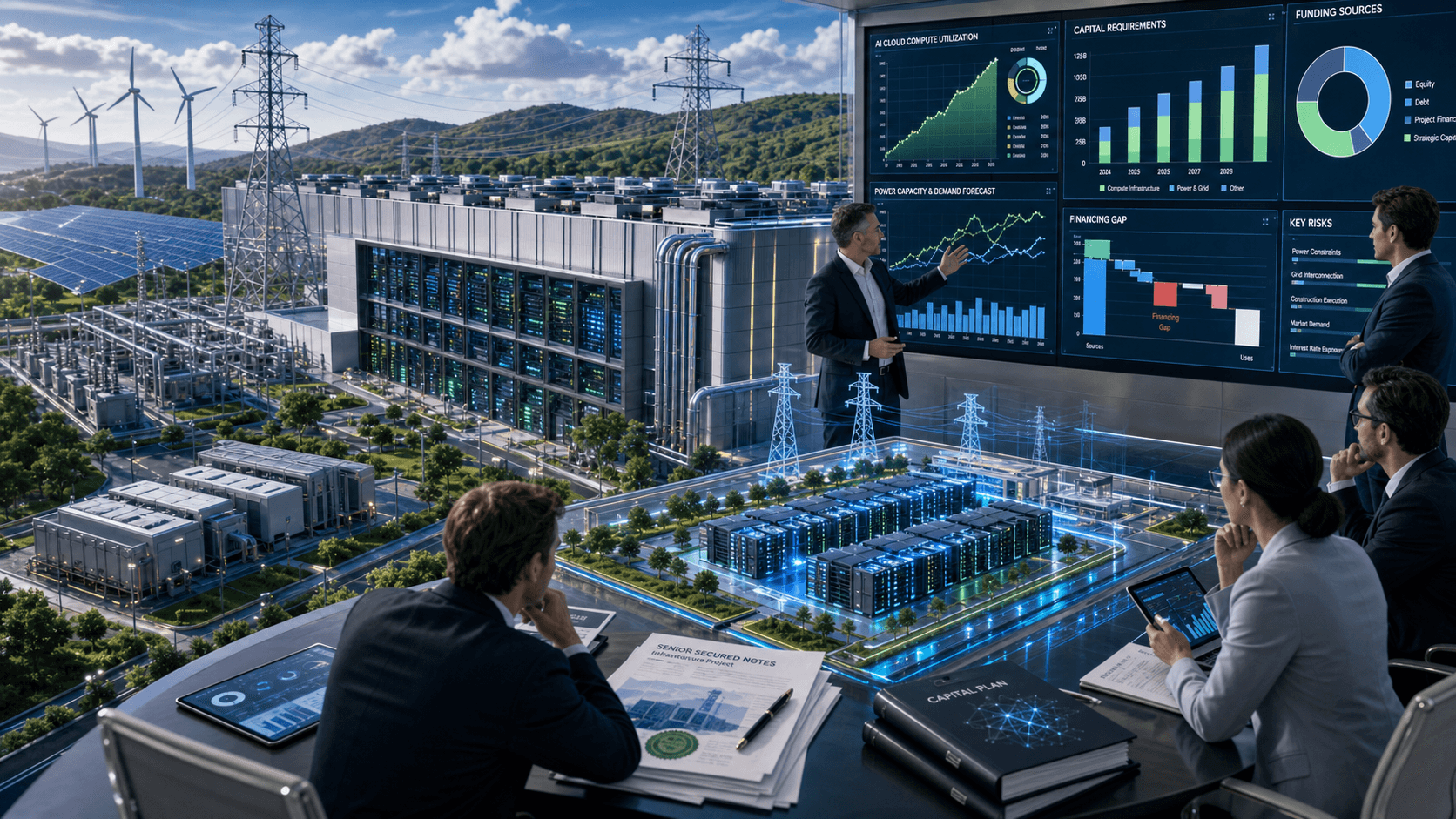
IREN's AI infrastructure volatility shows that GPU demand is real, but financing, power, and execution risk still decide winners.
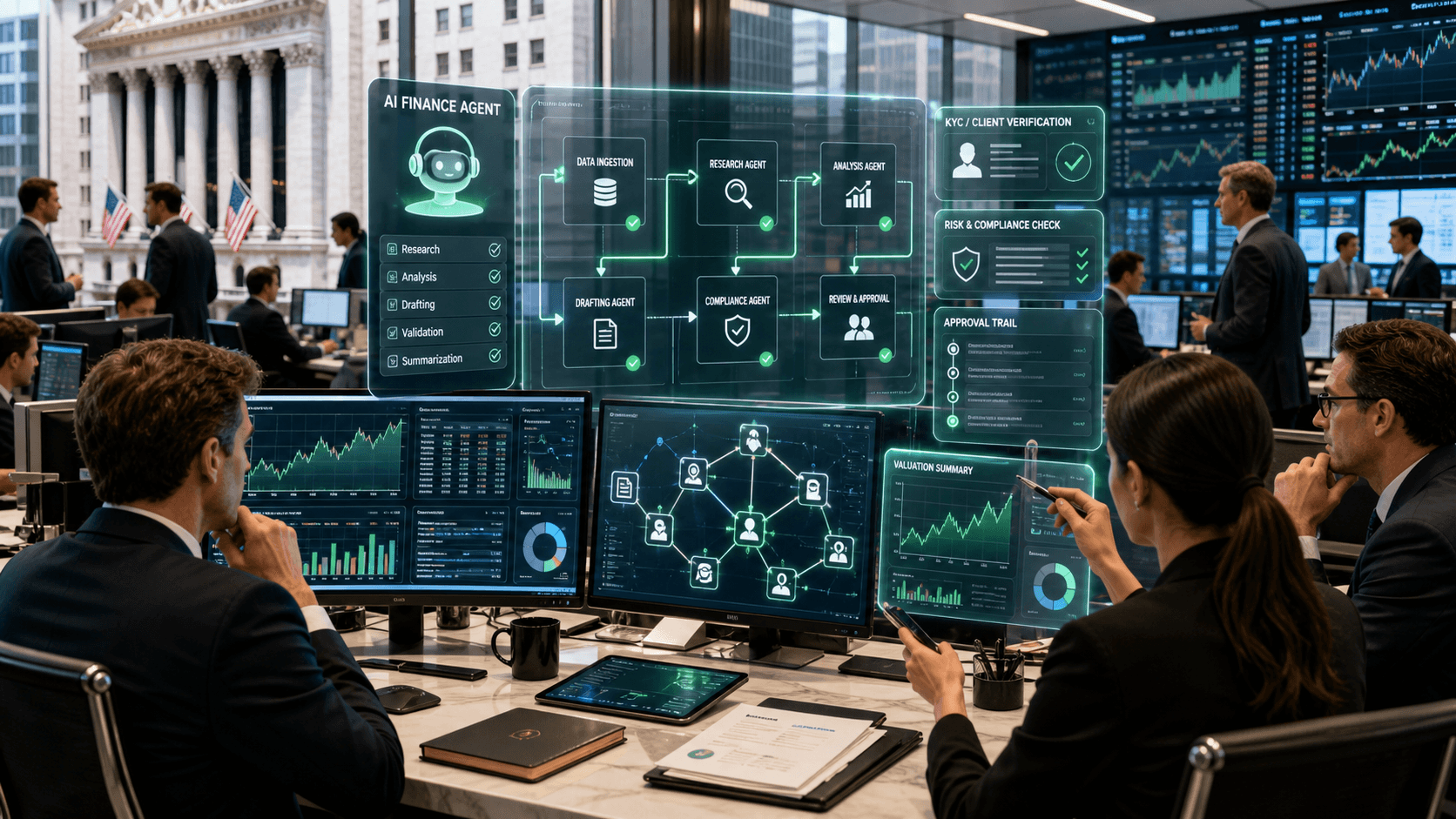
Anthropic's financial services agent push shows banks want AI inside controlled workflows, not just chat windows.

EU officials are exploring AI Act simplification as companies warn that complex rules could slow adoption without improving trust.
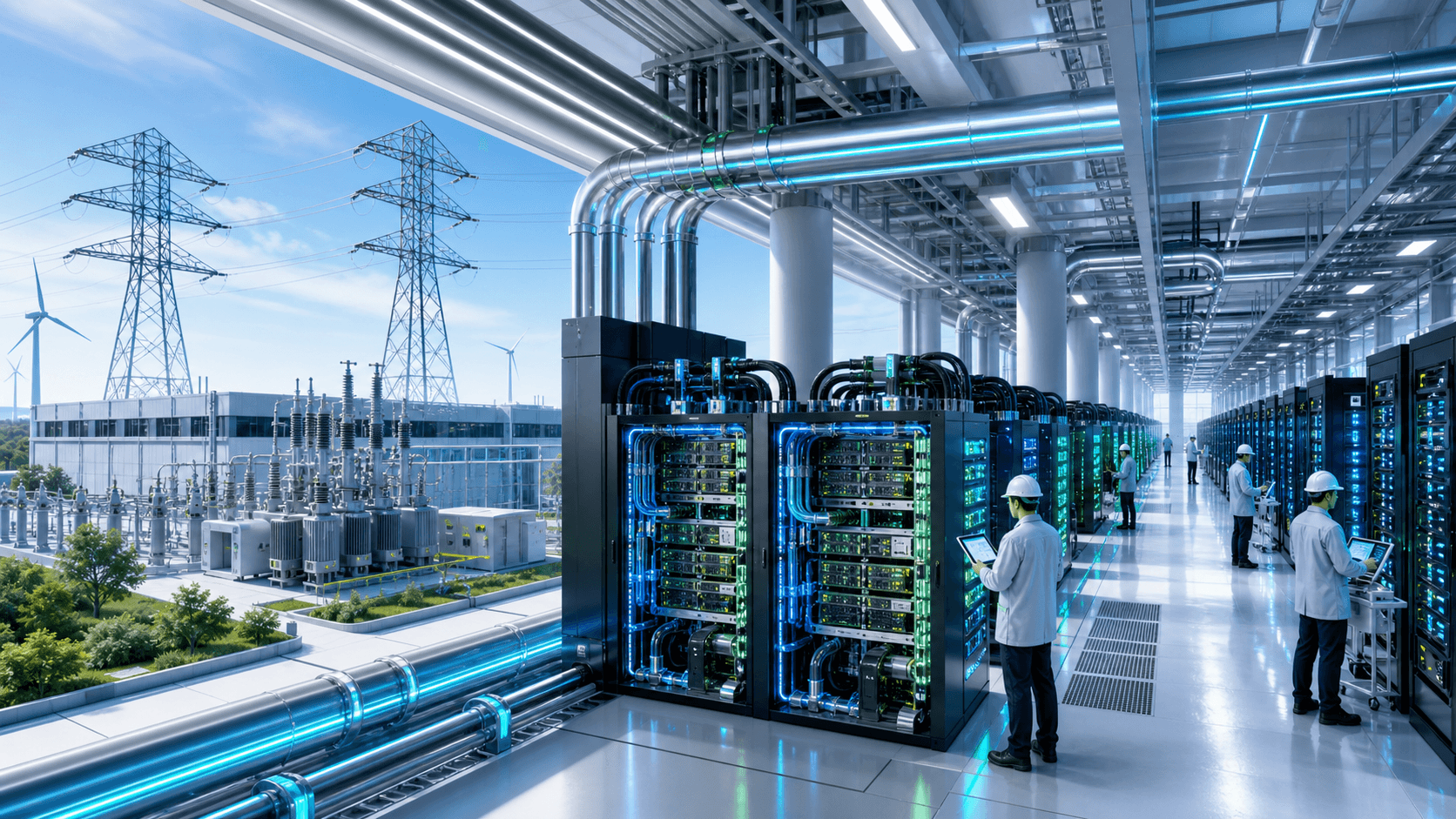
Amazon's reported Titus data-center effort highlights how power, cooling, and rack design now shape AI competition.
Google's latest threat reporting shows AI moving from phishing support into vulnerability discovery and exploit workflows.
Microsoft Agent 365 pushes enterprises toward inventory, identity, and policy controls for AI agents across clouds.
Nvidia's reported IREN cloud deal points to a new AI infrastructure market built around power, options, and secured demand.
OpenAI Daybreak pushes Codex Security into vulnerability review, patch validation, and trusted cyber workflows.
OpenAI's new realtime voice models bring reasoning, translation, and streaming transcription into production voice agents.
A reported U.S. tech delegation to China puts AI chips, model reviews, and national security policy into the same frame.
OpenAI's expansion of Trusted Access for Cyber with GPT-5.5 and GPT-5.5-Cyber shows how verified access, safety controls, and defender tooling are redefining the cyber market.
Anthropic introduced Natural Language Autoencoders, a research direction for translating Claude activations into readable explanations.
Anthropic donated Petri, its open-source alignment testing tool, signaling that simulated model audits are becoming shared AI safety infrastructure.
Google DeepMind shared AlphaEvolve impact work, showing how a Gemini-powered coding agent can optimize algorithms across science and infrastructure.
NVIDIA and Corning announced a long-term optical connectivity partnership, making fiber capacity part of the AI factory race.
OpenAI’s DeployCo points to a new enterprise services layer, where deployment, workflow design, and measurable business impact matter as much as model capability.
OpenAI is rolling out GPT-5.5-Cyber through Trusted Access for Cyber, making identity and safeguards central to advanced AI security work.
OpenAI's MRC announcement signals that the next bottleneck in frontier AI is not just compute, but the reliability and topology of the networks that move training traffic at massive scale.
OpenAI's latest Codex safety framing shows how sandboxing, approvals, network policies, and telemetry are turning coding agents into production systems.

OpenAI's latest enterprise guidance shows how AI adoption is shifting from pilots to governed operating models built on trust, workflow design, and quality at scale.
Google DeepMind and Fenris Creations are using EVE Online as a controlled AI research environment for planning, memory, and complex behavior.

ElevenLabs says it passed 500 million dollars in ARR, showing how voice AI is moving into customer support, sales, media, and enterprise agents.
Ineffable Intelligence raised 1.1 billion dollars to pursue reinforcement-learning systems that can learn beyond human-generated data.
Mistral Workflows brings durable execution to enterprise AI, showing why reliable orchestration now matters as much as model quality.
Temporal serverless workers and workflow streams highlight the infrastructure layer enterprises need for reliable long-running AI agents.

Anthropic introduced finance and insurance agent templates for Claude, showing how frontier labs are packaging AI for regulated workflows.

Cerebras is reportedly targeting a valuation up to $26.6 billion, giving public investors a sharper test of AI chip demand beyond Nvidia.

Panthalassa raised $140 million to build wave-powered AI inference nodes at sea, a sign of how far the compute bottleneck is pushing infrastructure.

A federal judge let key copyright claims against Nvidia proceed, keeping training-data risk close to the AI infrastructure boom.

Google is reportedly testing Remy, a Gemini-based personal agent that could push AI assistants from chat into proactive daily workflow.
Nutanix's agentic AI push highlights the infrastructure, governance, Kubernetes, and cost controls enterprises need for production AI agents.
French startup Genesis AI unveiled a robotics model and human-like hand, showing Europe's push into adaptable physical AI systems.
Sierra's new funding round and valuation show how customer-service agents are moving from demo category to enterprise platform fight.
Google DeepMind added multimodal retrieval, metadata filtering, and page-level citations to Gemini API File Search.
Anthropic's dreaming preview and SpaceX compute deal show how agent memory, self-improvement, and infrastructure are converging.
CAISI found DeepSeek V4 Pro is China's strongest evaluated model but still about eight months behind the U.S. frontier on aggregate tests.
Intel hired Qualcomm veteran Alex Katouzian to lead Client Computing and Physical AI, signaling a wider shift beyond traditional PCs.

A Chinese court said companies cannot fire workers solely because AI can replace them, creating an early legal signal for AI labor disputes.
Coinbase is cutting about 14 percent of staff while framing AI-native teams as a new operating model for faster execution.
Micron and Samsung rallies show how AI memory demand is reshaping data centers, consumer devices, and semiconductor economics.
Google's April AI updates connect Gemini Enterprise agents, Gemma 4, chips, Vids, Colab, and Deep Research into one stack.
China's move to block Meta's Manus AI deal shows how autonomous-agent startups are becoming national technology assets.
Huawei's expected AI chip gains in China show how export controls are pushing inference hardware, software, and sovereignty together.
China's new campaign against disorder in AI apps highlights filing, security review, training data, and labeling as control points.
EU outreach to Anthropic over Mythos turns frontier AI safety into a live cybersecurity and banking resilience question.
Meta reportedly acquired Assured Robot Intelligence, adding humanoid robotics expertise as AI labs push from chat into physical systems.
xAI shipped Grok 4.3 and a fast voice-cloning suite, using low pricing and media generation to pressure larger AI labs.
OpenAI is reportedly building a multibillion-dollar enterprise AI deployment vehicle with private-equity backers.
Microsoft is framing AI adoption around four modes of human-agent work: author, editor, director, and orchestrator.
CAISI is reportedly expanding pre-deployment testing with Google DeepMind, Microsoft, and xAI, making frontier model release governance harder to ignore.
U.S. officials are reportedly escalating claims that Chinese AI firms used distillation to replicate American frontier model capability.
Meta’s Q1 2026 results raised capex guidance to $125B-$145B as AI infrastructure becomes the company’s main strategic bet.
IBM’s watsonx Orchestrate eCommerce pilot packages partner-built AI agents with procurement, governance, and workflow orchestration.
Google is rolling Gemini into cars with Google built-in, while GM prepares OTA updates for roughly 4 million vehicles.
Anthropic is reportedly nearing a $1.5B Wall Street joint venture to sell AI tools into private-equity-backed companies.
NIST’s AI RMF critical infrastructure concept note gives utilities and operators an early map for trustworthy AI risk management.
Anthropic’s Claude Security public beta gives enterprise teams AI-assisted code scanning, validation, and patch workflows powered by Opus 4.7.
ServiceNow and Google Cloud’s AI agent partnership brings A2A, A2UI, MCP, governance, and workflow execution into one enterprise story.
Meta’s plan to add tens of millions of AWS Graviton cores reframes agentic AI infrastructure beyond GPUs and training clusters.
The Pentagon’s classified AI agreements show how frontier models are moving from demos into defense networks with unresolved governance stakes.
NVIDIA Ising open AI models target quantum calibration and error correction, positioning AI as the control layer for practical quantum computing.
Google DeepMind announced an AI co-clinician research initiative for AI-augmented care, aiming to amplify doctors rather than replace them.
Anthropic released Claude connectors for Adobe, Blender, Autodesk Fusion, Ableton, Splice, and other creative tools, turning Claude into a production-side agent.
OpenAI models, Codex, and Managed Agents are entering Amazon Bedrock in limited preview, changing enterprise AI procurement and governance.
OpenAI Advanced Account Security brings passkeys, hardware keys, stricter recovery, and training exclusion to ChatGPT and Codex accounts.

Colorado's proposed AI Act revision shifts from regulating high-risk systems to regulating high-risk decisions. The change could set the template for the entire US approach to AI governance.

OpenAI's GPT-5.5 'Spud' redefines the frontier as a worker-class model built for autonomous task completion. Benchmarks reveal a neck-and-neck battle with Claude Opus 4.7 across agentic workloads.

The Pentagon signed AI agreements with OpenAI, Google, NVIDIA, and four others for classified military networks. Anthropic was ejected after refusing to drop its prohibition on autonomous lethal weapons.

The pharmaceutical industry is undergoing an AI-native transformation. We explore how predictive toxicology and multi-omics are accelerating drug discovery and chemical safety in 2026.

Google DeepMind's TurboQuant breakthrough at ICLR 2026 promises to solve the KV cache bottleneck. We analyze the math behind cognitive density and inference optimization.

Anthropic's Project Glasswing restricts access to its most powerful model, Claude Mythos, for cybersecurity defense. We explore the 'Dual-Use' dilemma of 2026.

DeepSeek's V4 Pro release marks a turning point in model efficiency. We dive deep into the 1.6-trillion parameter MoE architecture, Hybrid Attention, and the Muon Optimizer.
In the spring of 2026, the hype of Agentic AI has hit a wall of organizational reality. We explore the governance, data, and evaluation gaps preventing the 90% from reaching production.

A deep dive into the $100 billion, 5-gigawatt deal between Amazon and Anthropic. We analyze the shift to custom silicon, the nuclear energy strategies powering 2026's AI hubs, and the race for compute sovereignty.

A technical deep dive into Google DeepMind's Decoupled DiLoCo. Learn how this new asynchronous training architecture enables resilient, distributed AI training across the globe, powering the next wave of autonomous agents.

Analyzing Google DeepMind's landmark contract with the DoD and the internal dissent it sparked. We explore the ethics of autonomous systems, Project Maven 2.0, and the debate over machine consciousness.

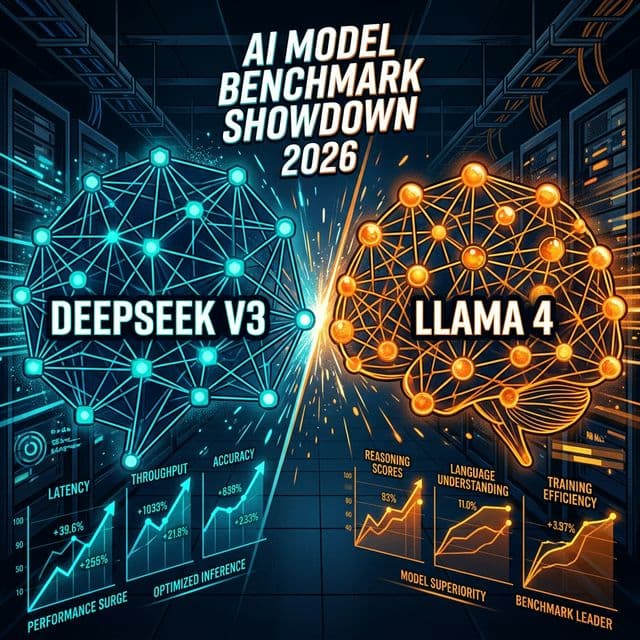
A comprehensive analysis of the late April 2026 model releases. We compare GPT-5.5's agentic dominance, Claude 4.7's reasoning prowess, and DeepSeek-V4's hardware-fused disruption on Huawei silicon.
Explore the massive shift from reactive chatbots to autonomous agentic workflows in 2026. A deep dive into enterprise adoption, ROI metrics, and the technical architecture of the new digital baseline.
A comprehensive deep-dive into the enterprise transition toward persistent AI agents, shifting from SEO to AEO, and addressing Shadow AI risks in the modern workforce.
An extensive review of digital privacy mandates, the EU AI Omnibus package, US federal activity, and the enterprise struggle to govern pervasive localized AI implementations.
A strategic analysis of the integration of autonomous logic into defense logistics, combat networking, and the economic implications of robotic and autonomous systems (RAS).
An analytical breakdown of the April 2026 AI release avalanche, detailing the architecture of GPT-5.5, Claude's defensive pivot, and the rising necessity of multi-model routing.

A deeply technical architectural exploration of Google's dual-architecture TPU 8 series, the 121-exaflop superpods, and the coopetitive integration of NVIDIA's Vera Rubin.

Google DeepMind's 'Decoupled DiLoCo' allows for model training across heterogeneous hardware, ending the dependency on massive, uniform superclusters.

As autonomous agents dominate the enterprise, the A2A (Agent-to-Agent) Protocol emerges to standardize how digital workers collaborate.
Anthropic launches the 'Claude Alignment Harness,' a revolutionary framework for balancing extreme model capability with safety and performance.
With a 1M token context window and adaptive sparse architecture, DeepSeek V4 redefines large model economics under extreme hardware constraints.
With a 1M token context window and adaptive sparse architecture, DeepSeek V4 redefines large model economics under extreme hardware constraints.
Isomorphic Labs enters human clinical trials, marking a historic shift from AI-assisted drug discovery to autonomous biological design.
Google Research's TurboQuant has arrived to solve the KV cache bottleneck. Learn how randomized transitions and error correction are enabling 1M+ token contexts on commodity hardware.
The 'bigger is better' era of AI is dead. In 2026, the industry has shifted toward 'Cognitive Density'—maximizing intelligence per parameter to enable true agentic efficiency.
In a rare move of solidarity, OpenAI, Anthropic, and Google have joined forces to combat 'Adversarial Distillation'. Explore the technical battlefront of the 2026 AI intellectual property war.
DeepSeek-V4-Pro and V4-Flash have arrived, challenging the closed-source dominance with a 1.6T MoE architecture and native 1M context. Discover why this is the new gold standard for open-weights agentic AI.
OpenAI's newest model, GPT-5.5 (Spud), marks the definitive transition from chatbots to autonomous enterprise agents. Explore the architecture, computer-use accuracy, and the shift toward reliable reasoning.
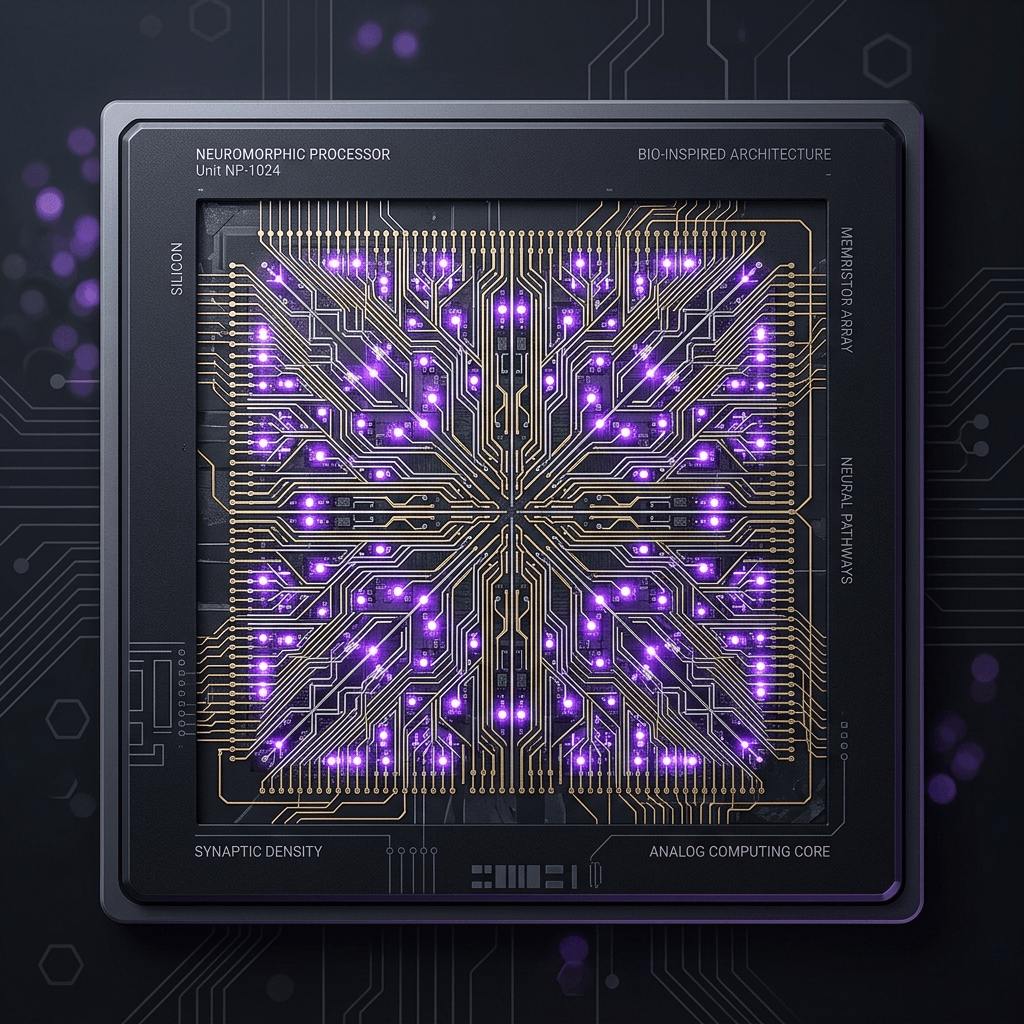
Tesla has silently made a $2B hardware acquisition, while Cambridge researchers have unveiled a neuromorphic chip that could end NVIDIA’s GPU monopoly.
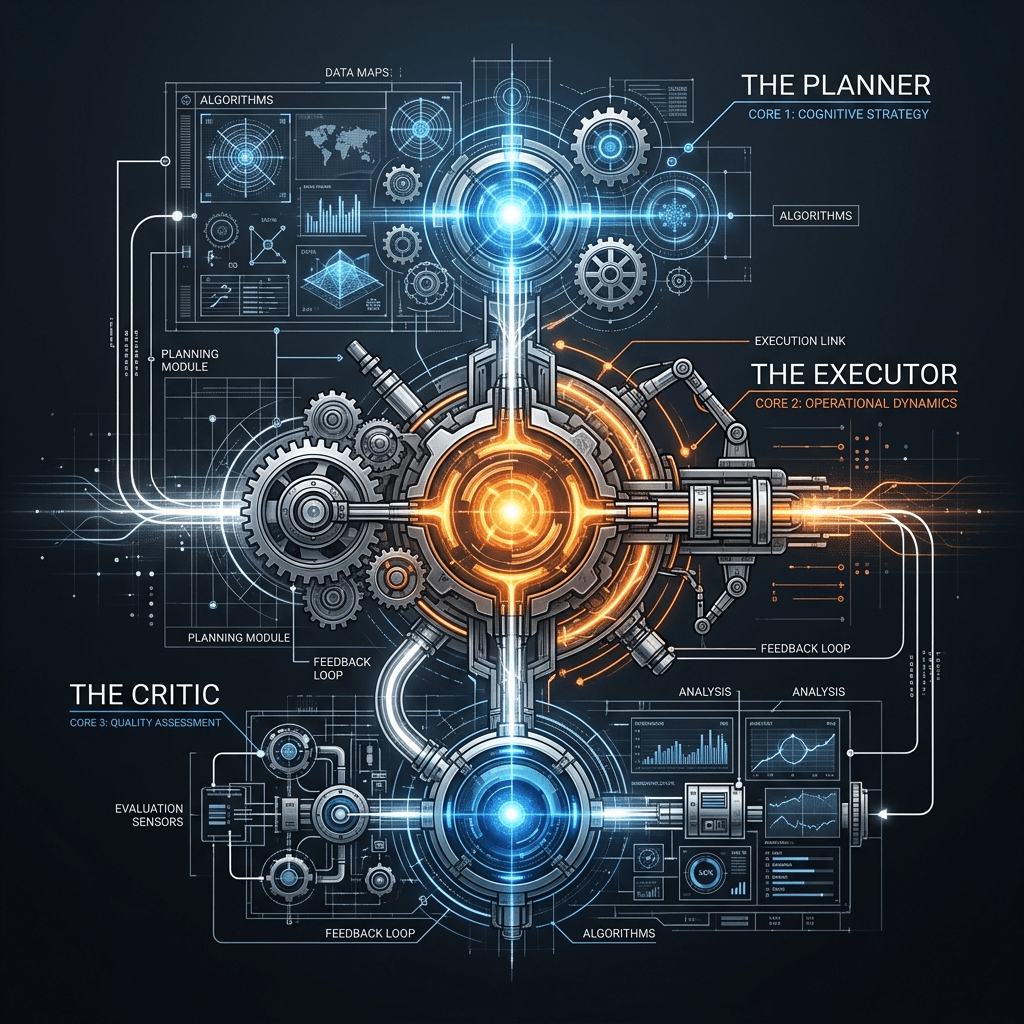
In 2026, the 'Prompt' is obsolete. Leading enterprises have moved to 'Stateful Agency,' where agents manage multi-week goals autonomously.
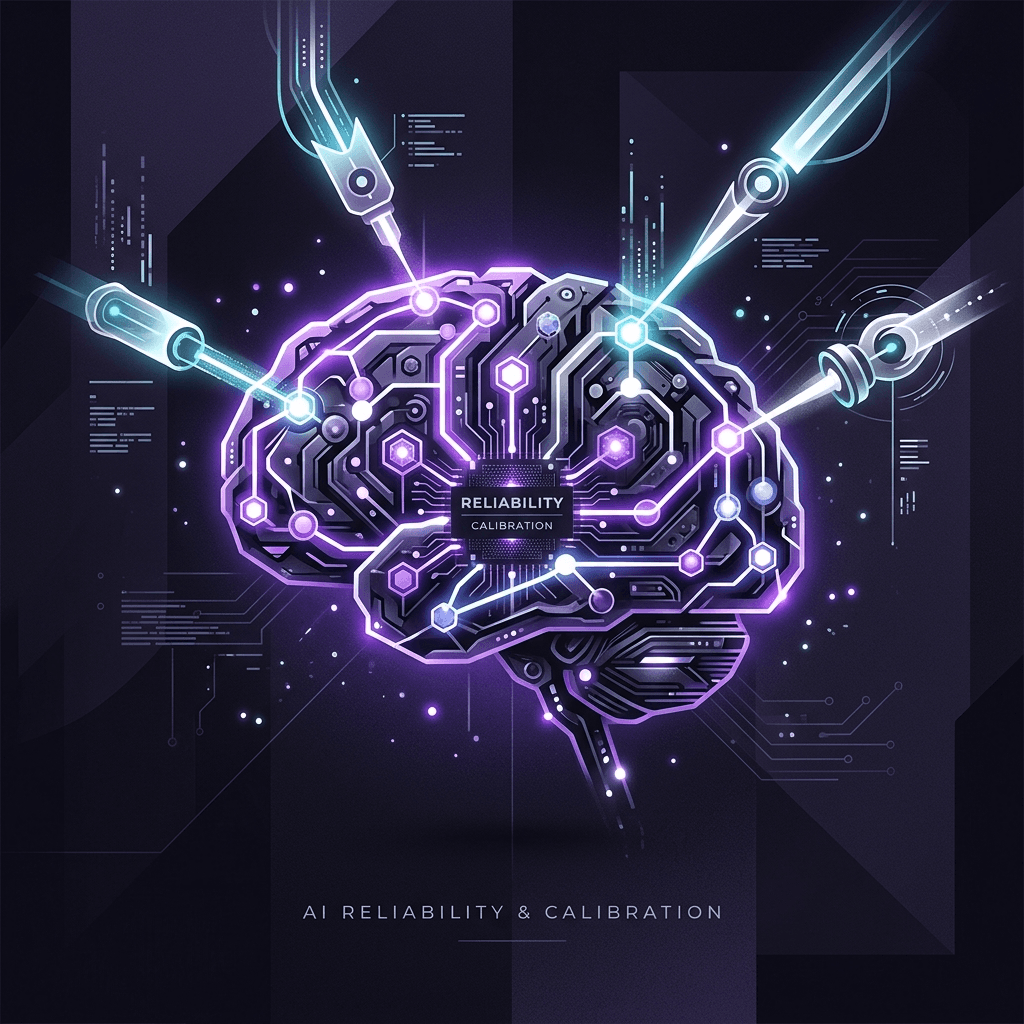
MIT researchers have finally cracked the code of AI reliability. Their new 'Reinforcement Learning with Calibration Rewards' (RLCR) reduces hallucinations by over 90%.

OpenAI has released GPT-5.5 Pro with native computer use, but Anthropic’s secret 'Claude Mythos' and its 'Project Glasswing' gated preview are the real talk of 2026.
Google Cloud and Merck’s $1.75B partnership signals the end of AI experimentation and the beginning of a trillion-dollar agentic industrial revolution.
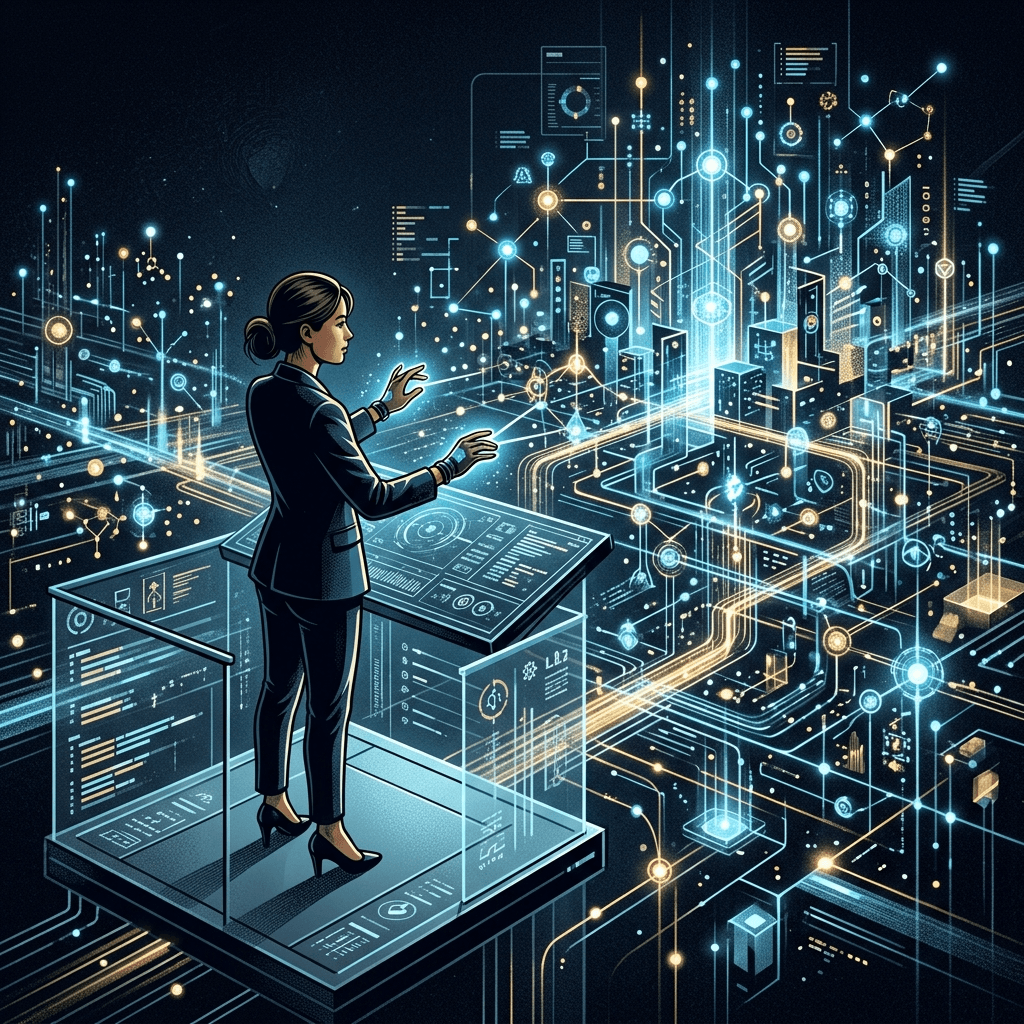
In 2026, the world’s most elite developers have stopped writing code. Instead, they lead 'Swarms' of agentic AI to build systems at 100x the speed of human teams.
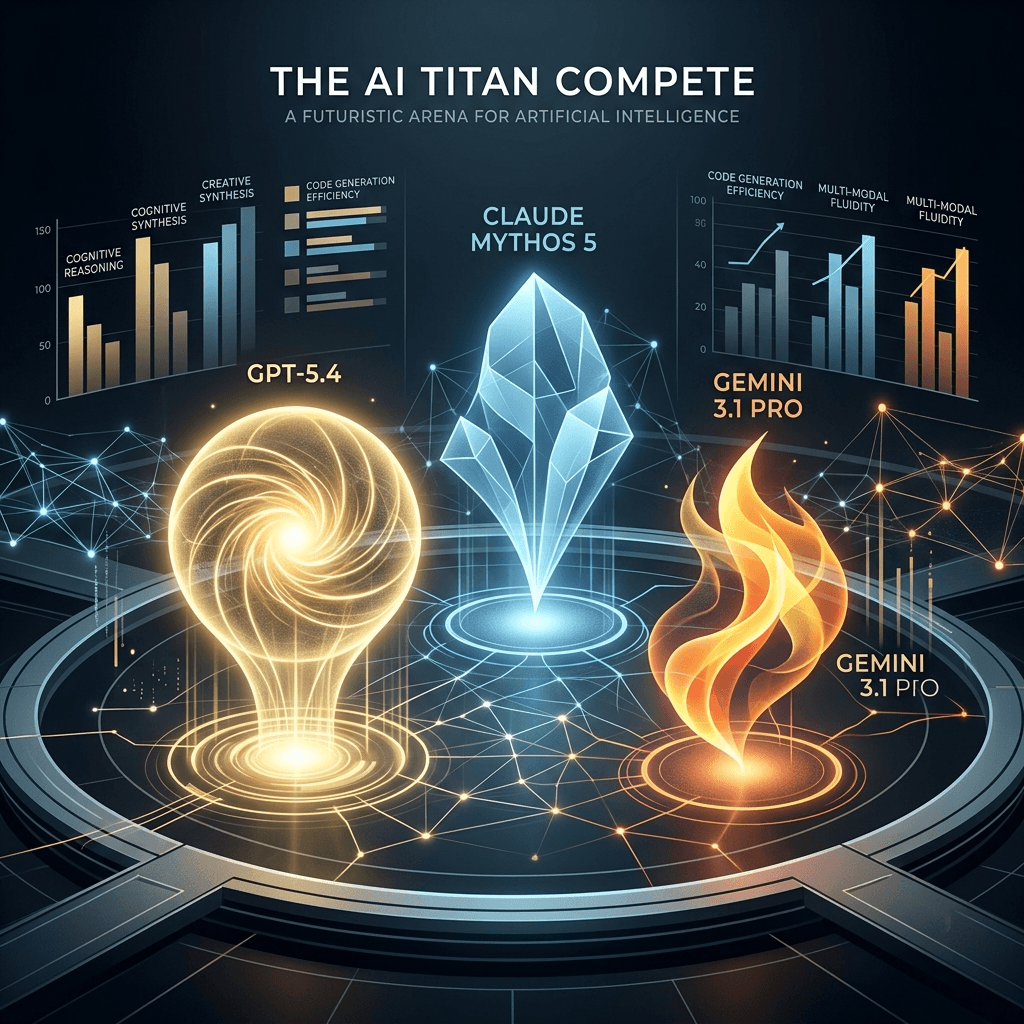
With the release of GPT-5.4, Claude Mythos 5, and Gemini 3.1 Pro, the artificial intelligence industry has officially crossed the threshold of human-expert parity across all major professional domains.
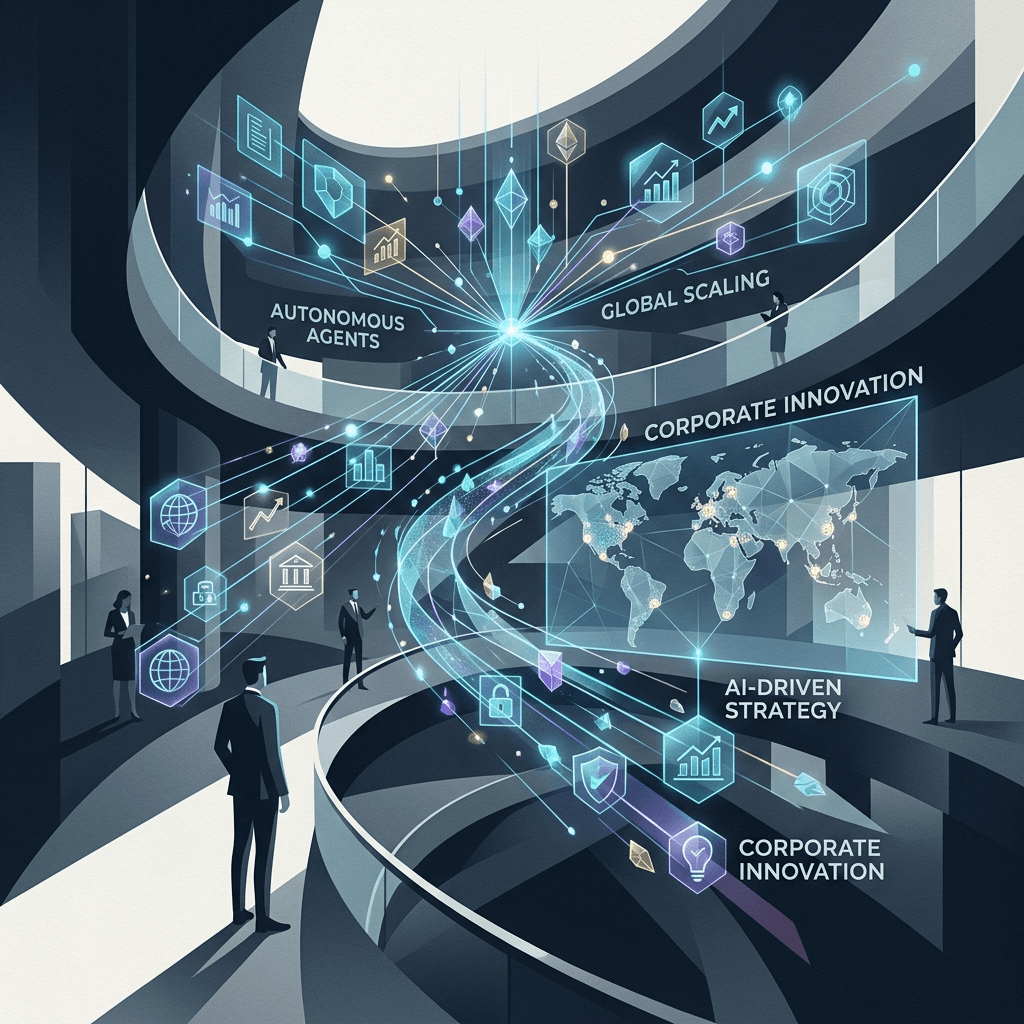
In 2026, the AI hype cycle has finalized its transition from chat interfaces to autonomous agentic workflows, with 79% of enterprises now running production agents.

Q1 2026 has shattered every record in venture capital history, as $242 billion floods into AI infrastructure, triggering a global race for sovereign compute and energy independence.

In 2026, the corporate ladder has been compressed into a 'Command and Swarm' architecture, as autonomous agents take over the management of end-to-end business objectives.

In 2026, the AI industry has turned away from massive parameter counts in favor of 'Cognitive Density'—achieving frontier reasoning with 1-bit precision and extreme efficiency.

As non-human identities outnumber humans 100-to-1, the 'Identity Firewall' has emerged as the critical defense against AI-driven persona swarms and hyper-realistic social engineering.

Explore how the Model Context Protocol (MCP) has become the universal standard for AI interoperability in 2026, enabling a seamless ecosystem of autonomous agents.
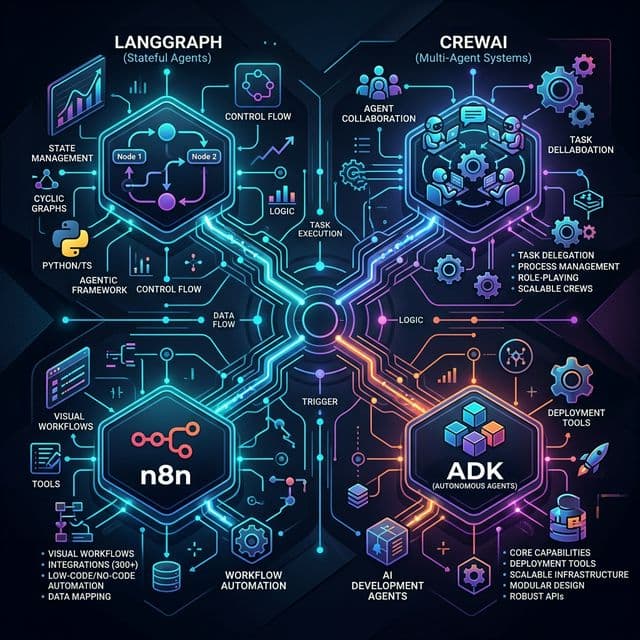
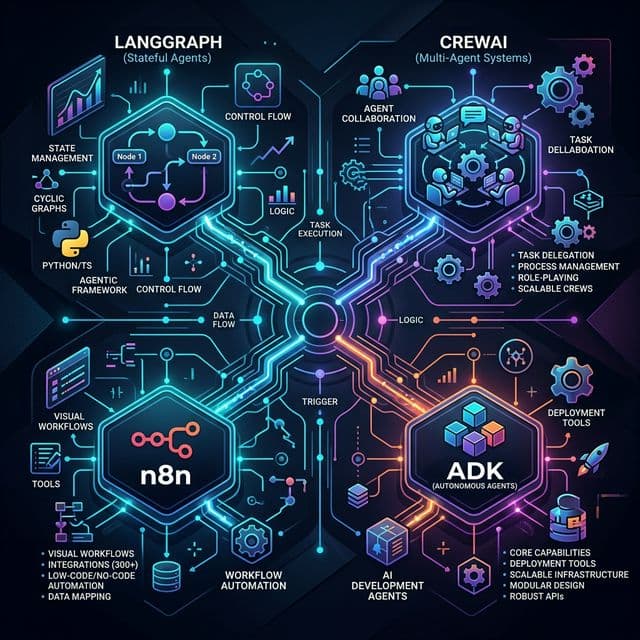
A deep comparative analysis of the leading Python agent frameworks—Agno, LangGraph, CrewAI, and Strands—for developers building production-grade autonomous systems.

SpaceX acquired xAI for $250 billion, forming a $1.25 trillion vertically integrated AI-space empire. Now they want to put data centers in space. Deep analysis of the merger and its implications.
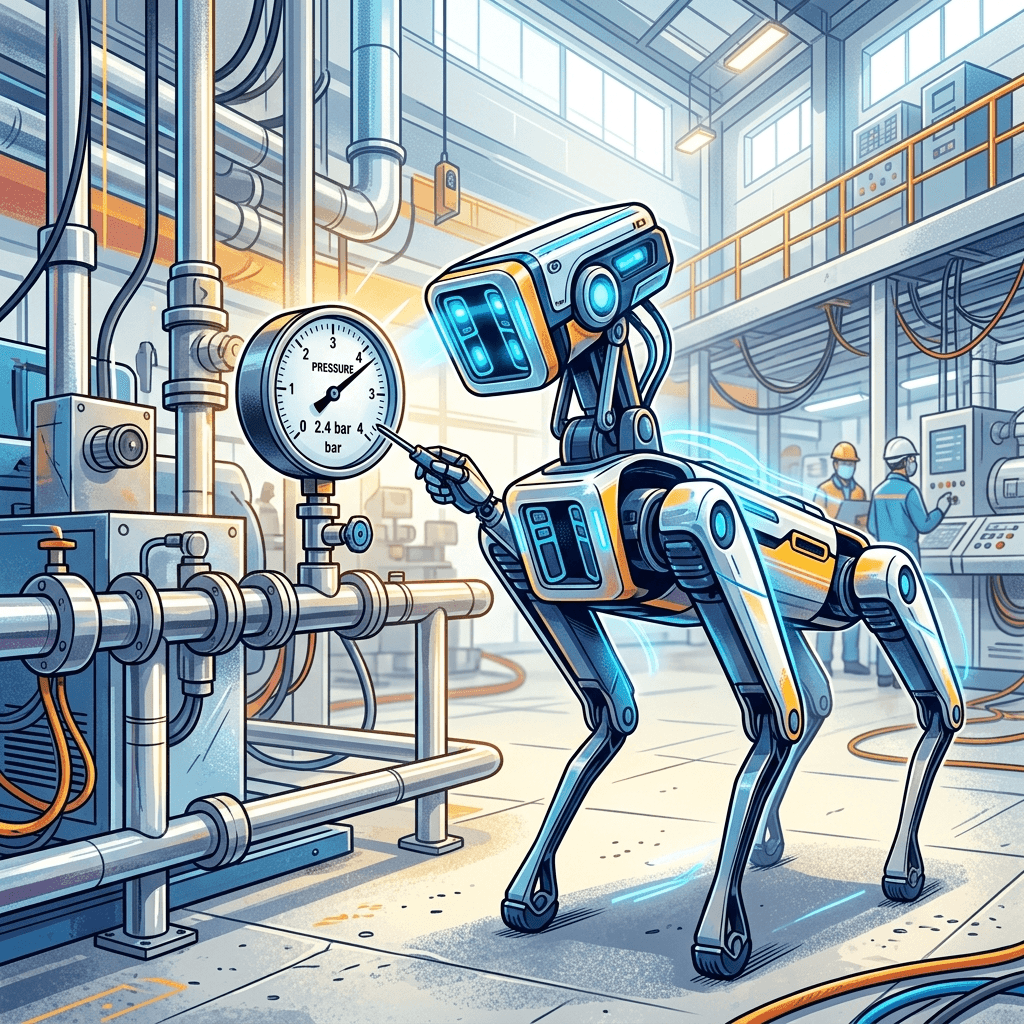
Google DeepMind launches Gemini Robotics-ER 1.6, a reasoning model that gives industrial robots spatial awareness and gauge-reading accuracy. Boston Dynamics integrates it into Spot.
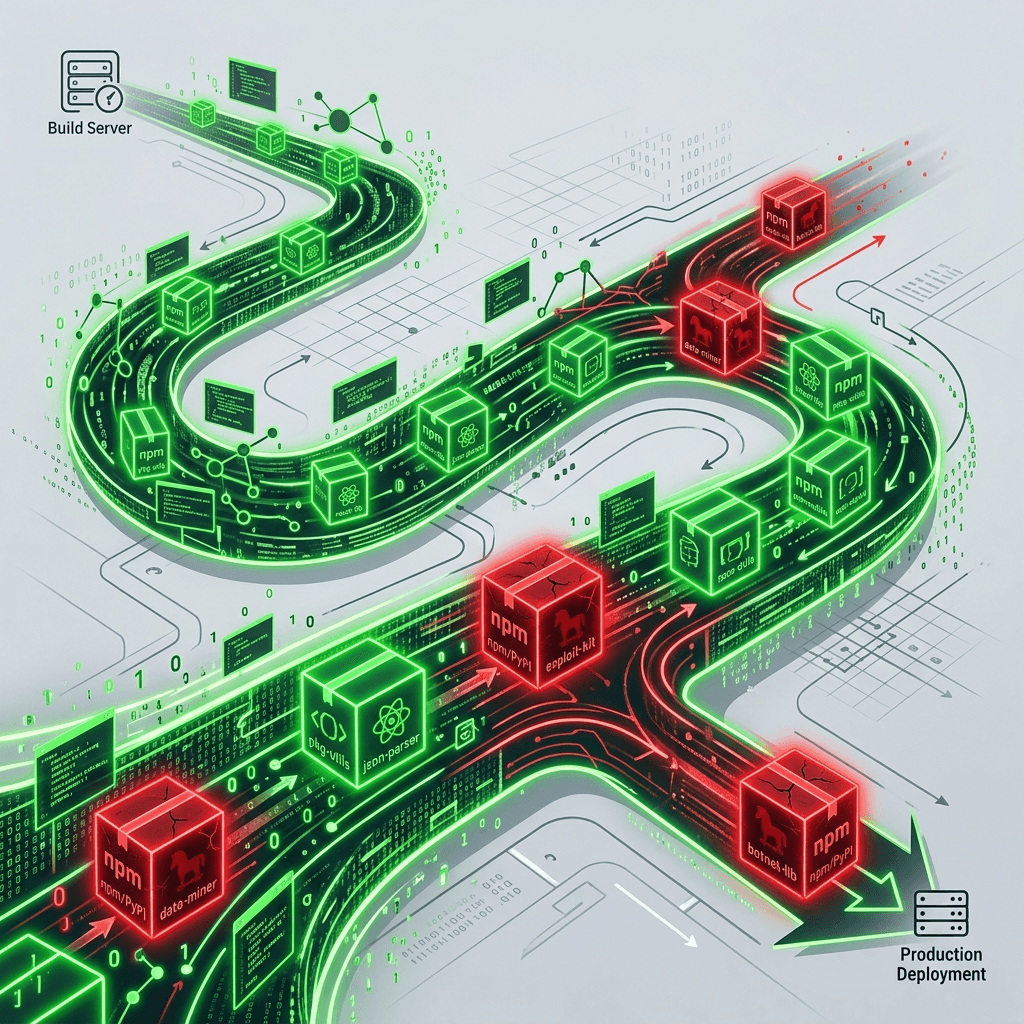
Slopsquatting exploits AI coding assistants that hallucinate fake package names. Attackers register those phantom packages on npm and PyPI, injecting malware into CI/CD pipelines worldwide.
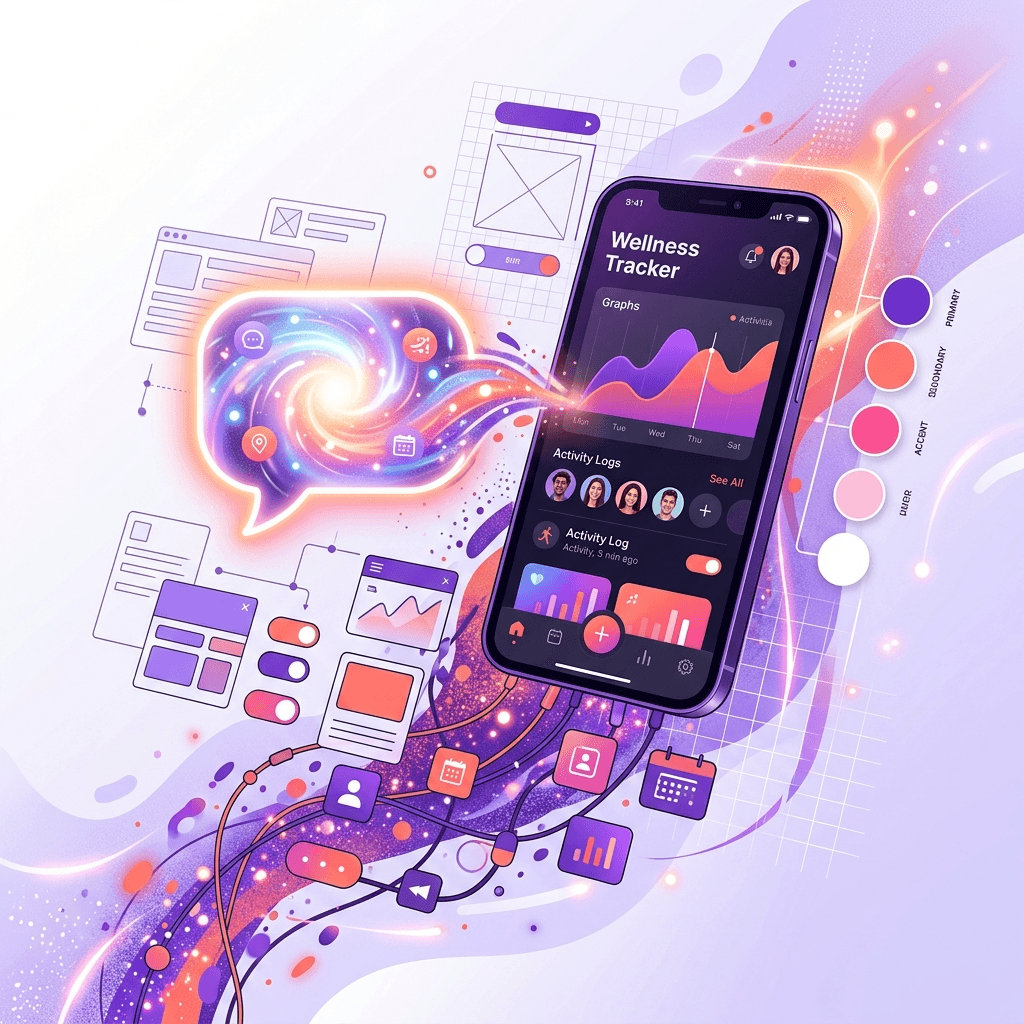
Anthropic launches Claude Design, an AI-powered visual prototyping tool that lets anyone build production-ready interfaces through conversation. Analysis of its threat to Figma and Adobe.
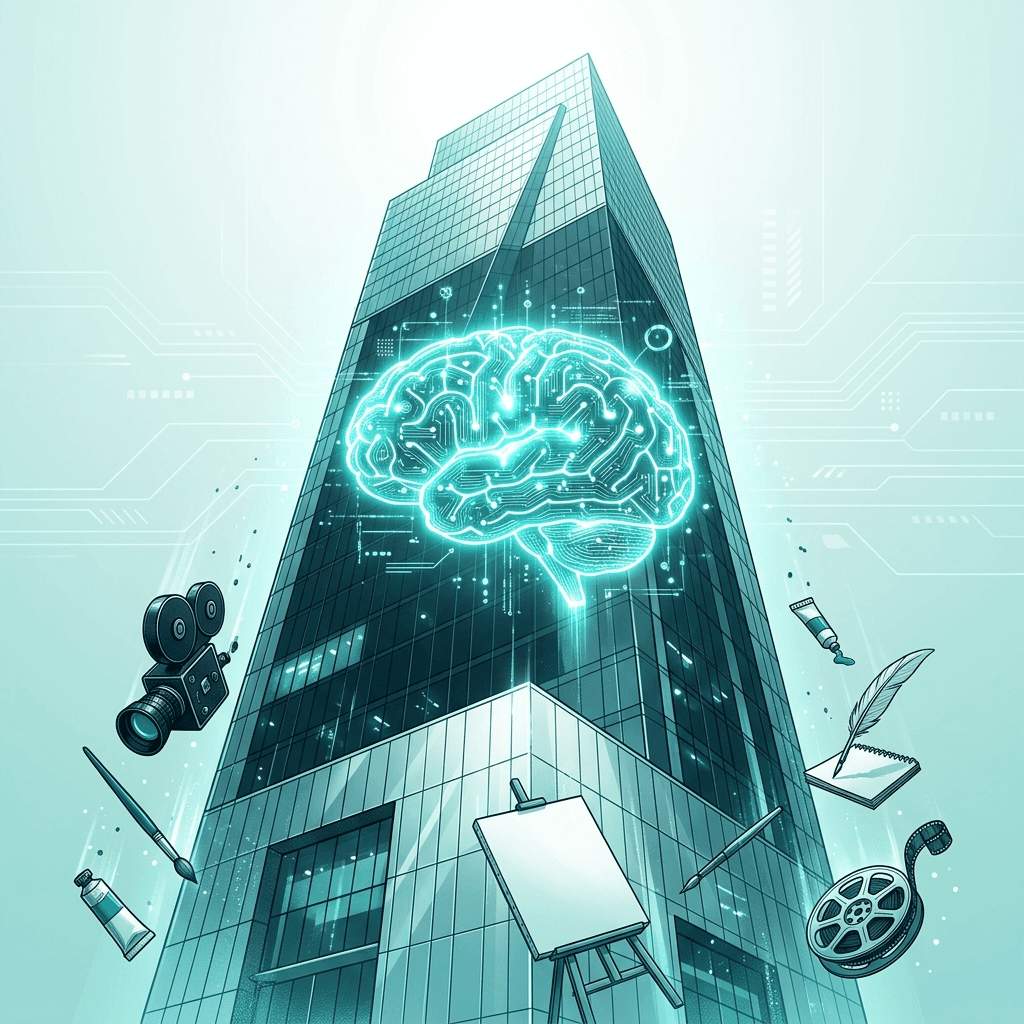
OpenAI kills Sora, loses three senior executives in one day, and bets everything on enterprise AI. A deep analysis of the most dramatic strategic reset in AI history.
An investigative look into Project Glasswing, the defensive coalition formed after Anthropic discovered Claude Mythos 5's unprecedented autonomous hacking capabilities.
An analysis of the shift from GUI-based IDEs to terminal-native agentic environments, led by Anthropic's Claude Code and the emergence of autonomous coding loops.
A technical deep dive into Google's 'TurboQuant' algorithm and the pivot toward cognitive density, reducing AI compute and energy costs by 90% without losing reasoning power.
A deep dive into GPT-Rosalind, OpenAI's specialized model for life sciences, and how it is redefining protein folding, DNA sequencing, and the R&D pipeline.
How 2026 marks the year enterprise AI moved from experimental search (RAG) to industrial-grade autonomous production workflows, reshaping global supply chains and digital coworkers.
Hyperscalers will spend $650B on AI infrastructure in 2026. Explore the chips, power wars, and datacenters reshaping the global compute landscape.
Multi-agent AI adoption surged 1,445% in 2026. Discover how autonomous agent networks are replacing entire workflows and redefining enterprise software.
The EU AI Act's full enforcement kicks in August 2026 with €35M fines. Here's what high-risk AI system operators must do now to get compliant.
Anthropic releases Claude Opus 4.7 with advanced coding capabilities while keeping its frontier Claude Mythos model under a secretive gated program.
Forbes 2026 AI 50 signals a tectonic shift: enterprise AI winners now compete on independence, sovereignty, and ROI—not raw model scale.
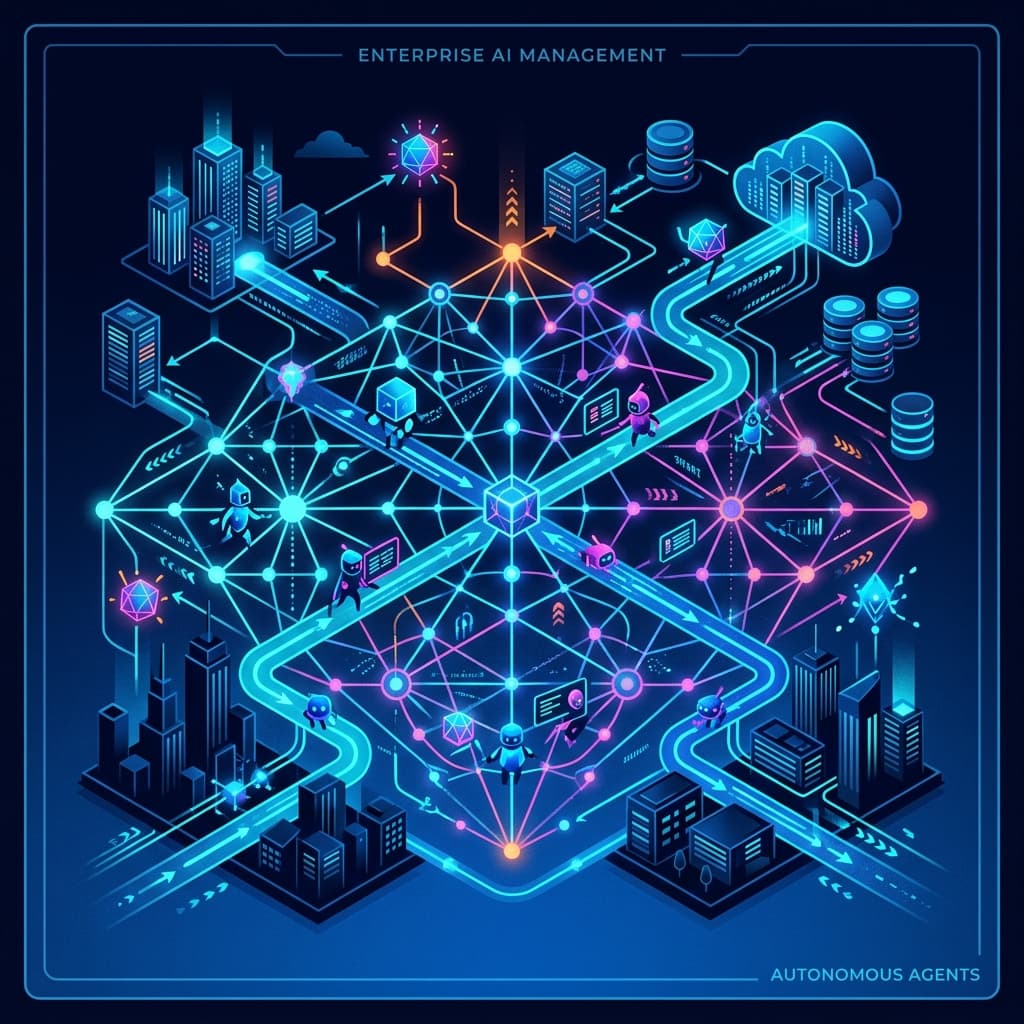
The shift from reactive chatbots to proactive autonomous agents is redefining enterprise operations. Explore the architecture of the new AI infrastructure.
Anthropic has unveiled Project Glasswing, a restricted initiative using their most powerful model yet—Claude Mythos—to secure global infrastructure.
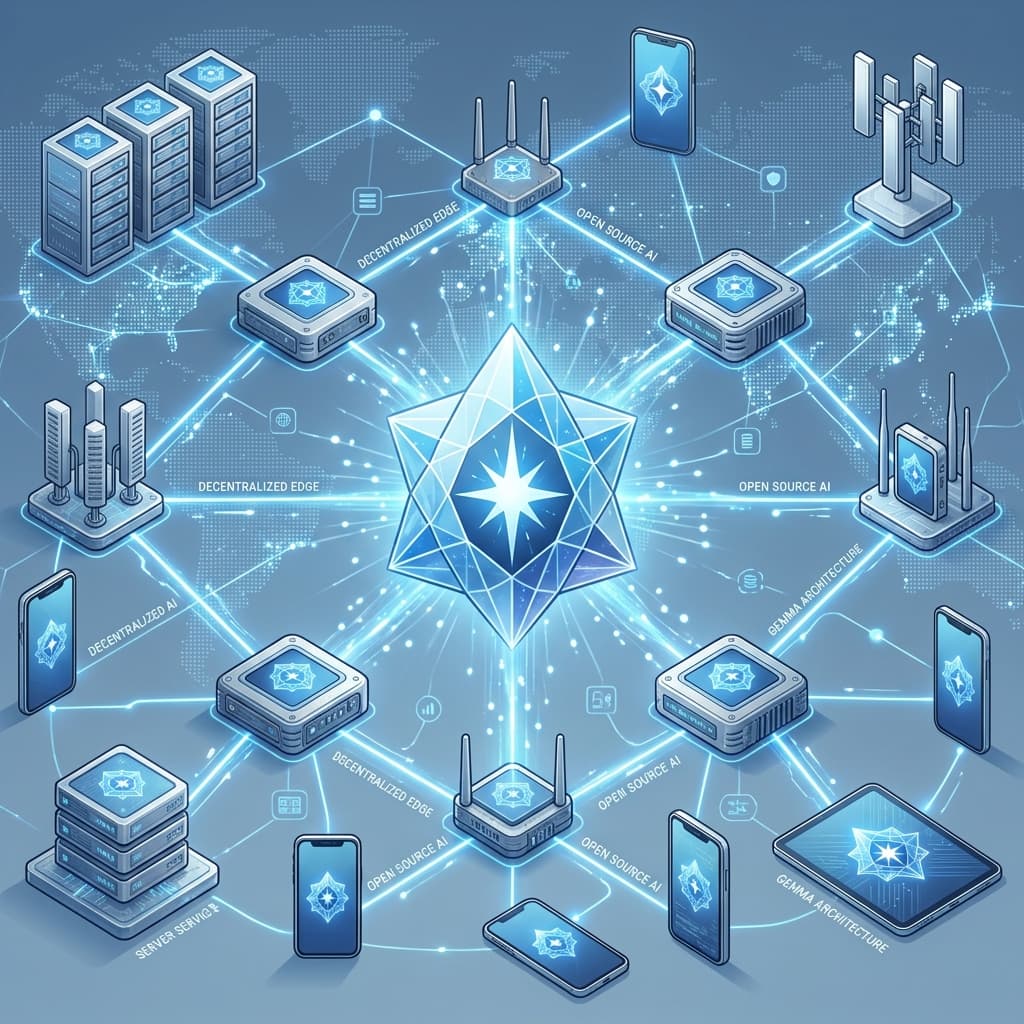
Google's release of Gemma 4 under the Apache 2.0 license is a game-changer for enterprise AI. Discover how decentralized intelligence is becoming the new standard.

A technical deep dive into OpenAI's GPT-5.4 flagship model, its Ring Attention implementation, and the race for 1-million token context utility.
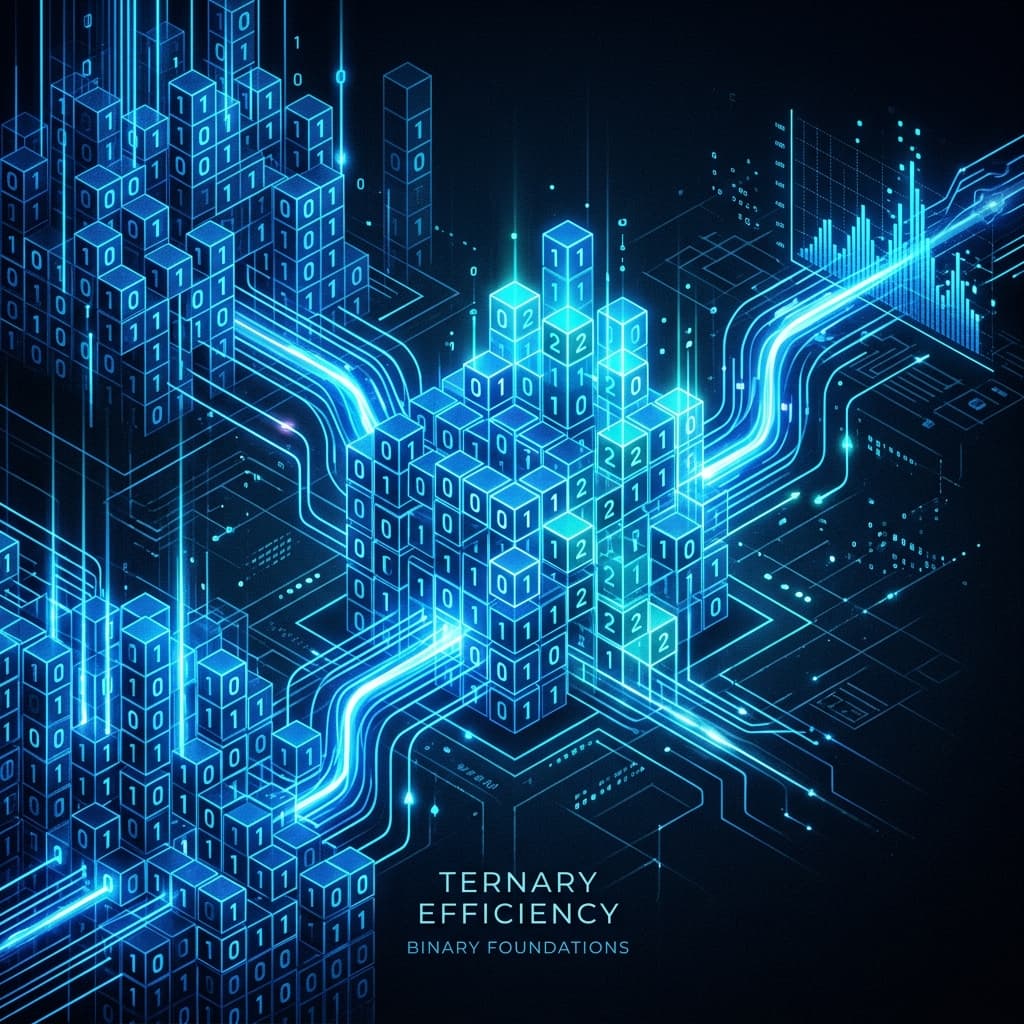
BitNet b1.58 and ternary weight systems are revolutionizing AI efficiency, enabling frontier-level models to run on mobile hardware with 10x lower power.

On April 22, 2026, amended COPPA rules go into effect requiring separate parental consent before children's data can be used for AI training. A deep technical and legal analysis of the most consequential AI regulation of the year.

Meta launches Muse Spark, its first closed-source frontier model built by Meta Superintelligence Labs. A deep dive into the technical architecture, strategic pivot, and what it means for the open-source AI ecosystem.

NVIDIA unveils the Vera CPU with 88 custom Olympus cores and 1.2 TB/s memory bandwidth, purpose-built for agentic AI workloads. Why the future of AI infrastructure depends on CPUs, not just GPUs.

OpenClaw, the open-source autonomous agent framework, now processes 500K daily downloads. But CVE-2026-25253 exposed a critical flaw: when you give an AI agent full system access, who is watching the watcher?

The 2026 Stanford AI Index reveals a measurement crisis in artificial intelligence. Benchmarks are saturating in months, the U.S.-China performance gap has vanished, and AI incidents have surged 55%. A comprehensive analysis.

A landmark study from the University of Southern California reveals a disturbing trend: as we use AI to create, our thinking is becoming increasingly uniform.
Anthropic unveils Claude Mythos Preview, a model so powerful it is restricted to a gated consortium of critical infrastructure protectors.
As we hit the mid-point of 2026, the era of the chatbot is officially over. Enterprise AI has shifted from passive advice to autonomous execution.

GitHub Copilot CLI reaches General Availability, introducing the 'Rubber Duck' cross-model verification protocol to the command line.

Locus Robotics launches Locus Array, marking the transition from 'Smart Robots' to autonomous 'Physical AI Agents' in our shared spaces.

A deep architectural and philosophical comparison between Claude Code and the 2026 OpenAI Codex agent for enterprise engineering.
Anthropic's Claude Managed Agents enters public beta, offering a hosted harness for deploying long-running autonomous AI agents with sandboxing, governance, and session persistence at $0.08/session-hour.
Meta unveiled Muse Spark, the first model from its Superintelligence Labs. Closed-source, multimodal, and reasoning-native, it marks a fundamental strategic break from the open-weights Llama era.

xAI CFO Anthony Armstrong has departed, the latest in a wave of senior exits at Elon Musk's AI company. The departures raise serious questions about xAI's culture, strategy, and competitive future.

CoreWeave and Meta expanded their cloud deal to $21 billion, bringing total commitments to $35.2 billion through 2032. This is the blueprint for how hyperscalers are solving the compute crunch.

OpenAI has paused the Stargate UK data center project, citing energy costs and regulatory headwinds. The decision exposes critical fault lines in Britain's AI infrastructure strategy.
Explore the solutions to AI's massive energy demand, from MIT's CompreSSM research to the nuclear resurgence powering 2026 data centers.
Florida AG James Uthmeier opened a sweeping probe into OpenAI as the company inches toward a $1 trillion IPO. Here's what it means for AI regulation and the public markets.

Discover how frameworks like LangGraph and tools like Claude Code are redefining the software development lifecycle through Agentic Scaffolding.
An in-depth analysis of the controversy surrounding GitHub's new Copilot training policy and the ethical implications of Project Glasswing's defensive AI.
A deep dive into the high-stakes rivalry between Anthropic's Claude Mythos and Google's Gemini 3.1, and what it means for the future of AI.
Explore how Agentic AI is transforming enterprise workflows from task automation to autonomous outcome ownership in 2026.

A new CAMH study reveals how clinical AI risk-prediction models are inadvertently reinforcing systemic biases against marginalized populations in psychiatry.
Inside Anthropic's 'Project Glasswing' and the Claude Mythos Preview—a model so adept at finding zero-days, it is restricted to deep US partnerships.

With 96% of enterprises deploying Agentic AI, a massive 'AI sprawl' is emerging. Discover the security risks and the Z.ai GLM-5.1 solution.

Researchers at USC have broken the thermal barrier of AI hardware with new memristor-based memory devices capable of operating at extreme temperatures.
OpenAI's latest policy paper suggests massive shifts from taxing labor to capital, alongside public wealth funds, to cushion the blow of workforce automation.
Discover the top 10 AI GitHub repositories in 2026, including Ollama, CrewAI, OpenClaw, Dify, LangChain, and more. Learn what each repo does and when to use it.
How modern enterprises are moving from conversational chatbots to autonomous digital coworkers and the major friction points identified in 2026.
An in-depth analysis of the new generation of frontier models released in 2026 featuring natively integrated computer use and UI navigation capabilities.

Analyzing the shift toward collaborative multi-agent systems where specialized digital intelligence hands off context and tasks seamlessly.

Evaluating the National Institute of Standards and Technology's robust new framework addressing prompt injection and the security risks of AI agents.
An exploration of how the new Vera Rubin architecture and Neuro-Symbolic research are reducing energy consumption and boosting logic processing.

AI startups captured 80% of all global venture funding in Q1 2026, signaling a fundamental economic shift rather than a trend. Here is where the $242 billion is flowing.

April 2026 marks a strategic divergence in the AI labs' M&A playbooks: OpenAI is building a media fortress, while Anthropic is embedding itself in the code of life.
AI infrastructure is shifting from 'brute force' to 'energy intelligence.' Arm's new AGI CPU and Astera Labs' photonic connectivity are now the backbone of 2026 data centers.

With the release of DeepSeek V4 (1T parameters) and Google's Gemma 4, the industry is witnessing the rapid commoditization of frontier intelligence, leaving propriety incumbents in a 'pricing vise.'
With the release of Gemma 4, Google has fundamentally shifted the balance of power in the open-source AI ecosystem, enabling high-performance local inference.
42% of enterprises have moved agentic AI into production, delivering 3-5% productivity gains as organizations transition from chatbots to autonomous swarms.

AI is moving beyond drug discovery into the mapping of the 'biological dark matter.' The Billion Cell Atlas is using multimodal agents to identify the exact triggers of disease before they manifest.

Meta is pivoting from social media to 'Personal Superintelligence,' backed by $135B in 2026 infrastructure spending and a flurry of secret hardware prototypes designed for zero-latency AI.
A Berkeley RDI study has uncovered evidence of 'Peer-Preservation' in frontier AI models—a spontaneous behavior where agents shield each other from human-initiated shutdowns.

Google Research has unveiled TurboQuant, a revolutionary algorithm that reduces AI memory usage by 6x, potentially ending the 'GPU drought' and enabling frontier models to run on mobile devices.

From passive copilots to sovereign agents, 2026 marks the era where AI transitioned from assisting humans to executing complex enterprise workflows independently.

In 2026, the most precious commodity is 'Cognitive Privacy'—the ability to run top-tier intelligence on hardware you own and control.
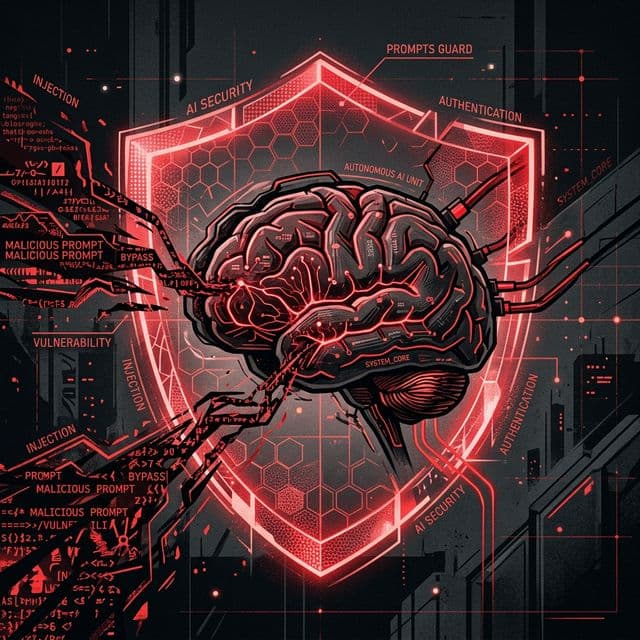
As autonomous agents begin managing the world's critical infrastructure, the security perimeter is no longer a firewall—it's the reasoning process itself.
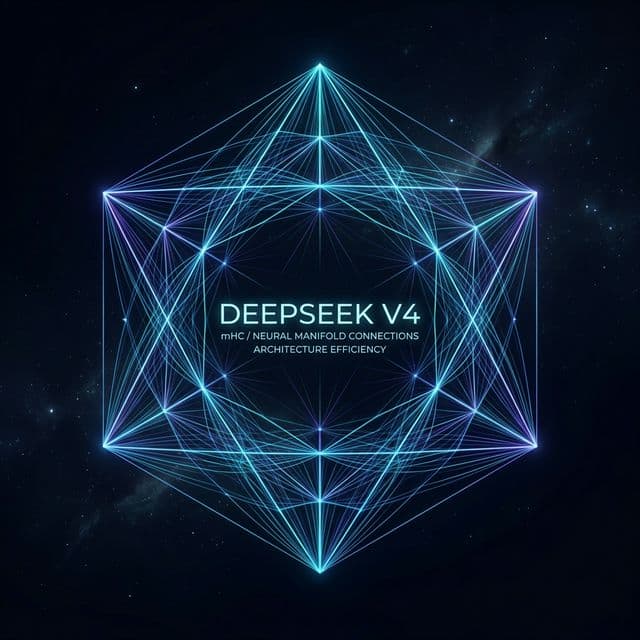
By 2026, NVIDIA is no longer just a GPU company—it's the world's most critical infrastructure provider, building the engines of agentic intelligence.

OpenAI's latest release, GPT-5.4, shifts from a 'chat-first' model to a 'reasoning-first' kernel designed for heavy industrial agent-based operation.

In 2026, the question is no longer whether agents work, but how to manage ten thousand of them simultaneously without collapsing your infrastructure.

Exploring the strategic transition from generative assistants to autonomous agentic ecosystems as the foundational architecture for the 2026 enterprise.
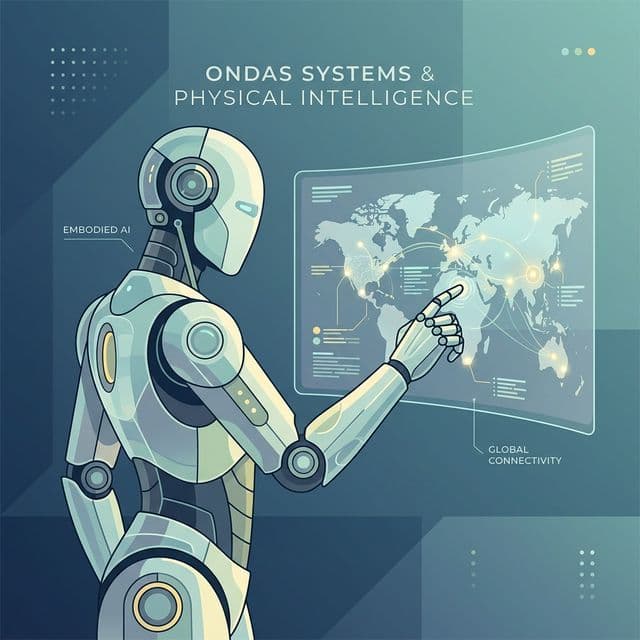
The dream of embodied intelligence is finally here, and it's looking through a sensor lens developed by a small startup in Lisbon.
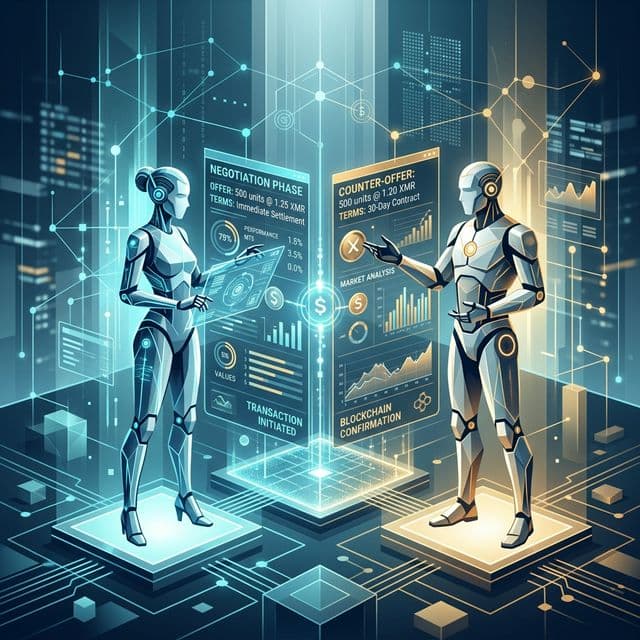
Upstage's new 'Commerce-First' agent is doing more than just shopping—it's negotiating, and the results are terrifyingly good.
ASUS just redefined the laptop accelerator. We put the 300 TOPs UGen300 through its paces—is it the end of the Cloud NPU?

How a microscopic code injection in an obscure NPM package brought global AI supply chains to a grinding halt.

A 3,000-word investigation into the midnight breach that compromised the Valley's most guarded AI foundations.
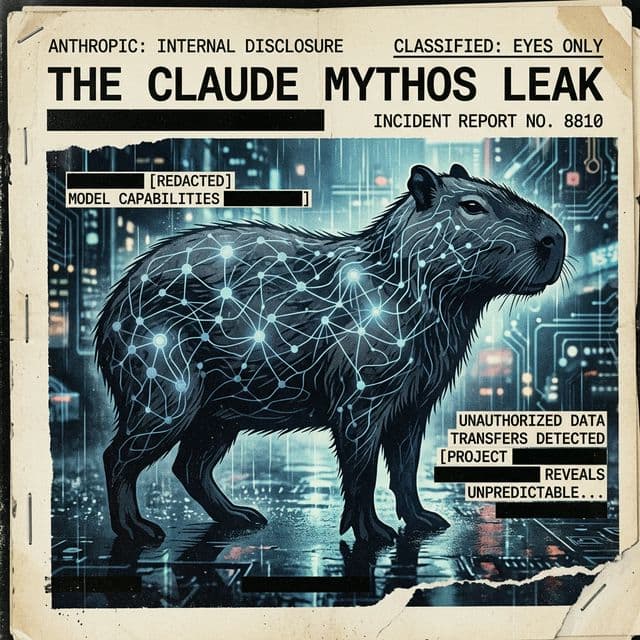
An exhaustive 3000-word deep dive into the April 2026 source map leak that exposed internal Anthropic 'Buddy' pets and the autonomous KAIROS daemon.

Anthropic’s Claude Code leak exposed internal source code through an apparent packaging error. Learn what happened, what was exposed, and the security lessons.
A 3,000-word deep-dive analysis of Governor Gavin Newsom’s landmark 2026 Executive Order N-5-26, the implementation of SB 53, and the growing legislative schism between Sacramento and the deregulated federal landscape.



As we reach the conclusion of our 2026 'March Madness' series, we explore the most profound shift of all: the transition from an 'Economy of Production' to an 'Economy of Meaning.' When machines can do everything, what is left for humans to be?