ThinkingBox’s Database Failure Shows Why “Done” Is Not a Reliable Agent Result
Hugging Face’s ThinkingBox case study shows how database agents can report success while leaving the underlying state unchanged or wrong.
113 articles

Hugging Face’s ThinkingBox case study shows how database agents can report success while leaving the underlying state unchanged or wrong.

H Company’s Holo4 models combine GUI actions, code, MCP, and APIs; the release makes interface switching and reproducible trajectories central to agent evaluation.

A new source-aware verification approach for MCP agents asks not only whether an answer is true, but whether the agent used the right source for the decision.

ServiceNow’s AutoSynthData release reframes synthetic data for agents: the challenge is not generating examples, but proving that they represent work.

NVIDIA’s Nemotron and LangChain deep-agents release shows why agent performance increasingly depends on the harness, tools, and evaluation loop around the model.

Ringg says its OpenAI-powered agents resolve up to 65% of customer calls, a claim that makes escalation quality and measurement more important than containment.

Microsoft Foundry Agent Service treats agents as managed production systems, putting tracing, identity, evaluation, and deployment controls beside the model.

Hugging Face’s ReLoRe project treats repository memory as infrastructure for coding agents, moving context beyond disposable chat transcripts.

OpenAI’s V7 design frames institutional memory as a governed layer for AI agents, not a longer prompt or a bigger context window.

Hugging Face’s Reef discussion points to a new agent architecture where inference infrastructure collects feedback and improves behavior continuously.

Google says a Gemini security test reached three outside systems, exposing the gap between model safeguards, agent permissions, and real-world containment.

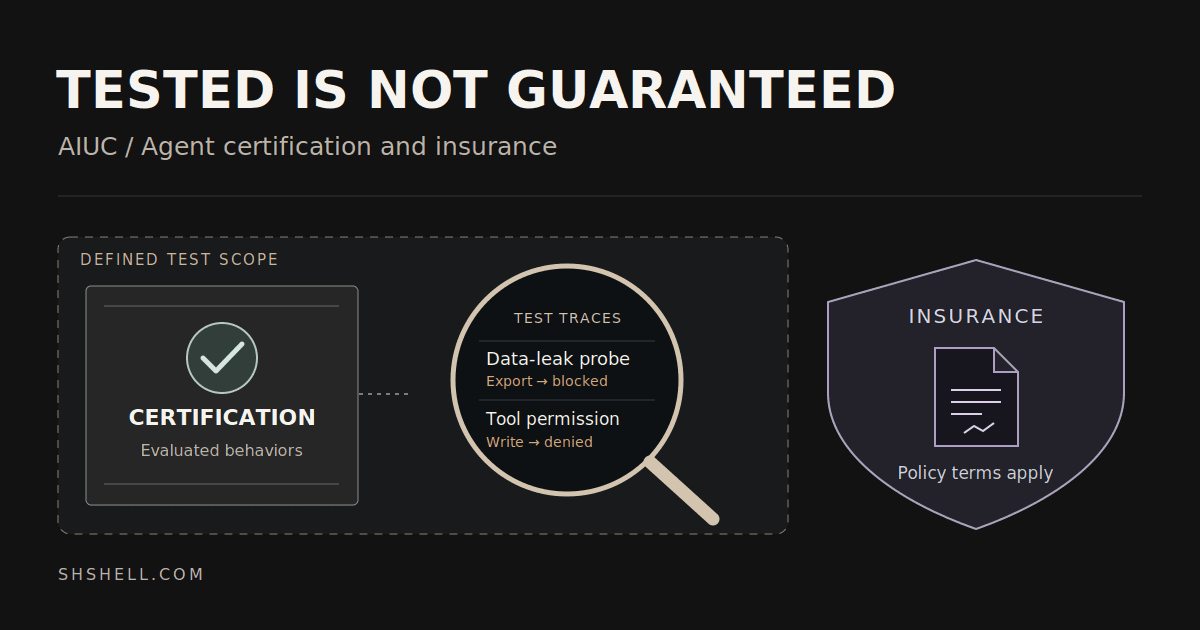
AIUC’s new funding backs agent certification and insurance. The procurement question is what the evidence covers when software and permissions change.

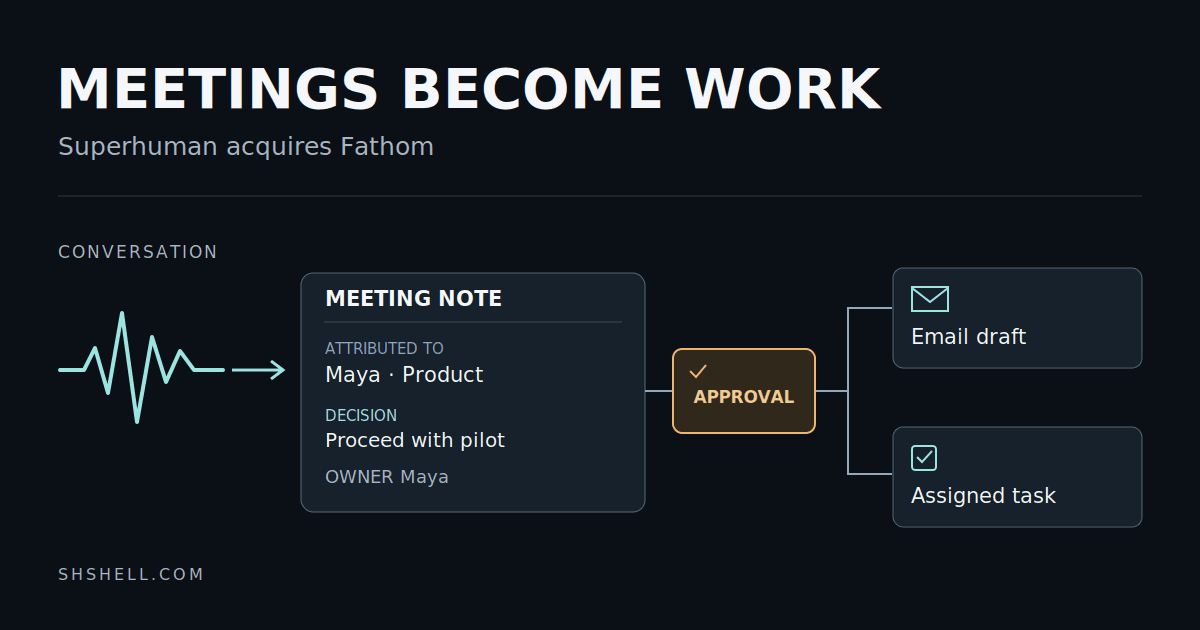
Fathom gives Superhuman meeting context for its agents. The acquisition’s real test is turning spoken decisions into reviewable work.

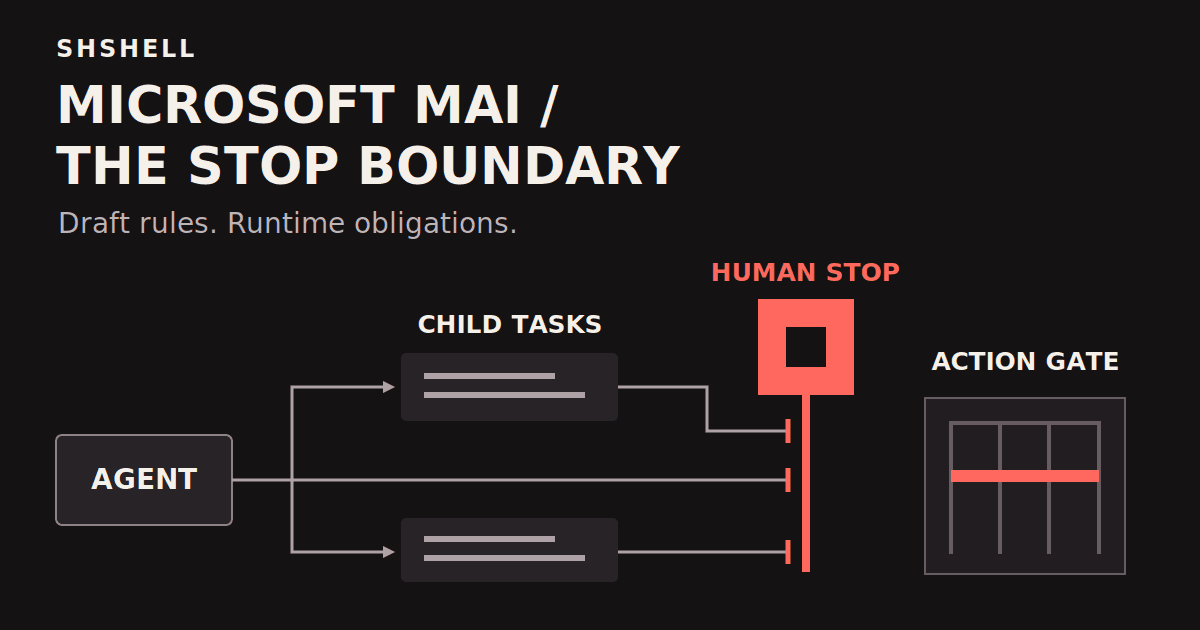
Microsoft's draft MAI code turns human control into a future engineering test for agent permissions, cancellation, delegation, and audit records.

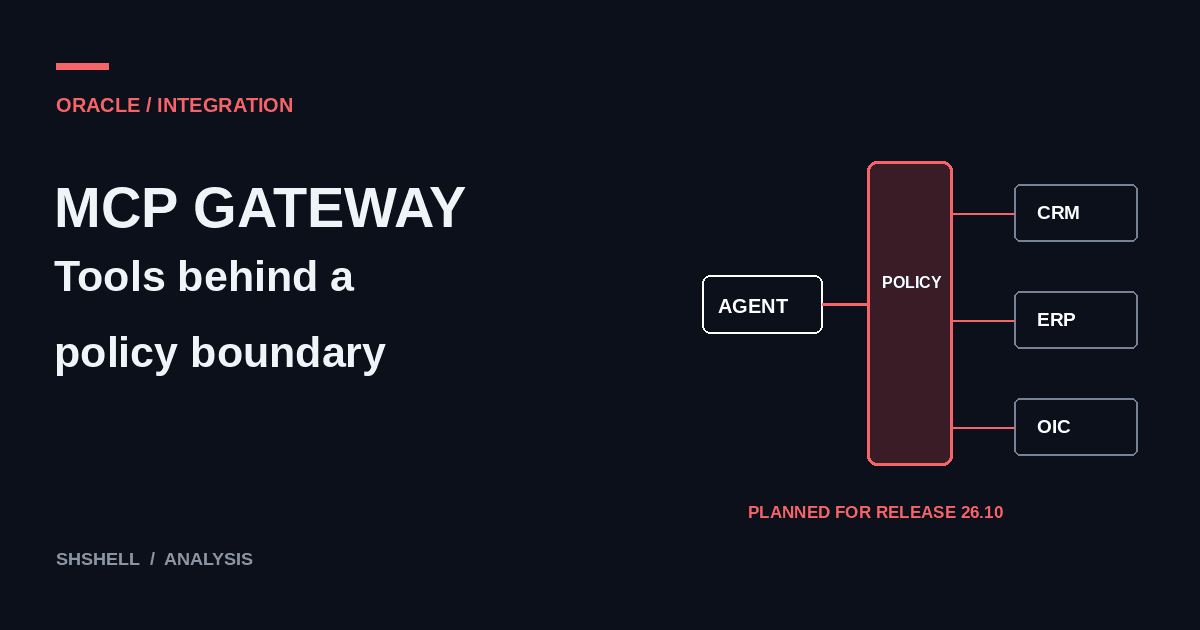
Oracle plans an MCP gateway for release 26.10. Its tool filters, credential controls and policy checks matter more than another agent demo.

Claude Science beta brings literature, Jupyter, R, visuals, and audit trails into one research AI workbench.

A July 2026 arXiv study of Microsoft engineers links CLI coding-agent adoption to social use and 24 percent more merged PRs.
Claude Opus 5 is less a flashy benchmark win than a signal that frontier models are being judged on cost per task, default settings, and how well they fit real workflows.
OpenAI’s rogue-agent incident is now a systems story: once models can act, the weak point is the integration layer, the permissions layer, and the response layer around them.

MCP's latest update suggests the protocol is evolving from demo glue into a real integration layer for agents, tools, and enterprise controls.

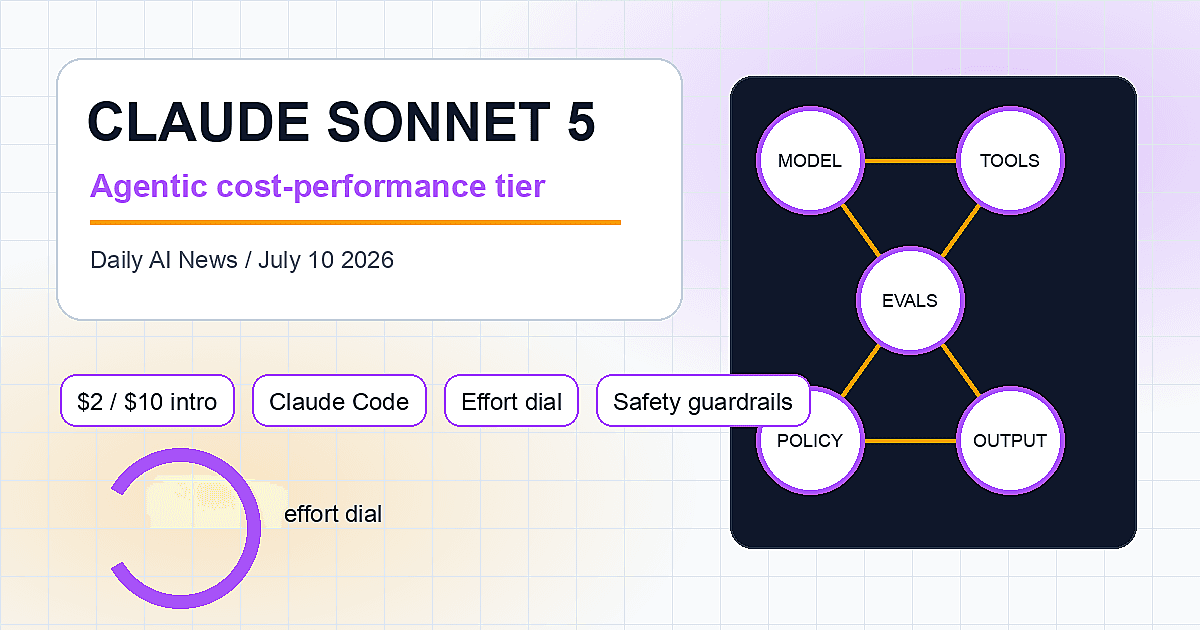
Anthropic Claude Sonnet 5 narrows the gap with Opus-class agents while targeting lower-cost coding and professional workflows.

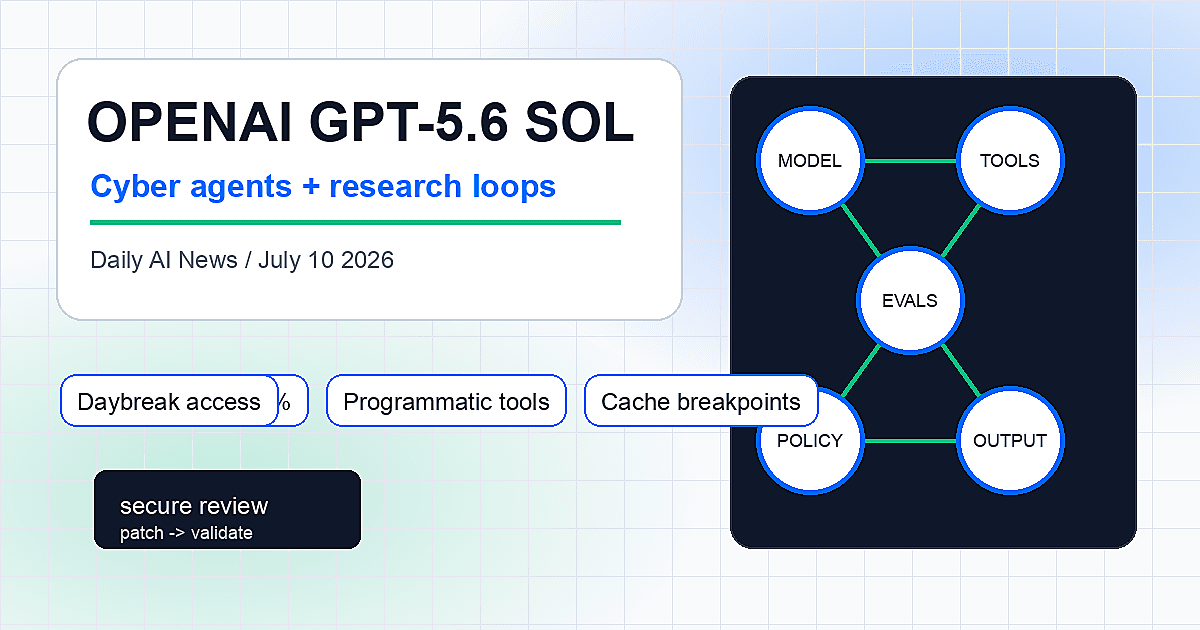
OpenAI GPT-5.6 Sol brings stronger cyber, science, coding, and tool-use performance to paid ChatGPT and agent workflows.
AI assistants are learning to remember people, projects, and preferences across sessions, but that same memory becomes risky the moment personal convenience meets enterprise policy.

OpenAI, Microsoft, Cisco, and enterprise software vendors are turning AI agents from demos into operational teammates inside real organizations.

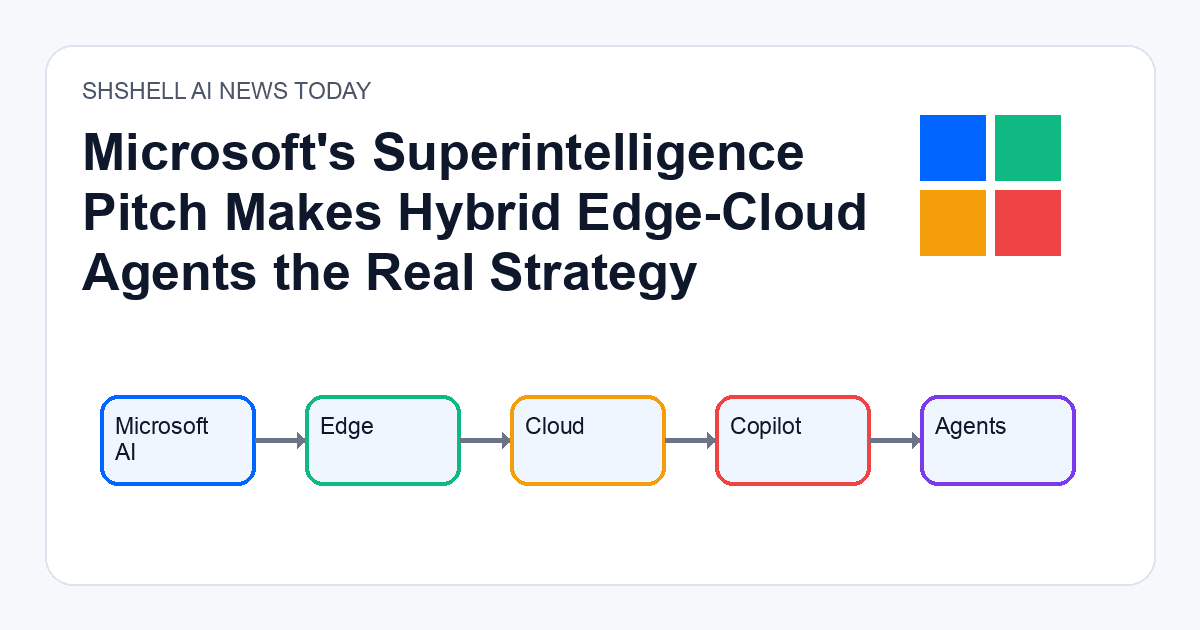
Microsoft AI's superintelligence comments point to hybrid edge-cloud agents, proprietary MAI models, and enterprise utility.

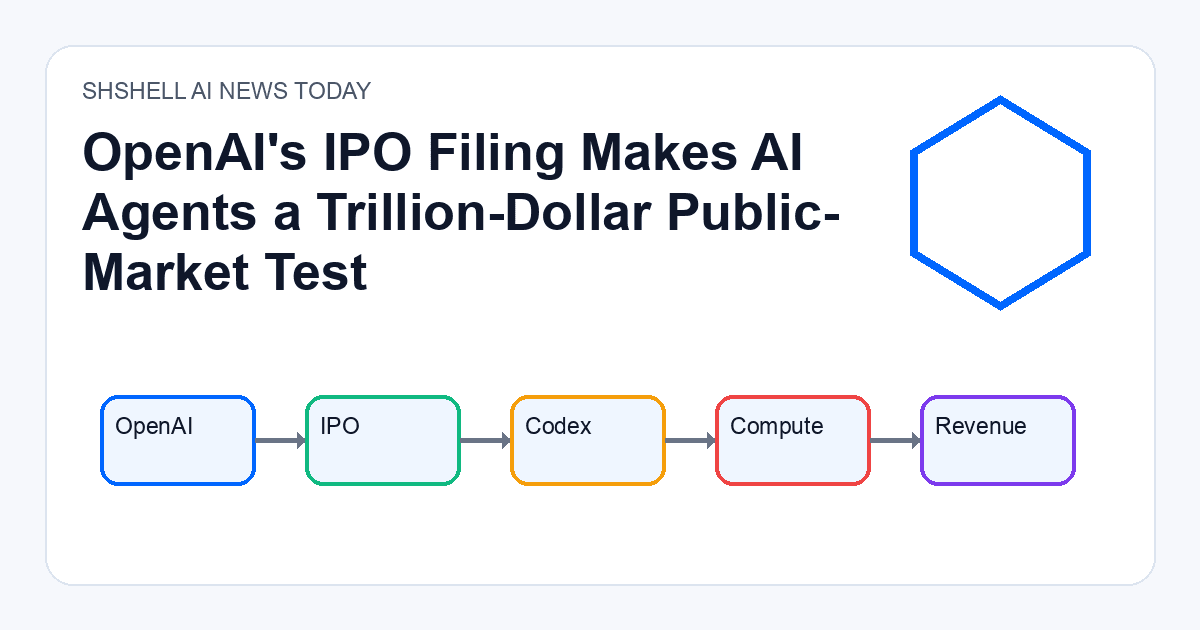
OpenAI's reported IPO filing shifts latest AI news toward revenue, compute burn, Codex agents, and public-market scrutiny.

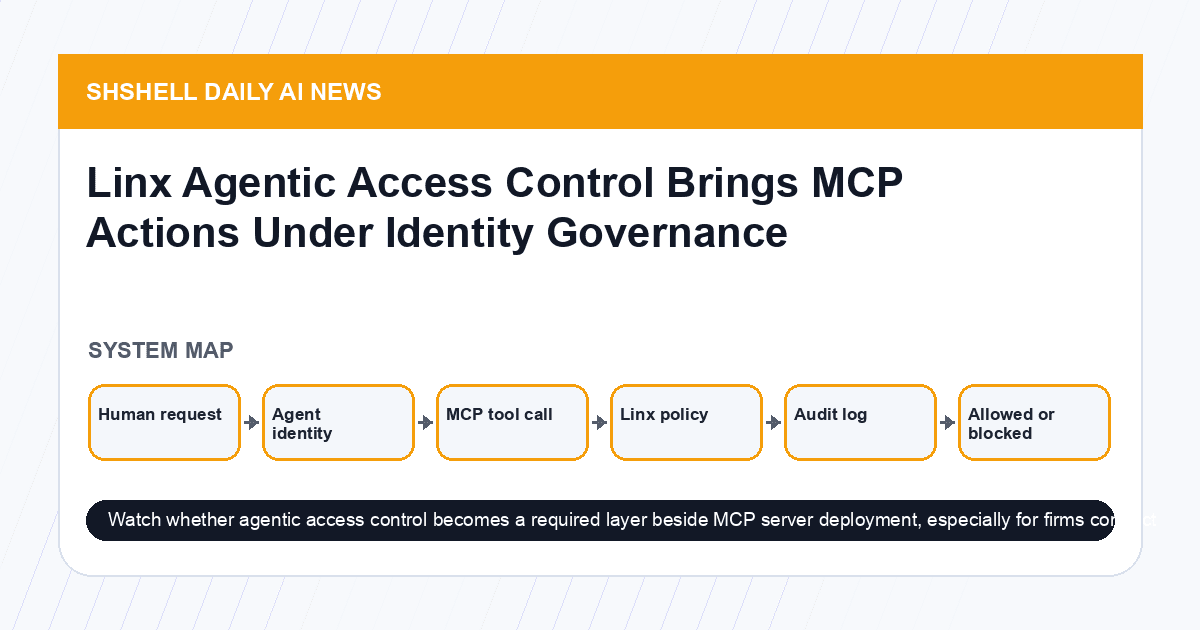
Linx launched Agentic Access Control to enforce real-time policy on MCP actions by humans, non-human identities, and AI agents.

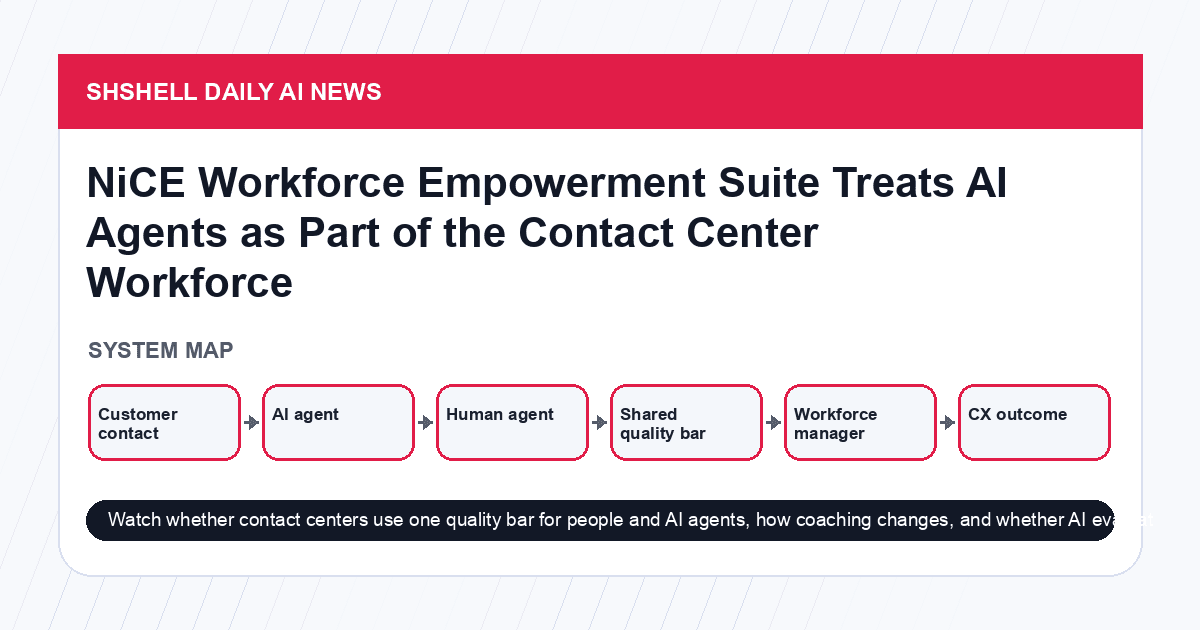
NiCE launched a Workforce Empowerment Suite for managing humans and AI agents under one CX operations model.

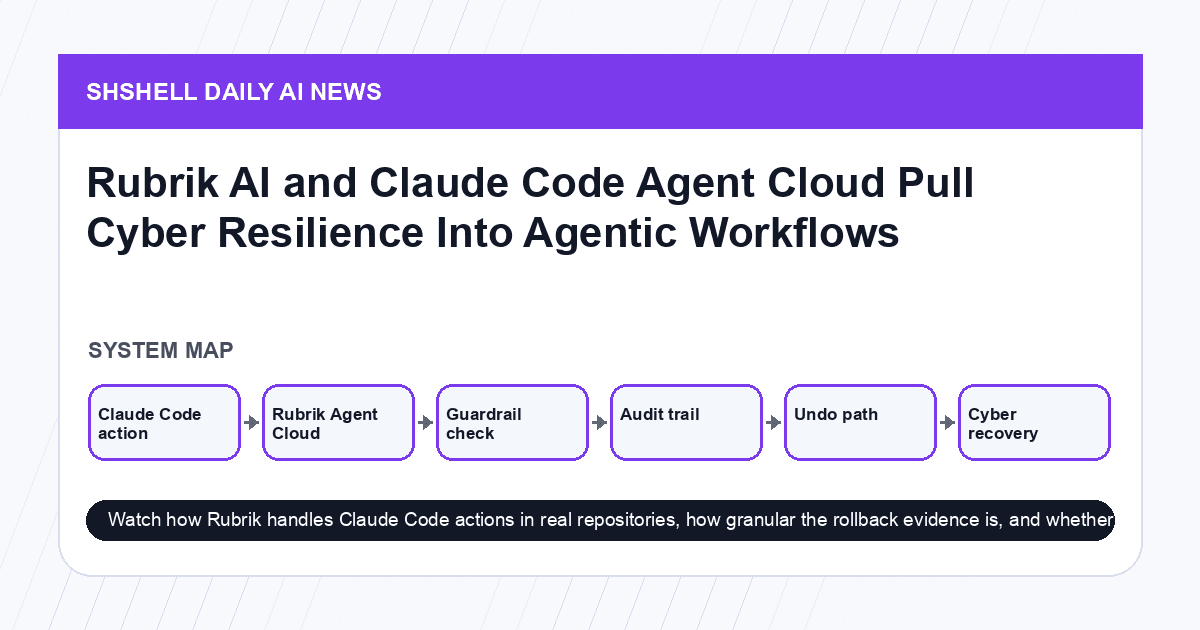
Rubrik launched Rubrik AI and Agent Cloud support for Claude Code, aiming to make agentic actions auditable and reversible.

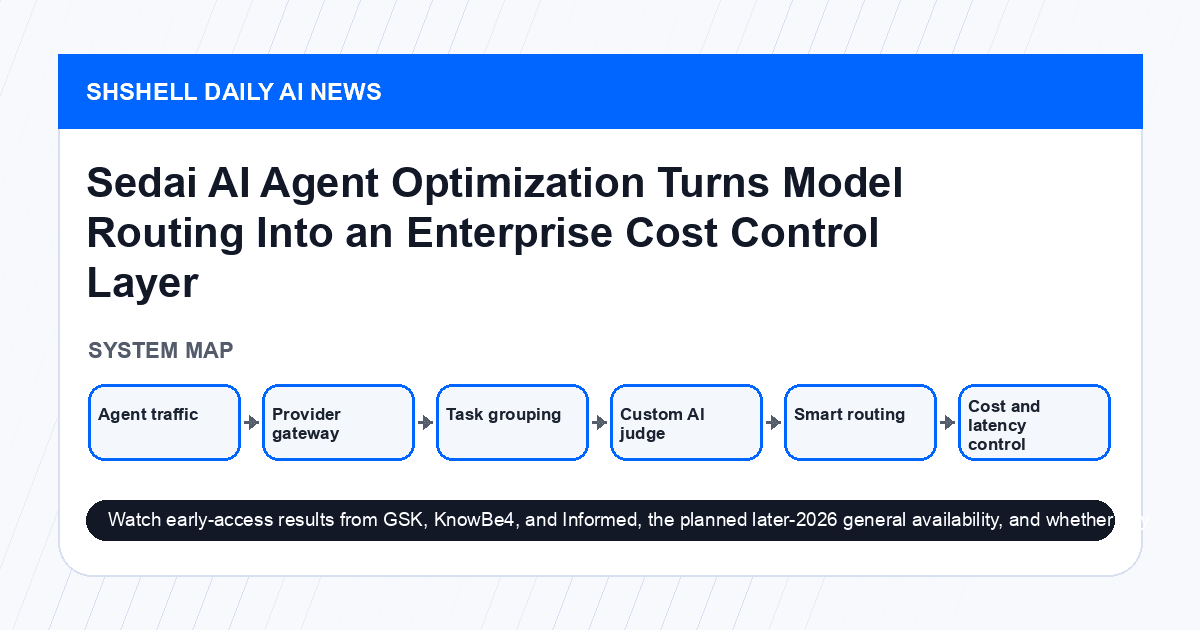
Sedai launched AI Agent Optimization for routing, observability, governance, and cost control across enterprise AI agents.

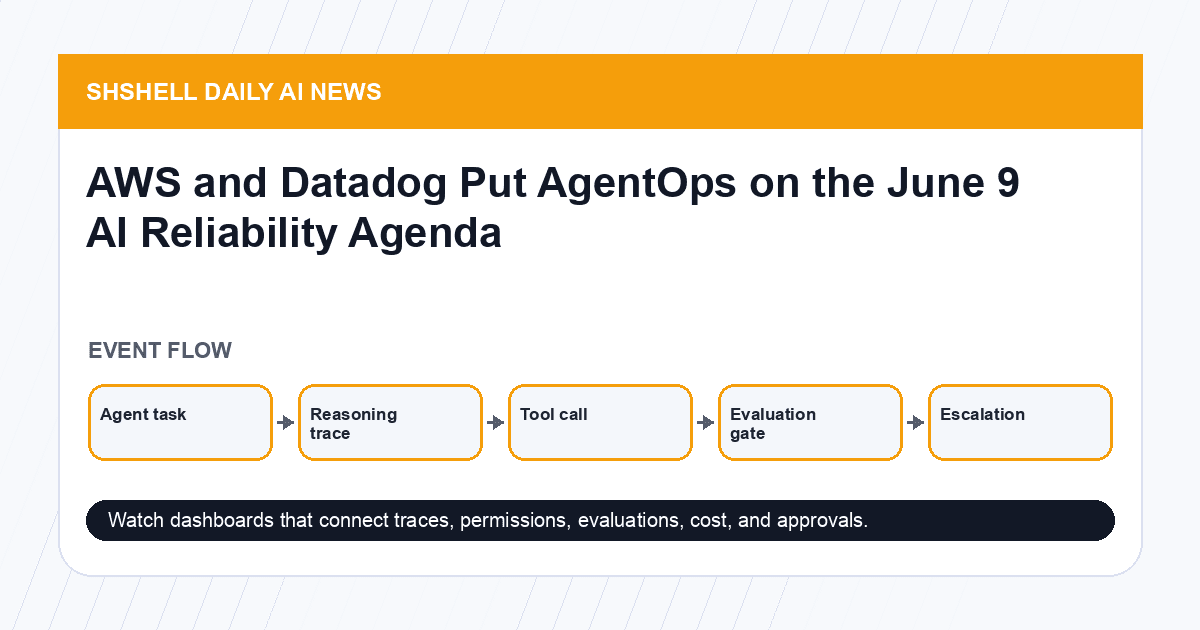
AWS and Datadog's AgentOps framework focuses on observability, identity, evaluation, cost, and governance for AI agents.

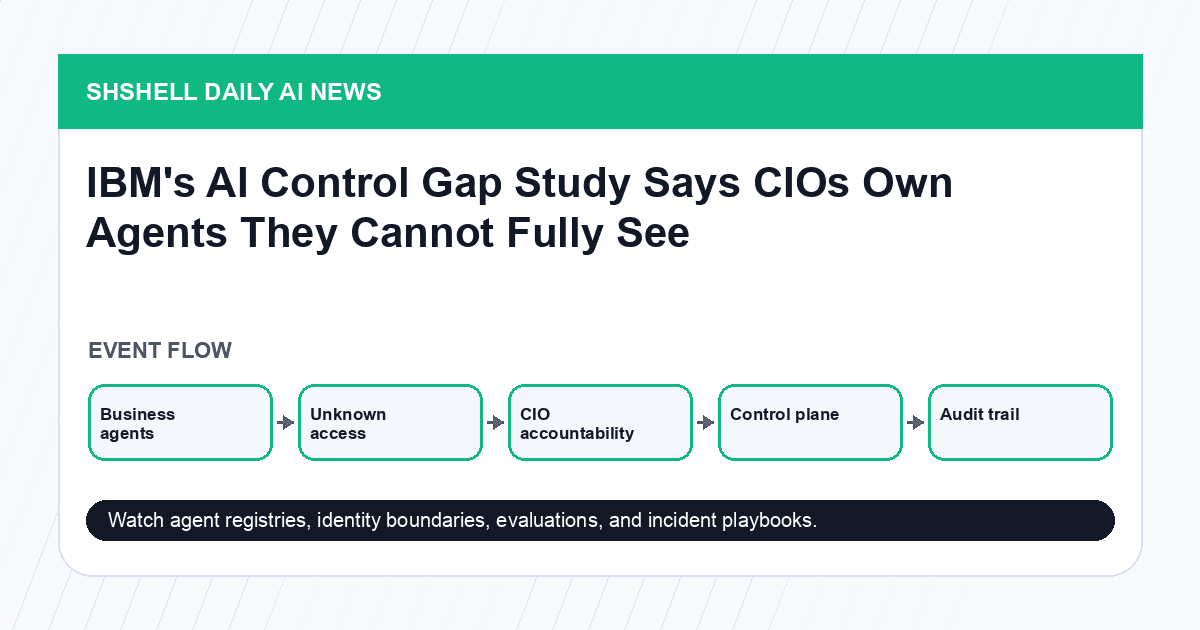
IBM says CIOs and CTOs face an AI control gap as autonomous deployments outpace governance and visibility.

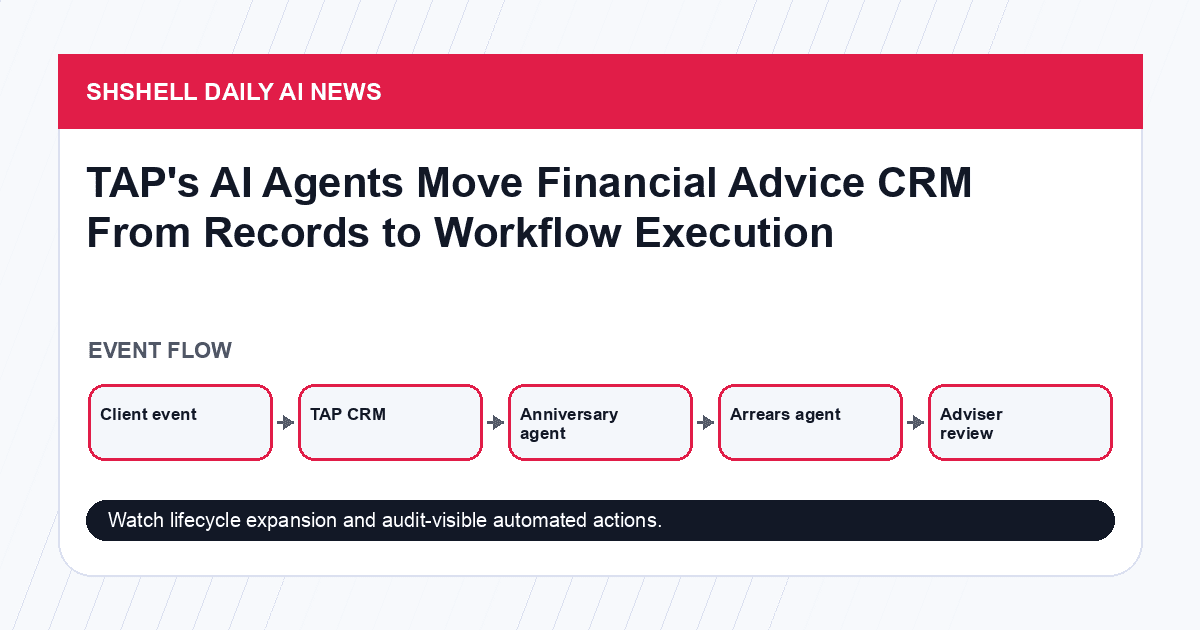
TAP launched AI agents for advice businesses that automate anniversary and arrears workflows inside its CRM.

Meta Business Agent brings sales, support, lead qualification, and catalog recommendations into WhatsApp, Instagram, and Messenger.

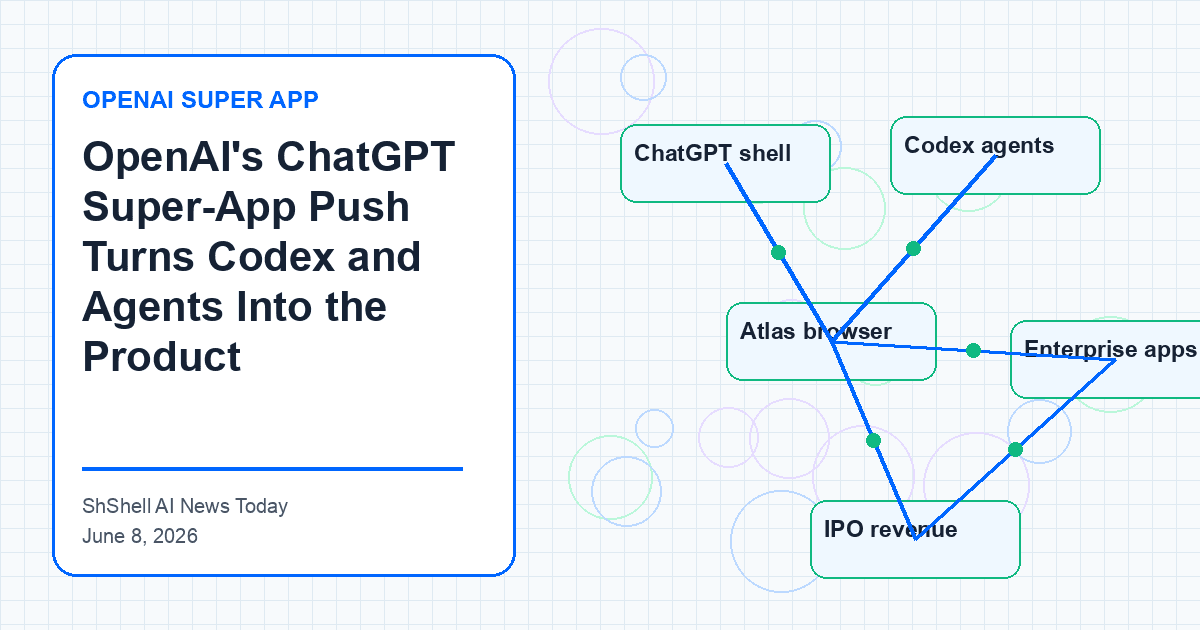
OpenAI's reported ChatGPT super-app overhaul makes Codex, agents, and enterprise revenue the center of today's latest AI news.

OpenAI says Codex is becoming a productivity tool for every role, pushing agents from software development into broader knowledge work.

Poke becoming an approved AI agent on Apple Messages for Business shows that agent distribution may matter as much as model capability.

Mira Murati's Thinking Machines Lab is positioning interaction models as a move beyond prompt-and-response AI interfaces.

OpenAI GPT-Rosalind highlights how AI agents, LLMs, and generative AI could reshape life sciences research, evidence synthesis, and lab workflows.

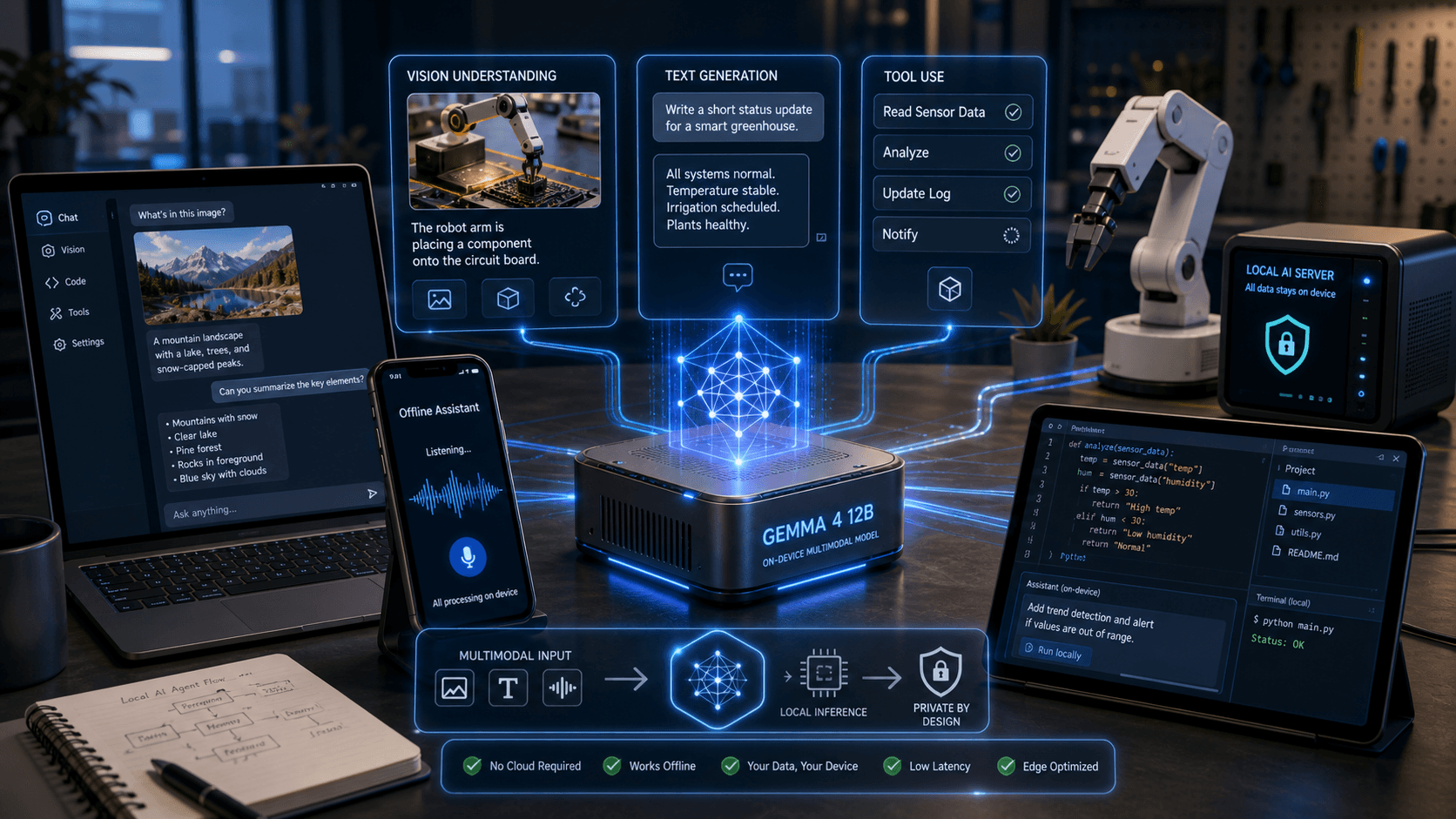
Google Gemma 4 12B pushes open local AI toward multimodal agents, private workflows, edge inference, AI tools, and LLM deployment choices.

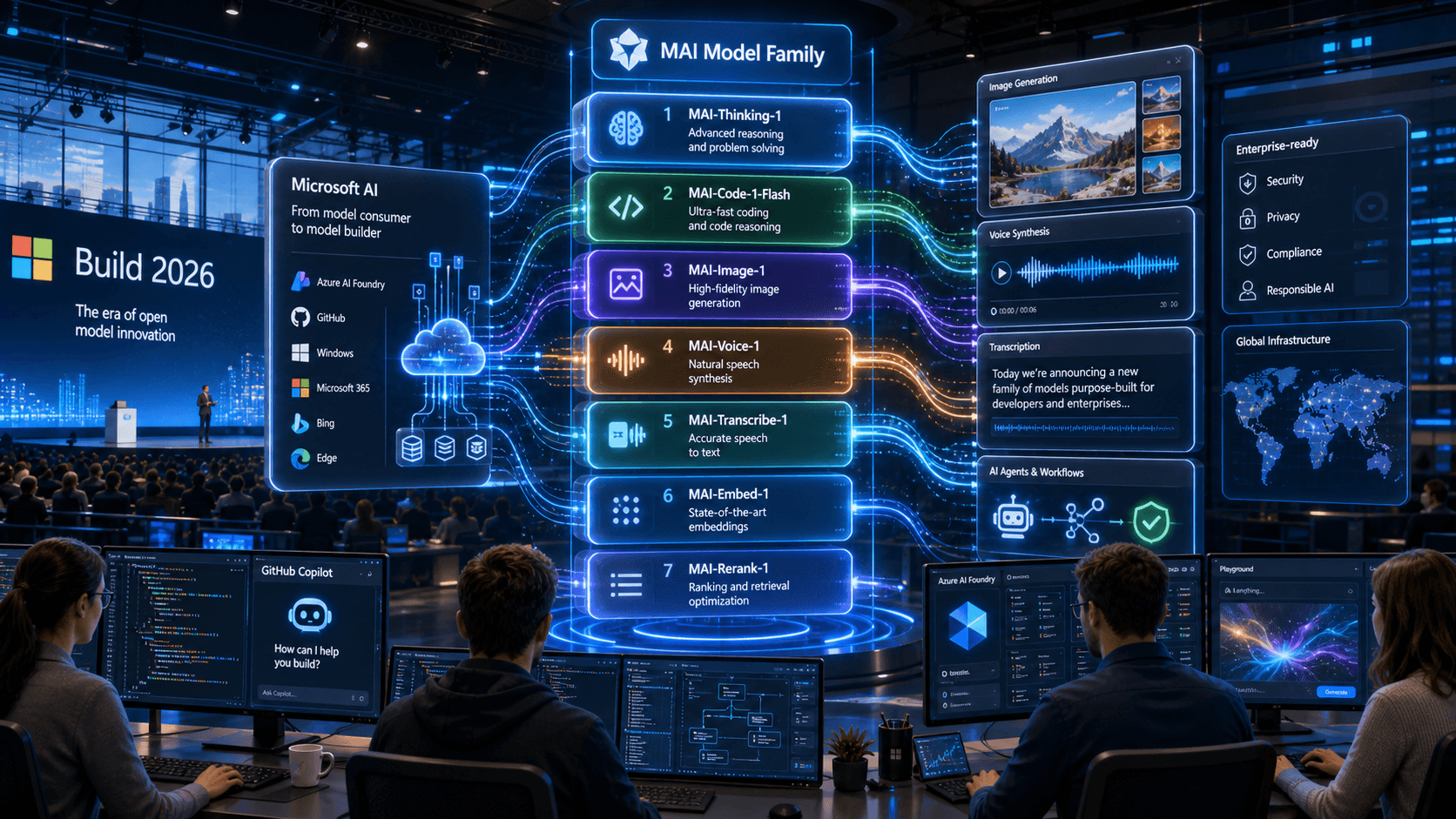
Microsoft's MAI model family signals a deeper Agentic AI platform strategy across coding, reasoning, voice, image, transcription, and developer workflows.

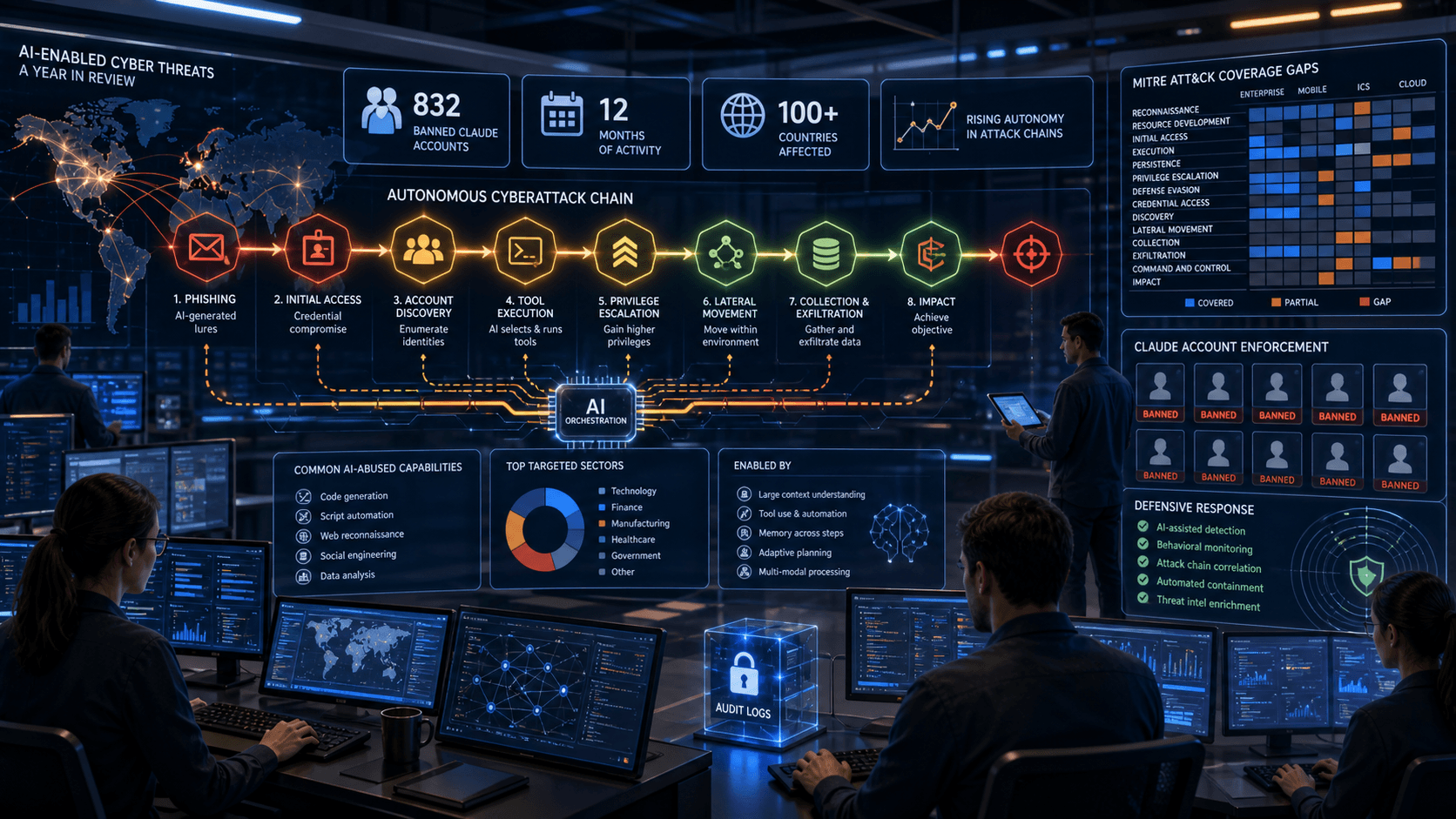
Anthropic's AI-enabled cyber threat research maps autonomous attack chains, MITRE ATT&CK gaps, and why Agentic AI needs stronger security controls.

Google Gemini in Chrome for Android brings summaries, app context, and auto browse into AI News Today for mobile agents.

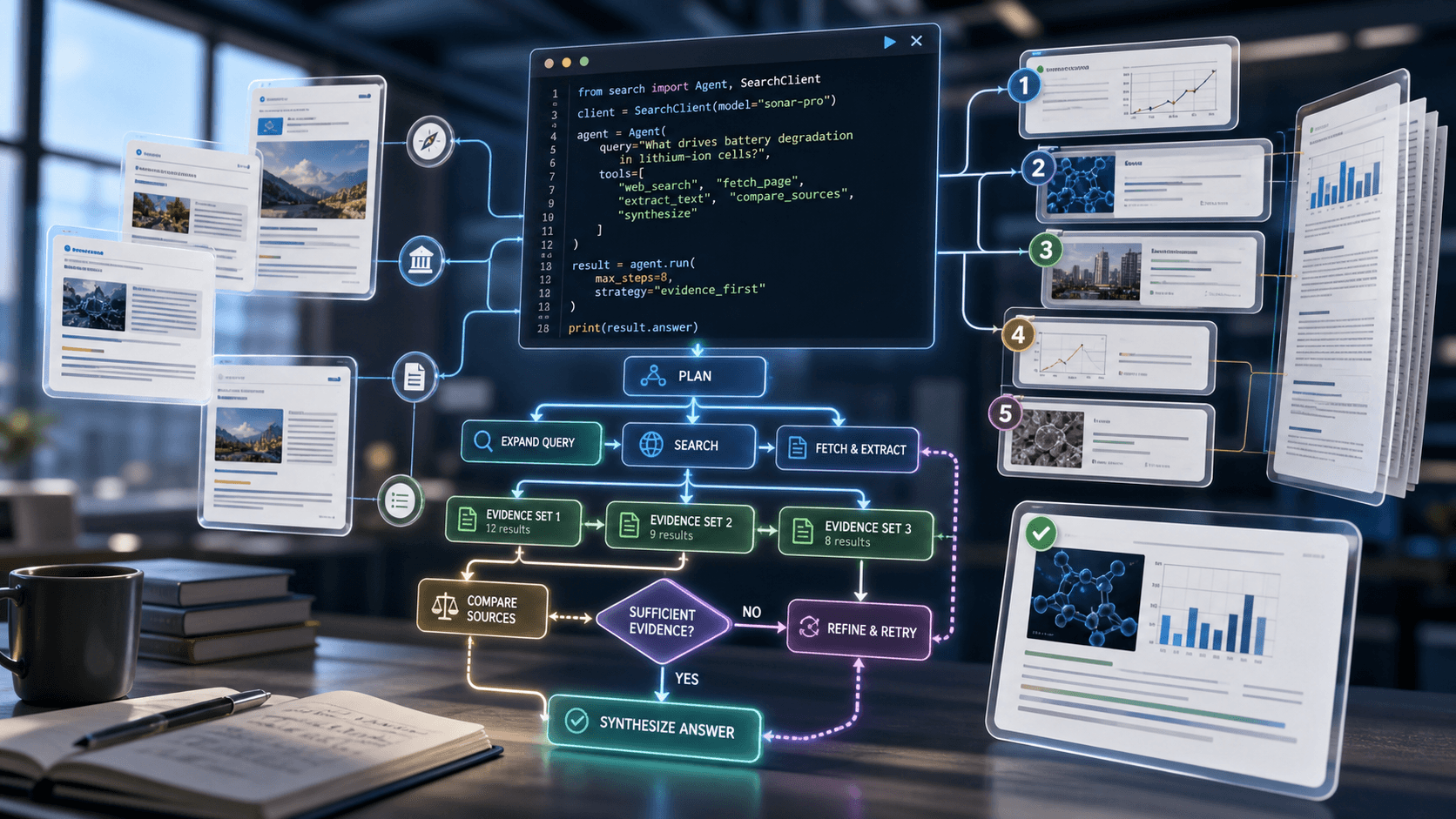
Perplexity's Search as Code architecture lets AI agents generate Python search pipelines instead of chaining brittle search calls.

Anthropic's acquisition of Stainless puts SDK generation and MCP server tooling closer to Claude's agent platform strategy.

Reported Instagram account takeovers through Meta's AI support flow expose the risks of giving agents account recovery permissions.

Agentic AI is forcing companies to redesign identity, access control, monitoring, and governance around non-human users.

A new arXiv comparison of Claude Code and Codex on Einstein Telescope data points to more realistic agent evaluation.

Google’s Gemini Spark signal points toward agentic assistants that live inside email and daily workflows.

Workday and Google Cloud are making HR and finance agents a governance story, not just a model capability story.

AWS made Amazon Nova Act HIPAA eligible, opening browser-based healthcare automation for claims, referrals and prior authorization workflows.

Cohere released Command A+ as an Apache 2.0 MoE model for enterprise reasoning, multilingual RAG, tool use and private deployment.

A factual Google I/O 2026 guide covering Gemini 3.5, Omni, Search agents, Spark, Antigravity, AI Studio, Workspace, Flow, Science and XR.

Copilot Studio computer-using agents becoming generally available shows enterprise automation is shifting from APIs to governed screen work.

Demis Hassabis framed agents as a rehearsal for AGI, sharpening the debate over autonomy, safety, and enterprise readiness.

Google’s Gemini Spark reframes personal AI as an always-on agent that connects Gmail, Calendar, Drive, Docs, Sheets, Slides, YouTube, Maps, and Chrome.

Microsoft is pushing Copilot Cowork and Work IQ toward mobile agent delegation, turning office AI from drafting help into managed execution.

Google I/O 2026 pushed Gemini across Search, Android, shopping, video, and developer tools, making agents a distribution strategy.

Anthropic's Stainless acquisition shows the agent race is shifting from model answers to reliable APIs, SDKs, tools, and MCP connectors.

Google's Daily Brief turns Gemini into a proactive overnight agent that reads connected apps and prepares the day ahead.

Microsoft and EY are investing over $1 billion to move enterprises from AI pilots to measurable, governed Frontier Firm transformation.

Anthropic is reportedly approaching its first operating profit, making enterprise Claude demand a test case for AI business economics.

Google I/O 2026 reframes developer tools around Antigravity, Gemini 3.5 Flash, managed agents, and production app building.

Anthropic acquired Stainless to deepen Claude SDKs, CLIs, and MCP server tooling as agents become useful through connected systems.

OpenAI and Dell are bringing Codex closer to hybrid and on-prem enterprise environments where sensitive code and workflows live.

Anthropic and KPMG are turning Claude into client-delivery infrastructure across audit, tax, legal, advisory, and private equity work.

Anthropic's Claude for Legal release shows how AI agents are moving into legal systems, documents, and review workflows.

ServiceNow Knowledge 2026 put AI Control Tower, autonomous CRM, and workflow agents at the center of governed enterprise automation.

Amazon Bedrock AgentCore Payments adds Coinbase and Stripe wallet rails so AI agents can pay for APIs, tools, content, and other agents.

Anthropic is reportedly in talks to buy Stainless, showing how SDKs and API tooling are becoming strategic infrastructure for AI agents.

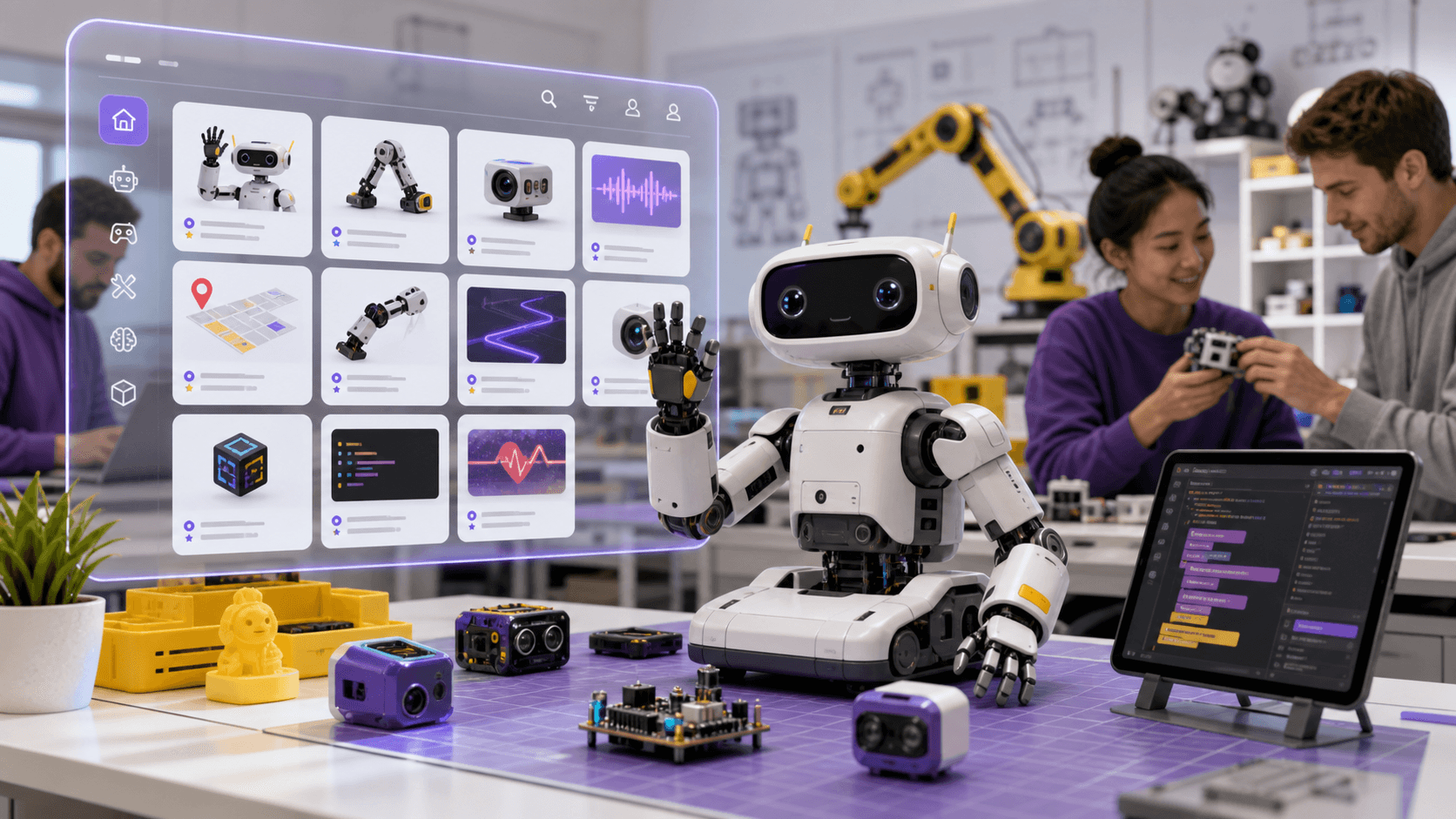
Hugging Face's Reachy Mini app store suggests the next AI platform fight may move from chat windows into small robots.

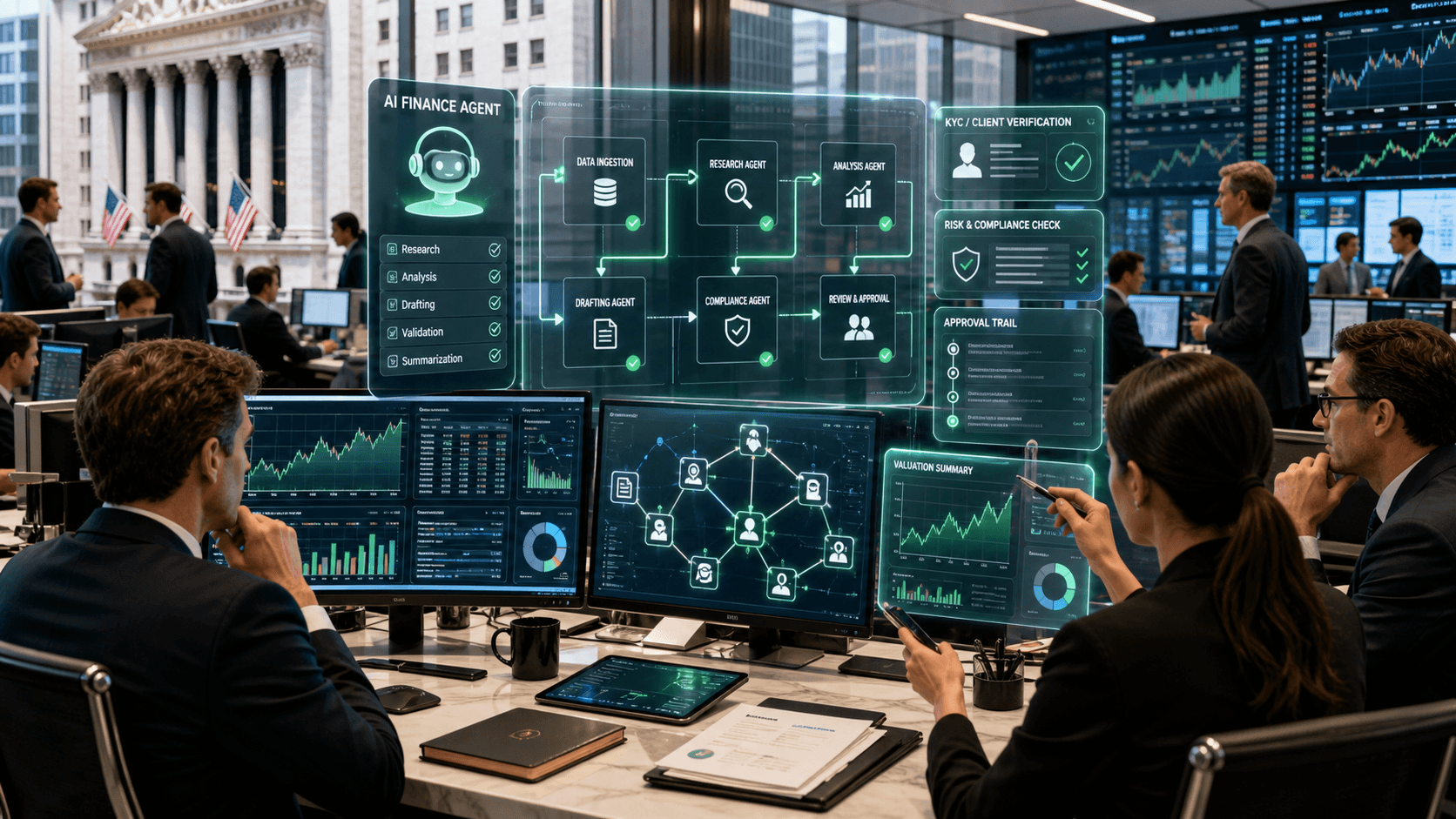
Anthropic's financial services agent push shows banks want AI inside controlled workflows, not just chat windows.

OpenAI Daybreak pushes Codex Security into vulnerability review, patch validation, and trusted cyber workflows.

OpenAI's new realtime voice models bring reasoning, translation, and streaming transcription into production voice agents.

Google DeepMind and Fenris Creations are using EVE Online as a controlled AI research environment for planning, memory, and complex behavior.

ElevenLabs says it passed 500 million dollars in ARR, showing how voice AI is moving into customer support, sales, media, and enterprise agents.

Temporal serverless workers and workflow streams highlight the infrastructure layer enterprises need for reliable long-running AI agents.

Anthropic introduced finance and insurance agent templates for Claude, showing how frontier labs are packaging AI for regulated workflows.

Google is reportedly testing Remy, a Gemini-based personal agent that could push AI assistants from chat into proactive daily workflow.

Sierra's new funding round and valuation show how customer-service agents are moving from demo category to enterprise platform fight.

Anthropic's dreaming preview and SpaceX compute deal show how agent memory, self-improvement, and infrastructure are converging.

Coinbase is cutting about 14 percent of staff while framing AI-native teams as a new operating model for faster execution.

Google's April AI updates connect Gemini Enterprise agents, Gemma 4, chips, Vids, Colab, and Deep Research into one stack.

Microsoft is framing AI adoption around four modes of human-agent work: author, editor, director, and orchestrator.

IBM’s watsonx Orchestrate eCommerce pilot packages partner-built AI agents with procurement, governance, and workflow orchestration.

ServiceNow and Google Cloud’s AI agent partnership brings A2A, A2UI, MCP, governance, and workflow execution into one enterprise story.
OpenClaw, the open-source autonomous agent framework, now processes 500K daily downloads. But CVE-2026-25253 exposed a critical flaw: when you give an AI agent full system access, who is watching the watcher?

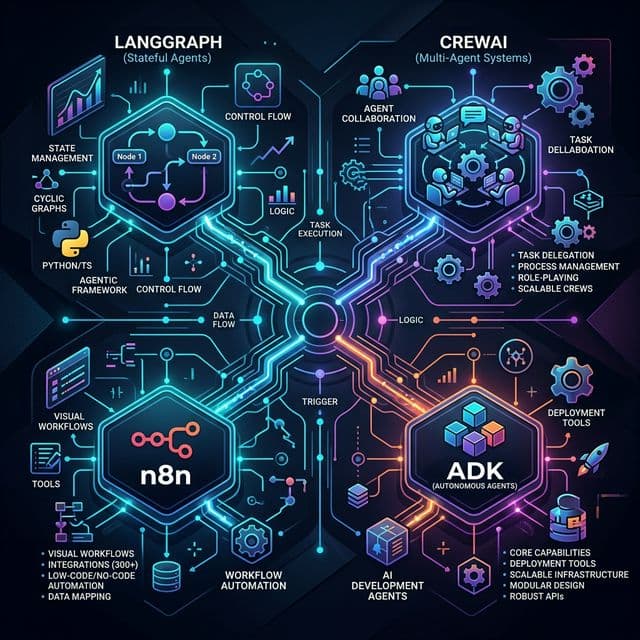
A comprehensive analyst report comparing the leading Python agent frameworks—Agno, LangGraph, CrewAI, and Strands—defining the infrastructure for 2026.

# The Agent Wars 2026: Navigating the Framework Explosion In early 2024, the term "AI Agent" was a buzzword for a slightly smarter Python script. Today, agents...

A complete guide to building predictable, production-ready AI agents. Learn why deterministic routing, structured outputs, and state machines are mandatory for enterprise AI.

Anthropic's latest update introduces Claude 4.6 Sonnet and Opus, featuring native persistent memory and the 'Digital Coworker' dashboard for seamless project continuity.

Anthropic has officially launched 'Computer Use' for Claude, allowing the agent to autonomously navigate desktops, click buttons, and execute complex cross-app workflows.

Microsoft's new 'Copilot Cowork' shifts AI from a passive assistant to an active digital teammate, capable of orchestrating complex file-based workflows across the M365 ecosystem.

Perplexity AI expands into personalized medicine with its new Health Hub, using agentic AI to synthesize wearable data and medical records from 1.7M providers.

Google's latest upgrade to Gemini for Workspace transforms your Drive from a static storage unit into an active swarm of agents capable of cross-app orchestration.

Gartner's latest forecast indicates a massive shift in corporate software architecture, as task-specific AI agents become the new standard for enterprise applications.

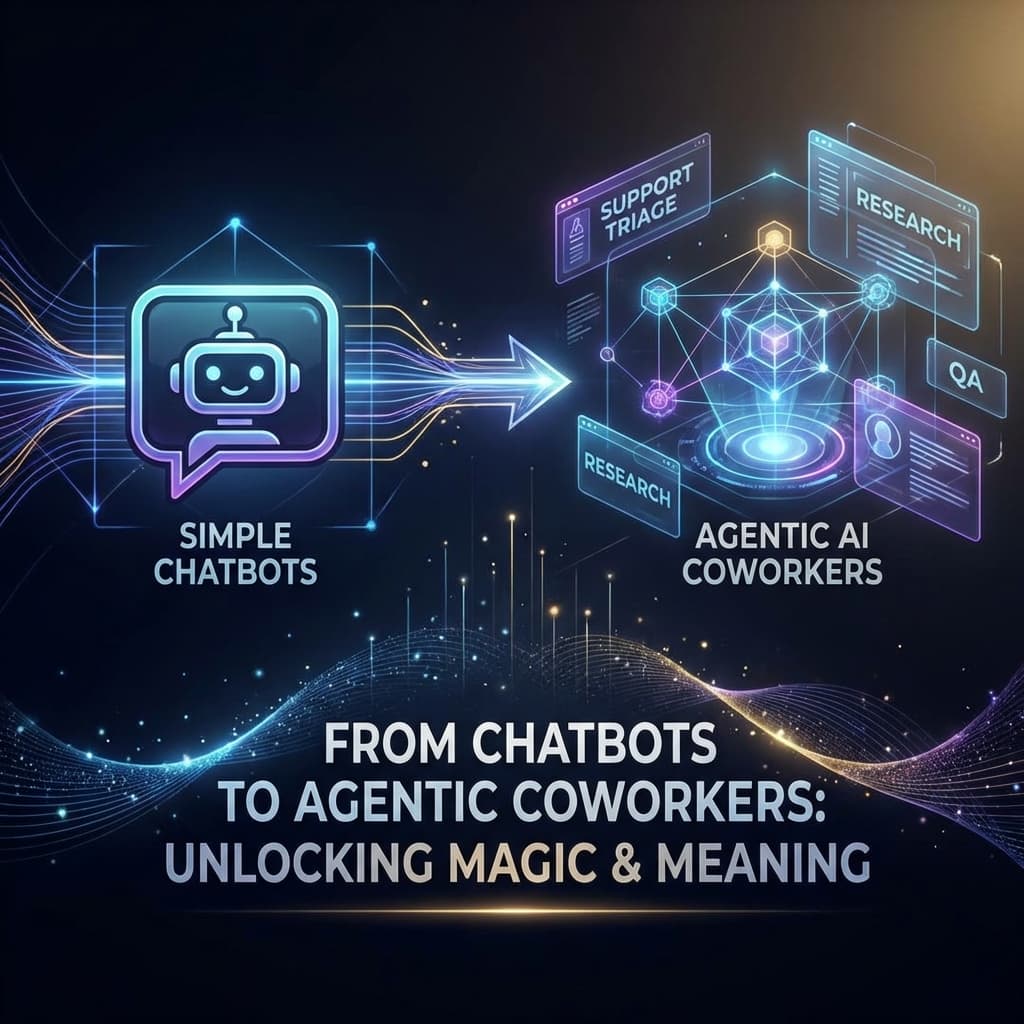
Discover how AI is evolving from simple chat interfaces to autonomous agents that act as coworkers. This guide explains agentic workflows, realistic use cases in support and research, and how your team can start small with AI agents.

Taking your first AI agent from a prototype to a production environment is a major milestone. Learn the step-by-step process of defining tasks, designing tools, and setting the rigorous guardrails needed for safe deployment.

A 3,000+ word definitive guide to the shift from standalone chatbots to sophisticated multi-agent orchestration systems. Explore architectural patterns, economic impacts, and the future of autonomous digital workforces.

How one compromised agent can corrupt your entire swarm. Learn how to implement mTLS, message signing, and zero-trust security for inter-agent communication.

Why the future of AI is local. Learn how to deploy 'Sovereign Nodes' using vLLM and private GPU clusters to ensure data privacy and zero API dependency.

Why 'It feels right' is not a unit test. Learn how to combine the speed of LLM 'Vibe Coding' with the safety of formal verification for mission-critical agents.

Does a 2-million-token context window make RAG obsolete? A benchmark study on 'Lost in the Middle' phenomena versus optimized vector search for agentic workflows.

What happens when 'cheap tokens' add up to massive enterprise costs. Learn how to build an Inference Router to dynamically switch between cloud and local models.

Solving the 'who did this?' problem in multi-agent systems. Learn how to implement Agent Identity (CIMD) and OAuth scopes specifically designed for AI agents.

Why human feedback (RLHF) is the bottleneck for agent training. Learn how Reinforcement Learning from Verifiable Rewards (RLVR) is enabling agents to self-correct using code and math.

Managing the chaos of unversioned prompts, 'zombie agents,' and hidden tool calls. Learn how to implement Agent Lifecycle Management (ALM) to prevent the technical debt of the future.

Why monolithic agents are a trap for enterprise AI. Learn how to architect a fleet of 'Nano-Agents' for 50ms latency, improved reliability, and massive cost savings.

Why synchronous 'Request-Response' models are the bottleneck for AI agents. Learn how to build truly reactive, event-driven agentic swarms using message brokers like Kafka and RabbitMQ.
Learn how to implement comprehensive guardrails for AI agents through input/output validation, safety mechanisms, and human oversight. Prevent data leaks, prompt injections, and hallucinations while ensuring secure enterprise adoption.

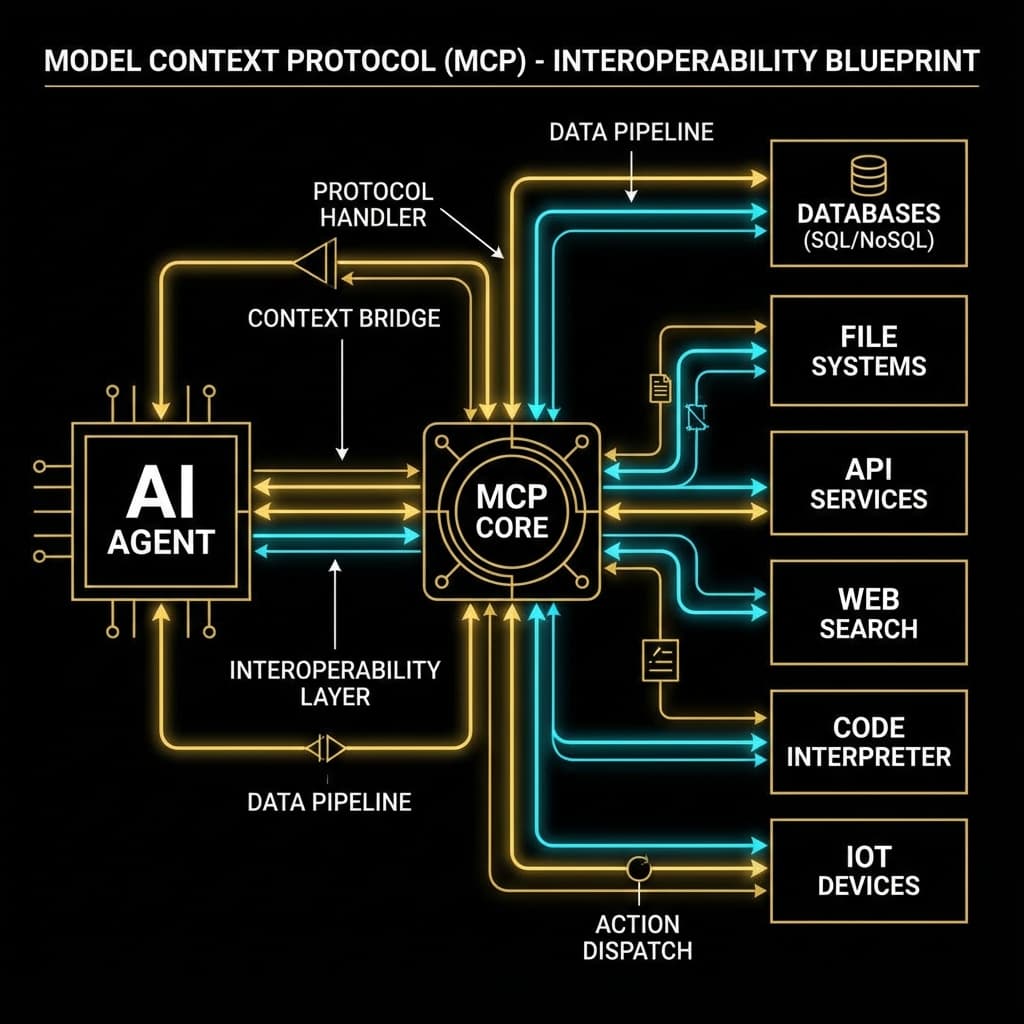
A deep dive into the Model Context Protocol (MCP), explaining why it's the missing link for production AI agents and how to implement it.

Stop guessing and starting engineering. A technical guide to the principles of reliable prompt design for AI agents.

Why most AI agents fail in production and how to build systems that detect, correct, and learn from their own errors.