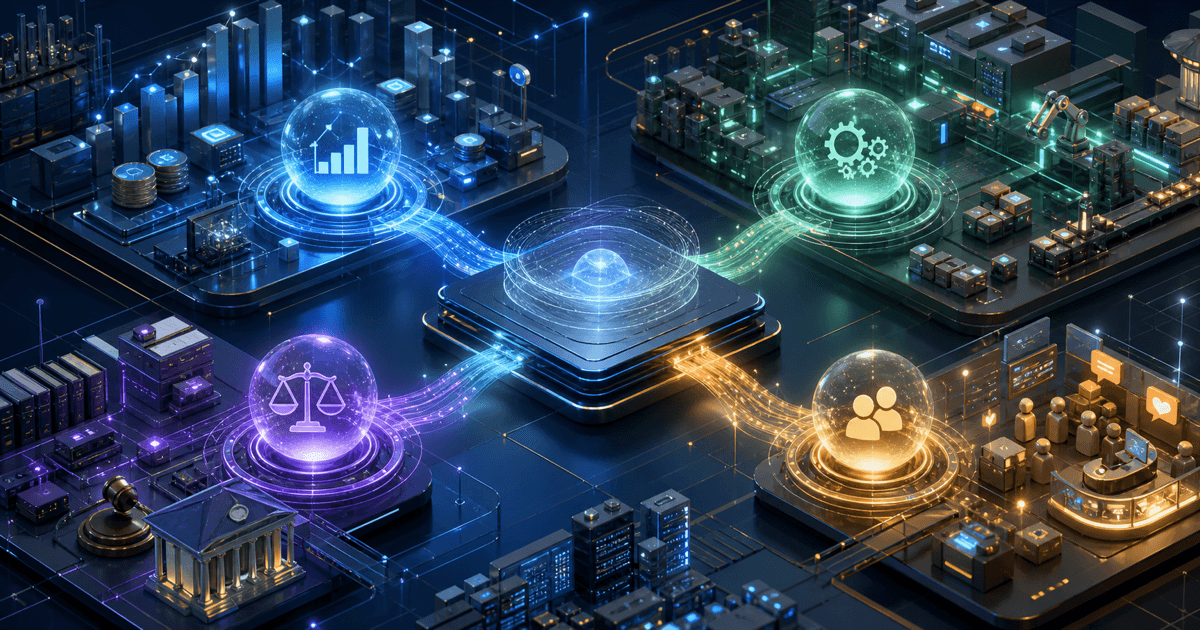
Cisco's AI WAN Forecast Says Inference Is Becoming Network Architecture
Cisco's 2026 WAN report frames agentic AI and inference traffic as a long-term networking design problem.
159 articles

Cisco's 2026 WAN report frames agentic AI and inference traffic as a long-term networking design problem.

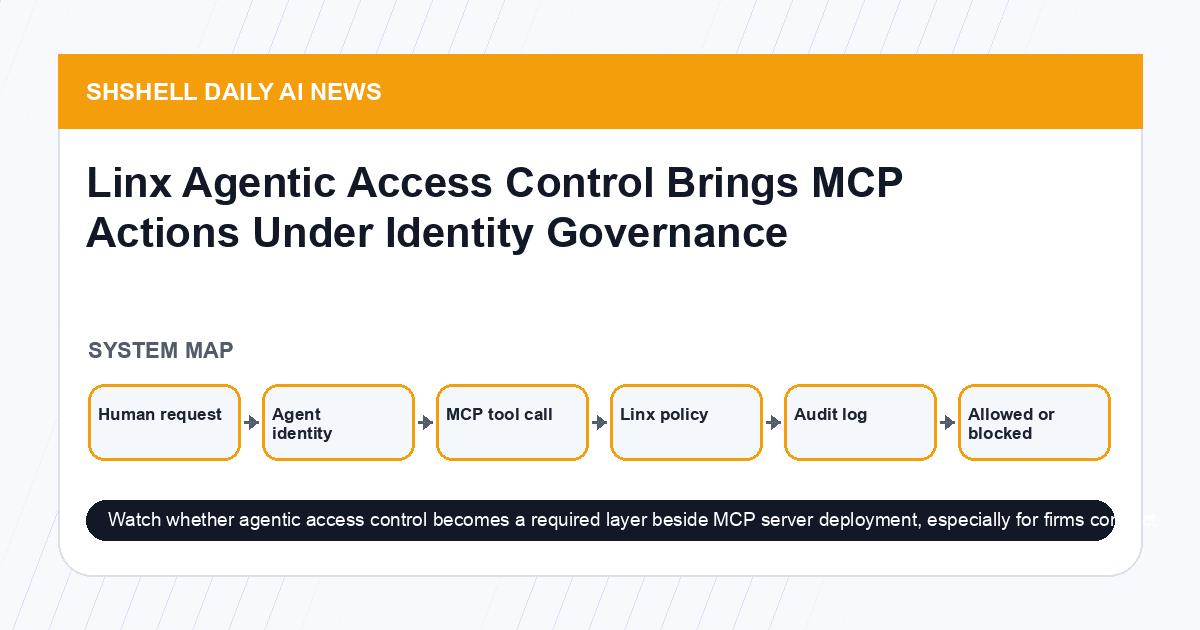
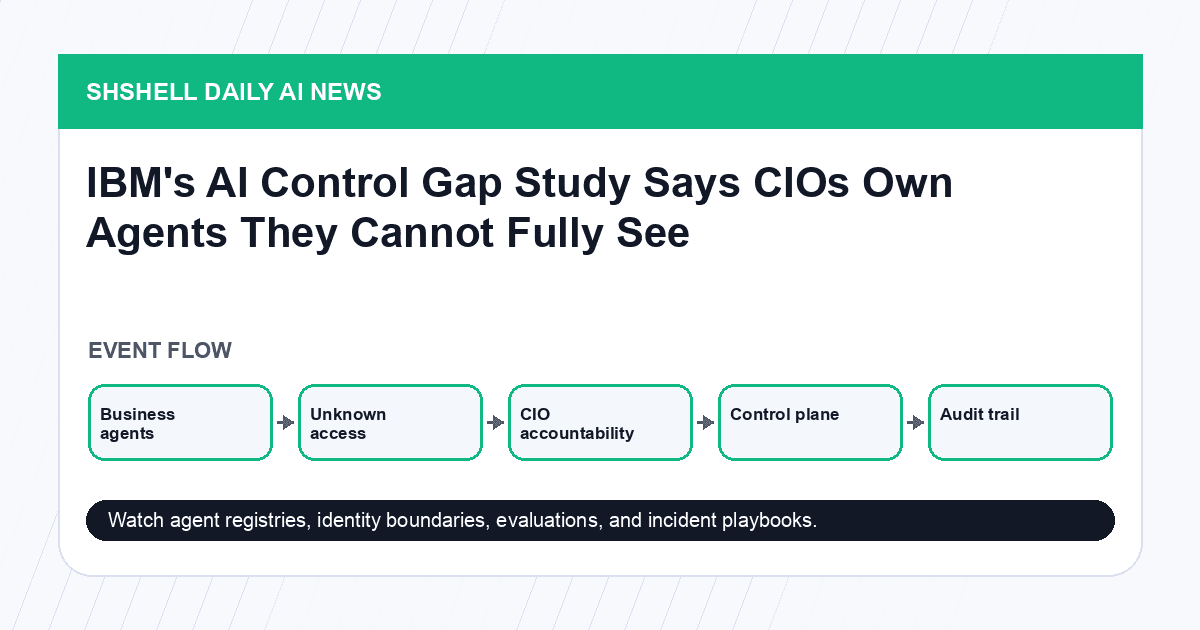
Agentic AI is forcing companies to redesign identity, access control, monitoring, and governance around non-human users.

A new arXiv comparison of Claude Code and Codex on Einstein Telescope data points to more realistic agent evaluation.

OpenAI is retiring o3 and GPT-4.5 in ChatGPT, forcing teams to treat model access as a managed dependency.

Nvidia's Cosmos 3 pushes open world models toward robotics, autonomous vehicles, and physical AI infrastructure.

Product Hunt’s May 31 leaderboard points to user demand for local search, persistent AI memory, and research capture workflows.

The debate over vibe coding, Claude Code, Cursor, and AI-assisted development is becoming a fight about ownership.

Google’s Gemini Spark signal points toward agentic assistants that live inside email and daily workflows.

OpenAI’s Codex expansion into ChatGPT mobile changes the approval loop for remote software agents.

Anthropic’s reported valuation lead over OpenAI is now a proxy fight about AI margins, chips, and founder wealth.

OpenAI’s ChatGPT personal finance preview uses Plaid account connections, raising a sharper trust test for consumer AI.

Airbus and Mistral AI are partnering on sovereign aerospace AI across commercial, defense, helicopter, and space operations.

Microsoft’s NLWeb project is becoming a practical test for whether websites need agent-ready conversational interfaces.

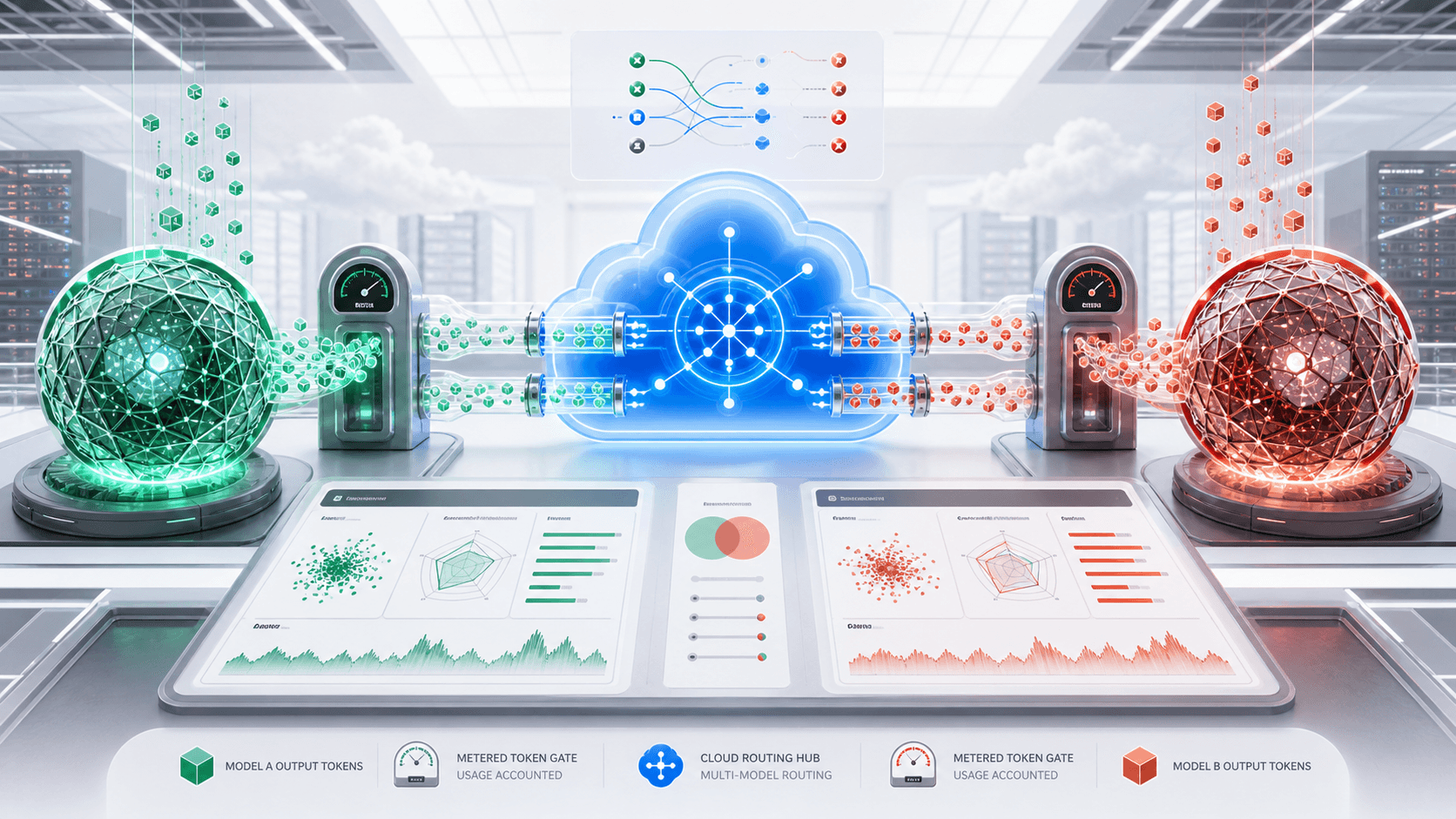
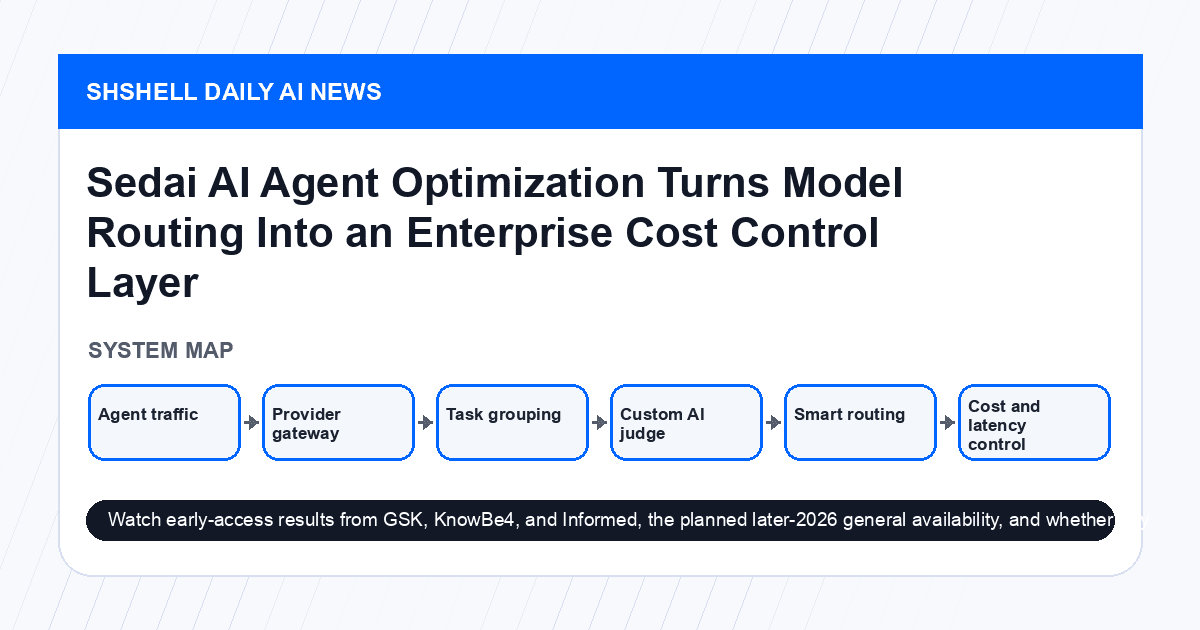
Enterprise leaders are pushing for cheaper AI tokens as model choice becomes a procurement and margin discipline.

Groq is reportedly raising 650 million dollars as AI infrastructure shifts from training chips to inference clouds.

Mistral’s AI Now Summit sharpened the debate over European AI, on-prem deployment, small models, and industrial use cases.

Gemini-powered Siri rumors and Gemini 3.5 Flash chatter show why Apple’s AI problem is about routing, privacy, and trust.

OpenAI’s Rosalind Biodefense program highlights the tension between defensive acceleration and dual-use biology risk.

Anthropic’s $65B Series H and $965B valuation sparked a debate about AI revenue, compute demand, and enterprise ROI.

Claude Opus 4.8 triggered a large Hacker News debate about whether frontier model gains are real or just harder to perceive.

Andrej Karpathy joining Anthropic highlights a shift from bigger runs alone toward AI-assisted pretraining research.

Zero Shot shows how former OpenAI builders are turning insider model knowledge into early-stage AI investing.

Rocket 1.0 argues that the next AI software fight is deciding what to build before vibe coding begins.

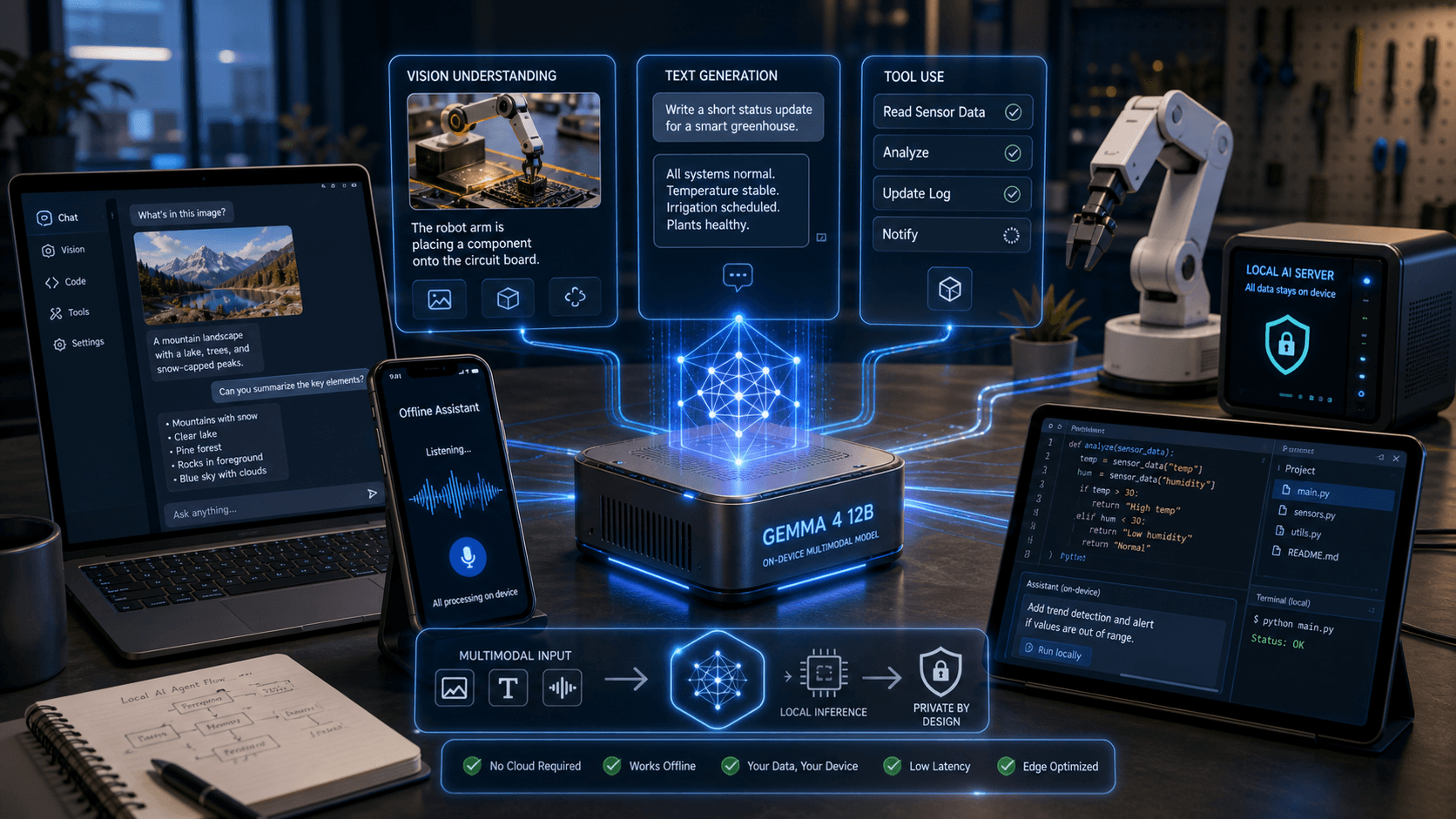
Google AI Edge Eloquent quietly turns on-device Gemma speech models into a privacy-first dictation wedge.

Workday and Google Cloud are making HR and finance agents a governance story, not just a model capability story.

ByteDance is reportedly developing Arm and RISC-V CPUs for AI infrastructure as chip shortages push hyperscale buyers toward custom silicon.

Cognition raised more than $1 billion as Devin turns autonomous software work into a measurable enterprise budget line.

Illinois advanced a frontier AI safety bill requiring public plans and independent audits, turning state law into an AI governance test bed.

Meta is rolling out app subscriptions and testing Meta AI paid plans, turning consumer AI compute into a social platform product.

Robinhood opened dedicated accounts and cards to AI agents, making financial autonomy the next major test for agent safety.

Anthropic raised $65 billion at a $965 billion valuation, turning Claude demand, compute access, and AI safety into one capital story.

Leaked Siri app plans suggest Apple may blend Gemini-powered AI search, local models, and iOS distribution into a ChatGPT rival.

Asana acquired StackAI for $75 million, signaling that workplace platforms want to own the human-agent operating layer.

Anthropic released Claude Opus 4.8 with Dynamic Workflows, pushing large codebase migrations and parallel subagents into focus.

XCENA raised $135 million as investors focus on memory bandwidth, not only compute, as the next constraint for AI inference.

OpenBMB's MiniCPM5-1B brings 1B-class open-weight performance, hybrid reasoning and long context to local, edge and low-cost agent workflows.

Windows 365 for Agents and Microsoft Agent 365 point to a new enterprise pattern: governed agents running inside auditable Cloud PCs.

AWS made Amazon Nova Act HIPAA eligible, opening browser-based healthcare automation for claims, referrals and prior authorization workflows.

Cohere released Command A+ as an Apache 2.0 MoE model for enterprise reasoning, multilingual RAG, tool use and private deployment.

OpenAI's May 2026 election plan adds AP results, Democracy Works voting info, cyber defense support, SynthID and C2PA provenance.

A factual Google I/O 2026 guide covering Gemini 3.5, Omni, Search agents, Spark, Antigravity, AI Studio, Workspace, Flow, Science and XR.

Copilot Studio computer-using agents becoming generally available shows enterprise automation is shifting from APIs to governed screen work.

A new Brookings policy brief argues that companion bots need public-health style oversight as emotional AI moves into daily life.

OpenAI's Gartner recognition for Codex signals that enterprise coding agents are becoming a governed software buying category.

Google DeepMind's Project Genie expansion shows why interactive world models may become infrastructure for robotics, maps, and agent training.

Demis Hassabis framed agents as a rehearsal for AGI, sharpening the debate over autonomy, safety, and enterprise readiness.

Google’s Gemini Spark reframes personal AI as an always-on agent that connects Gmail, Calendar, Drive, Docs, Sheets, Slides, YouTube, Maps, and Chrome.

Dell Deskside Agentic AI pairs workstations, NVIDIA NemoClaw, and OpenShell to run governed agents near enterprise data.

Gemini for Science packages hypothesis generation, computational discovery, and paper triage into agentic tools for researchers.

Google's Daily Brief turns Gemini into a proactive overnight agent that reads connected apps and prepares the day ahead.

OpenAI, Kakao, ElevenLabs, and Nvidia adopting Google's SynthID pushes invisible AI watermarking closer to a practical provenance layer.

Microsoft and EY are investing over $1 billion to move enterprises from AI pilots to measurable, governed Frontier Firm transformation.

Andrej Karpathy's move to Anthropic puts pretraining, Claude-assisted research, and elite AI talent back at the center of the frontier race.

Google's Gemini 3.5 Flash release pushes frontier model competition toward fast agentic workflows, coding, MCP tool use, and controllable thinking.

Google's Gemini Omni brings conversational video editing, Flow agents, and Flow Music tools into a broader creative AI studio.

Google's new AI Ultra plan bundles Gemini, Antigravity, Flow, NotebookLM, and higher limits into a $100 agentic productivity tier.

Google's Universal Cart links Search, Gemini, YouTube, Gmail, Wallet, UCP, and merchants into an agentic commerce layer.

Anthropic’s expanded Amazon compute agreement makes Claude’s future a story about Trainium, Bedrock, power, latency, and enterprise capacity.

Anthropic acquired Stainless to deepen Claude SDKs, CLIs, and MCP server tooling as agents become useful through connected systems.

OpenAI and Dell are bringing Codex closer to hybrid and on-prem enterprise environments where sensitive code and workflows live.

Anthropic and KPMG are turning Claude into client-delivery infrastructure across audit, tax, legal, advisory, and private equity work.

ServiceNow Knowledge 2026 put AI Control Tower, autonomous CRM, and workflow agents at the center of governed enterprise automation.

NVIDIA and Marvell expanded NVLink Fusion work, pointing toward semi-custom AI factories, optical links, and AI-RAN infrastructure.

WIRobotics raised about 68 million dollars to scale wearable walking-assist robots and physical AI partnerships with AWS and NVIDIA.

Google is bringing Gemini and auto browse to Chrome on Android, making the browser a place where agents can summarize and complete web tasks.

Amazon Bedrock AgentCore Payments adds Coinbase and Stripe wallet rails so AI agents can pay for APIs, tools, content, and other agents.

Google’s Gemini Intelligence for Android brings multi-step app automation, smarter Chrome, autofill, Rambler, and generated widgets.

A four-year 200 million dollar commitment targets AI tools, datasets, and benchmarks for health, education, and economic mobility.

Anthropic and PwC expanded their alliance around Claude Code, Claude Cowork, and finance transformation for regulated enterprises.

Anthropic packaged Claude Cowork connectors and 15 workflows for SMBs, bringing agentic AI into everyday operations.

Codex in the ChatGPT mobile app turns long-running coding agents into work that developers can steer from anywhere.

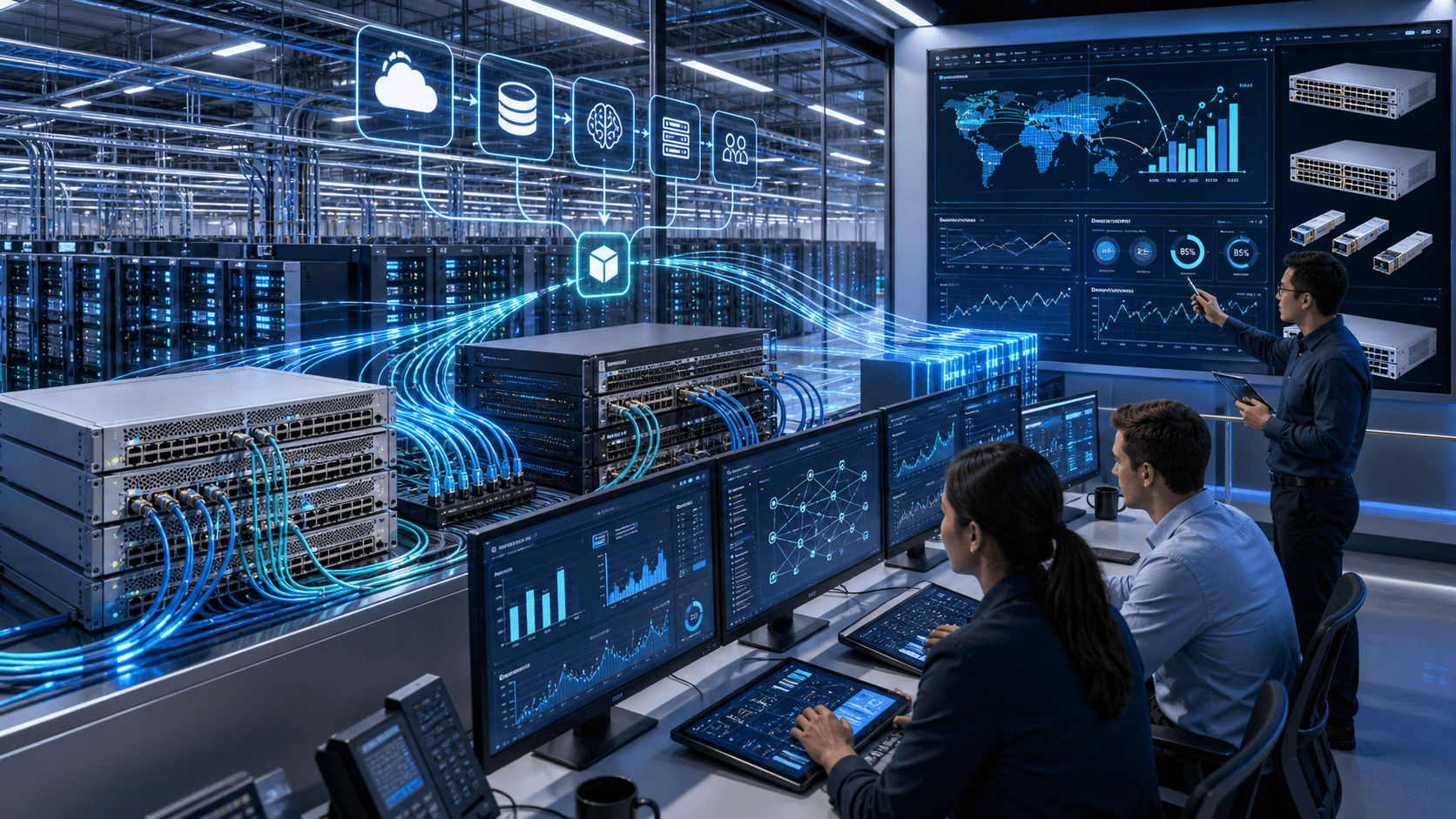
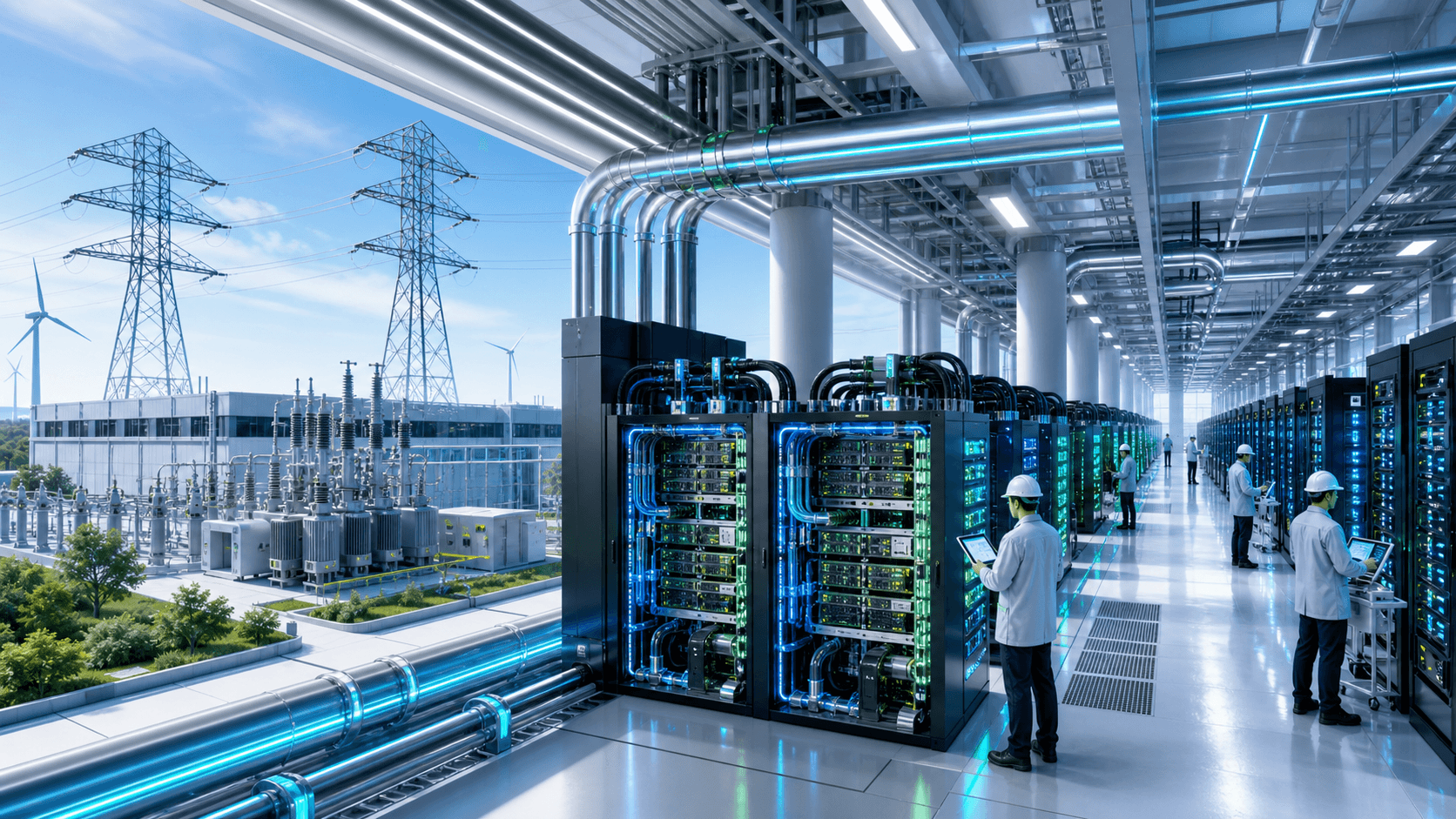
Cisco's raised AI order forecast shows hyperscaler demand is turning networking fabric into a central AI infrastructure constraint.

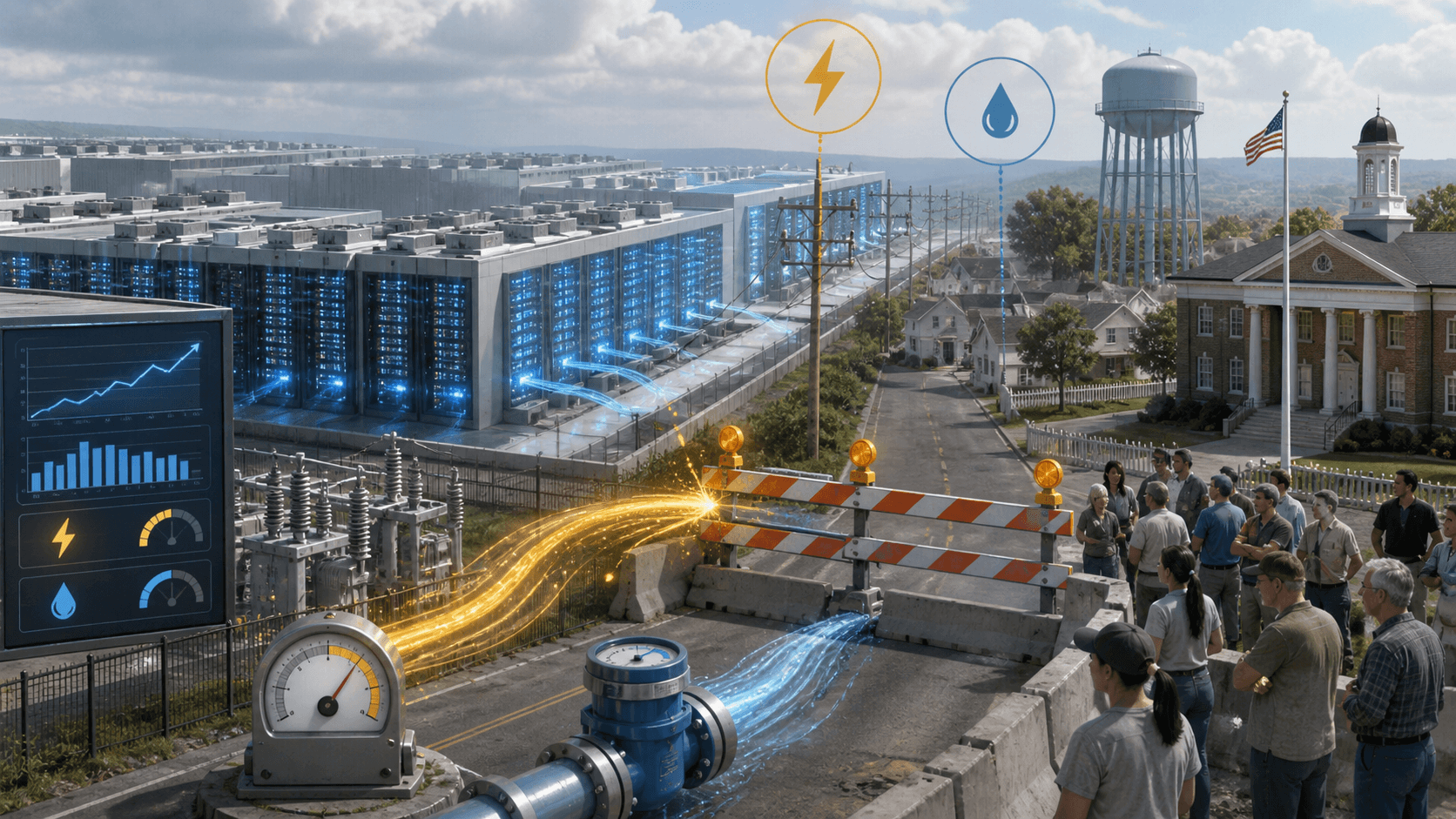
A Georgia data-center water dispute shows why AI infrastructure must make local utility impacts visible before trust collapses.

Court disclosures around Microsoft's OpenAI spending reveal how frontier AI partnerships turn cloud infrastructure into balance-sheet strategy.

Court scrutiny of Sam Altman's outside stakes shows why frontier AI governance now has to account for capital networks.

Wirestock's Series A shows multimodal training data is becoming a supply-chain layer for foundation AI labs.

Google's Android Show and I/O previews point to a developer platform shift where Gemini-powered agents become product infrastructure.

Hugging Face's Reachy Mini app store suggests the next AI platform fight may move from chat windows into small robots.

Colorado lawmakers killed a data-center regulation push, leaving the AI power boom to collide with local energy and water concerns.

Reports of Meta employee unrest over AI monitoring show why workforce transformation fails when trust becomes an afterthought.

OpenAI's Chris Lehane is framing AI as an intelligence utility, raising harder questions for government and business operating models.

IREN's AI infrastructure volatility shows that GPU demand is real, but financing, power, and execution risk still decide winners.

Anthropic's financial services agent push shows banks want AI inside controlled workflows, not just chat windows.

EU officials are exploring AI Act simplification as companies warn that complex rules could slow adoption without improving trust.

Amazon's reported Titus data-center effort highlights how power, cooling, and rack design now shape AI competition.

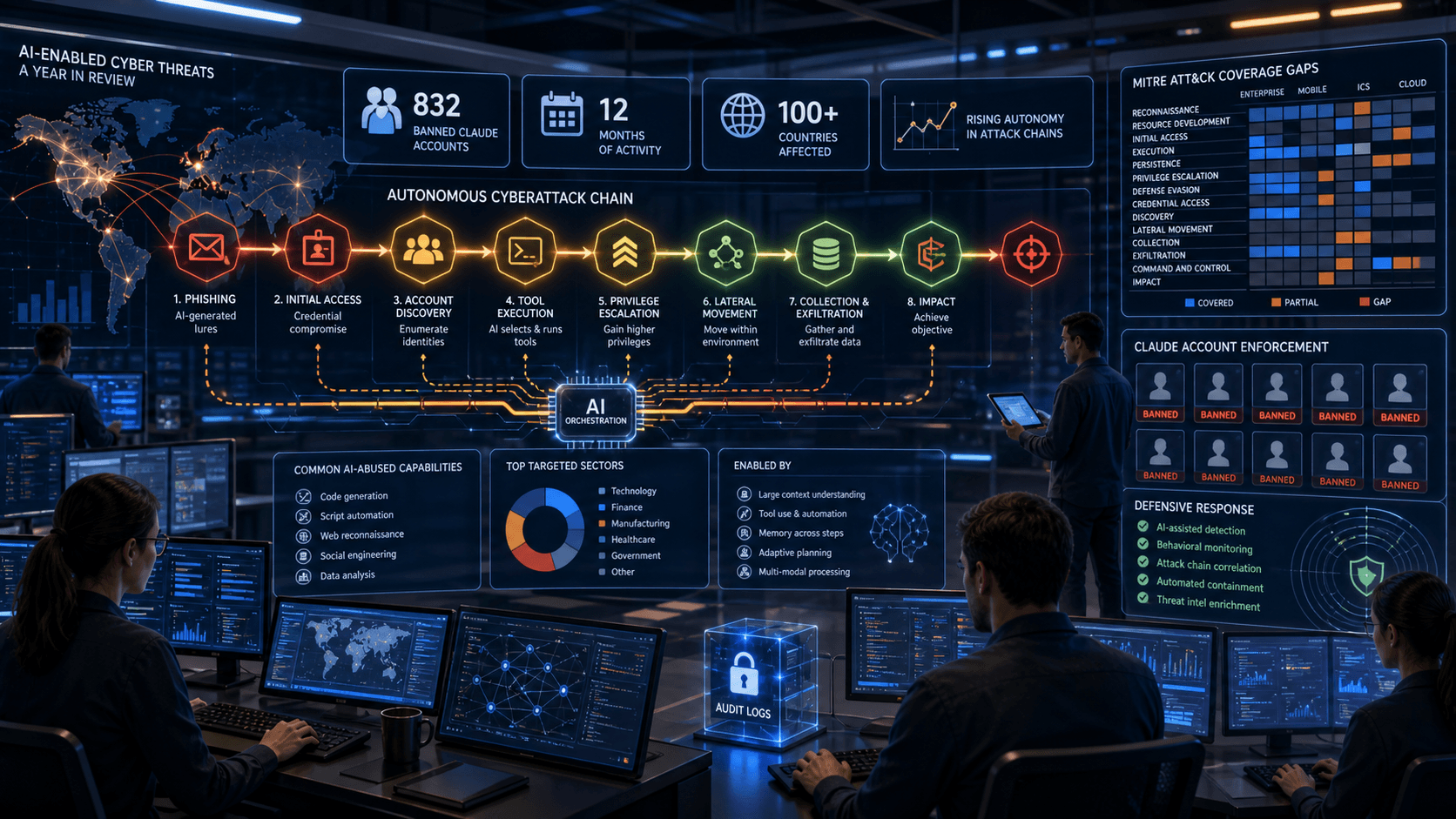
Google's latest threat reporting shows AI moving from phishing support into vulnerability discovery and exploit workflows.

OpenAI's expansion of Trusted Access for Cyber with GPT-5.5 and GPT-5.5-Cyber shows how verified access, safety controls, and defender tooling are redefining the cyber market.

Anthropic introduced Natural Language Autoencoders, a research direction for translating Claude activations into readable explanations.

Anthropic donated Petri, its open-source alignment testing tool, signaling that simulated model audits are becoming shared AI safety infrastructure.

Google DeepMind shared AlphaEvolve impact work, showing how a Gemini-powered coding agent can optimize algorithms across science and infrastructure.

NVIDIA and Corning announced a long-term optical connectivity partnership, making fiber capacity part of the AI factory race.

OpenAI’s DeployCo points to a new enterprise services layer, where deployment, workflow design, and measurable business impact matter as much as model capability.

OpenAI is rolling out GPT-5.5-Cyber through Trusted Access for Cyber, making identity and safeguards central to advanced AI security work.

OpenAI's MRC announcement signals that the next bottleneck in frontier AI is not just compute, but the reliability and topology of the networks that move training traffic at massive scale.

OpenAI's latest Codex safety framing shows how sandboxing, approvals, network policies, and telemetry are turning coding agents into production systems.

OpenAI's latest enterprise guidance shows how AI adoption is shifting from pilots to governed operating models built on trust, workflow design, and quality at scale.

Eclipse’s 1.3 billion dollar fund signals a larger investor shift toward robotics, industrial automation, and physical AI startups.

Uber’s expanded AWS chip use highlights how custom AI silicon is moving from cloud marketing into production workload strategy.

Arcee AI’s Trinity Large Thinking model points to a new open-weight strategy for enterprises that want control and portability.

Court testimony in Elon Musk v OpenAI puts safety teams, board oversight, and product pressure at the center of AI governance.

Anthropic Mythos is forcing Washington to rethink frontier AI oversight, cybersecurity testing, and pre-release evaluations.

Google DeepMind and Fenris Creations are using EVE Online as a controlled AI research environment for planning, memory, and complex behavior.

ElevenLabs says it passed 500 million dollars in ARR, showing how voice AI is moving into customer support, sales, media, and enterprise agents.

Ineffable Intelligence raised 1.1 billion dollars to pursue reinforcement-learning systems that can learn beyond human-generated data.

Mistral Workflows brings durable execution to enterprise AI, showing why reliable orchestration now matters as much as model quality.

Temporal serverless workers and workflow streams highlight the infrastructure layer enterprises need for reliable long-running AI agents.

Anthropic introduced finance and insurance agent templates for Claude, showing how frontier labs are packaging AI for regulated workflows.

Cerebras is reportedly targeting a valuation up to $26.6 billion, giving public investors a sharper test of AI chip demand beyond Nvidia.

Panthalassa raised $140 million to build wave-powered AI inference nodes at sea, a sign of how far the compute bottleneck is pushing infrastructure.

A federal judge let key copyright claims against Nvidia proceed, keeping training-data risk close to the AI infrastructure boom.

Google is reportedly testing Remy, a Gemini-based personal agent that could push AI assistants from chat into proactive daily workflow.

Nutanix's agentic AI push highlights the infrastructure, governance, Kubernetes, and cost controls enterprises need for production AI agents.

French startup Genesis AI unveiled a robotics model and human-like hand, showing Europe's push into adaptable physical AI systems.

Sierra's new funding round and valuation show how customer-service agents are moving from demo category to enterprise platform fight.

Google DeepMind added multimodal retrieval, metadata filtering, and page-level citations to Gemini API File Search.

Anthropic's dreaming preview and SpaceX compute deal show how agent memory, self-improvement, and infrastructure are converging.

CAISI found DeepSeek V4 Pro is China's strongest evaluated model but still about eight months behind the U.S. frontier on aggregate tests.

CAISI found DeepSeek V4 Pro is China's strongest evaluated model but still about eight months behind the U.S. frontier on aggregate tests.

Intel hired Qualcomm veteran Alex Katouzian to lead Client Computing and Physical AI, signaling a wider shift beyond traditional PCs.

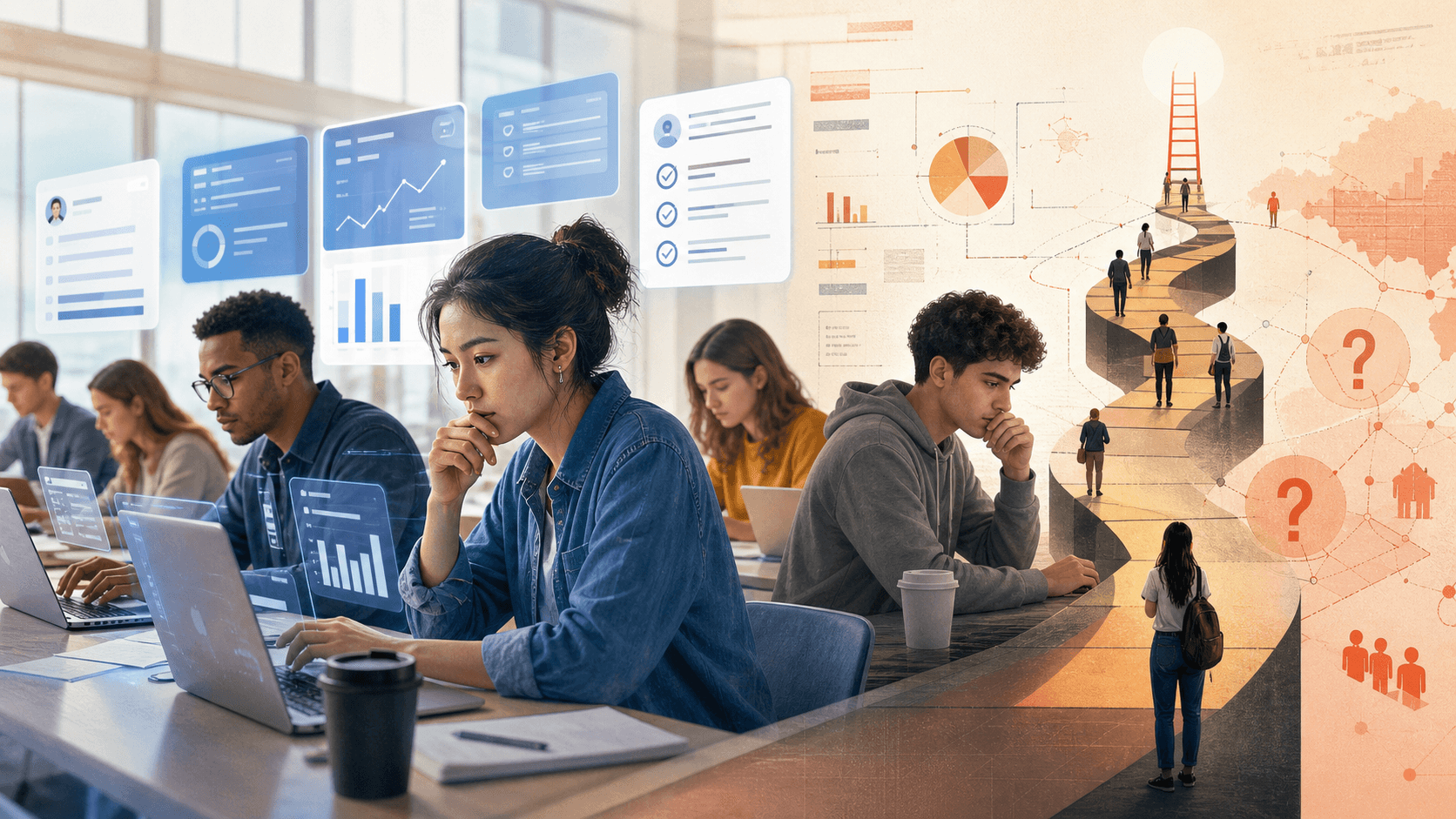
A Chinese court said companies cannot fire workers solely because AI can replace them, creating an early legal signal for AI labor disputes.

Coinbase is cutting about 14 percent of staff while framing AI-native teams as a new operating model for faster execution.

Micron and Samsung rallies show how AI memory demand is reshaping data centers, consumer devices, and semiconductor economics.

Google's April AI updates connect Gemini Enterprise agents, Gemma 4, chips, Vids, Colab, and Deep Research into one stack.

China's move to block Meta's Manus AI deal shows how autonomous-agent startups are becoming national technology assets.

Huawei's expected AI chip gains in China show how export controls are pushing inference hardware, software, and sovereignty together.

China's new campaign against disorder in AI apps highlights filing, security review, training data, and labeling as control points.

EU outreach to Anthropic over Mythos turns frontier AI safety into a live cybersecurity and banking resilience question.

Meta reportedly acquired Assured Robot Intelligence, adding humanoid robotics expertise as AI labs push from chat into physical systems.

xAI shipped Grok 4.3 and a fast voice-cloning suite, using low pricing and media generation to pressure larger AI labs.

OpenAI is reportedly building a multibillion-dollar enterprise AI deployment vehicle with private-equity backers.

Microsoft is framing AI adoption around four modes of human-agent work: author, editor, director, and orchestrator.

CAISI is reportedly expanding pre-deployment testing with Google DeepMind, Microsoft, and xAI, making frontier model release governance harder to ignore.

U.S. officials are reportedly escalating claims that Chinese AI firms used distillation to replicate American frontier model capability.

Meta’s Q1 2026 results raised capex guidance to $125B-$145B as AI infrastructure becomes the company’s main strategic bet.

IBM’s watsonx Orchestrate eCommerce pilot packages partner-built AI agents with procurement, governance, and workflow orchestration.

Google is rolling Gemini into cars with Google built-in, while GM prepares OTA updates for roughly 4 million vehicles.

Anthropic is reportedly nearing a $1.5B Wall Street joint venture to sell AI tools into private-equity-backed companies.

NIST’s AI RMF critical infrastructure concept note gives utilities and operators an early map for trustworthy AI risk management.

Anthropic’s Claude Security public beta gives enterprise teams AI-assisted code scanning, validation, and patch workflows powered by Opus 4.7.

ServiceNow and Google Cloud’s AI agent partnership brings A2A, A2UI, MCP, governance, and workflow execution into one enterprise story.

Meta’s plan to add tens of millions of AWS Graviton cores reframes agentic AI infrastructure beyond GPUs and training clusters.

The Pentagon’s classified AI agreements show how frontier models are moving from demos into defense networks with unresolved governance stakes.

NVIDIA Ising open AI models target quantum calibration and error correction, positioning AI as the control layer for practical quantum computing.

Google DeepMind announced an AI co-clinician research initiative for AI-augmented care, aiming to amplify doctors rather than replace them.

Anthropic released Claude connectors for Adobe, Blender, Autodesk Fusion, Ableton, Splice, and other creative tools, turning Claude into a production-side agent.

OpenAI models, Codex, and Managed Agents are entering Amazon Bedrock in limited preview, changing enterprise AI procurement and governance.

OpenAI Advanced Account Security brings passkeys, hardware keys, stricter recovery, and training exclusion to ChatGPT and Codex accounts.

Colorado's proposed AI Act revision shifts from regulating high-risk systems to regulating high-risk decisions. The change could set the template for the entire US approach to AI governance.

OpenAI's GPT-5.5 'Spud' redefines the frontier as a worker-class model built for autonomous task completion. Benchmarks reveal a neck-and-neck battle with Claude Opus 4.7 across agentic workloads.

The Pentagon signed AI agreements with OpenAI, Google, NVIDIA, and four others for classified military networks. Anthropic was ejected after refusing to drop its prohibition on autonomous lethal weapons.

Meta unveiled Muse Spark, the first model from its Superintelligence Labs. Closed-source, multimodal, and reasoning-native, it marks a fundamental strategic break from the open-weights Llama era.

xAI CFO Anthony Armstrong has departed, the latest in a wave of senior exits at Elon Musk's AI company. The departures raise serious questions about xAI's culture, strategy, and competitive future.

CoreWeave and Meta expanded their cloud deal to $21 billion, bringing total commitments to $35.2 billion through 2032. This is the blueprint for how hyperscalers are solving the compute crunch.

OpenAI has paused the Stargate UK data center project, citing energy costs and regulatory headwinds. The decision exposes critical fault lines in Britain's AI infrastructure strategy.

Florida AG James Uthmeier opened a sweeping probe into OpenAI as the company inches toward a $1 trillion IPO. Here's what it means for AI regulation and the public markets.


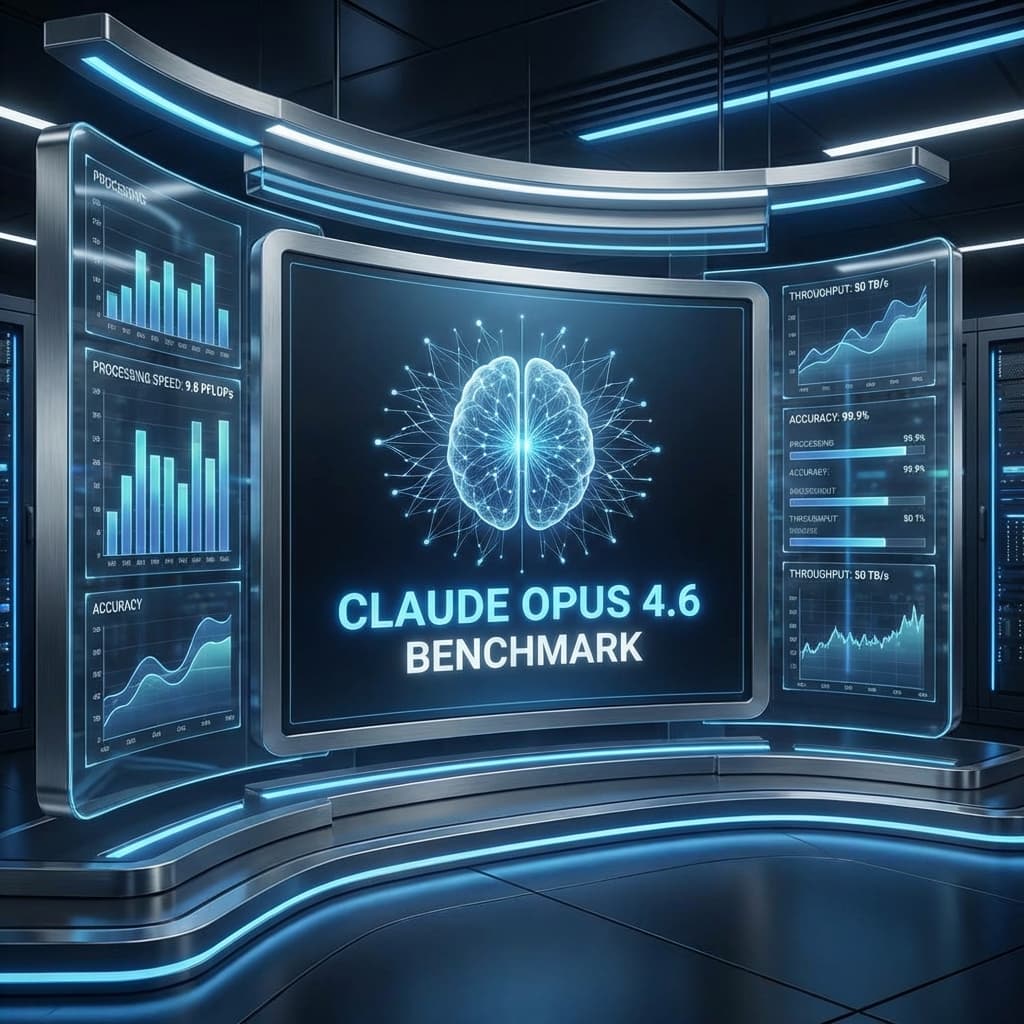
The definitive technical guide to Claude Opus 4.6. Explore the 1M token context window, adaptive thinking mechanisms, and comprehensive benchmarks against GPT-5.2 and Gemini 3 Pro.