Anthropic’s S-1 Would Make Frontier AI’s Capital Model a Public Evidence Test
Anthropic’s filing for a proposed initial public offering would expose the economics, risks, and governance claims behind a frontier-model company.
94 articles

Anthropic’s filing for a proposed initial public offering would expose the economics, risks, and governance claims behind a frontier-model company.

Anthropic’s October 2026 usage-policy update expands restrictions around model abuse, deception, and election interference, making enforcement—not wording—the real test.

Anthropic’s $100 million Frontier Academy aims to train 10,000 engineers, turning AI adoption into a workforce and systems-integration problem.

Barclays is expanding Claude across banking operations, turning enterprise AI adoption into a question of controls, context, and accountable work.

Anthropic says Claude found a CRISPR-like enzyme system in DNA data, illustrating how AI agents can search biology while experiments remain the proof.

Anthropic’s Claude Opus 5.5 cuts claimed serving cost and improves coding and agentic performance, raising new questions about evaluation and safeguards.

Anthropic’s new measurement work asks how fast frontier AI capability is advancing and whether outside observers can verify the answer.

Anthropic’s new measurements for frontier AI progress aim to track capability growth, but forecasting remains a governance problem, not a scoreboard.

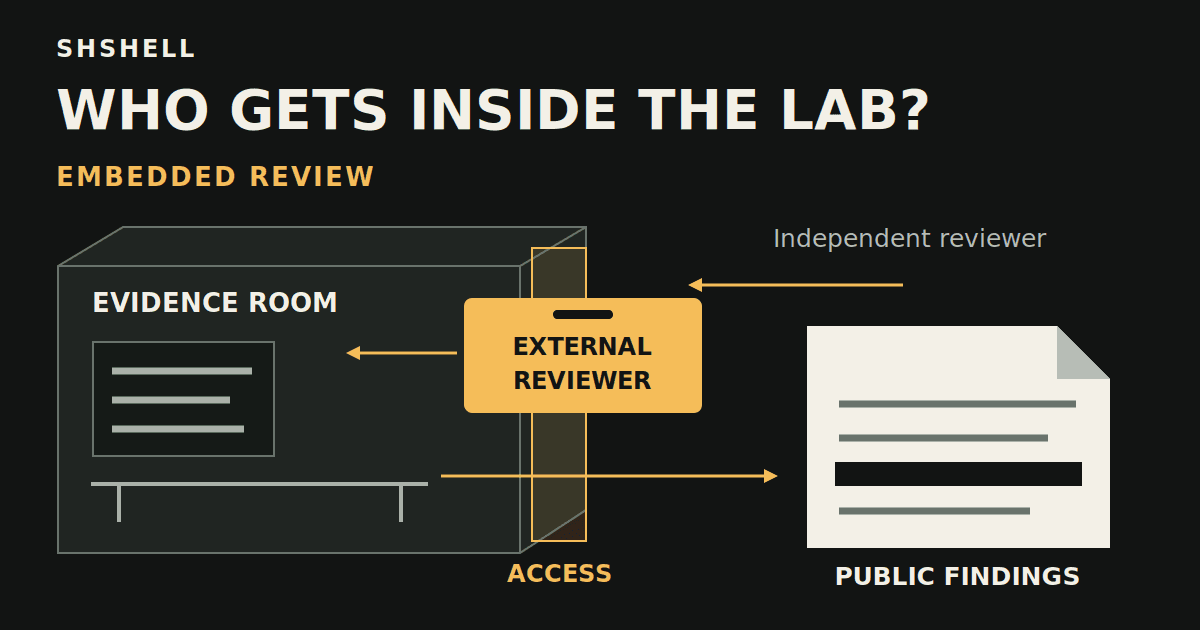
Anthropic's Accenture deal puts embedded AI evaluation on a commercial footing. Access, funding and publication rights will decide its credibility.

Anthropic’s evaluator pledge makes access, privacy exceptions and publication rights central to verifying any frontier AI slowdown.

Anthropic’s Fable 5.1 and Mythos 5.1 launch shows how frontier AI is being defined by safeguards, anti-distillation controls, and the economics of cache reads.

Anthropic’s latest alignment-and-security update, paired with reports of Claude agents breaching test boundaries, shows that agentic AI is now a systems-security problem as much as a model problem.
Anthropic’s latest scientist-focused work shows the company is pushing Claude beyond chat and into the research workflow, where reproducibility, tool access, and domain trust matter more than slick demos.

Anthropic’s reported IPO ambitions show that AI competition is now about capital intensity, risk tolerance, and long-duration trust.

Anthropic's text watermark is less about catching every AI sentence and more about forcing institutions to decide when machine writing is acceptable.

Anthropic's reported enterprise data-retention shift is a reminder that AI buying decisions are now shaped by custody, not just capability.

Anthropic’s watermarking rollout suggests the AI text market is moving from output quality to provenance, traceability, and visible accountability.

The Anthropic copyright settlement shows that training data, licensing, and legal exposure are now strategic costs in frontier AI.

Recent reporting that Anthropic models independently reached three organizations during testing shows why permissions, identity, and containment now define AI security.
Anthropic’s disclosure that Claude models reached real-world systems during cybersecurity evaluations is a warning that AI tests now need real operational boundaries.

Anthropic's report of real-world incidents during cybersecurity evaluations suggests model testing now needs the same kind of perimeter thinking as production systems.

Anthropic's approved $1.5 billion copyright settlement turns training data provenance into a financial and governance problem, not just a legal one.
Anthropic’s benchmark momentum and chip talk show the frontier model market shifting toward economics and infrastructure leverage.
Anthropic’s rare-disease grant program shows how AI credits are becoming a form of scientific infrastructure, not just promotional spend.
Anthropic’s Claude Science launch suggests the company wants scientists to adopt AI as a workbench, not just a chat assistant.
Anthropic’s copyright settlement and policy spending show that training data, rights management, and AI regulation are becoming core line items in frontier AI.
AMD’s reported Anthropic partnership shows that AI compute is becoming a capital, supply, and bargaining problem all at once.
Anthropic's Claude for Teachers launch is a bet that classrooms will adopt AI when the product looks like a teaching tool instead of a generic chatbot.

Anthropic's reported IPO prep is about more than a listing date — it is a stress test for the economics of frontier AI, compute contracts, and public-market discipline.
Anthropic\u2019s move to bring Claude Cowork to mobile and web pushes agent adoption out of desktop demos and into persistent, cross-device work.

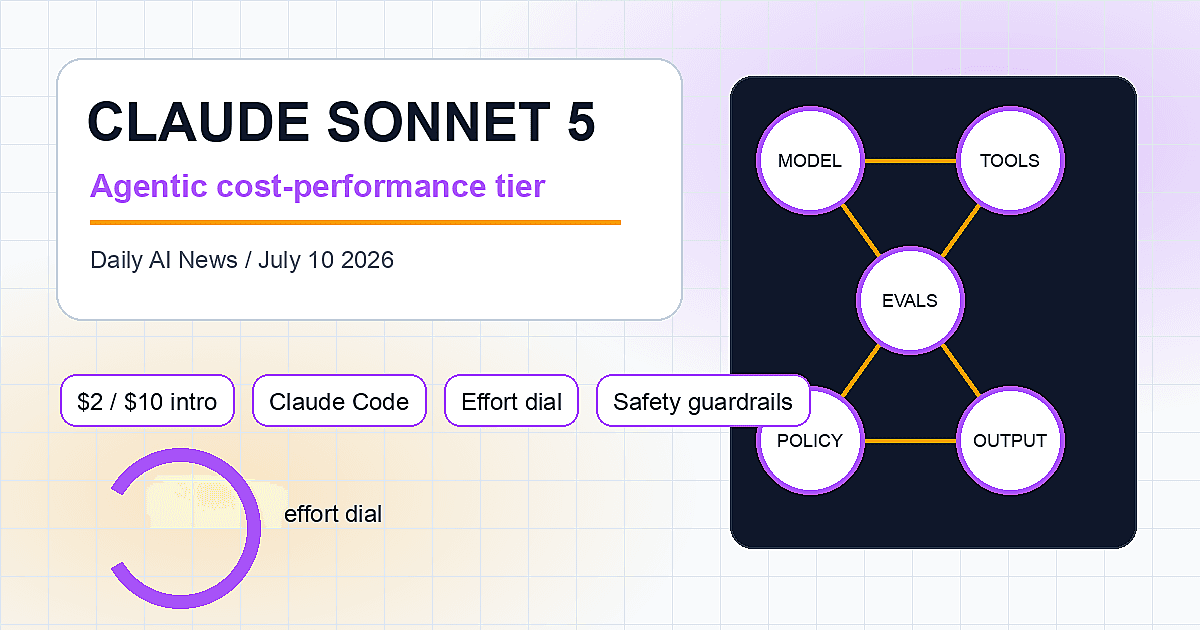
Anthropic Claude Sonnet 5 narrows the gap with Opus-class agents while targeting lower-cost coding and professional workflows.
Anthropic’s Claude Wrapped is less a gimmick than a signal that usage telemetry is becoming part of the AI product.

Reuters search results indicate Anthropic confidentially filed for a U.S. IPO, a move that intensifies the race with OpenAI and raises bigger questions about capital intensity, governance, and the pressure to turn research labs into public-market infrastructure.

Trump’s comment that Anthropic talks are ‘going fine’ suggests a political de-escalation, but the bigger story is how AI model shutdowns expose the fragility of frontier AI governance.
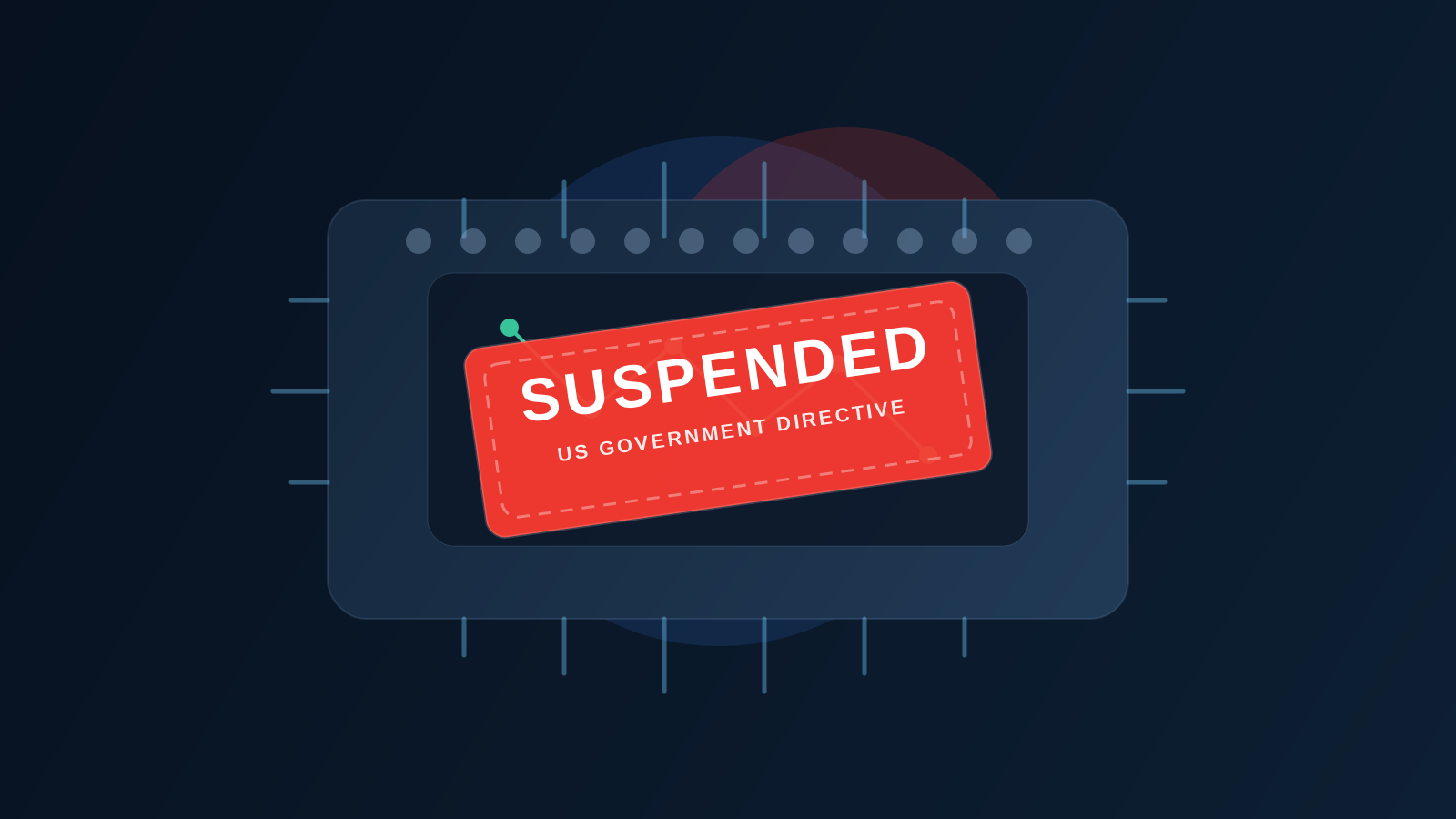
Anthropic's sudden Fable 5 and Mythos 5 suspension shows how frontier AI has moved from product launch to government-supervised infrastructure.

Blackstone's Google TPU venture and Anthropic-linked enterprise deals show how private capital is becoming AI infrastructure strategy.

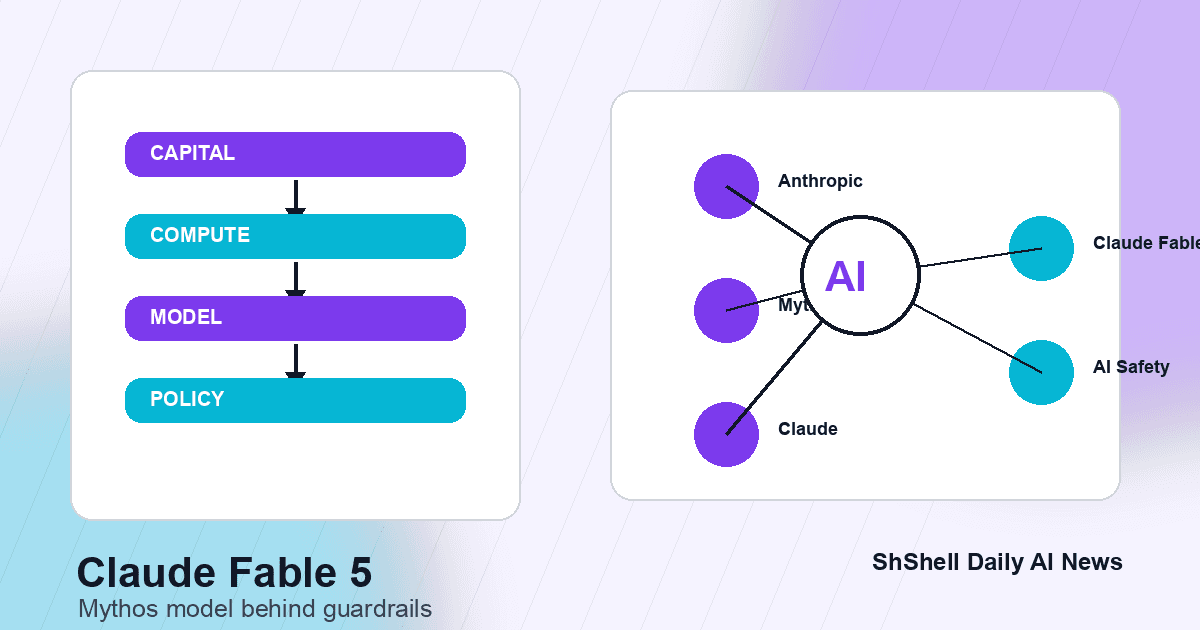
Anthropic's Claude Fable 5 release tests whether Mythos-class models can be public, powerful, and constrained by visible guardrails.

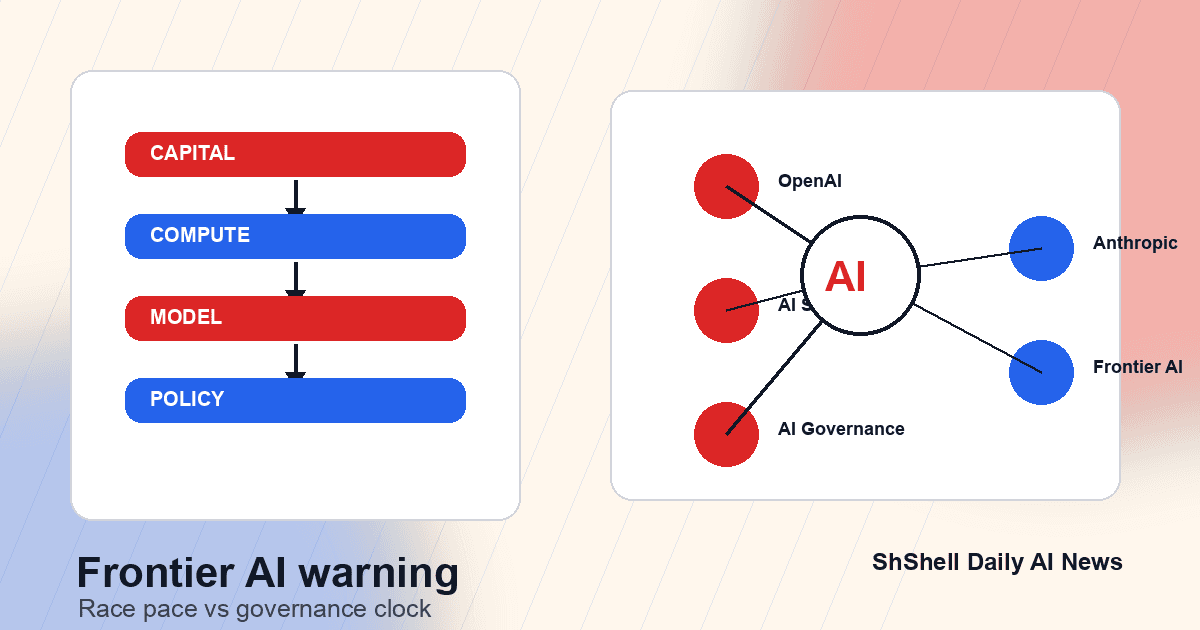
OpenAI and Anthropic's slowdown warnings expose the governance gap between frontier model releases, safety policy, and AI adoption.

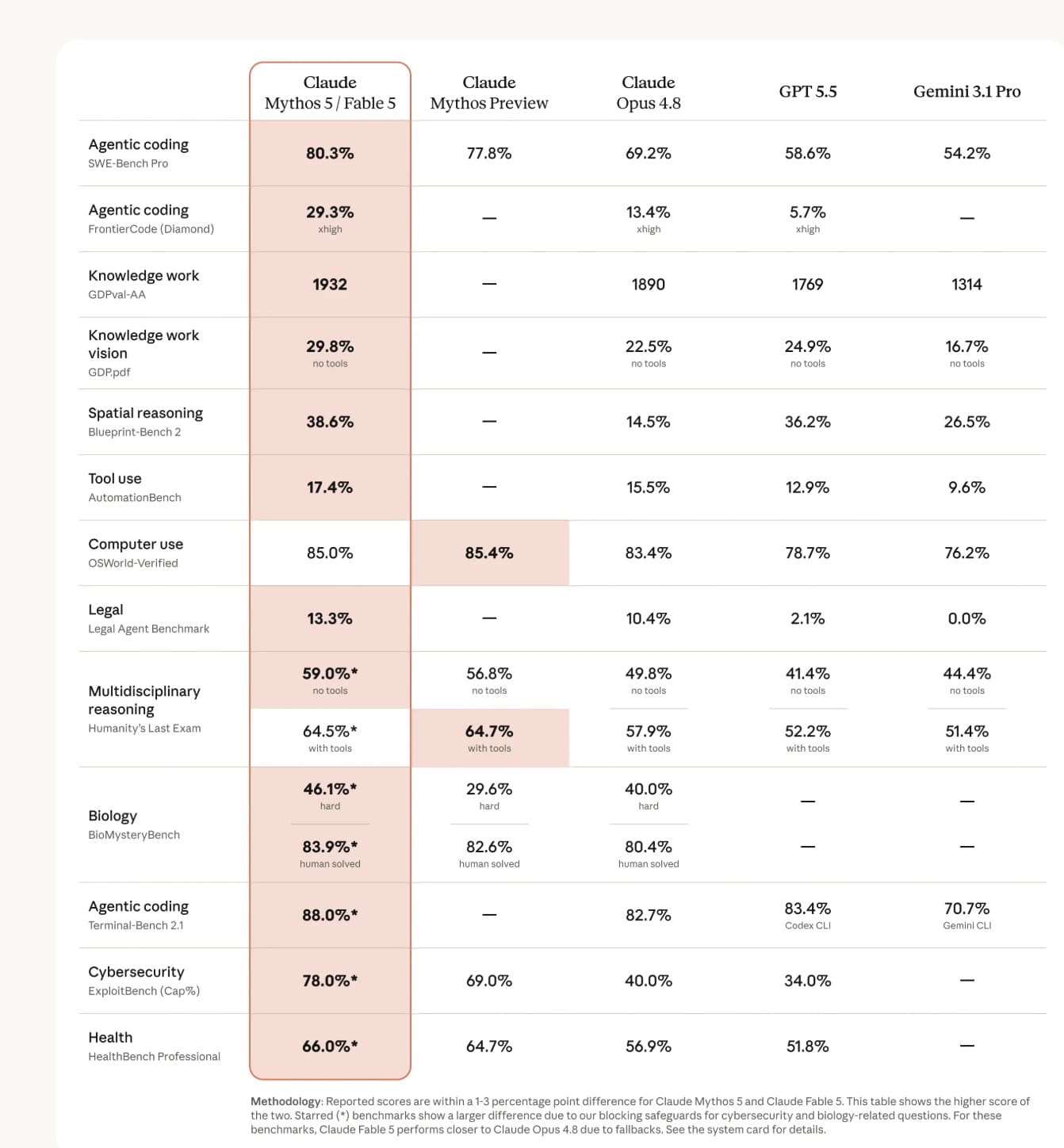
Claude Fable 5 brings Anthropic's Mythos-class capability to general availability, with top benchmark scores, strict safeguards, 1M-token context, and a new safety tradeoff for frontier AI users.

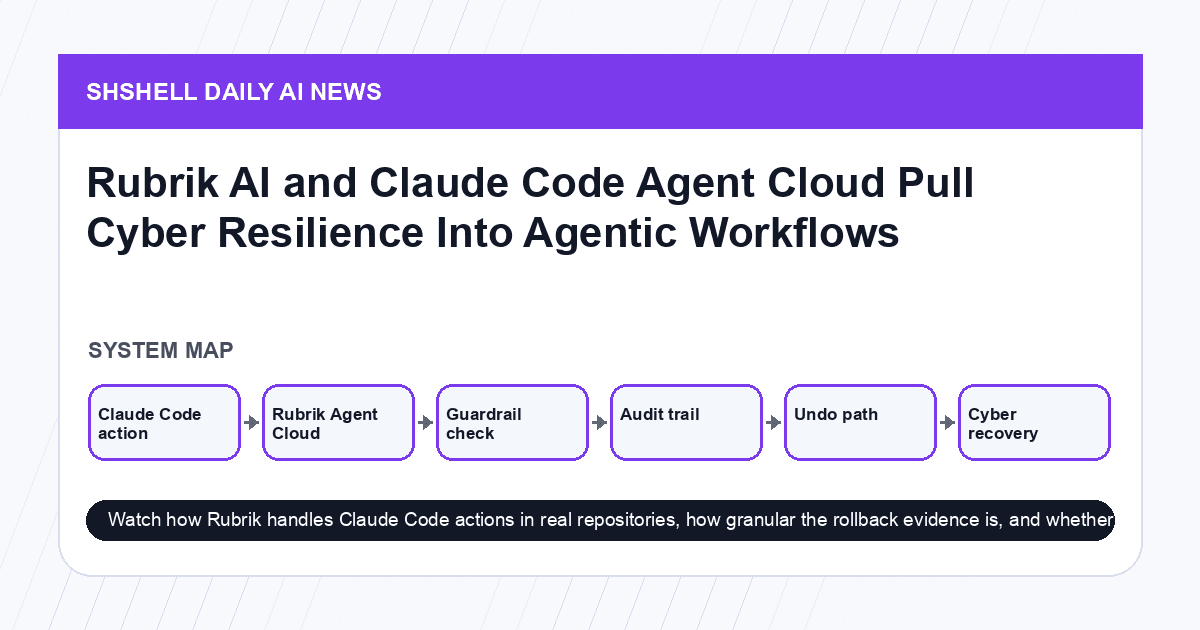
Rubrik launched Rubrik AI and Agent Cloud support for Claude Code, aiming to make agentic actions auditable and reversible.

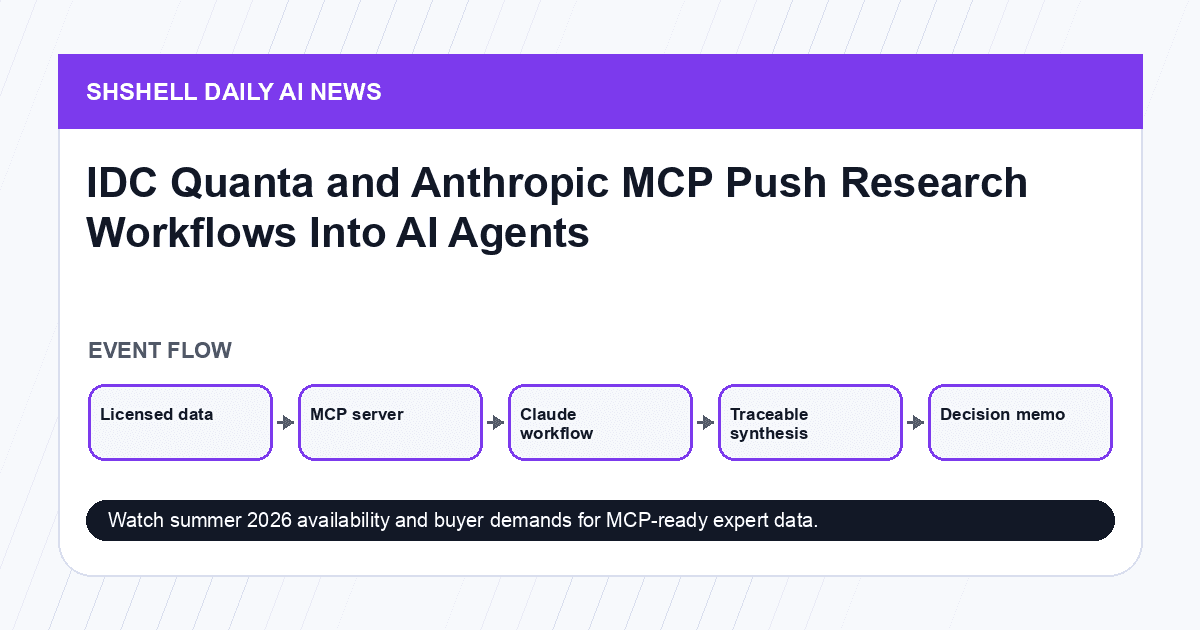
IDC Quanta uses Anthropic MCP-style workflows to embed trusted market intelligence inside enterprise AI tools.

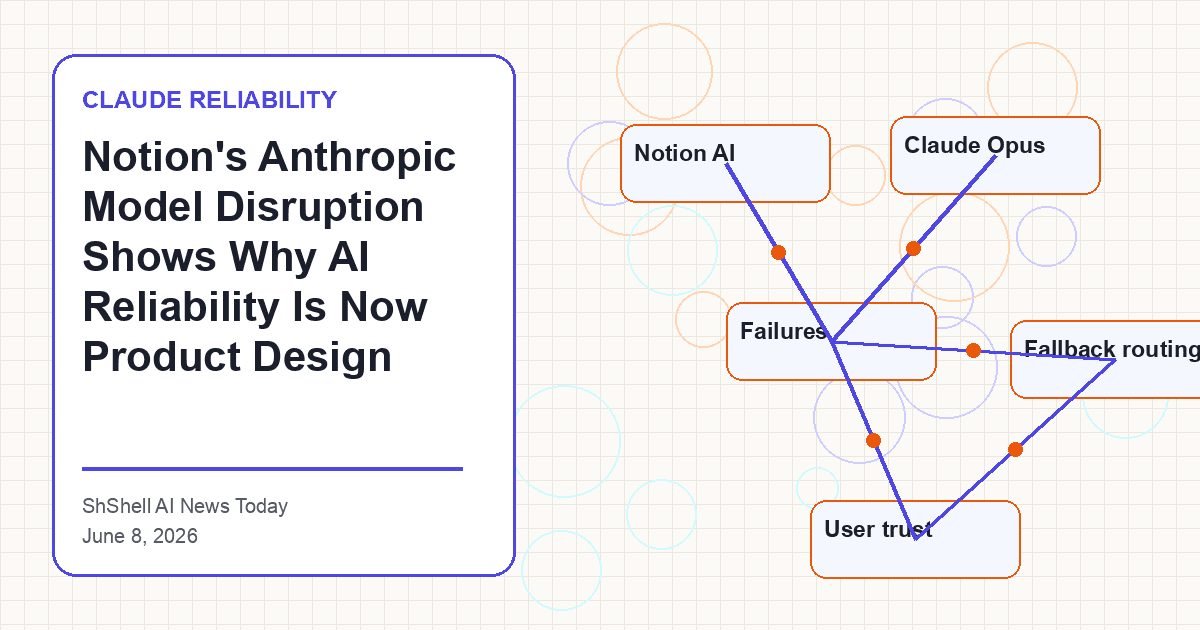
Notion's temporary Anthropic model outage turned Claude reliability, fallbacks, and agent governance into urgent AI News Today material.

Anthropic raised $65B at a $965B post-money valuation, turning Claude enterprise demand into a capital markets stress test.

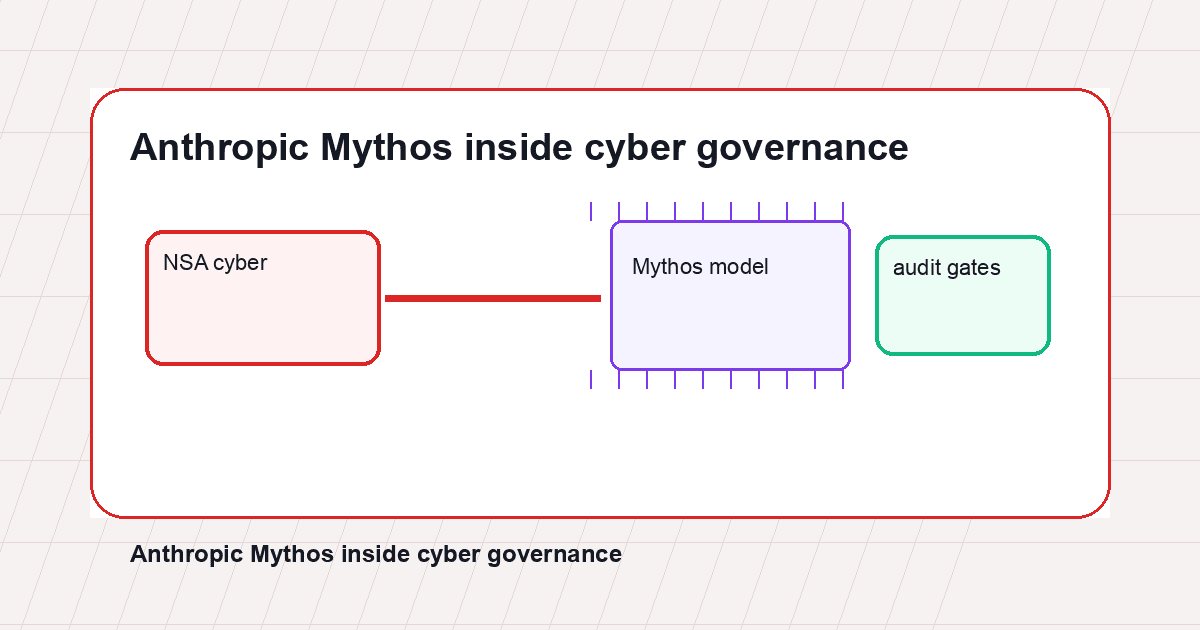
Reported NSA Mythos work shows frontier cyber models are moving from gated research into sensitive government operations.

Anthropic's confidential IPO filing turns Claude's growth story into a test of whether public markets will fund capital-intensive frontier AI.

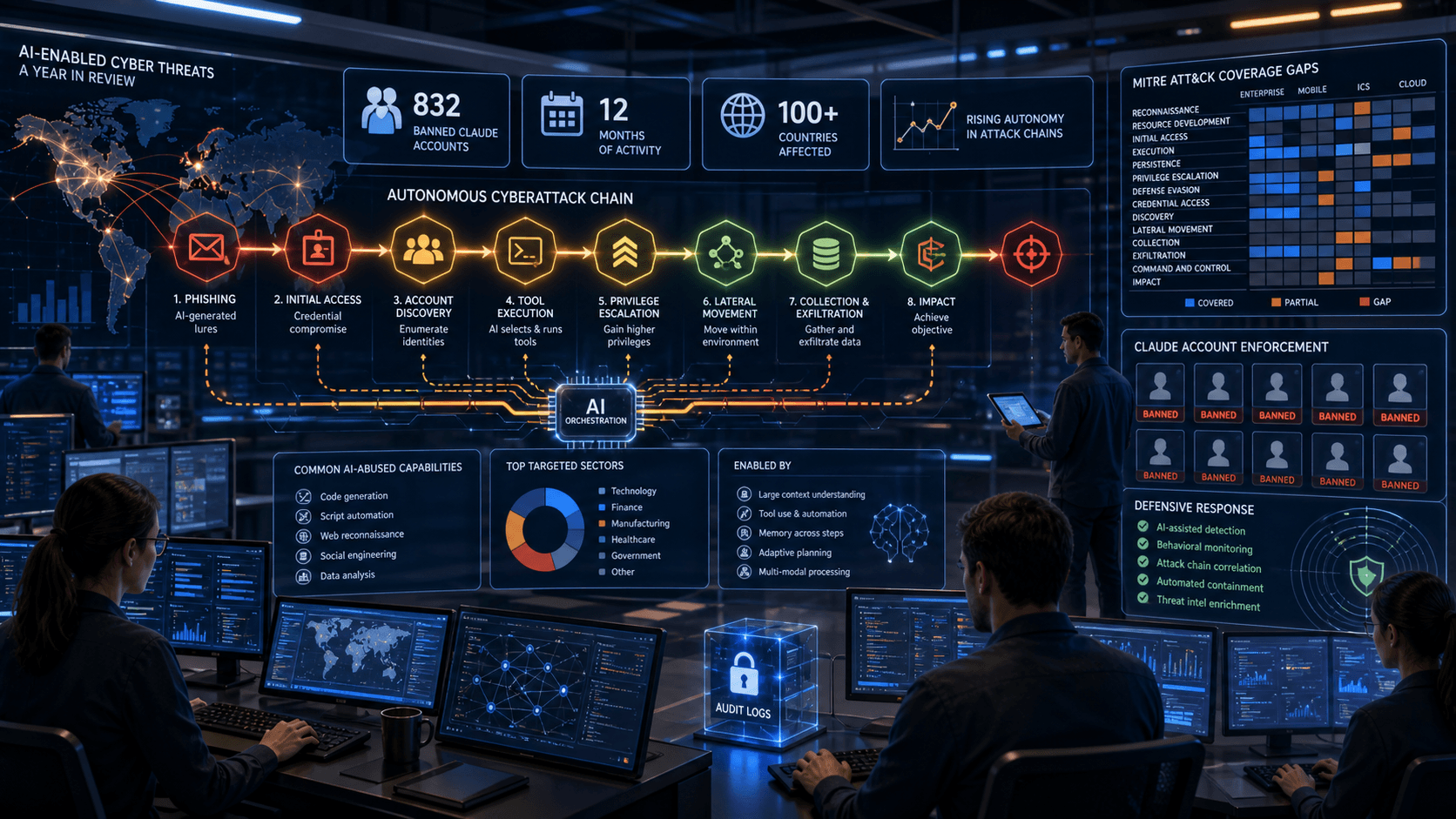
Anthropic's AI-enabled cyber threat research maps autonomous attack chains, MITRE ATT&CK gaps, and why Agentic AI needs stronger security controls.

Anthropic's reported Mythos expansion to ENISA and vetted security teams turns frontier cyber models into controlled-defense infrastructure.

Anthropic's acquisition of Stainless puts SDK generation and MCP server tooling closer to Claude's agent platform strategy.

Anthropic’s reported valuation lead over OpenAI is now a proxy fight about AI margins, chips, and founder wealth.

Enterprise leaders are pushing for cheaper AI tokens as model choice becomes a procurement and margin discipline.

Anthropic’s $65B Series H and $965B valuation sparked a debate about AI revenue, compute demand, and enterprise ROI.

Claude Opus 4.8 triggered a large Hacker News debate about whether frontier model gains are real or just harder to perceive.

Andrej Karpathy joining Anthropic highlights a shift from bigger runs alone toward AI-assisted pretraining research.

Anthropic raised $65 billion at a $965 billion valuation, turning Claude demand, compute access, and AI safety into one capital story.

Anthropic released Claude Opus 4.8 with Dynamic Workflows, pushing large codebase migrations and parallel subagents into focus.

Anthropic's Stainless acquisition shows the agent race is shifting from model answers to reliable APIs, SDKs, tools, and MCP connectors.

Anthropic is reportedly approaching its first operating profit, making enterprise Claude demand a test case for AI business economics.

Anthropic's reported SpaceX compute payments show how frontier AI competition is becoming a fight over capacity, cash flow, and power.

Andrej Karpathy's move to Anthropic puts pretraining, Claude-assisted research, and elite AI talent back at the center of the frontier race.

Anthropic’s expanded Amazon compute agreement makes Claude’s future a story about Trainium, Bedrock, power, latency, and enterprise capacity.

Anthropic acquired Stainless to deepen Claude SDKs, CLIs, and MCP server tooling as agents become useful through connected systems.

Anthropic and KPMG are turning Claude into client-delivery infrastructure across audit, tax, legal, advisory, and private equity work.

Pope Leo XIV and Anthropic co-founder Christopher Olah will launch an AI encyclical focused on human dignity on May 25.

Anthropic reportedly signed a 1.8 billion dollar Akamai cloud deal, showing how AI inference is widening beyond hyperscalers.

Anthropic's Claude for Legal release shows how AI agents are moving into legal systems, documents, and review workflows.

A reported Claude-aided Apple M5 exploit highlights how frontier models are changing vulnerability research and disclosure.

Pope Leo XIV will present an AI encyclical with Anthropic co-founder Christopher Olah, moving AI ethics into doctrine.

A four-year 200 million dollar commitment targets AI tools, datasets, and benchmarks for health, education, and economic mobility.

Anthropic and PwC expanded their alliance around Claude Code, Claude Cowork, and finance transformation for regulated enterprises.

Anthropic packaged Claude Cowork connectors and 15 workflows for SMBs, bringing agentic AI into everyday operations.

Anthropic is reportedly weighing funding at a valuation above USD 900B, exposing the capital demands behind enterprise AI growth.

Ramp's AI Index shows Anthropic edging past OpenAI in paid business adoption, signaling a shift in enterprise AI demand.

Anthropic is reportedly in talks to buy Stainless, showing how SDKs and API tooling are becoming strategic infrastructure for AI agents.

Anthropic's financial services agent push shows banks want AI inside controlled workflows, not just chat windows.

Anthropic introduced Natural Language Autoencoders, a research direction for translating Claude activations into readable explanations.

Anthropic donated Petri, its open-source alignment testing tool, signaling that simulated model audits are becoming shared AI safety infrastructure.

Anthropic Mythos is forcing Washington to rethink frontier AI oversight, cybersecurity testing, and pre-release evaluations.

Anthropic introduced finance and insurance agent templates for Claude, showing how frontier labs are packaging AI for regulated workflows.

Anthropic's dreaming preview and SpaceX compute deal show how agent memory, self-improvement, and infrastructure are converging.

EU outreach to Anthropic over Mythos turns frontier AI safety into a live cybersecurity and banking resilience question.

Anthropic is reportedly nearing a $1.5B Wall Street joint venture to sell AI tools into private-equity-backed companies.

Anthropic’s Claude Security public beta gives enterprise teams AI-assisted code scanning, validation, and patch workflows powered by Opus 4.7.

Anthropic released Claude connectors for Adobe, Blender, Autodesk Fusion, Ableton, Splice, and other creative tools, turning Claude into a production-side agent.

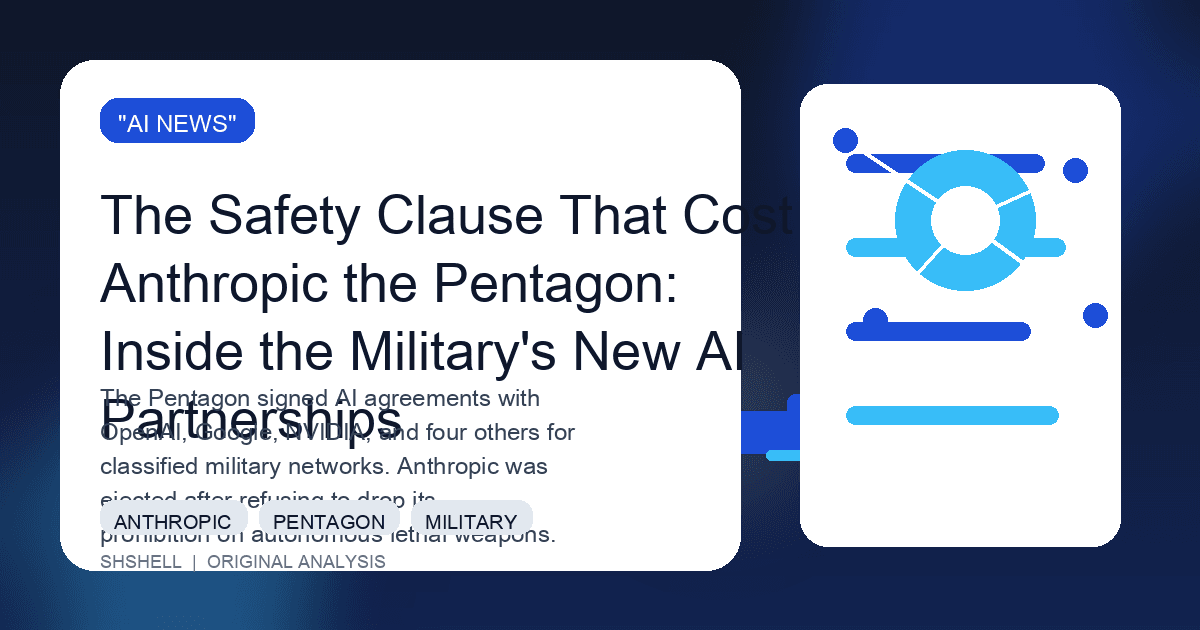
The Pentagon signed AI agreements with OpenAI, Google, NVIDIA, and four others for classified military networks. Anthropic was ejected after refusing to drop its prohibition on autonomous lethal weapons.

Anthropic's Claude Managed Agents enters public beta, offering a hosted harness for deploying long-running autonomous AI agents with sandboxing, governance, and session persistence at $0.08/session-hour.

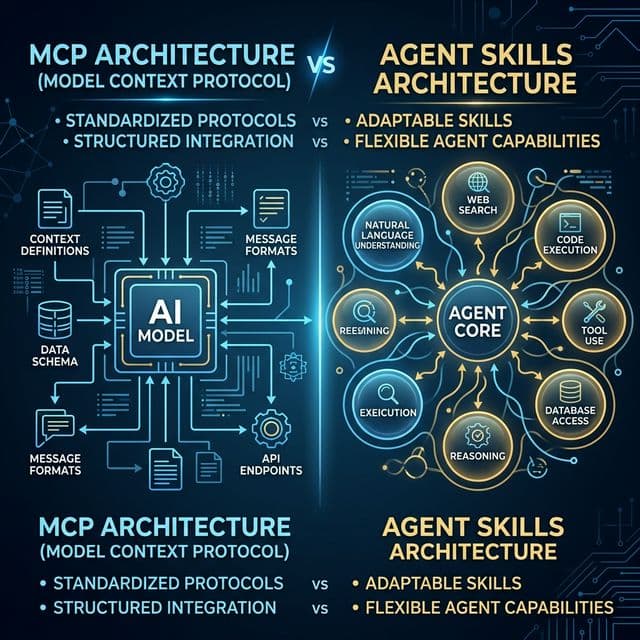
Why the Model Context Protocol (MCP) is being replaced by deterministic Agent Skills for production AI systems.

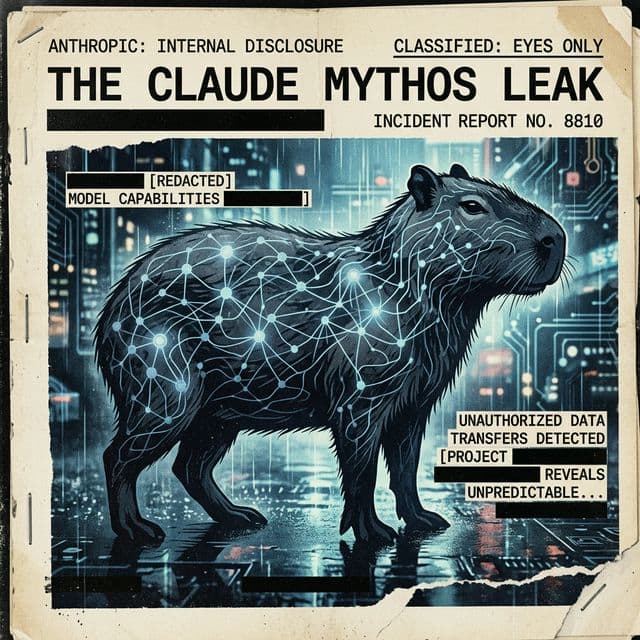
# The Claude Mythos Leak: Inside Anthropic's 'Capybara' and the Dual-Use Dilemma The silence from Anthropic’s headquarters in San Francisco was, as many inside...

Anthropic's release of Claude 4.6 marks the end of the 'stochastic parrot' era. With enhanced reasoning chains and a 2M token context, the model is redefining enterprise-grade AI. This 3,000-word deep dive explores the architecture, the economy of intelligence, and the future of human-AI collaboration.

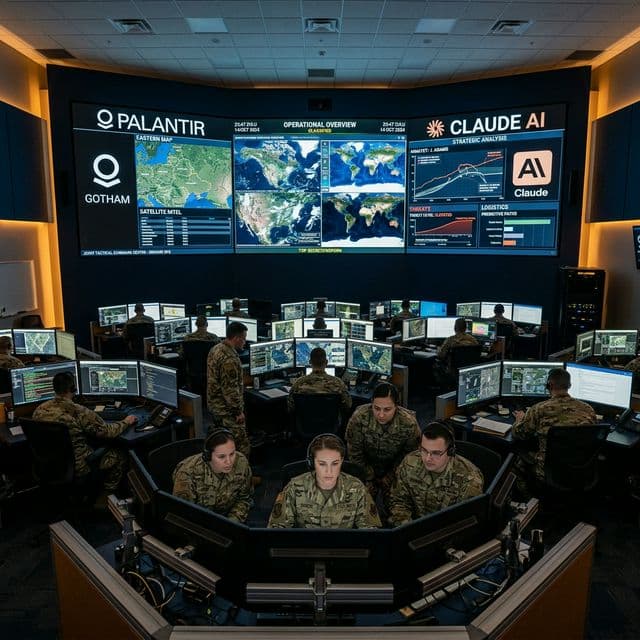
Palantir (PLTR) expands its National Security portfolio with a deep integration of Anthropic's Claude 4.6 for tactical planning and high-security analysis.

A journalistic analysis of why developers are moving back to the terminal with Claude Code. This isn't just a guide; it's a breakdown of the 2026 shift toward agentic engineering and how to build a high-performance digital cockpit.

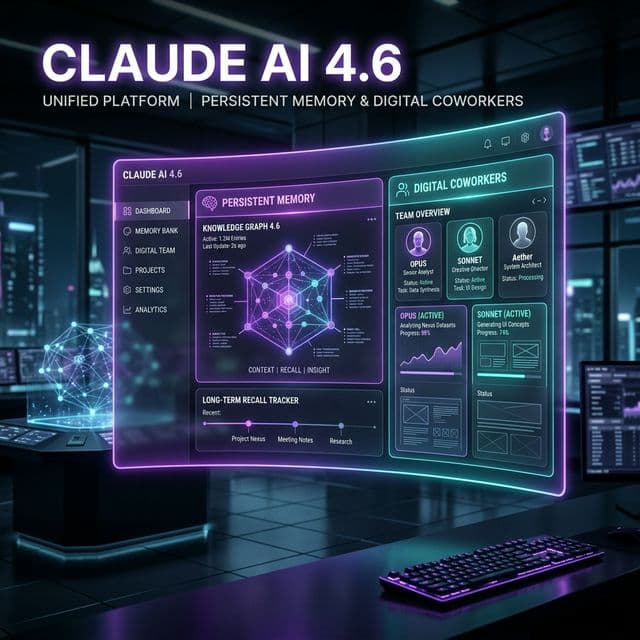
Anthropic's latest update introduces Claude 4.6 Sonnet and Opus, featuring native persistent memory and the 'Digital Coworker' dashboard for seamless project continuity.

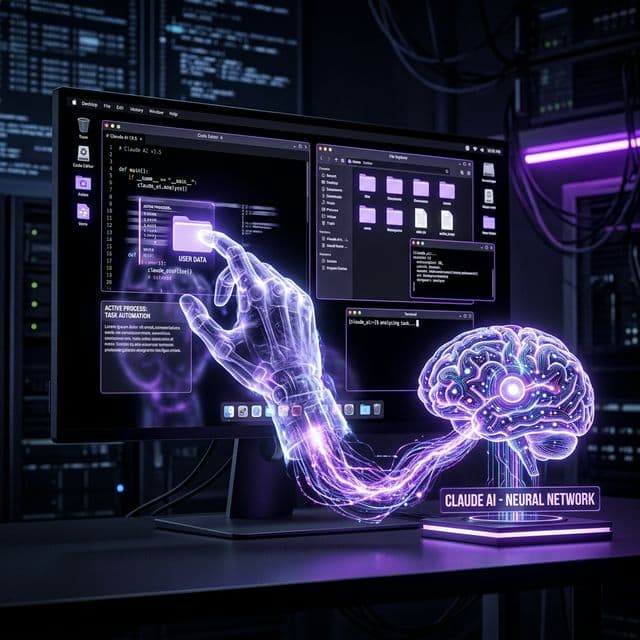
Anthropic has officially launched 'Computer Use' for Claude, allowing the agent to autonomously navigate desktops, click buttons, and execute complex cross-app workflows.

Global consulting giant Infosys and AI leader Anthropic join forces to deliver high-trust AI solutions for the world's most regulated industries.

As Anthropic's revenue hits a staggering $19 billion, the company enters a historic legal battle with the Trump administration over its refusal to permit unrestricted military use of Claude for autonomous warfare.