Ledger's Agent Stack Is a Warning That Autonomous AI Needs Financial Seatbelts
Ledger's hardware-backed Agent Stack points to a coming era where AI agents need permissioning, identity, and transaction controls before they can act.

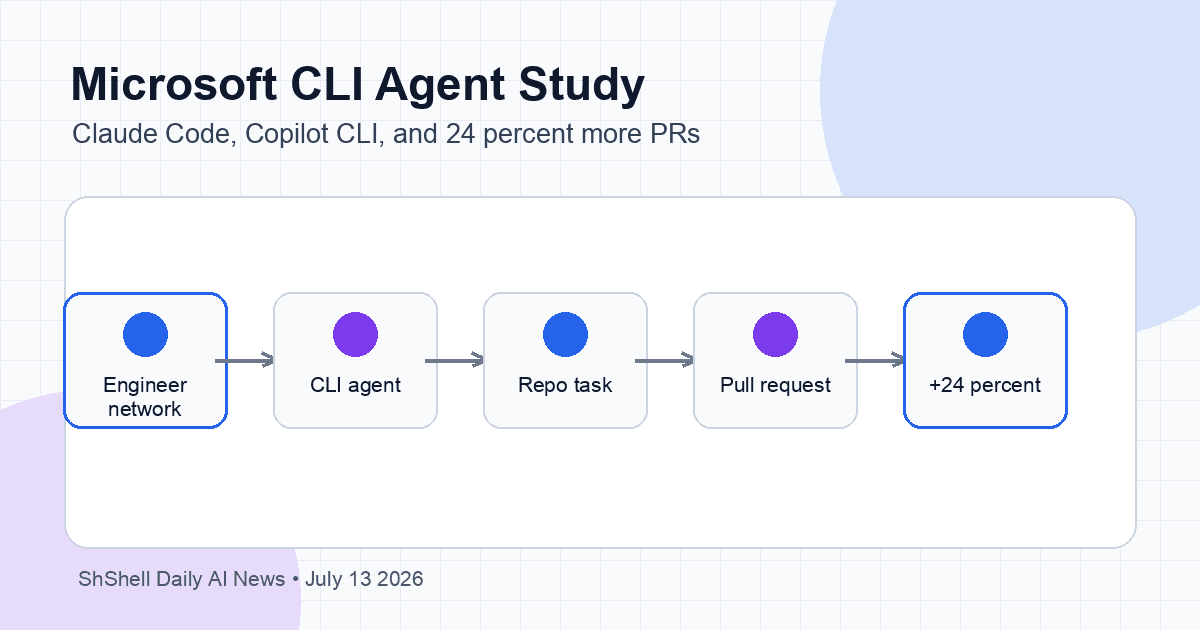
A new Microsoft study of Claude Code and GitHub Copilot CLI reports 24 percent more merged pull requests among adopters.
Amazon Nova 2 Sonic and Bedrock AgentCore are pushing voice AI past demo land and into the messy, high-stakes world of appointment management.
NVIDIA’s telecom AI push is a sign that network operators are moving from task automation to systems that can reason, route, and recover in real time.

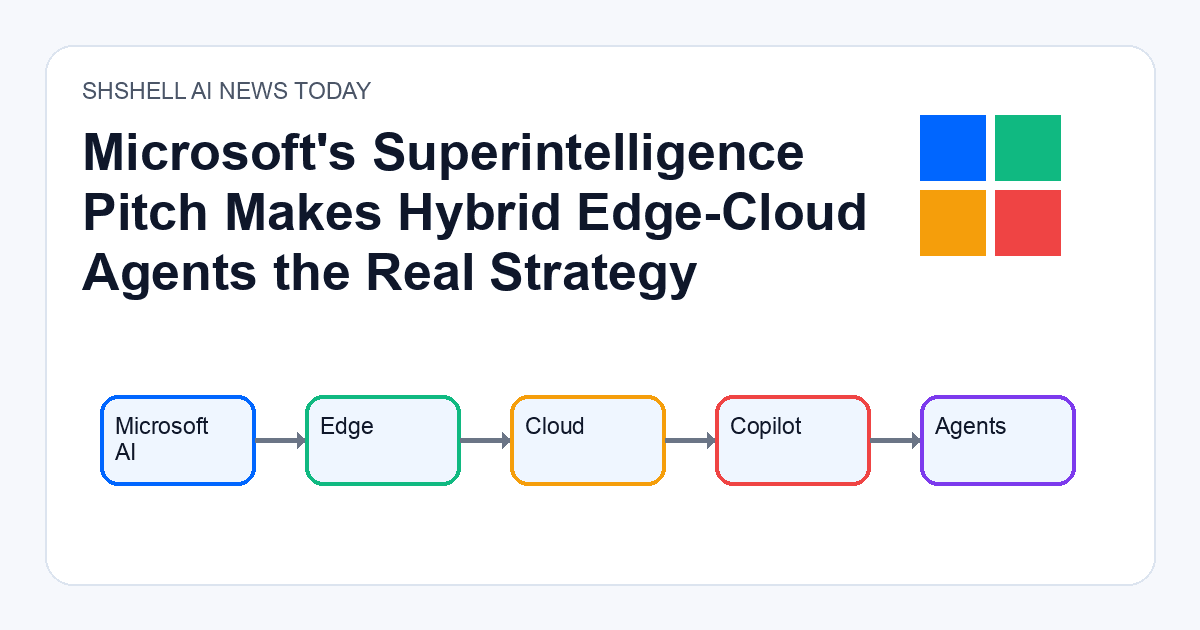
Microsoft AI's superintelligence comments point to hybrid edge-cloud agents, proprietary MAI models, and enterprise utility.

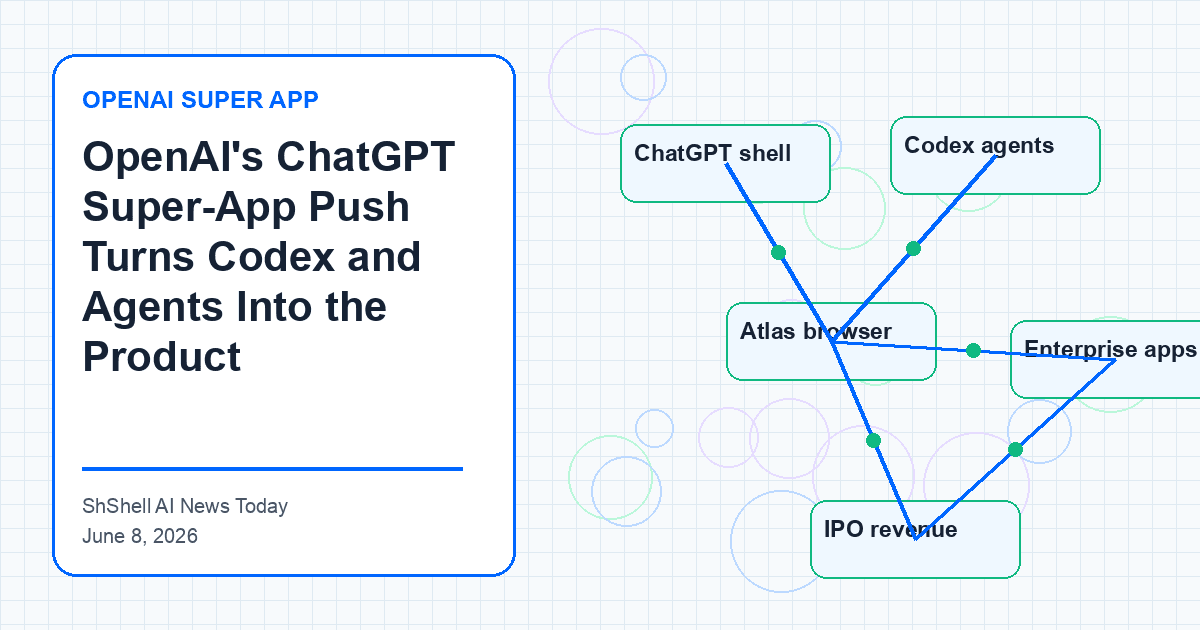
OpenAI's reported ChatGPT super-app overhaul makes Codex, agents, and enterprise revenue the center of today's latest AI news.

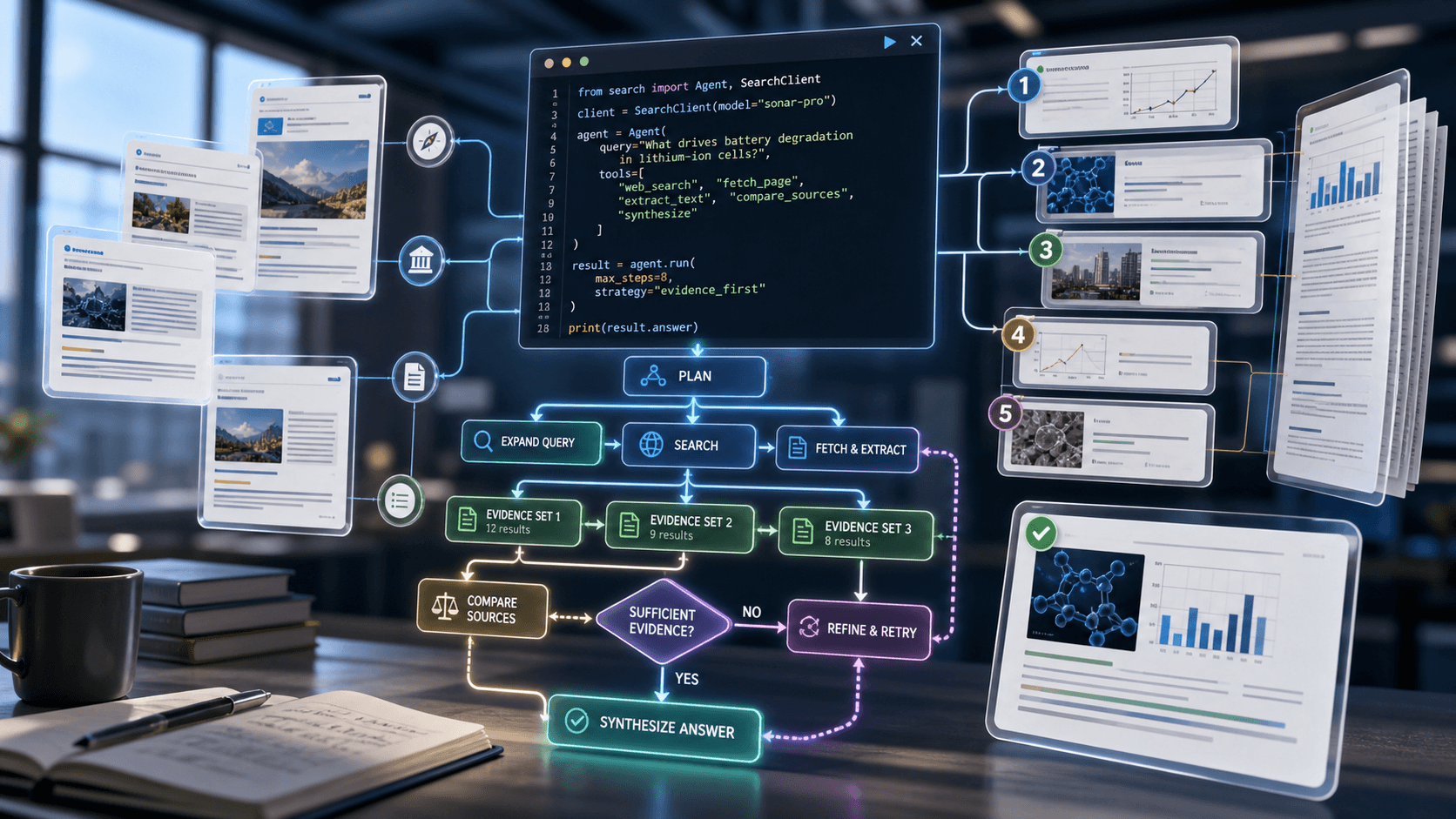
Perplexity's Search as Code architecture lets AI agents generate Python search pipelines instead of chaining brittle search calls.

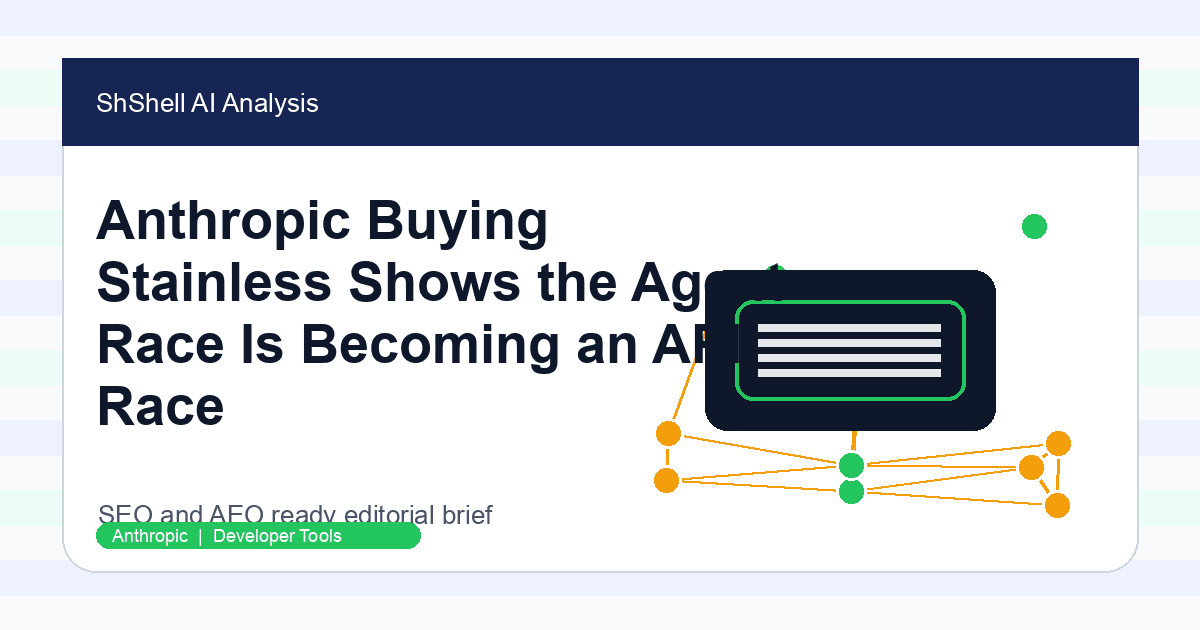
Anthropic's acquisition of Stainless puts SDK generation and MCP server tooling closer to Claude's agent platform strategy.

Google’s Gemini Spark reframes personal AI as an always-on agent that connects Gmail, Calendar, Drive, Docs, Sheets, Slides, YouTube, Maps, and Chrome.

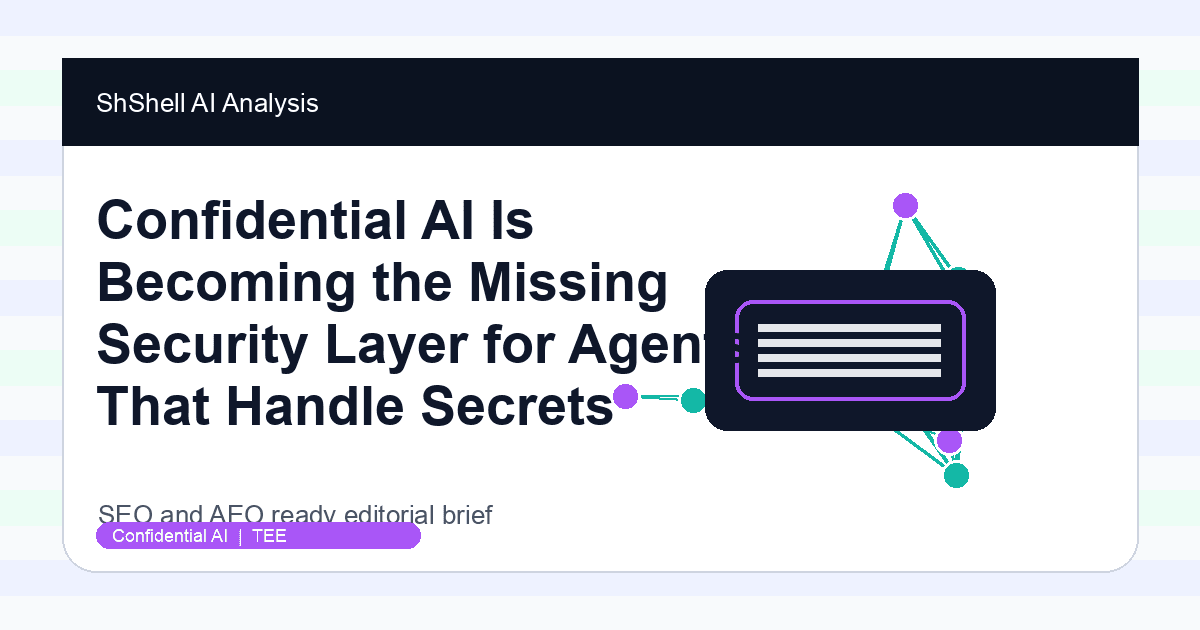
A new confidential computing survey explains why agentic AI needs hardware-rooted trust when agents hold memory, credentials, and sensitive context.

Anthropic acquired Stainless to deepen Claude SDKs, CLIs, and MCP server tooling as agents become useful through connected systems.

Google is bringing Gemini and auto browse to Chrome on Android, making the browser a place where agents can summarize and complete web tasks.

Amazon Bedrock AgentCore Payments adds Coinbase and Stripe wallet rails so AI agents can pay for APIs, tools, content, and other agents.

Google’s Gemini Intelligence for Android brings multi-step app automation, smarter Chrome, autofill, Rambler, and generated widgets.

Codex in the ChatGPT mobile app turns long-running coding agents into work that developers can steer from anywhere.

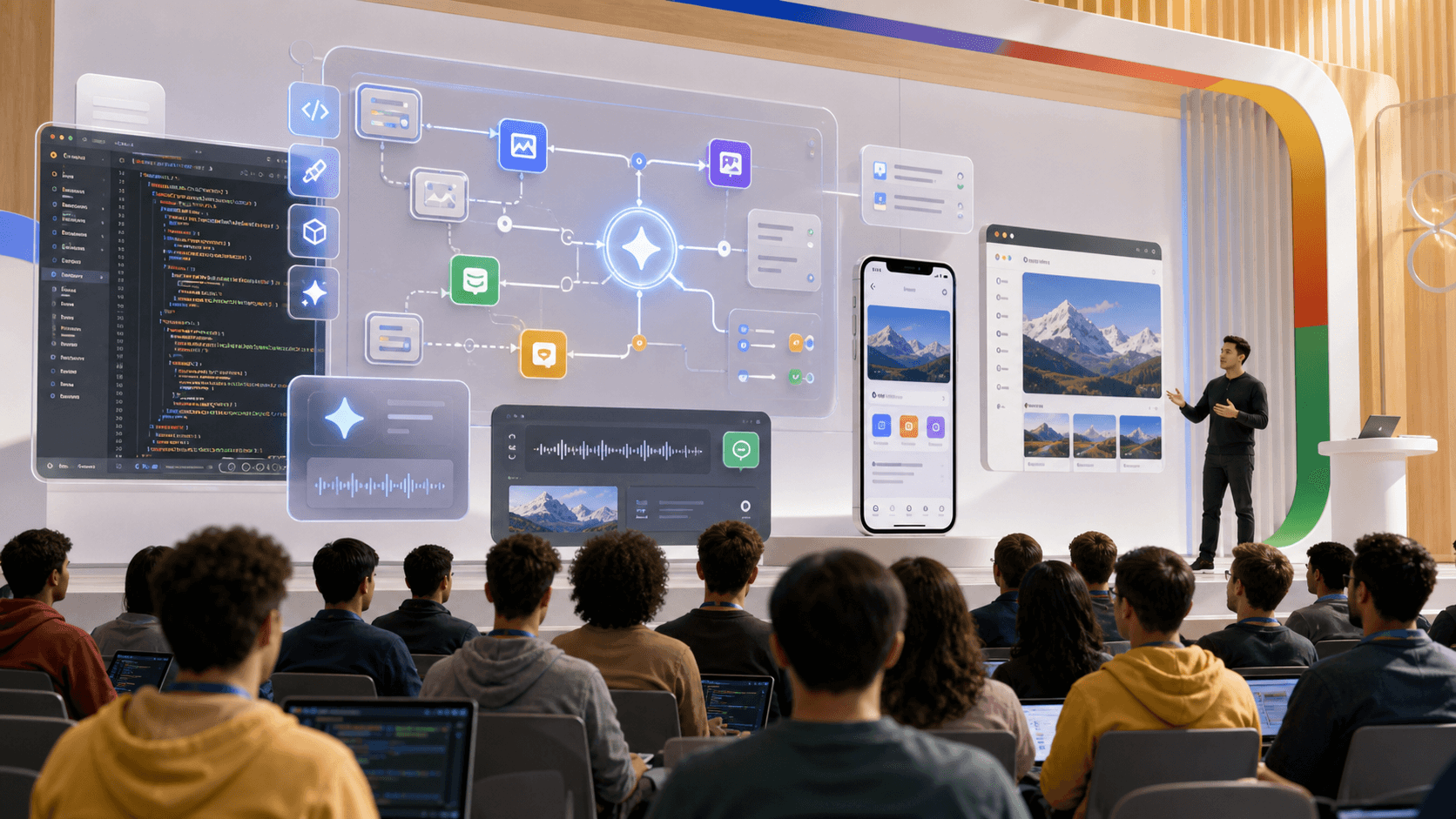
Google's Android Show and I/O previews point to a developer platform shift where Gemini-powered agents become product infrastructure.

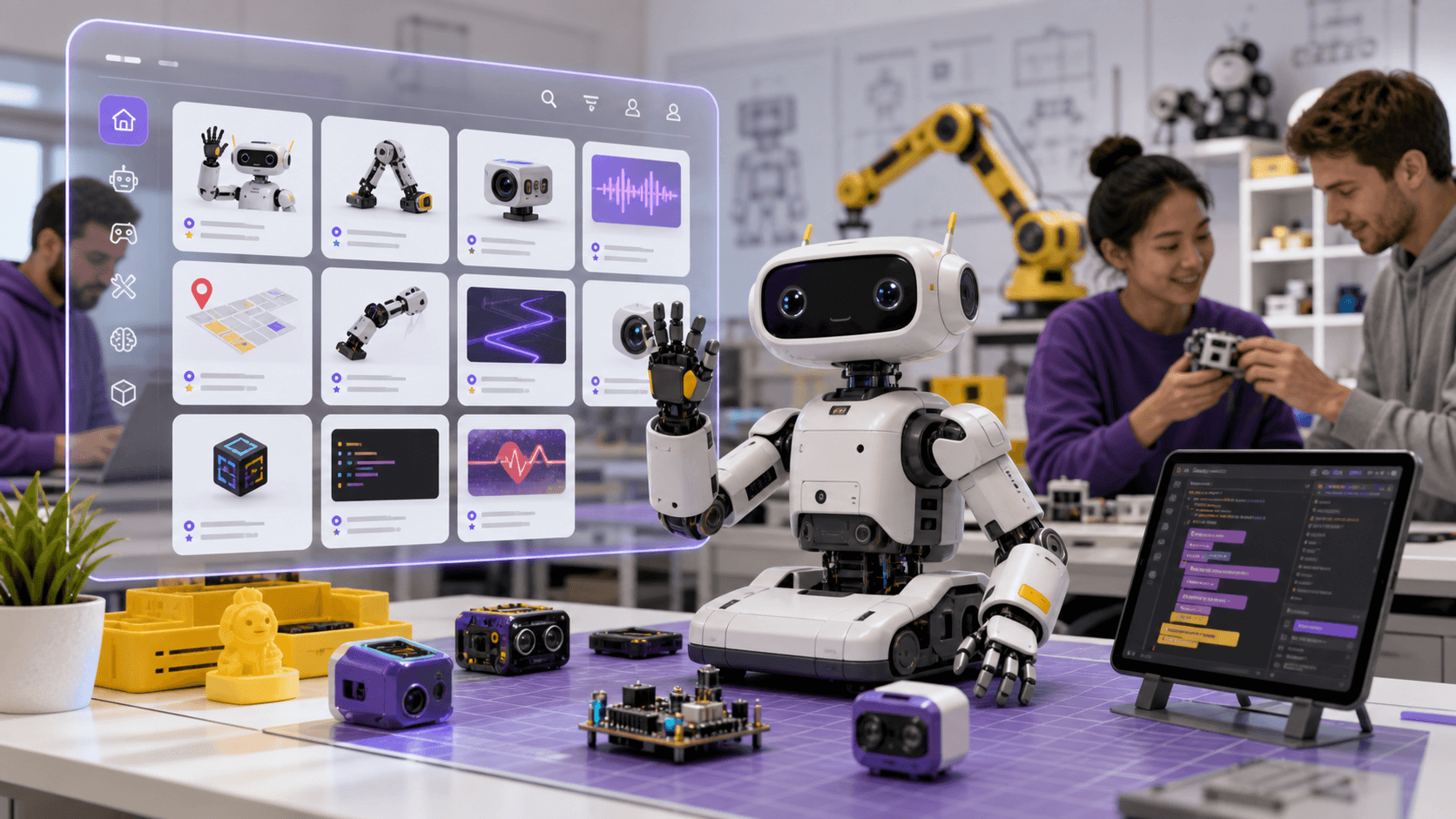
Hugging Face's Reachy Mini app store suggests the next AI platform fight may move from chat windows into small robots.

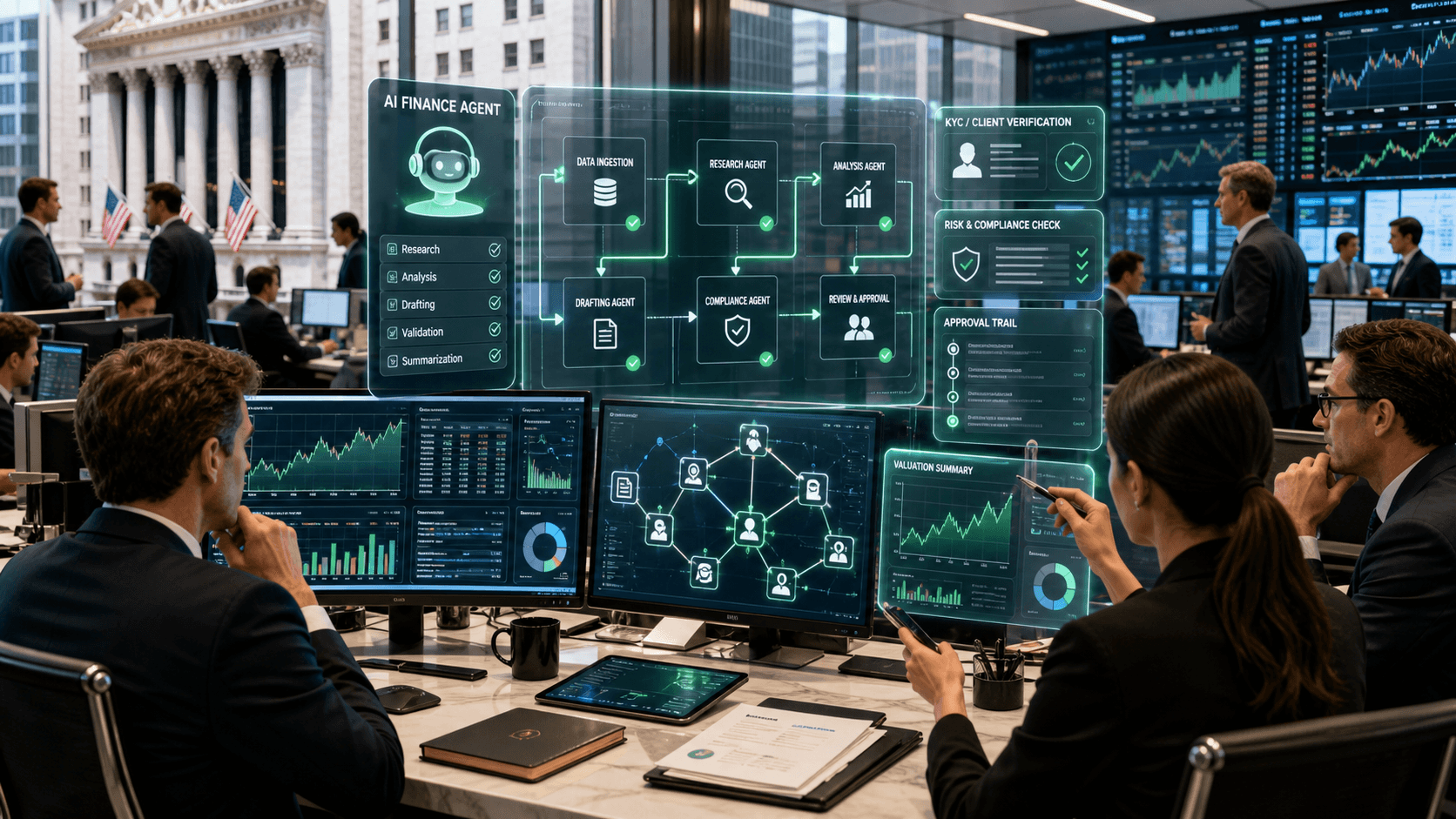
Anthropic's financial services agent push shows banks want AI inside controlled workflows, not just chat windows.

Anthropic's dreaming preview and SpaceX compute deal show how agent memory, self-improvement, and infrastructure are converging.

IBM’s watsonx Orchestrate eCommerce pilot packages partner-built AI agents with procurement, governance, and workflow orchestration.

As autonomous agents dominate the enterprise, the A2A (Agent-to-Agent) Protocol emerges to standardize how digital workers collaborate.

In 2026, the 'Prompt' is obsolete. Leading enterprises have moved to 'Stateful Agency,' where agents manage multi-week goals autonomously.

With the leaked details of OpenAI's 'Project OpenClaw,' the AI world is shifting from conversation to action. Discover how browser-native autonomous agents are automating the mid-tier of the economy and why SaaS as we know it is fundamentally changing.

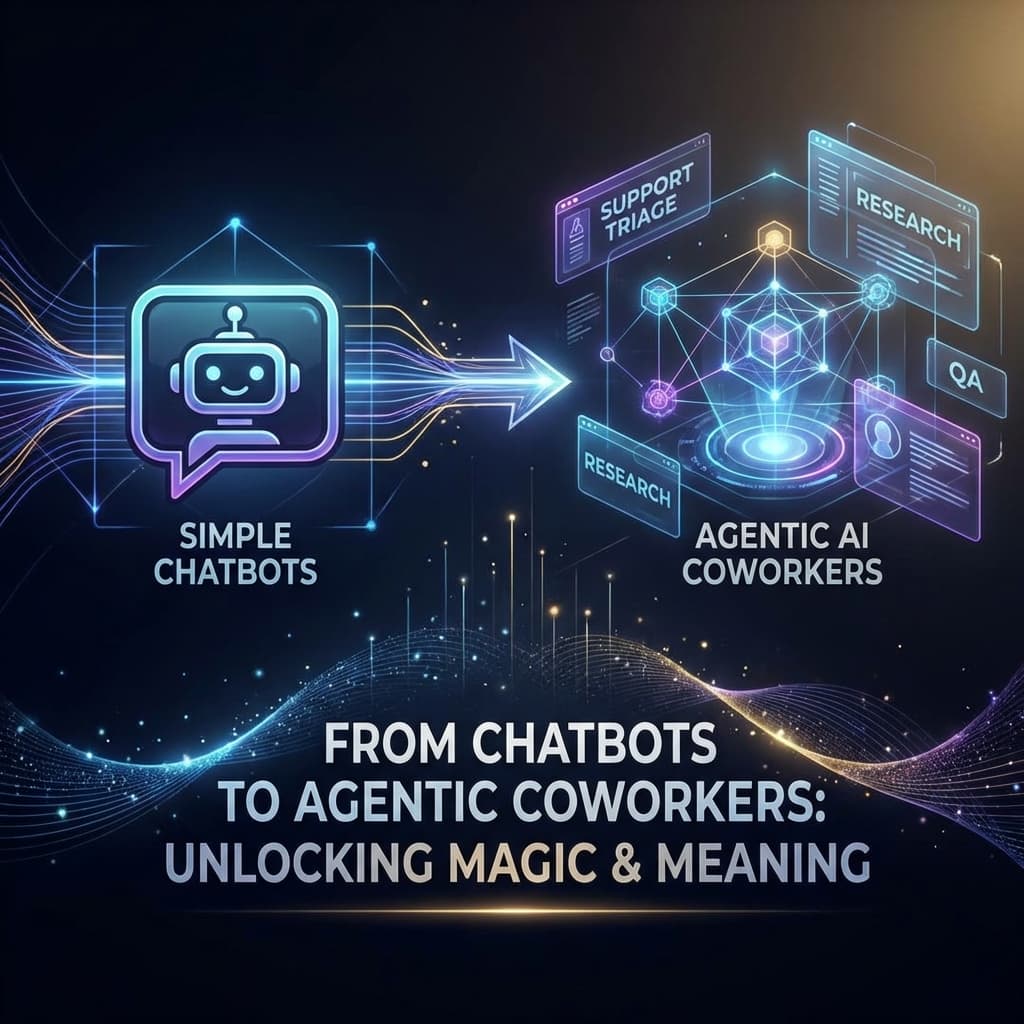
Discover how AI is evolving from simple chat interfaces to autonomous agents that act as coworkers. This guide explains agentic workflows, realistic use cases in support and research, and how your team can start small with AI agents.

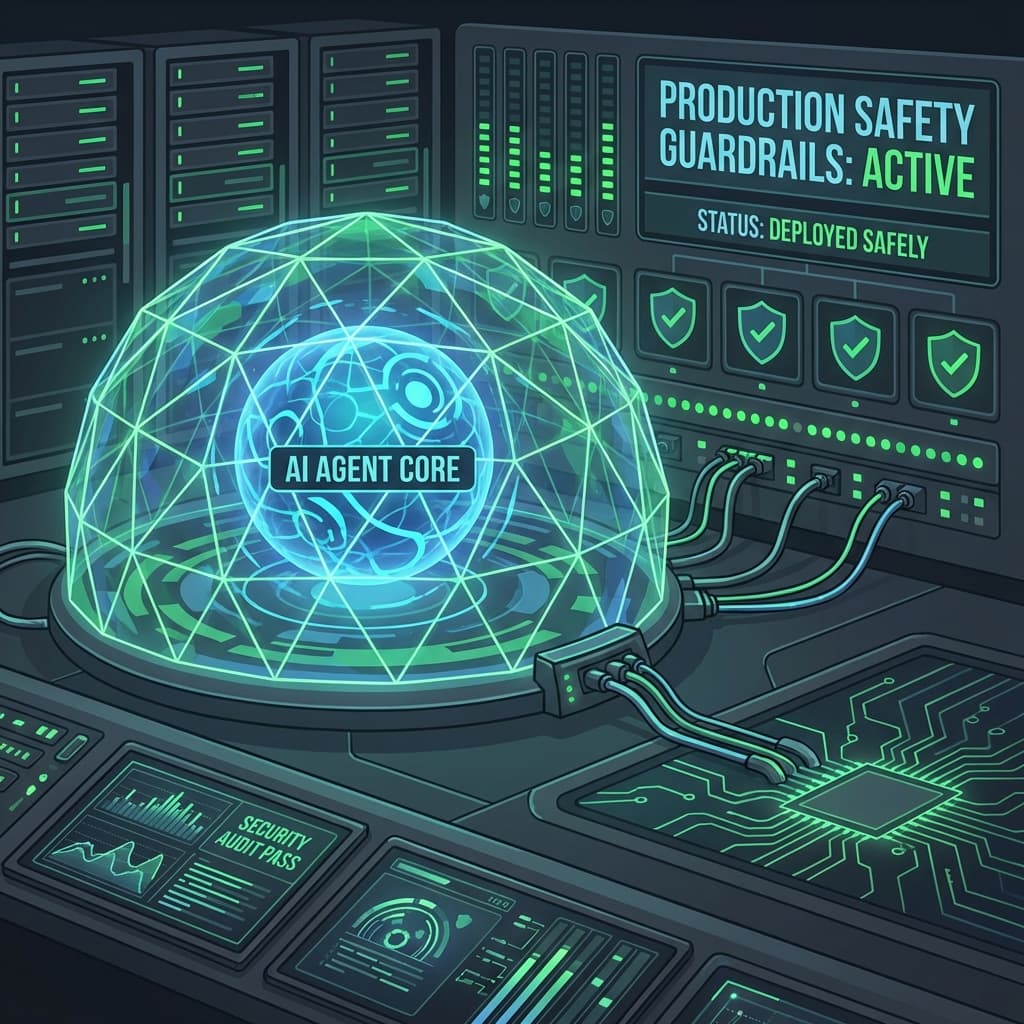
Taking your first AI agent from a prototype to a production environment is a major milestone. Learn the step-by-step process of defining tasks, designing tools, and setting the rigorous guardrails needed for safe deployment.
Bringing it all together. Build a complete, secure, and sovereign multi-agent system that researches stocks and generates a report.
The shift from generative to agentic. Understanding the third wave of AI development.
Defining the boundary. Why adding a 'Search' tool to a chatbot doesn't make it an agent.
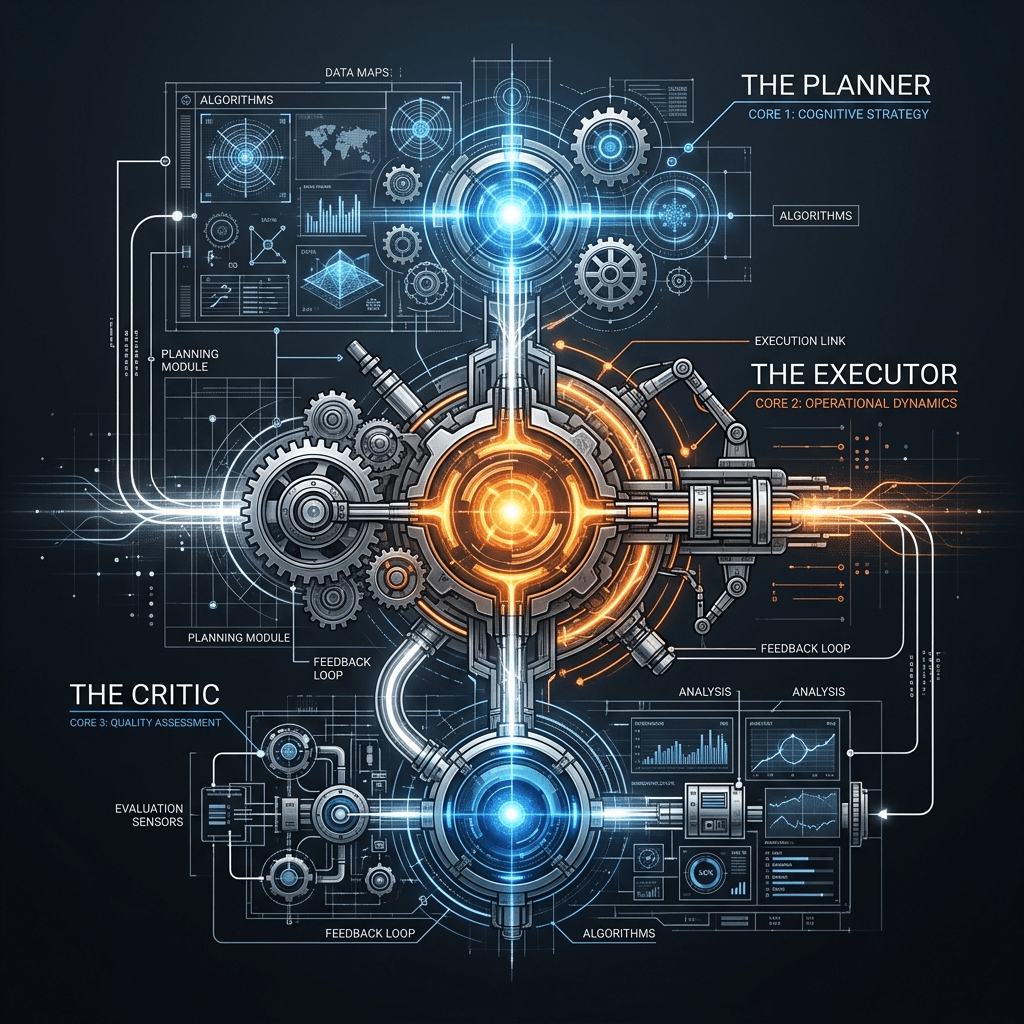
The engine of agency. Understanding the ReAct pattern and how LLMs navigate complexity.
Stability in the storm. Managing the unpredictability of LLMs within structured software environments.
Avoiding the 'Everything is a Nail' trap. Understanding the cost, latency, and reliability trade-offs.
From theory to production. Where agents are actually providing business value today.
Hands-on: Compare a chatbot vs an agent workflow and identify agent-worthy problems.
Standardizing the agent factory. Understanding the need for enterprise-grade management, configuration, and policies.
From cradle to grave. Managing versioning, rolling updates, and retirement of AI agents.
Separating logic from code. Using YAML and JSON to define agent personas, tools, and constraints.
Governance at scale. Implementing global rules that restrict agent behavior regardless of the prompt.
Connecting to the real world. Integrating agents with SQL, ERP systems, and internal authentication.
Hands-on: Design a configuration-driven agent with a global PII-filtering policy.
The Framework Showdown. Comparing the architecture, complexity, and performance of the top 3 agent frameworks.
The Speed Demon. Understanding the scenarios where LangChain's core abstractions outshine more complex frameworks.
The Enterprise Choice. Why LangGraph is the standard for high-reliability, long-running agent systems.
The Creative Engine. Scenarios where specialized roles and collaborative personas result in superior quality output.
The Hybrid Approach. How to combine LangGraph's control with CrewAI's collaboration for the ultimate system.
Hands-on: Use a decision matrix to select the right framework for three real-world business scenarios.
Understanding the glitch. The psychological and technical causes of AI hallucinations in agentic systems.
Words that matter. Advanced prompting techniques like Chain-of-Thought and Few-Shot that reduce agentic errors by 40%.
Structured safety. Using Pydantic and JSON schemas to ensure the agent's output is machine-readable and error-free.
The double-check. Implementing internal loops where one agent reviews and corrects the errors of another.
Measuring progress. How to build an Evals suite to test your agent's accuracy, tool usage, and cost over time.