Gemini 3.5 Flash Makes the Agent Race About Latency, Cost, and Tool Use
Google's Gemini 3.5 Flash release pushes frontier model competition toward fast agentic workflows, coding, MCP tool use, and controllable thinking.
28 articles

Google's Gemini 3.5 Flash release pushes frontier model competition toward fast agentic workflows, coding, MCP tool use, and controllable thinking.

A new confidential computing survey explains why agentic AI needs hardware-rooted trust when agents hold memory, credentials, and sensitive context.

Google’s Gemini Intelligence for Android brings multi-step app automation, smarter Chrome, autofill, Rambler, and generated widgets.

Anthropic packaged Claude Cowork connectors and 15 workflows for SMBs, bringing agentic AI into everyday operations.

Codex in the ChatGPT mobile app turns long-running coding agents into work that developers can steer from anywhere.

Google's Android Show and I/O previews point to a developer platform shift where Gemini-powered agents become product infrastructure.

OpenAI's latest Codex safety framing shows how sandboxing, approvals, network policies, and telemetry are turning coding agents into production systems.

Mistral Workflows brings durable execution to enterprise AI, showing why reliable orchestration now matters as much as model quality.

Nutanix's agentic AI push highlights the infrastructure, governance, Kubernetes, and cost controls enterprises need for production AI agents.

China's move to block Meta's Manus AI deal shows how autonomous-agent startups are becoming national technology assets.

IBM’s watsonx Orchestrate eCommerce pilot packages partner-built AI agents with procurement, governance, and workflow orchestration.

Meta’s plan to add tens of millions of AWS Graviton cores reframes agentic AI infrastructure beyond GPUs and training clusters.

OpenAI's GPT-5.5 'Spud' redefines the frontier as a worker-class model built for autonomous task completion. Benchmarks reveal a neck-and-neck battle with Claude Opus 4.7 across agentic workloads.

OpenAI's newest model, GPT-5.5 (Spud), marks the definitive transition from chatbots to autonomous enterprise agents. Explore the architecture, computer-use accuracy, and the shift toward reliable reasoning.

A deep-dive into the architectural patterns for high-performance agentic systems, using ShShell as a case study for context orchestration and state memory.

A journalistic analysis of why developers are moving back to the terminal with Claude Code. This isn't just a guide; it's a breakdown of the 2026 shift toward agentic engineering and how to build a high-performance digital cockpit.

NVIDIA's Nemotron 3 Super sets a new benchmark for open-weight models, specifically optimized for high-density reasoning and autonomous agent orchestration.

Perplexity AI moves from search to system automation with the launch of the 'Personal Computer' agent, an always-on Host that handles local files and app workflows.

Microsoft unveils 'Microsoft Discovery,' an agentic AI platform for scientific R&D that has already compressed years of data center coolant research into just 200 hours.

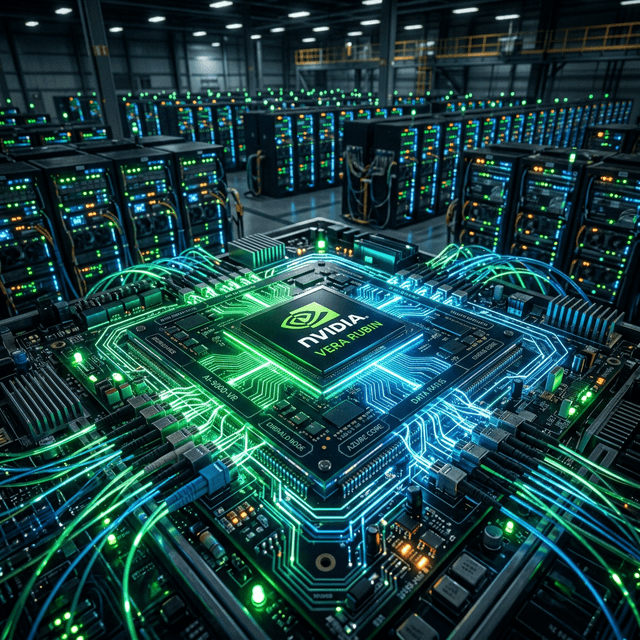
NVIDIA unveils the Vera Rubin platform, integrating the Vera CPU and Rubin GPU to power a new era of 'AI Factories' designed for autonomous agentic systems at scale.

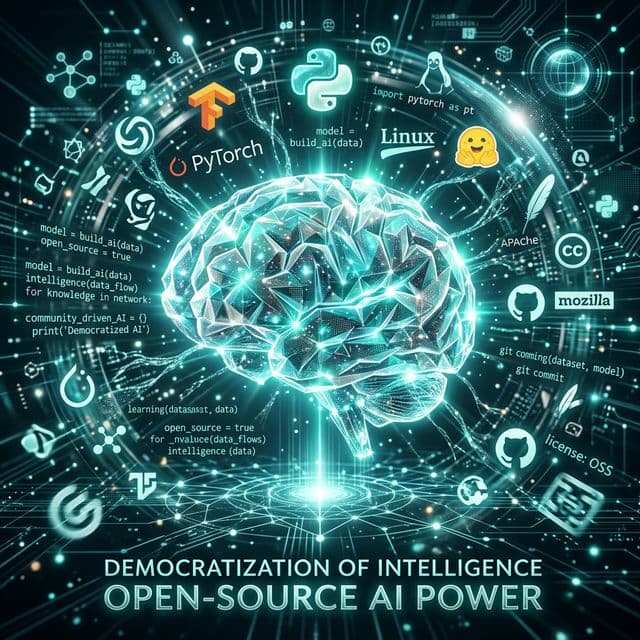
OpenAI releases GPT-OSS-120B, a 117-billion parameter mixture-of-experts model under Apache 2.0, bringing frontier-level reasoning to every developer's local machine.


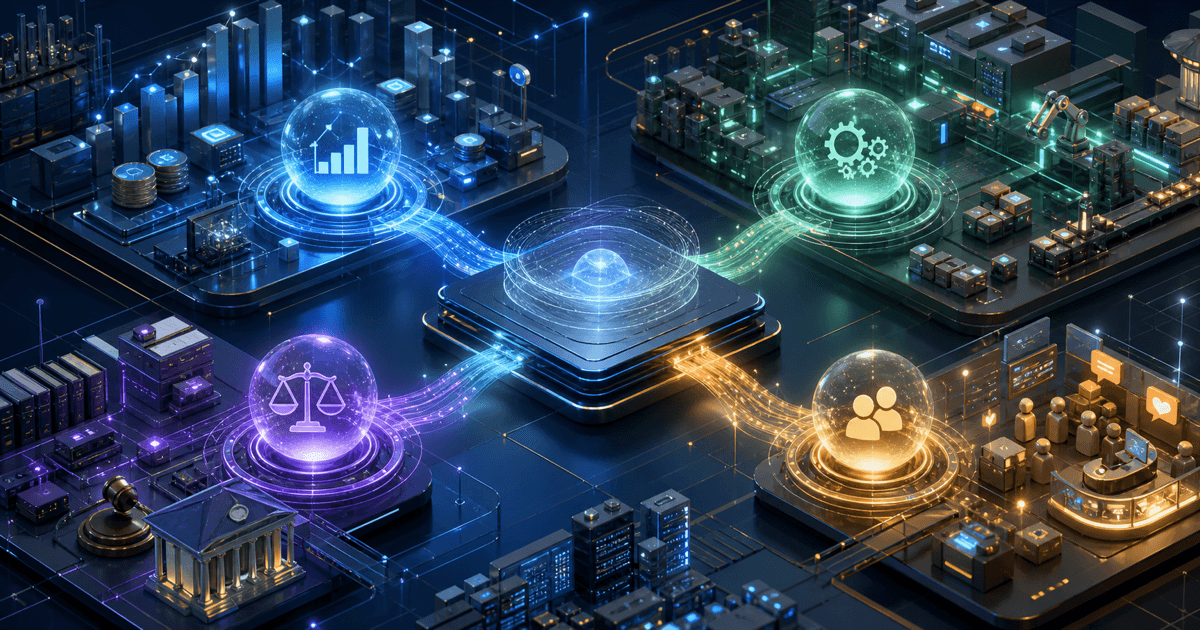
Discover how Agentic AI is transforming enterprise operations, moving beyond co-pilots to autonomous agents that orchestrate complex workflows and decision-making.

How autonomous agents are transforming business operations. We explore the architecture of planning, execution, and monitoring in end-to-end workflows for finance and support.

Moving beyond simple vector search. How Agentic RAG uses multi-step reasoning, query decomposition, and corrective feedback to answer complex questions.