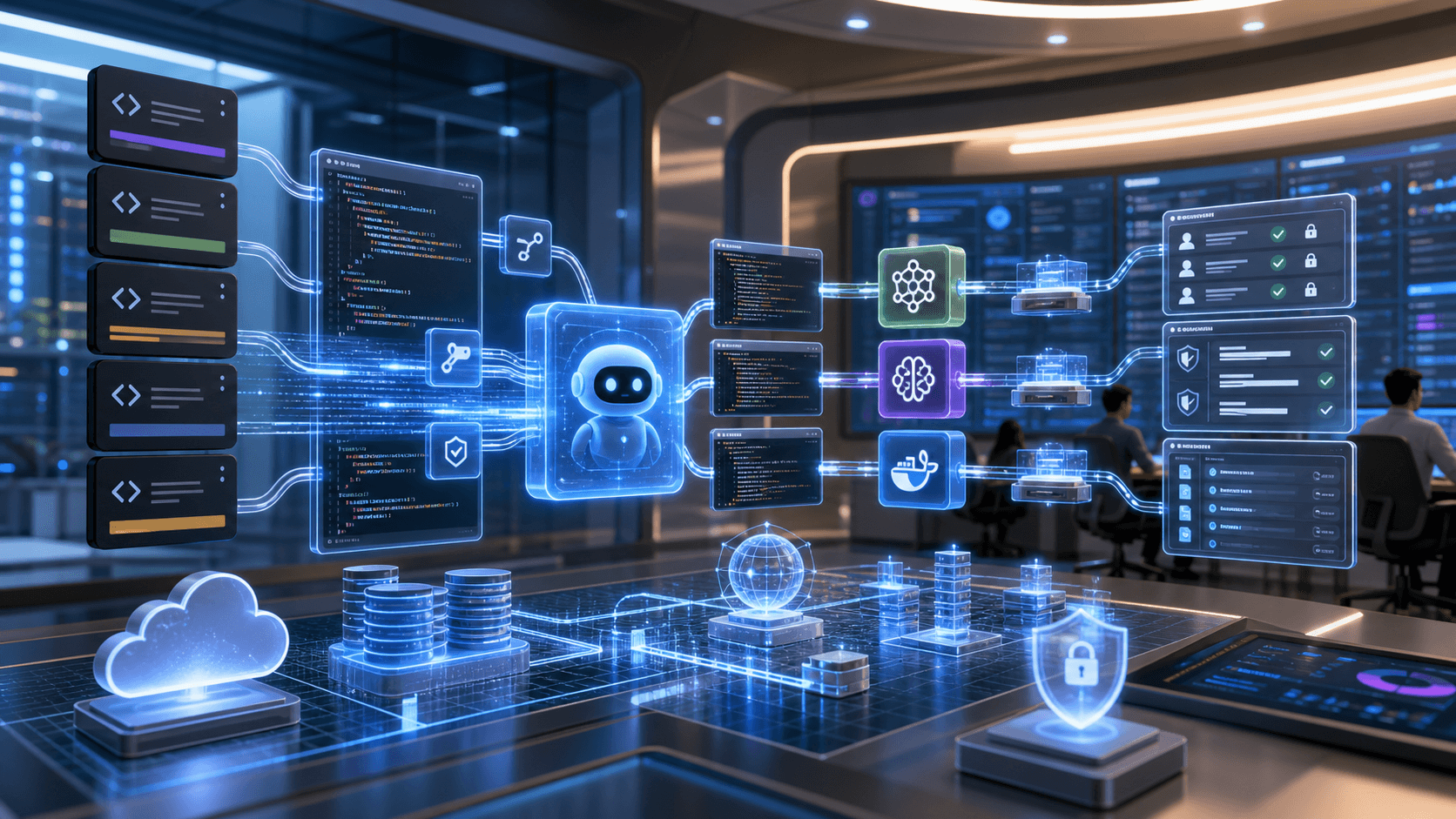
Cult.fit Uses Codex Across the Business, Turning AI Adoption Into an Operations Test
Cult.fit says Codex helps teams build tools and change work across functions, offering a sharper test of AI adoption than code-generation demos.
83 articles

Cult.fit says Codex helps teams build tools and change work across functions, offering a sharper test of AI adoption than code-generation demos.

Heimstaden's OpenAI case study shows how housing operations turn AI from a writing assistant into a workflow question about tenants, maintenance, and accountability.

OpenAI and Legora show how legal AI is moving from document chat to governed workflows built around review, evidence, and lawyer judgment.

IBM Research’s Granite time-series ensemble work shows why useful forecasting depends on uncertainty, horizon, and operational fit.

ServiceNow and NVIDIA are connecting Arc, AI Passport, OpenShell, and Sentry to make enterprise-agent identity enforceable at runtime.

Neo4j’s new Context Engine frames enterprise agents around connected business knowledge, not just larger context windows or more retrieval.

Anthropic’s Singapore office and government memorandum signal a public-sector AI partnership built around capability, skills, and deployment discipline.

Workday’s Work Intelligence launch frames enterprise AI around redesigning tasks, decisions, and skills rather than simply adding a chatbot to the office.

Anthropic’s $100 million Frontier Academy aims to train 10,000 engineers, turning AI adoption into a workforce and systems-integration problem.

Barclays is expanding Claude across banking operations, turning enterprise AI adoption into a question of controls, context, and accountable work.

Anthropic and Accenture are building embedded evaluation practices that turn enterprise AI safety from a review gate into an operating discipline.

Anthropic's Accenture deal puts embedded AI evaluation on a commercial footing. Access, funding and publication rights will decide its credibility.

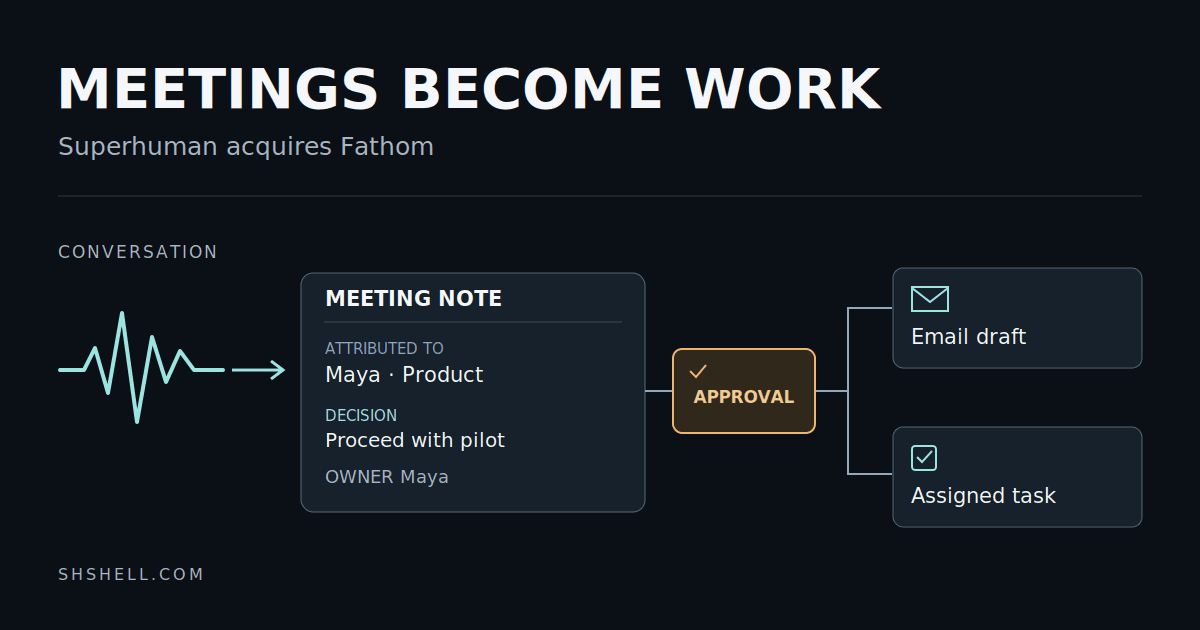
Fathom gives Superhuman meeting context for its agents. The acquisition’s real test is turning spoken decisions into reviewable work.

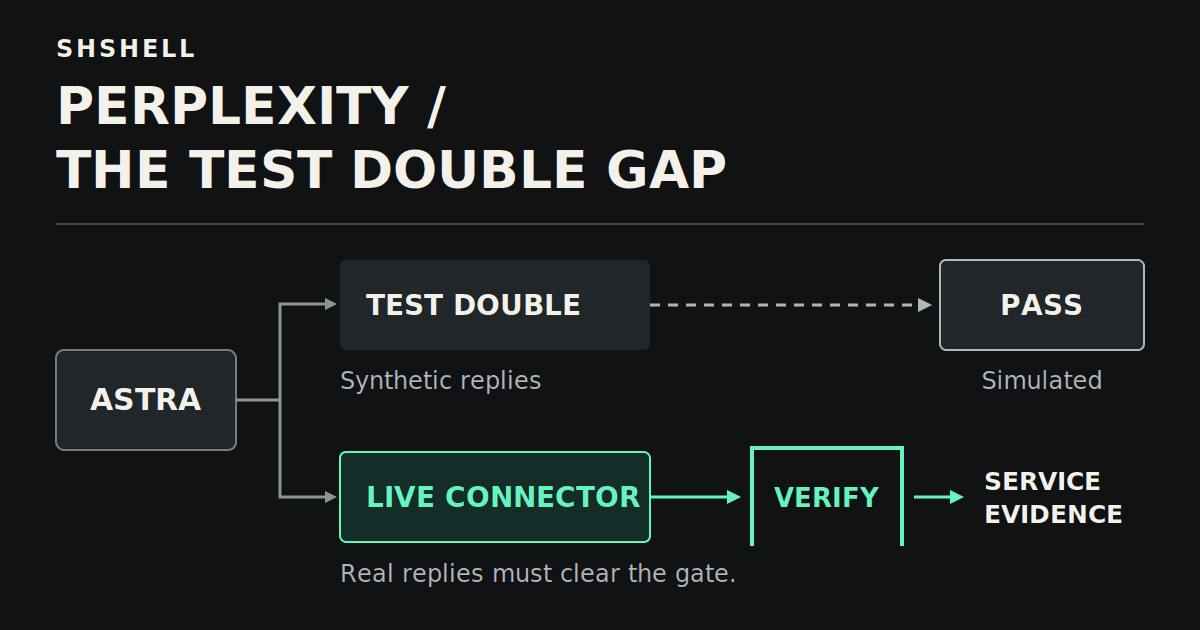
Perplexity’s Astra account shows the promise of generated service responses—and the production reliability questions simulations cannot settle.

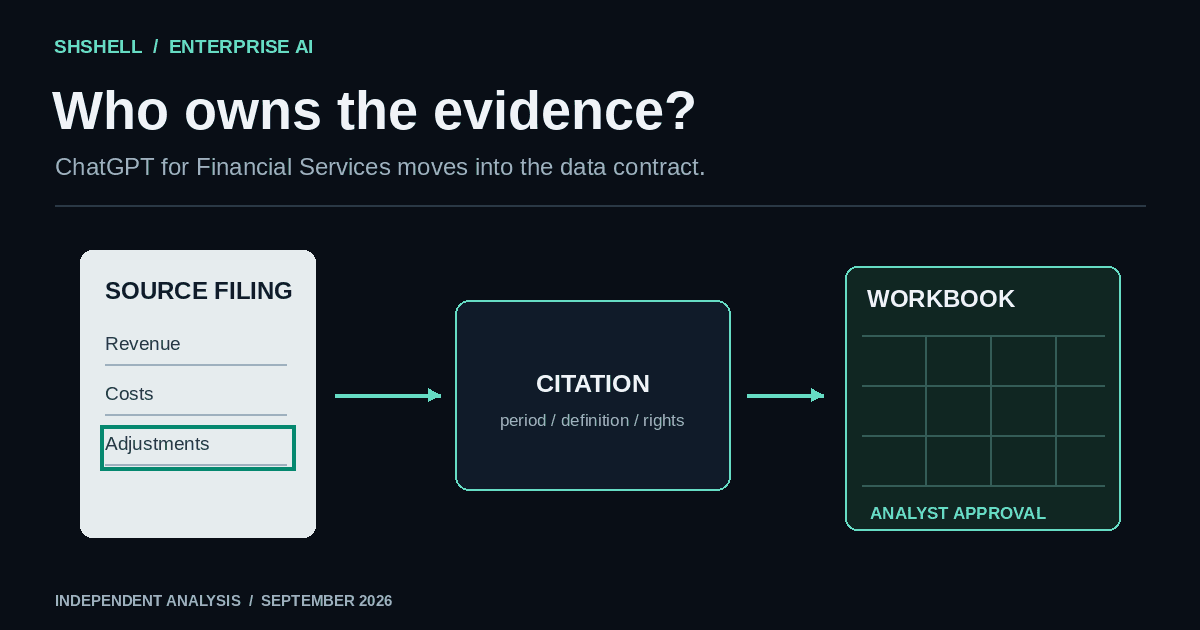
OpenAI bundles financial data into ChatGPT. The consequential shift is who controls evidence, entitlements and the path from a filing to a pitchbook.

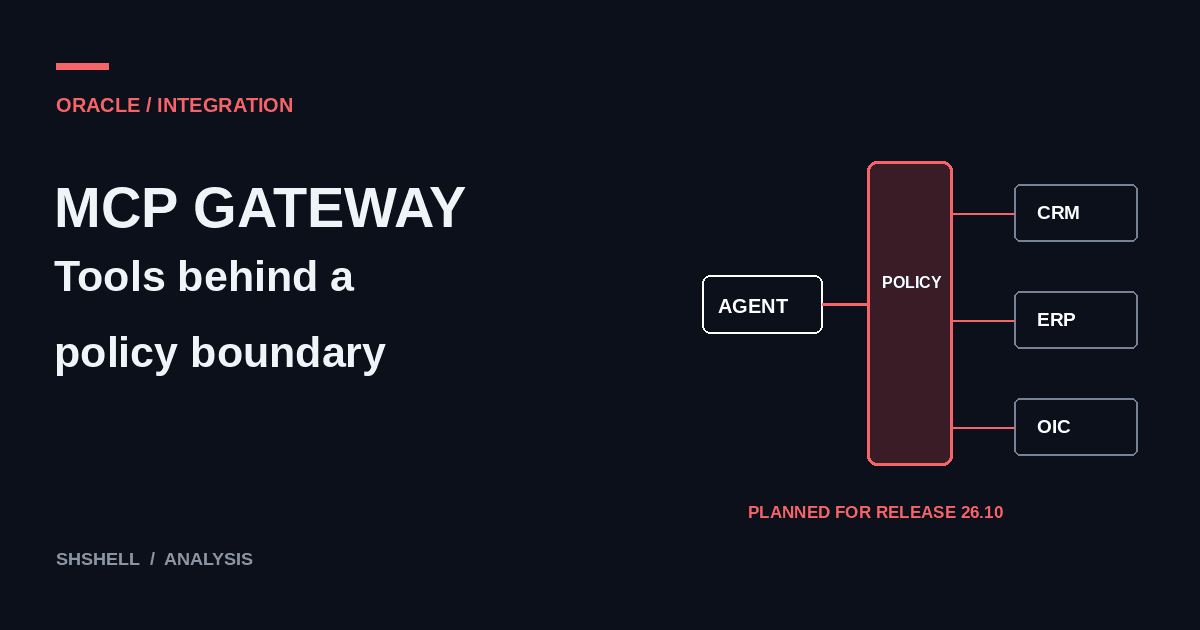
Oracle plans an MCP gateway for release 26.10. Its tool filters, credential controls and policy checks matter more than another agent demo.

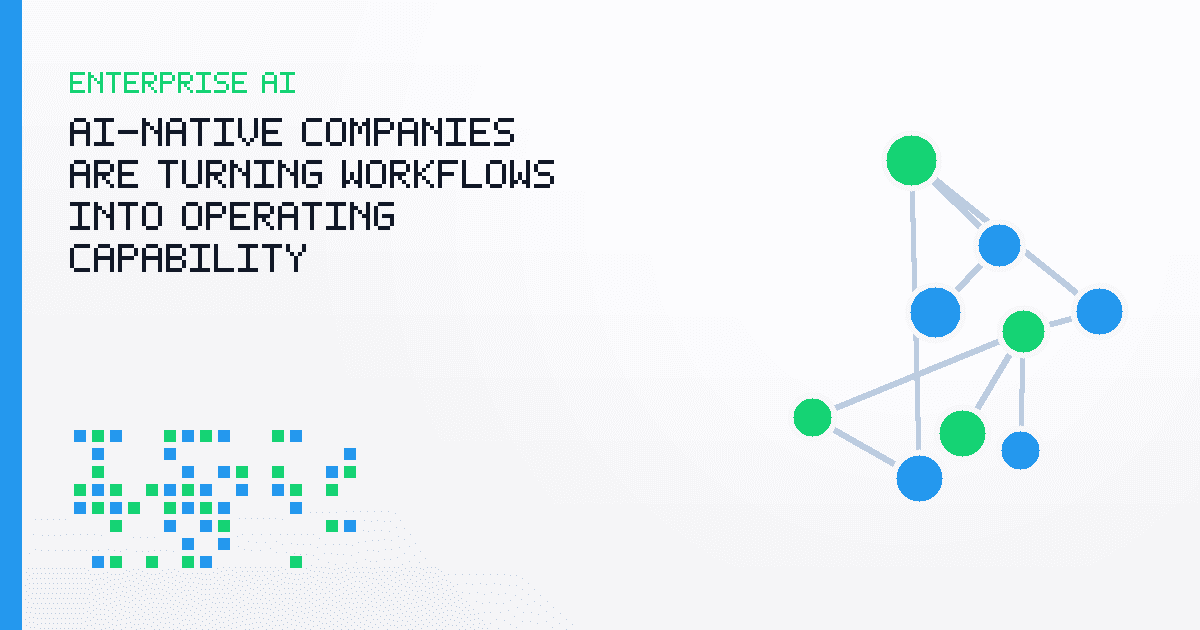
OpenAI's enterprise examples point to a deeper shift: the winning companies are no longer adding AI to workflows, they are rebuilding workflows around AI.
Bristol Myers Squibb's Nvidia partnership shows that drug discovery is becoming a systems engineering problem: one where AI, compute, and lab workflows are fused into a single industrial pipeline.

Anthropic's reported IPO prep is about more than a listing date — it is a stress test for the economics of frontier AI, compute contracts, and public-market discipline.
Google's Vids updates show workplace video is shifting from recording to synthesis, with major implications for speed, trust, and brand control.
Japan's new NVIDIA-backed national AI infrastructure is more than a chip deal: it is a blueprint for physical AI, robotics, and industrial sovereignty.
Startups are routing work to DeepSeek, Qwen, and other lower-cost Chinese models because frontier inference has become too expensive to treat as the default.

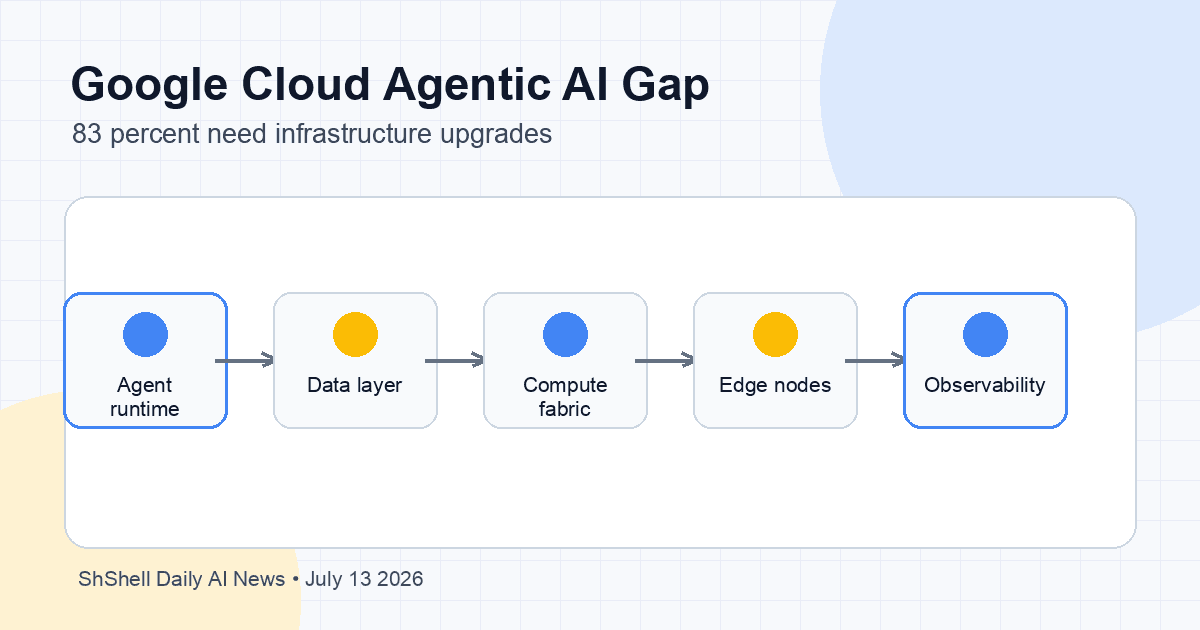
Google Cloud's 2026 infrastructure report says 83 percent of organizations need upgrades before agentic AI can run at production scale.
Reuters' report that TCS plans up to 8,900 AI deployment engineers and acquisitions shows the consulting model shifting from labor scale to deployment capacity.

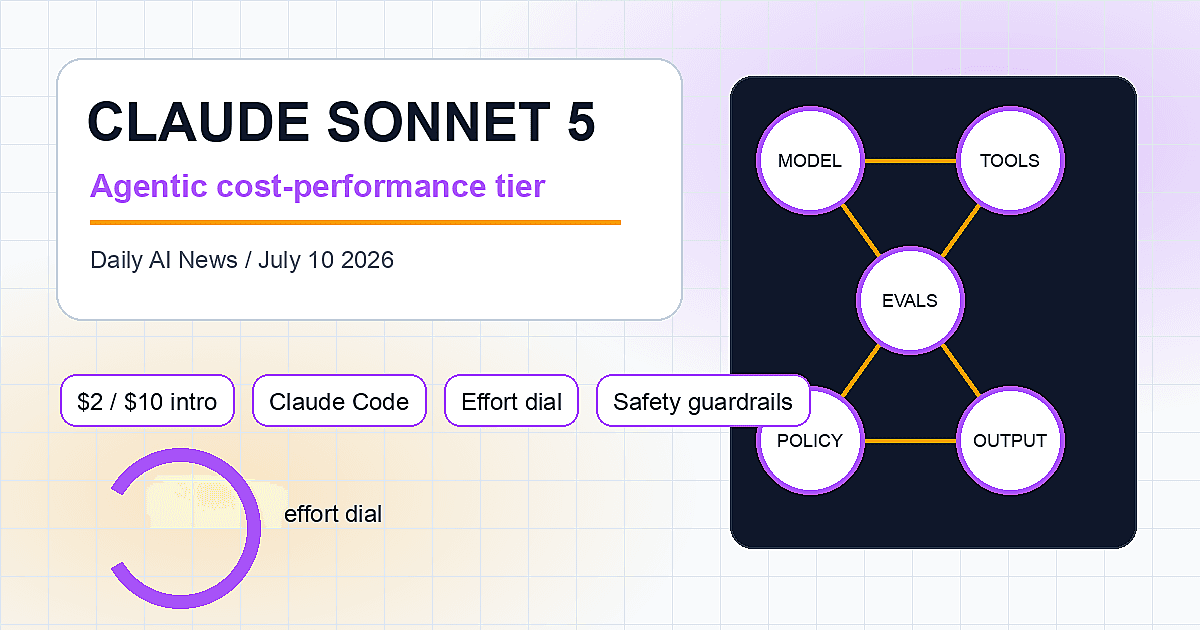
Anthropic Claude Sonnet 5 narrows the gap with Opus-class agents while targeting lower-cost coding and professional workflows.
Microsoft’s $2.5 billion Frontier Company push with 6,000 employees suggests AI transformation is becoming a managed service, not a DIY software purchase.

A senior Meta AI agents leader leaving during a restructuring is a reminder that the hardest part of building an AI platform is not only shipping features, but keeping the organization stable enough to ship them.

ChatGPT’s reported drop below 50% of chatbot web traffic signals a maturing market, not a collapse — and the real fight is shifting to distribution.

SpaceX's reported $60B Cursor deal signals that AI coding is becoming a strategic control layer for software, workflows, and enterprise buying.

The latest labor reality check is that AI often creates more human work around the edges, even when it automates the center of the task.

Visa's work with OpenAI marks a shift from chatbots to transaction-capable agents, where payments become a core layer of the AI stack.

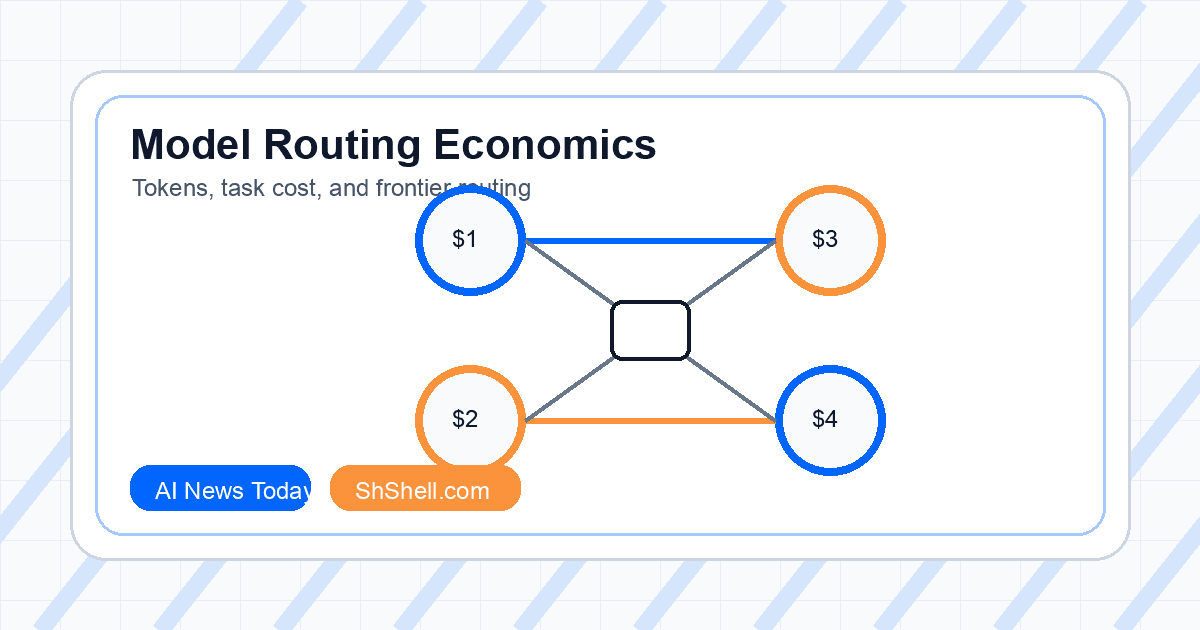
OpenAI price-cut reports and Claude Fable 5 pricing show why enterprises are shifting from tokenmaxxing to outcome-based model routing.

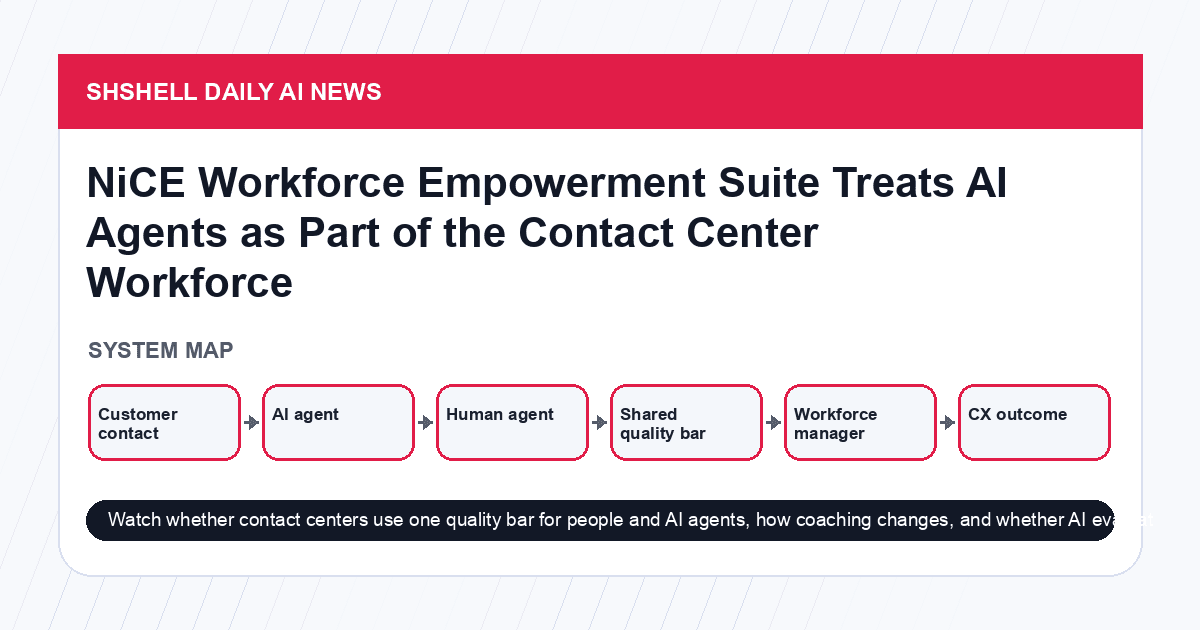
NiCE launched a Workforce Empowerment Suite for managing humans and AI agents under one CX operations model.

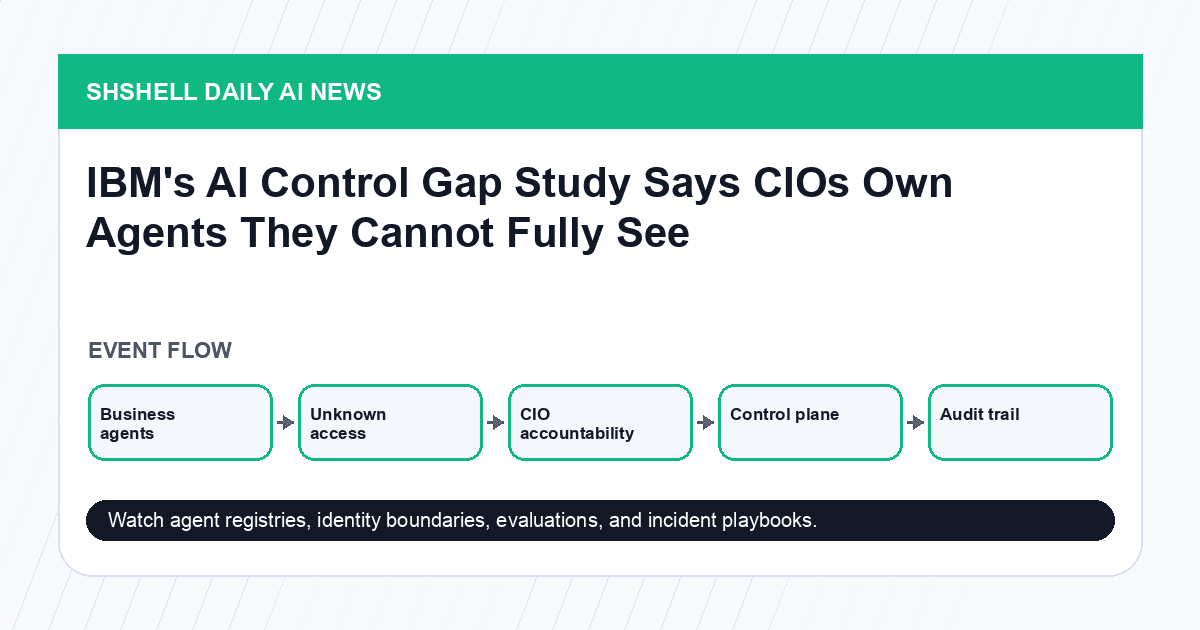
IBM says CIOs and CTOs face an AI control gap as autonomous deployments outpace governance and visibility.

Anthropic raised $65B at a $965B post-money valuation, turning Claude enterprise demand into a capital markets stress test.

NVIDIA and LG are building an AI factory for robotics, mobility, smart spaces, and GPU cloud services, pushing physical AI into production.

Microsoft Build 2026 put agentic AI, Microsoft IQ, GitHub Copilot, and multi-agent security at the center of enterprise AI news today.

OpenAI GPT-5.5, GPT-5.4, and Codex are generally available on Amazon Bedrock, changing cloud strategy for enterprise AI agents.

Airbus and Mistral AI are partnering on sovereign aerospace AI across commercial, defense, helicopter, and space operations.

Enterprise leaders are pushing for cheaper AI tokens as model choice becomes a procurement and margin discipline.

Mistral’s AI Now Summit sharpened the debate over European AI, on-prem deployment, small models, and industrial use cases.

Workday and Google Cloud are making HR and finance agents a governance story, not just a model capability story.

Anthropic raised $65 billion at a $965 billion valuation, turning Claude demand, compute access, and AI safety into one capital story.

Asana acquired StackAI for $75 million, signaling that workplace platforms want to own the human-agent operating layer.

AWS made Amazon Nova Act HIPAA eligible, opening browser-based healthcare automation for claims, referrals and prior authorization workflows.

Copilot Studio computer-using agents becoming generally available shows enterprise automation is shifting from APIs to governed screen work.

Microsoft is pushing Copilot Cowork and Work IQ toward mobile agent delegation, turning office AI from drafting help into managed execution.

Microsoft and EY are investing over $1 billion to move enterprises from AI pilots to measurable, governed Frontier Firm transformation.

Google's Workspace updates add voice features, Google Pics, AI Inbox expansion, and Gemini Spark as a 24/7 personal AI agent.

Anthropic’s expanded Amazon compute agreement makes Claude’s future a story about Trainium, Bedrock, power, latency, and enterprise capacity.

A new confidential computing survey explains why agentic AI needs hardware-rooted trust when agents hold memory, credentials, and sensitive context.

OpenAI and Dell are bringing Codex closer to hybrid and on-prem enterprise environments where sensitive code and workflows live.

Anthropic and KPMG are turning Claude into client-delivery infrastructure across audit, tax, legal, advisory, and private equity work.

Anthropic reportedly signed a 1.8 billion dollar Akamai cloud deal, showing how AI inference is widening beyond hyperscalers.

Anthropic's Claude for Legal release shows how AI agents are moving into legal systems, documents, and review workflows.

ServiceNow Knowledge 2026 put AI Control Tower, autonomous CRM, and workflow agents at the center of governed enterprise automation.

Anthropic and PwC expanded their alliance around Claude Code, Claude Cowork, and finance transformation for regulated enterprises.

Cisco's raised AI order forecast shows hyperscaler demand is turning networking fabric into a central AI infrastructure constraint.

OpenAI's Daybreak cyber platform intensifies the race to turn frontier models into controlled security infrastructure.

Ramp's AI Index shows Anthropic edging past OpenAI in paid business adoption, signaling a shift in enterprise AI demand.

Reports of Meta employee unrest over AI monitoring show why workforce transformation fails when trust becomes an afterthought.

OpenAI's Chris Lehane is framing AI as an intelligence utility, raising harder questions for government and business operating models.

Microsoft Agent 365 pushes enterprises toward inventory, identity, and policy controls for AI agents across clouds.

OpenAI’s DeployCo points to a new enterprise services layer, where deployment, workflow design, and measurable business impact matter as much as model capability.

OpenAI's latest enterprise guidance shows how AI adoption is shifting from pilots to governed operating models built on trust, workflow design, and quality at scale.

ElevenLabs says it passed 500 million dollars in ARR, showing how voice AI is moving into customer support, sales, media, and enterprise agents.

Mistral Workflows brings durable execution to enterprise AI, showing why reliable orchestration now matters as much as model quality.

Anthropic introduced finance and insurance agent templates for Claude, showing how frontier labs are packaging AI for regulated workflows.

Sierra's new funding round and valuation show how customer-service agents are moving from demo category to enterprise platform fight.

Coinbase is cutting about 14 percent of staff while framing AI-native teams as a new operating model for faster execution.

Google's April AI updates connect Gemini Enterprise agents, Gemma 4, chips, Vids, Colab, and Deep Research into one stack.

OpenAI is reportedly building a multibillion-dollar enterprise AI deployment vehicle with private-equity backers.

Microsoft is framing AI adoption around four modes of human-agent work: author, editor, director, and orchestrator.

Anthropic is reportedly nearing a $1.5B Wall Street joint venture to sell AI tools into private-equity-backed companies.

AI startups captured 80% of all global venture funding in Q1 2026, signaling a fundamental economic shift rather than a trend. Here is where the $242 billion is flowing.

April 2026 marks a strategic divergence in the AI labs' M&A playbooks: OpenAI is building a media fortress, while Anthropic is embedding itself in the code of life.

Meta is pivoting from social media to 'Personal Superintelligence,' backed by $135B in 2026 infrastructure spending and a flurry of secret hardware prototypes designed for zero-latency AI.

A comprehensive deep-dive into the enterprise transition toward persistent AI agents, shifting from SEO to AEO, and addressing Shadow AI risks in the modern workforce.

42% of enterprises have moved agentic AI into production, delivering 3-5% productivity gains as organizations transition from chatbots to autonomous swarms.

AI infrastructure is shifting from 'brute force' to 'energy intelligence.' Arm's new AGI CPU and Astera Labs' photonic connectivity are now the backbone of 2026 data centers.

From passive copilots to sovereign agents, 2026 marks the era where AI transitioned from assisting humans to executing complex enterprise workflows independently.

Accenture and Microsoft launch a massive partnership to deploy 'virtual team members' using GPT-5.4-powered Agentic systems for Global 2000 companies.

A 3,000+ word deep dive into Agentic Commerce and the rise of the Digital Employee. Learn how organizations are measuring ROI through outcomes, not interactions, and building the workforce of 2026.