AI News
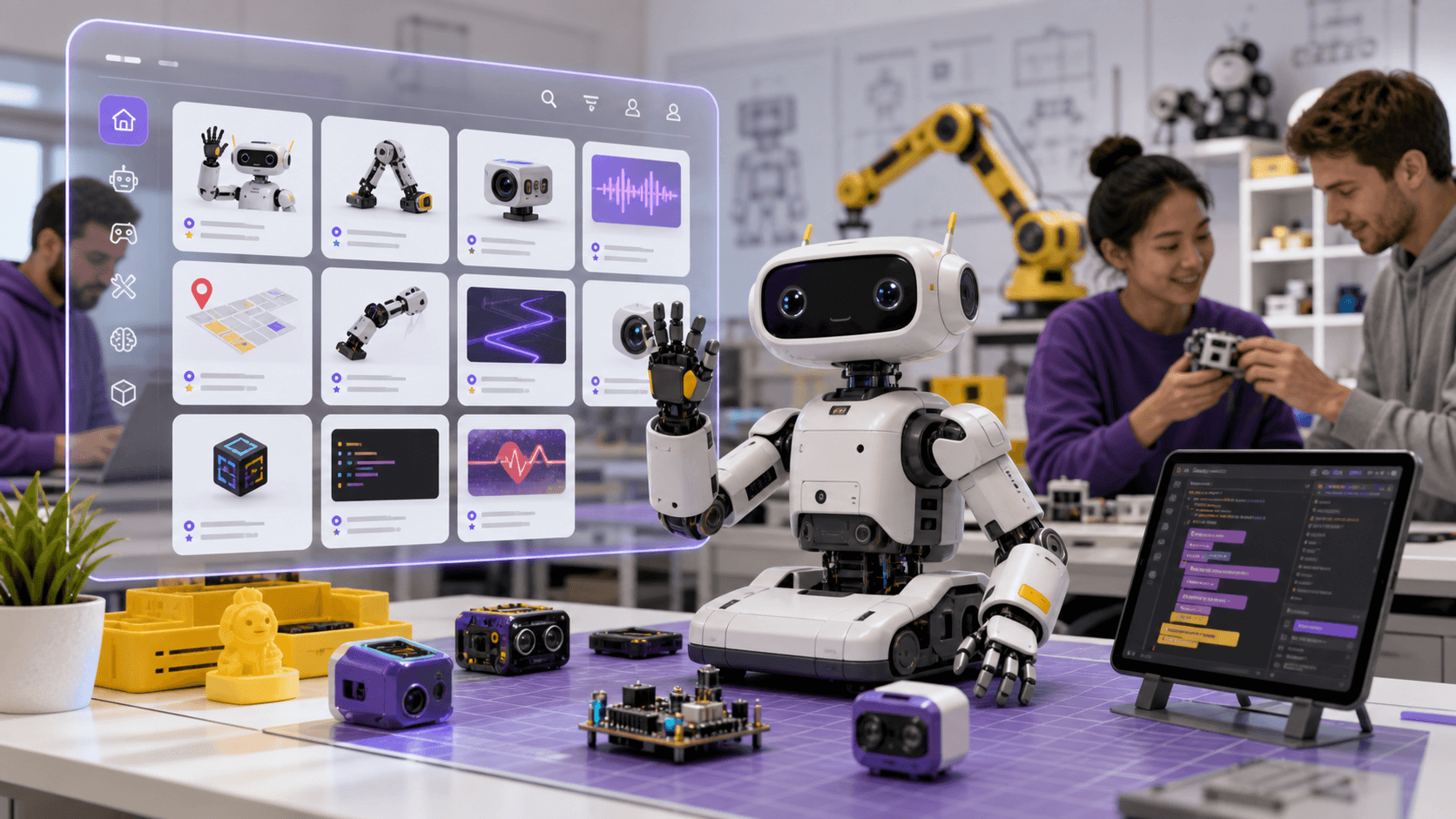
Hugging Face's Robot App Store Makes Embodied AI Feel Like a Developer Platform
Hugging Face's Reachy Mini app store suggests the next AI platform fight may move from chat windows into small robots.
Read Article →
Hugging Face's Reachy Mini app store suggests the next AI platform fight may move from chat windows into small robots.

Colorado lawmakers killed a data-center regulation push, leaving the AI power boom to collide with local energy and water concerns.

Reports of Meta employee unrest over AI monitoring show why workforce transformation fails when trust becomes an afterthought.

OpenAI's Chris Lehane is framing AI as an intelligence utility, raising harder questions for government and business operating models.

IREN's AI infrastructure volatility shows that GPU demand is real, but financing, power, and execution risk still decide winners.

Anthropic's financial services agent push shows banks want AI inside controlled workflows, not just chat windows.

EU officials are exploring AI Act simplification as companies warn that complex rules could slow adoption without improving trust.
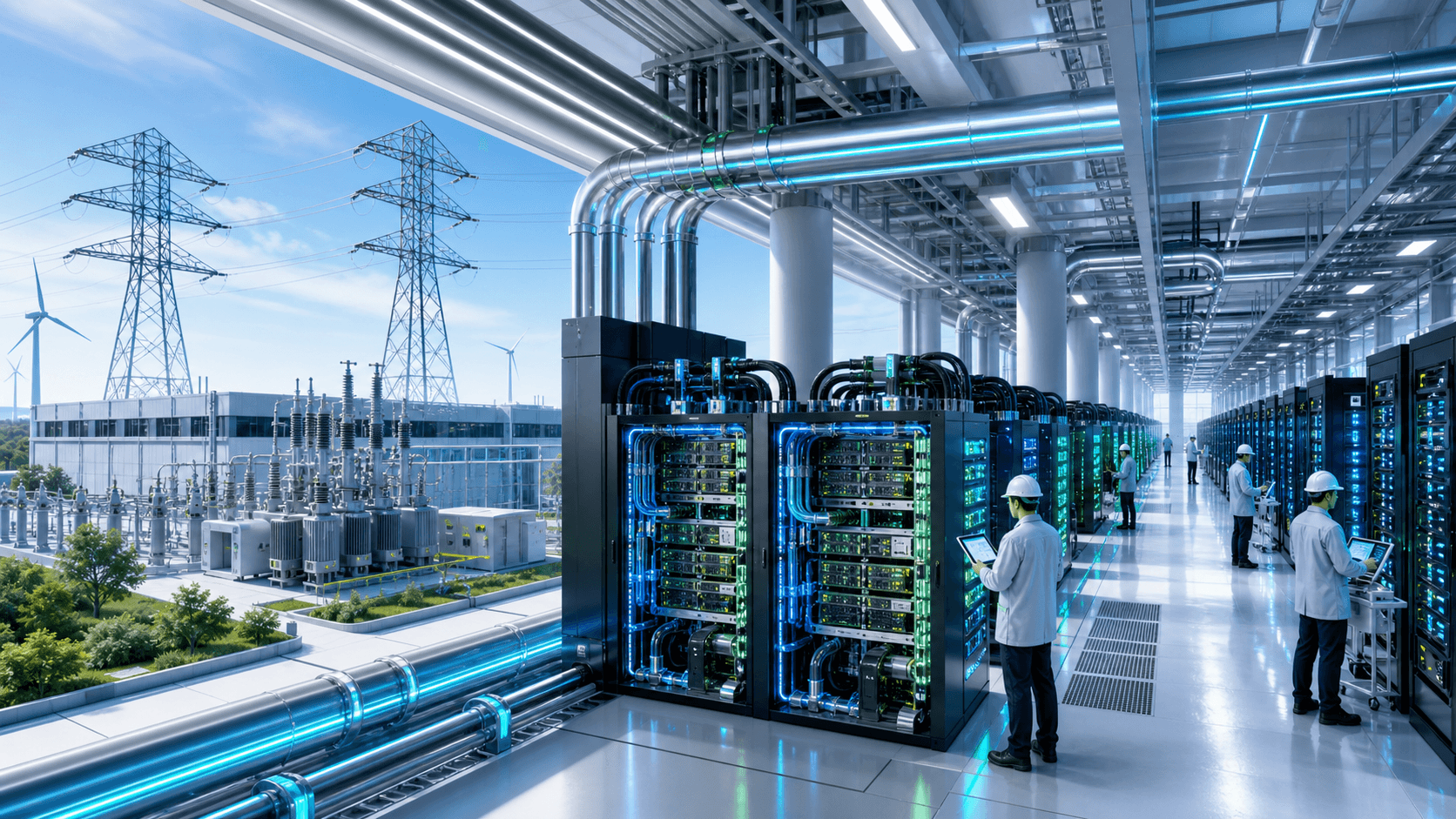
Amazon's reported Titus data-center effort highlights how power, cooling, and rack design now shape AI competition.

Google's latest threat reporting shows AI moving from phishing support into vulnerability discovery and exploit workflows.

OpenAI's expansion of Trusted Access for Cyber with GPT-5.5 and GPT-5.5-Cyber shows how verified access, safety controls, and defender tooling are redefining the cyber market.

Anthropic introduced Natural Language Autoencoders, a research direction for translating Claude activations into readable explanations.

Anthropic donated Petri, its open-source alignment testing tool, signaling that simulated model audits are becoming shared AI safety infrastructure.

Google DeepMind shared AlphaEvolve impact work, showing how a Gemini-powered coding agent can optimize algorithms across science and infrastructure.

NVIDIA and Corning announced a long-term optical connectivity partnership, making fiber capacity part of the AI factory race.

OpenAI’s DeployCo points to a new enterprise services layer, where deployment, workflow design, and measurable business impact matter as much as model capability.

OpenAI is rolling out GPT-5.5-Cyber through Trusted Access for Cyber, making identity and safeguards central to advanced AI security work.

OpenAI's MRC announcement signals that the next bottleneck in frontier AI is not just compute, but the reliability and topology of the networks that move training traffic at massive scale.

OpenAI's latest Codex safety framing shows how sandboxing, approvals, network policies, and telemetry are turning coding agents into production systems.

OpenAI's latest enterprise guidance shows how AI adoption is shifting from pilots to governed operating models built on trust, workflow design, and quality at scale.

Eclipse’s 1.3 billion dollar fund signals a larger investor shift toward robotics, industrial automation, and physical AI startups.

Uber’s expanded AWS chip use highlights how custom AI silicon is moving from cloud marketing into production workload strategy.

Arcee AI’s Trinity Large Thinking model points to a new open-weight strategy for enterprises that want control and portability.

Court testimony in Elon Musk v OpenAI puts safety teams, board oversight, and product pressure at the center of AI governance.

Anthropic Mythos is forcing Washington to rethink frontier AI oversight, cybersecurity testing, and pre-release evaluations.
Google DeepMind and Fenris Creations are using EVE Online as a controlled AI research environment for planning, memory, and complex behavior.

ElevenLabs says it passed 500 million dollars in ARR, showing how voice AI is moving into customer support, sales, media, and enterprise agents.

Ineffable Intelligence raised 1.1 billion dollars to pursue reinforcement-learning systems that can learn beyond human-generated data.
Mistral Workflows brings durable execution to enterprise AI, showing why reliable orchestration now matters as much as model quality.
Temporal serverless workers and workflow streams highlight the infrastructure layer enterprises need for reliable long-running AI agents.

Anthropic introduced finance and insurance agent templates for Claude, showing how frontier labs are packaging AI for regulated workflows.

Cerebras is reportedly targeting a valuation up to $26.6 billion, giving public investors a sharper test of AI chip demand beyond Nvidia.

Panthalassa raised $140 million to build wave-powered AI inference nodes at sea, a sign of how far the compute bottleneck is pushing infrastructure.

A federal judge let key copyright claims against Nvidia proceed, keeping training-data risk close to the AI infrastructure boom.

Google is reportedly testing Remy, a Gemini-based personal agent that could push AI assistants from chat into proactive daily workflow.
Nutanix's agentic AI push highlights the infrastructure, governance, Kubernetes, and cost controls enterprises need for production AI agents.
French startup Genesis AI unveiled a robotics model and human-like hand, showing Europe's push into adaptable physical AI systems.
Sierra's new funding round and valuation show how customer-service agents are moving from demo category to enterprise platform fight.
Google DeepMind added multimodal retrieval, metadata filtering, and page-level citations to Gemini API File Search.
Anthropic's dreaming preview and SpaceX compute deal show how agent memory, self-improvement, and infrastructure are converging.

CAISI found DeepSeek V4 Pro is China's strongest evaluated model but still about eight months behind the U.S. frontier on aggregate tests.
CAISI found DeepSeek V4 Pro is China's strongest evaluated model but still about eight months behind the U.S. frontier on aggregate tests.

Intel hired Qualcomm veteran Alex Katouzian to lead Client Computing and Physical AI, signaling a wider shift beyond traditional PCs.

A Chinese court said companies cannot fire workers solely because AI can replace them, creating an early legal signal for AI labor disputes.

Coinbase is cutting about 14 percent of staff while framing AI-native teams as a new operating model for faster execution.

Micron and Samsung rallies show how AI memory demand is reshaping data centers, consumer devices, and semiconductor economics.

Meta reportedly acquired Assured Robot Intelligence, adding humanoid robotics expertise as AI labs push from chat into physical systems.

xAI shipped Grok 4.3 and a fast voice-cloning suite, using low pricing and media generation to pressure larger AI labs.
OpenAI is reportedly building a multibillion-dollar enterprise AI deployment vehicle with private-equity backers.
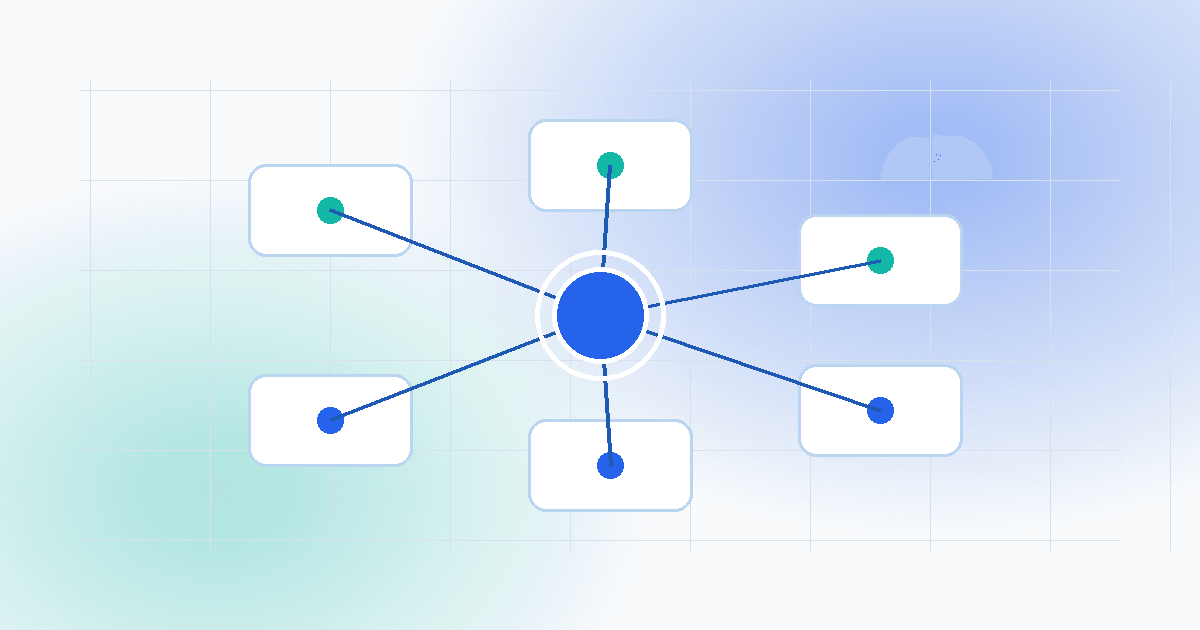
Microsoft is framing AI adoption around four modes of human-agent work: author, editor, director, and orchestrator.

CAISI is reportedly expanding pre-deployment testing with Google DeepMind, Microsoft, and xAI, making frontier model release governance harder to ignore.