AI News
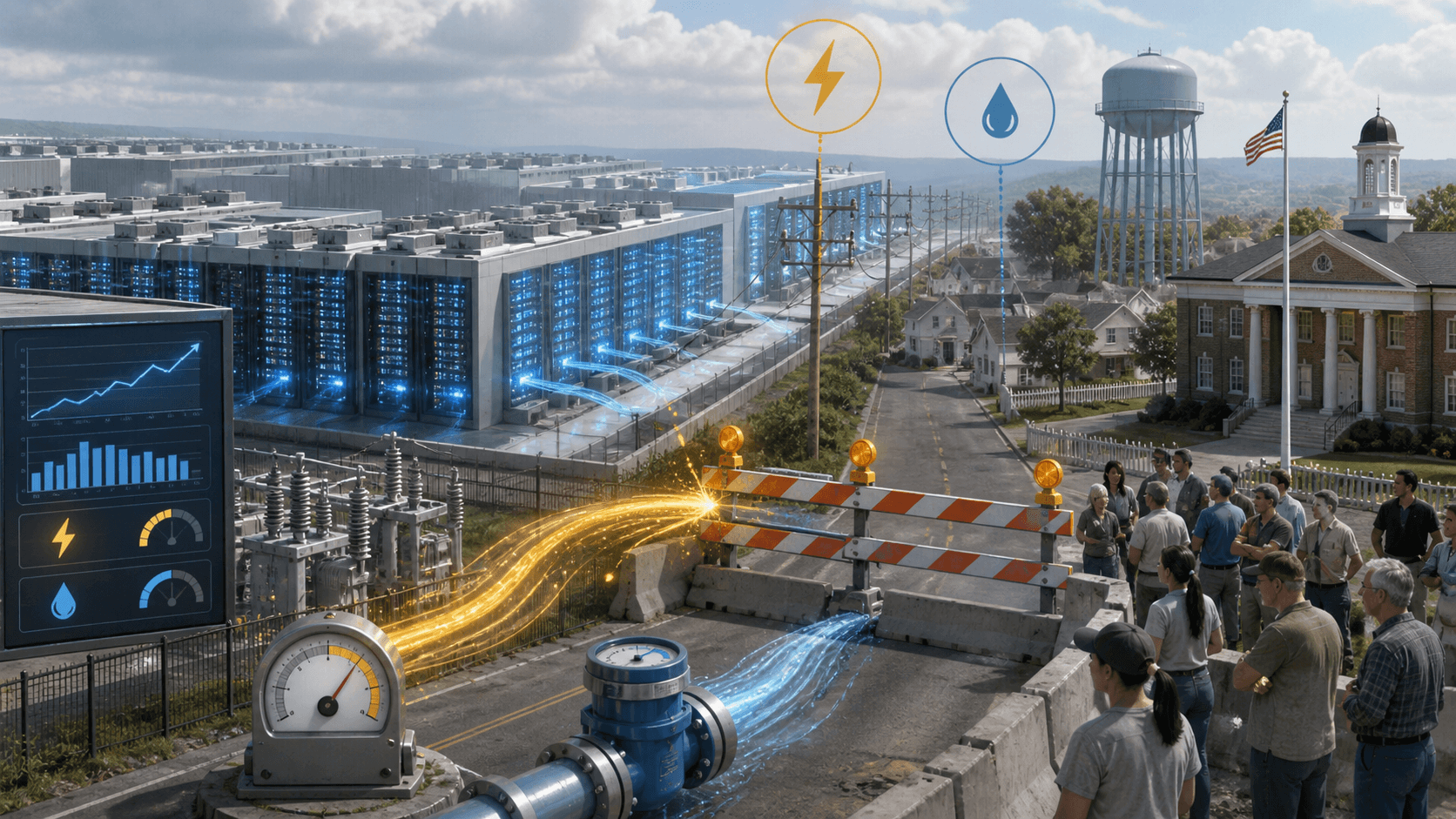
The AI Data Center Boom Has Hit a Local Political Wall
Public opposition to AI data centers is turning power, water, land, and local consent into binding limits on the industry's compute buildout.
Read Article →
14 articles
Public opposition to AI data centers is turning power, water, land, and local consent into binding limits on the industry's compute buildout.

The latest wave of AI data center backlash shows that power, water, and local oversight are no longer side effects of AI growth; they are the growth constraint.

The next AI bottleneck is not model quality; it is the physical infrastructure needed to keep adding compute without breaking local grids and water systems.
Big Tech capex, utility bottlenecks, and AI electricity demand are turning power infrastructure into a software procurement issue.

New York\u2019s first statewide data center moratorium shows that AI load growth has become a statehouse fight over ratepayer protection, grid capacity, and who gets to absorb the cost of scale.
The White House push to make utilities and data centers accept AI power-cost limits is turning infrastructure growth into a direct fight over who pays for the grid.
Ars Technica’s reporting on Google’s 2025 power use shows why AI infrastructure is colliding with utilities, siting, and carbon goals.
The AI buildout is no longer just a chip story. Utilities, power developers, and grid regulators are becoming the gatekeepers that decide how fast the AI economy can actually grow.
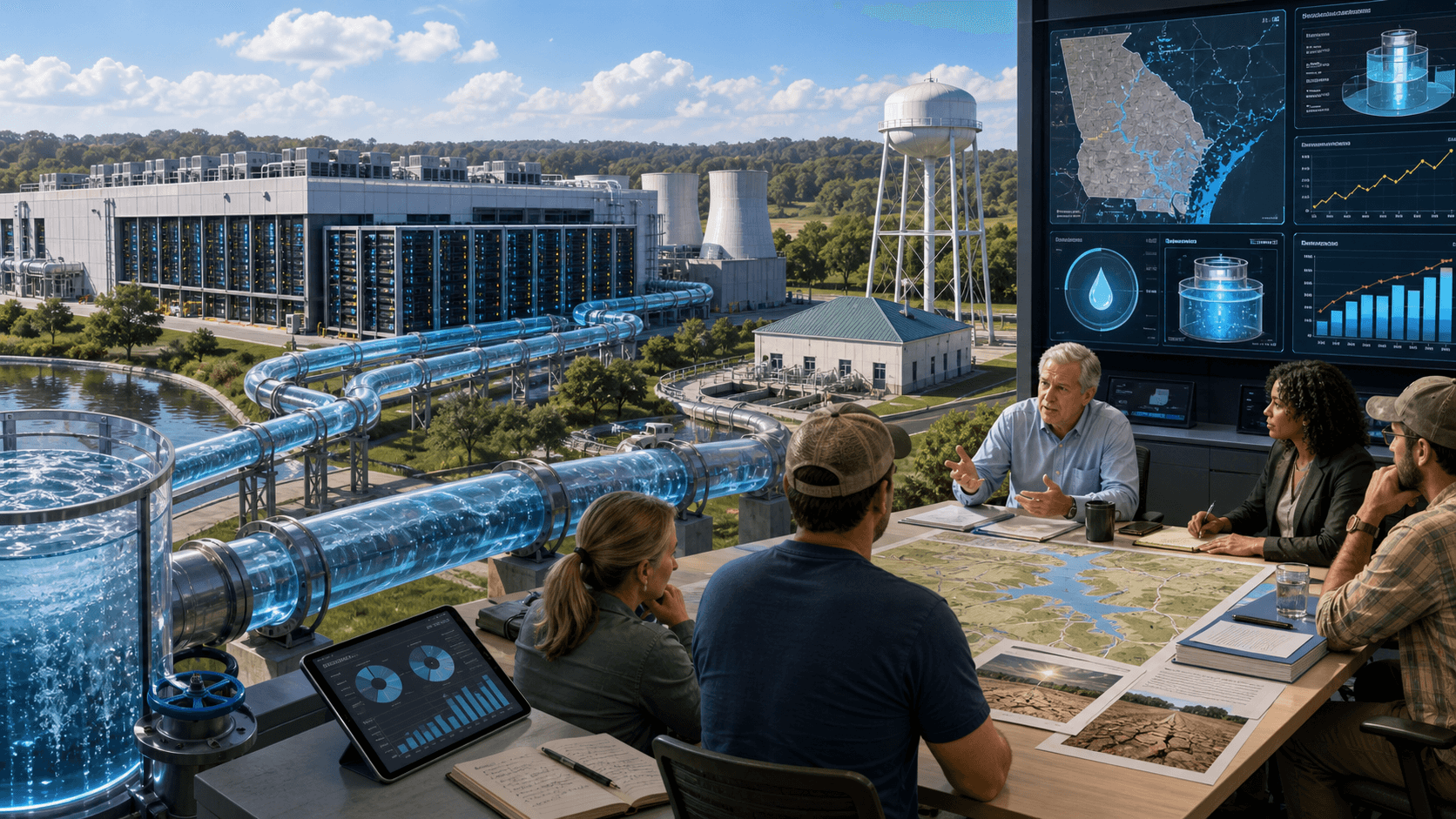
A Georgia data-center water dispute shows why AI infrastructure must make local utility impacts visible before trust collapses.
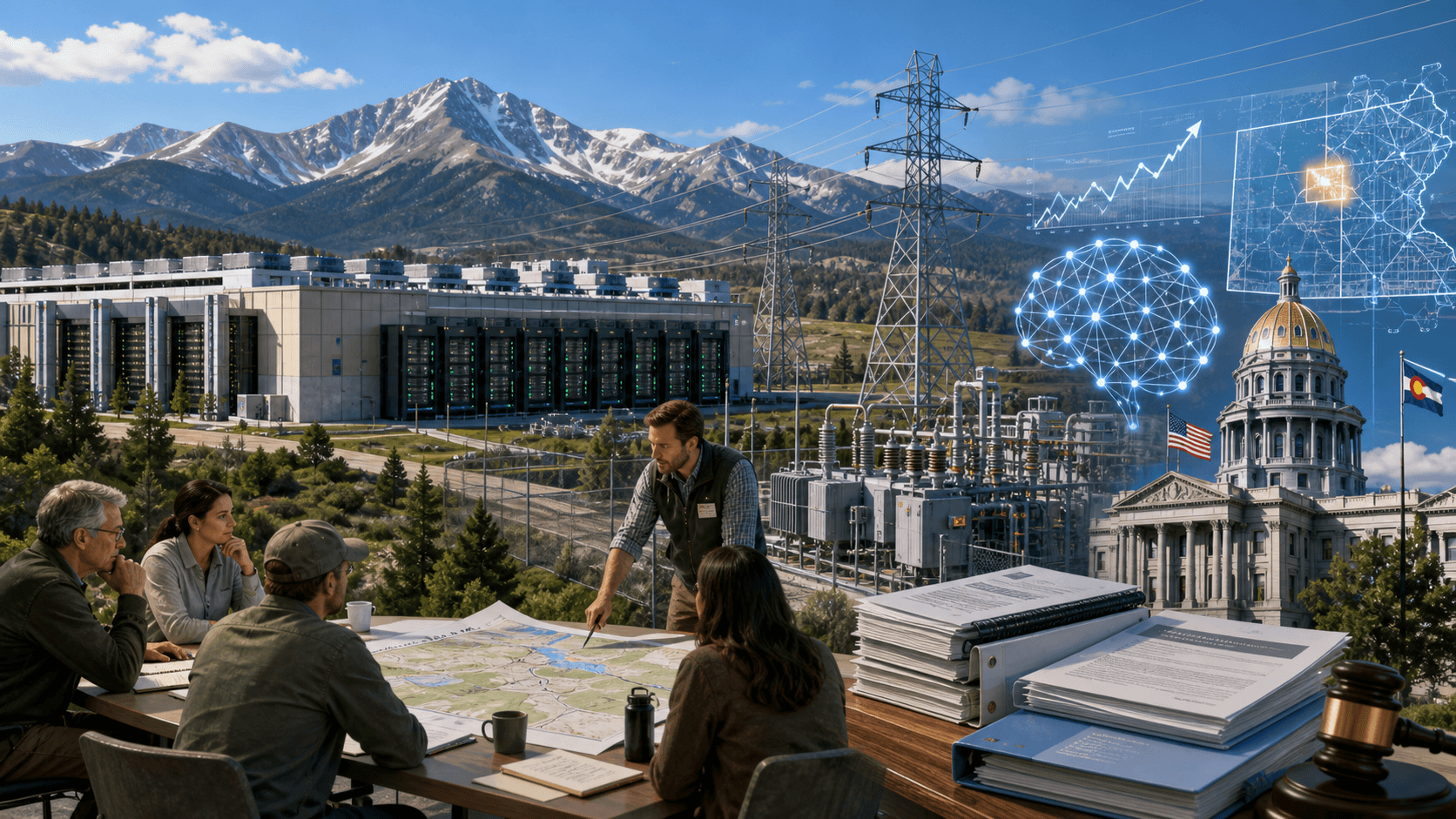
Colorado lawmakers killed a data-center regulation push, leaving the AI power boom to collide with local energy and water concerns.

Panthalassa raised $140 million to build wave-powered AI inference nodes at sea, a sign of how far the compute bottleneck is pushing infrastructure.

OpenAI has paused the Stargate UK data center project, citing energy costs and regulatory headwinds. The decision exposes critical fault lines in Britain's AI infrastructure strategy.
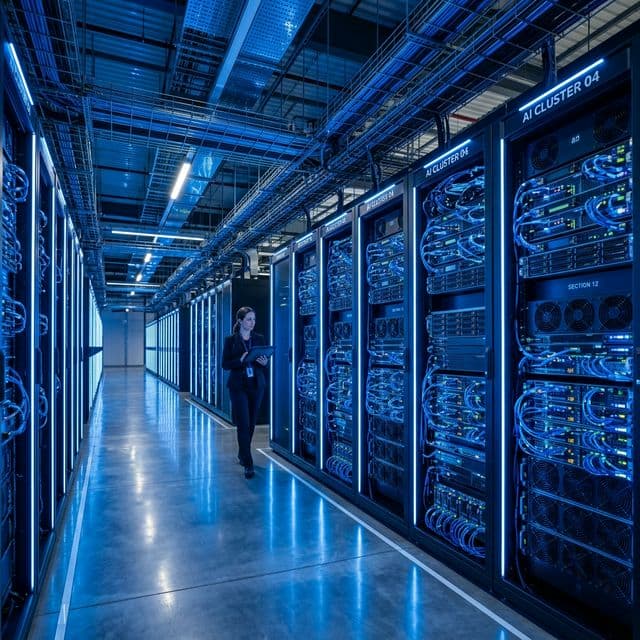
Applied Digital and Polaris Forge have finalized a $2.15 billion high-yield bond to fuel the expansion of massive HPC data centers in North Dakota, securing the energy-compute future.
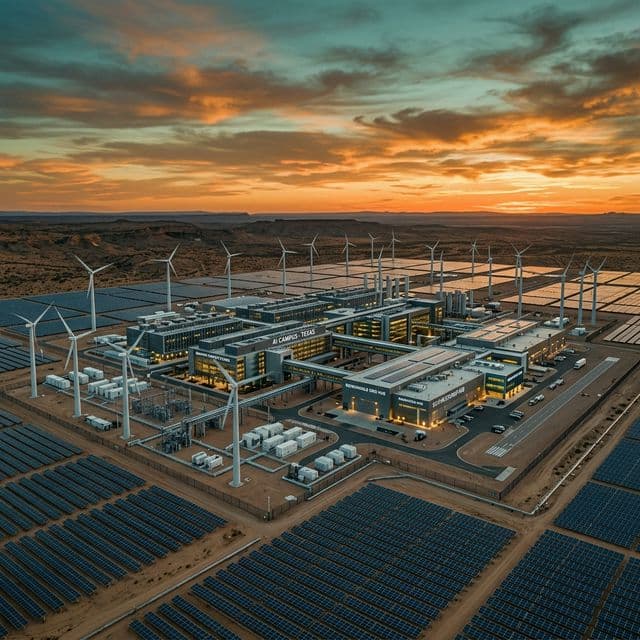
Faced with a 78GW demand in Texas and a crumbling national grid, AI giants are bypassing the utility companies entirely to build self-powered off-grid campuses.