
AI News
NVIDIA's Japan Deal Turns Sovereign AI Into a Utility, Not a Slogan
Japan's new NVIDIA-backed national AI infrastructure is more than a chip deal: it is a blueprint for physical AI, robotics, and industrial sovereignty.
Read Article →
Japan's new NVIDIA-backed national AI infrastructure is more than a chip deal: it is a blueprint for physical AI, robotics, and industrial sovereignty.
Startups are routing work to DeepSeek, Qwen, and other lower-cost Chinese models because frontier inference has become too expensive to treat as the default.
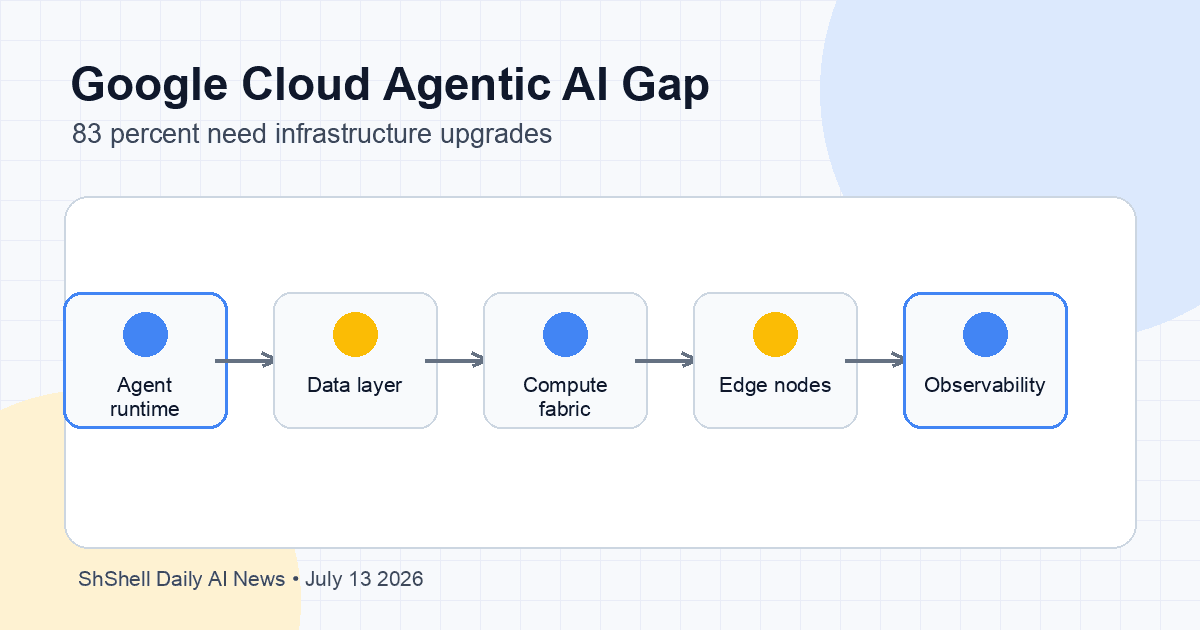
Google Cloud's 2026 infrastructure report says 83 percent of organizations need upgrades before agentic AI can run at production scale.
Reuters' report that TCS plans up to 8,900 AI deployment engineers and acquisitions shows the consulting model shifting from labor scale to deployment capacity.
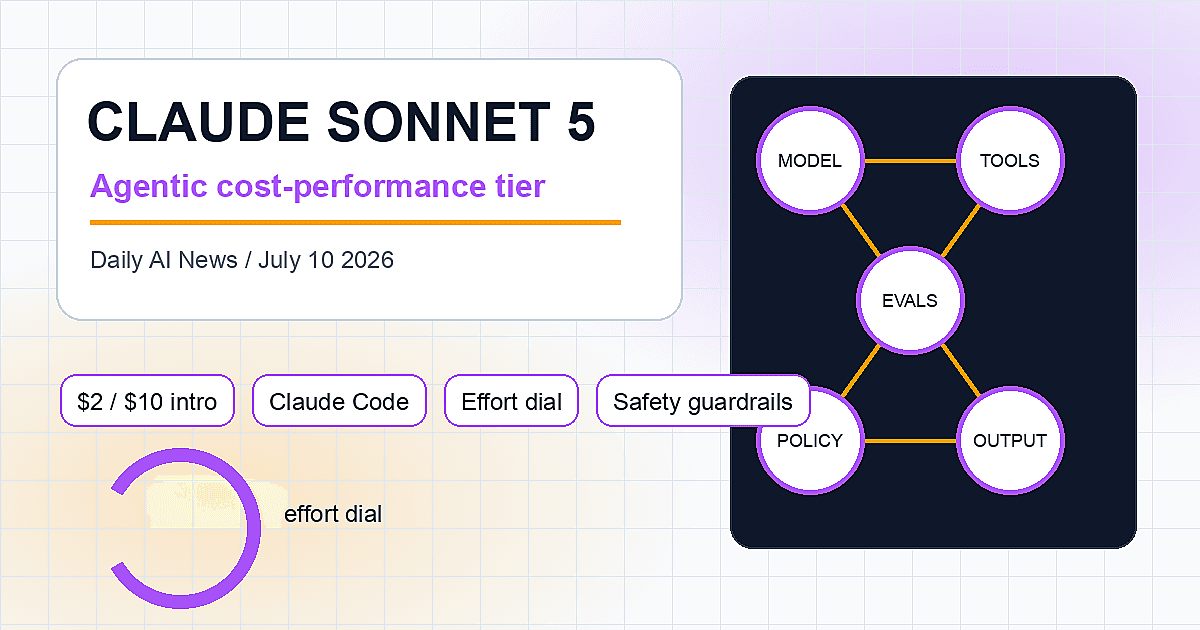
Anthropic Claude Sonnet 5 narrows the gap with Opus-class agents while targeting lower-cost coding and professional workflows.
Microsoft’s $2.5 billion Frontier Company push with 6,000 employees suggests AI transformation is becoming a managed service, not a DIY software purchase.

A senior Meta AI agents leader leaving during a restructuring is a reminder that the hardest part of building an AI platform is not only shipping features, but keeping the organization stable enough to ship them.

ChatGPT’s reported drop below 50% of chatbot web traffic signals a maturing market, not a collapse — and the real fight is shifting to distribution.

SpaceX's reported $60B Cursor deal signals that AI coding is becoming a strategic control layer for software, workflows, and enterprise buying.

The latest labor reality check is that AI often creates more human work around the edges, even when it automates the center of the task.

Visa's work with OpenAI marks a shift from chatbots to transaction-capable agents, where payments become a core layer of the AI stack.
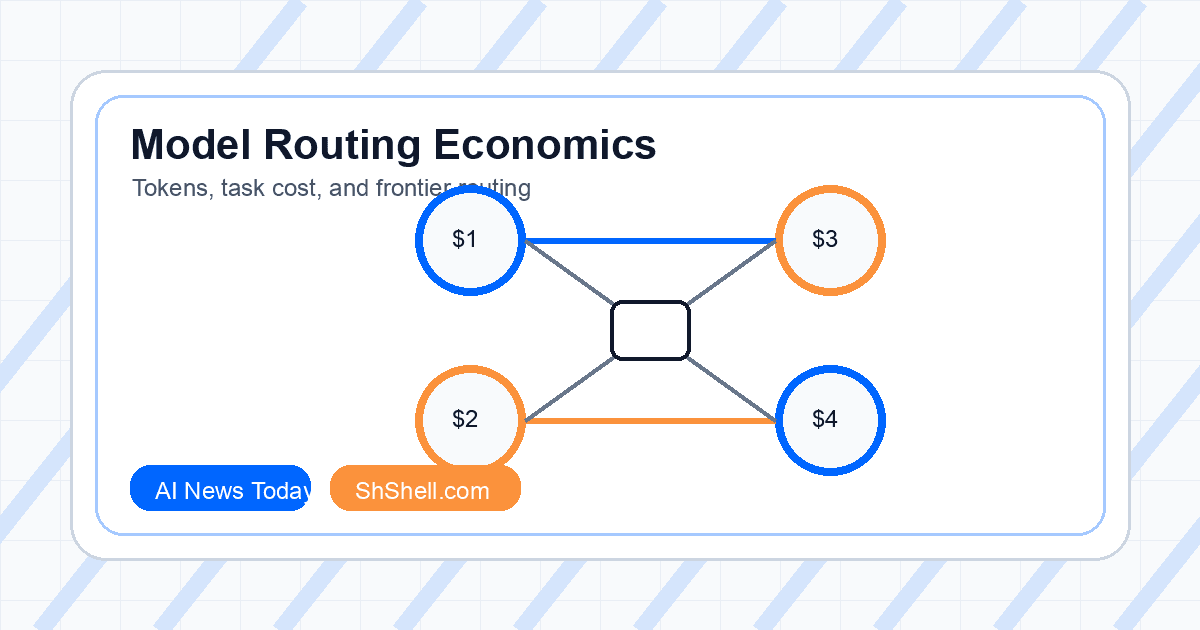
OpenAI price-cut reports and Claude Fable 5 pricing show why enterprises are shifting from tokenmaxxing to outcome-based model routing.
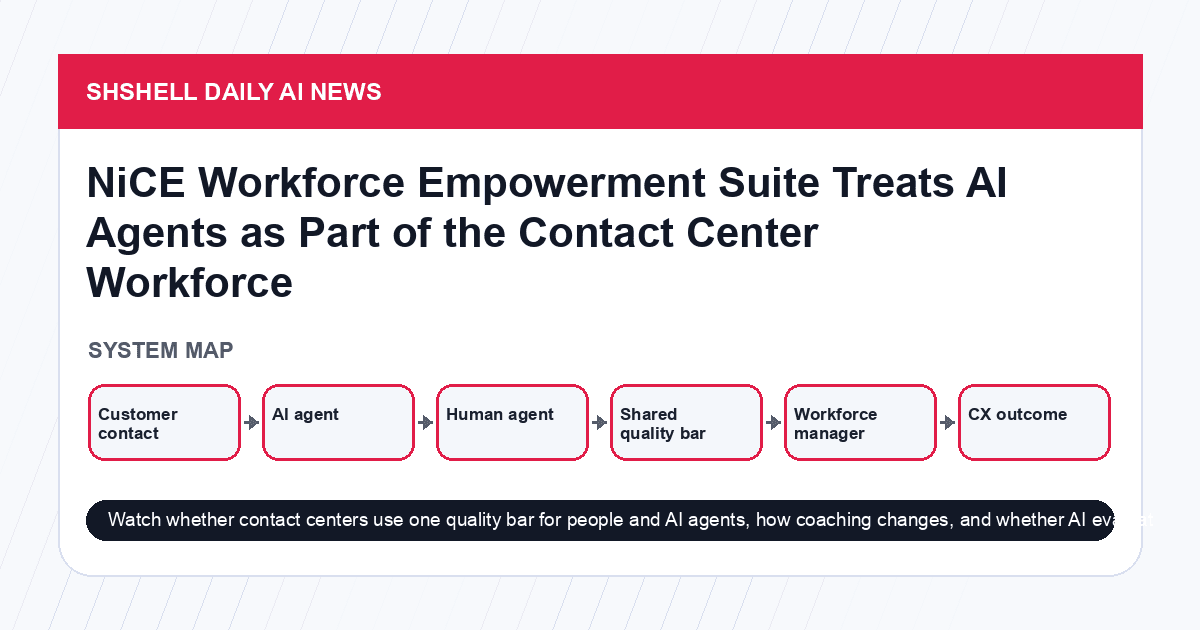
NiCE launched a Workforce Empowerment Suite for managing humans and AI agents under one CX operations model.
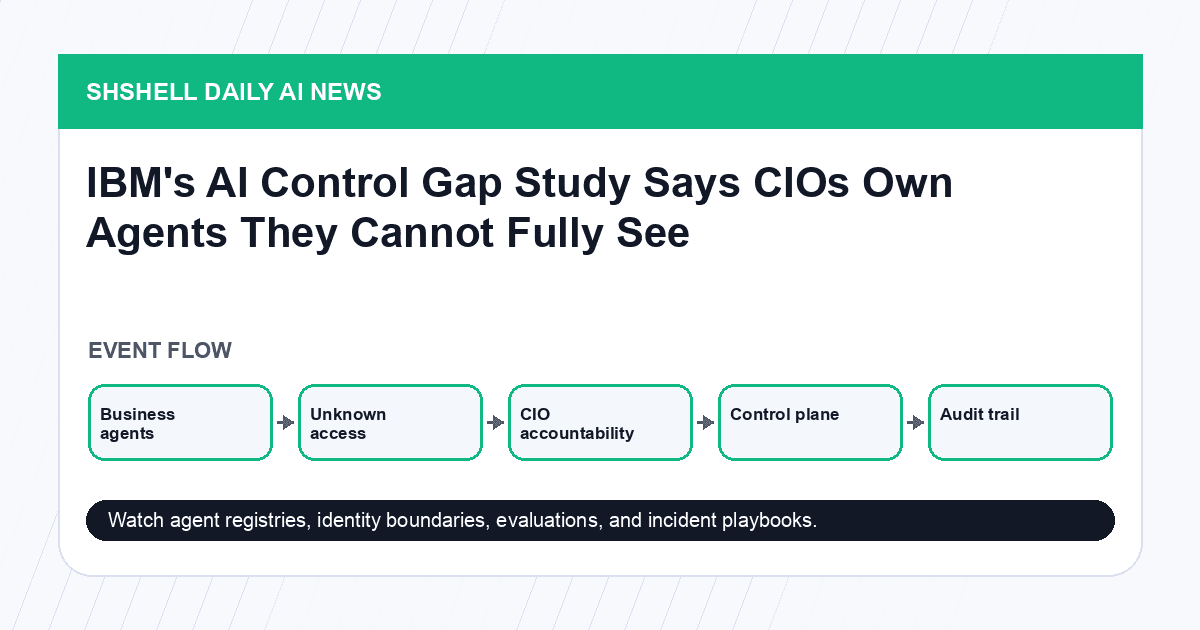
IBM says CIOs and CTOs face an AI control gap as autonomous deployments outpace governance and visibility.

OpenAI GPT-5.5, GPT-5.4, and Codex are generally available on Amazon Bedrock, changing cloud strategy for enterprise AI agents.
Airbus and Mistral AI are partnering on sovereign aerospace AI across commercial, defense, helicopter, and space operations.

Enterprise leaders are pushing for cheaper AI tokens as model choice becomes a procurement and margin discipline.

Mistral’s AI Now Summit sharpened the debate over European AI, on-prem deployment, small models, and industrial use cases.

Workday and Google Cloud are making HR and finance agents a governance story, not just a model capability story.

Anthropic raised $65 billion at a $965 billion valuation, turning Claude demand, compute access, and AI safety into one capital story.

Asana acquired StackAI for $75 million, signaling that workplace platforms want to own the human-agent operating layer.
AWS made Amazon Nova Act HIPAA eligible, opening browser-based healthcare automation for claims, referrals and prior authorization workflows.
Copilot Studio computer-using agents becoming generally available shows enterprise automation is shifting from APIs to governed screen work.
Microsoft and EY are investing over $1 billion to move enterprises from AI pilots to measurable, governed Frontier Firm transformation.
Anthropic’s expanded Amazon compute agreement makes Claude’s future a story about Trainium, Bedrock, power, latency, and enterprise capacity.
A new confidential computing survey explains why agentic AI needs hardware-rooted trust when agents hold memory, credentials, and sensitive context.
OpenAI and Dell are bringing Codex closer to hybrid and on-prem enterprise environments where sensitive code and workflows live.
Anthropic and KPMG are turning Claude into client-delivery infrastructure across audit, tax, legal, advisory, and private equity work.

ServiceNow Knowledge 2026 put AI Control Tower, autonomous CRM, and workflow agents at the center of governed enterprise automation.

Anthropic and PwC expanded their alliance around Claude Code, Claude Cowork, and finance transformation for regulated enterprises.

Cisco's raised AI order forecast shows hyperscaler demand is turning networking fabric into a central AI infrastructure constraint.

Reports of Meta employee unrest over AI monitoring show why workforce transformation fails when trust becomes an afterthought.

OpenAI's Chris Lehane is framing AI as an intelligence utility, raising harder questions for government and business operating models.

OpenAI’s DeployCo points to a new enterprise services layer, where deployment, workflow design, and measurable business impact matter as much as model capability.

OpenAI's latest enterprise guidance shows how AI adoption is shifting from pilots to governed operating models built on trust, workflow design, and quality at scale.

ElevenLabs says it passed 500 million dollars in ARR, showing how voice AI is moving into customer support, sales, media, and enterprise agents.
Mistral Workflows brings durable execution to enterprise AI, showing why reliable orchestration now matters as much as model quality.

Anthropic introduced finance and insurance agent templates for Claude, showing how frontier labs are packaging AI for regulated workflows.
Sierra's new funding round and valuation show how customer-service agents are moving from demo category to enterprise platform fight.

Coinbase is cutting about 14 percent of staff while framing AI-native teams as a new operating model for faster execution.
OpenAI is reportedly building a multibillion-dollar enterprise AI deployment vehicle with private-equity backers.
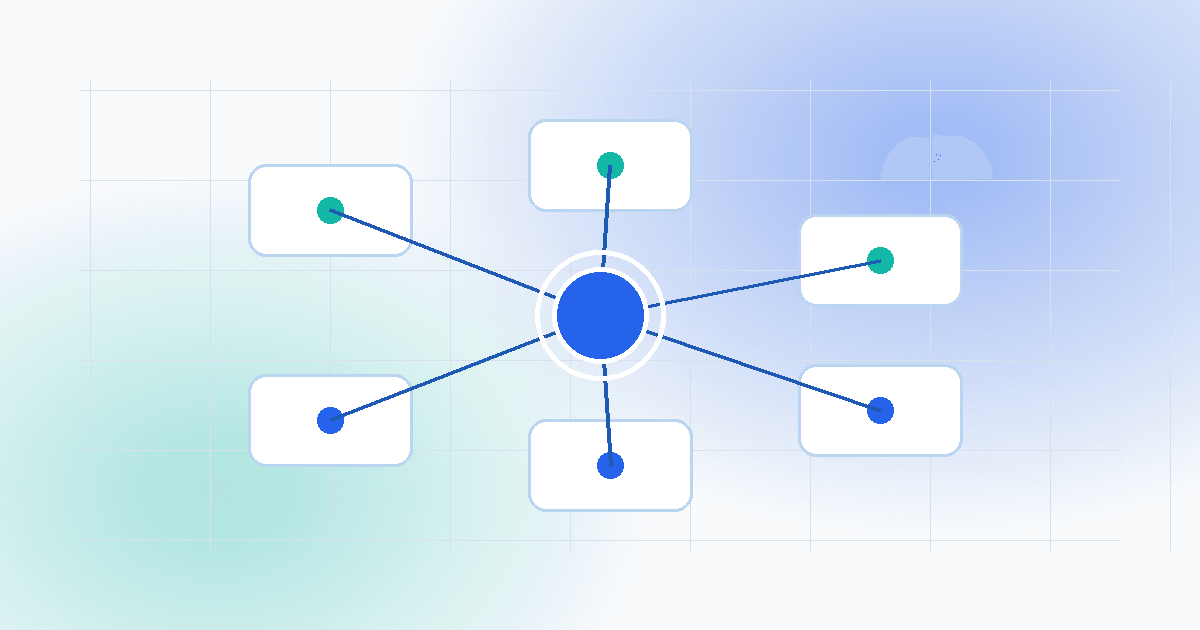
Microsoft is framing AI adoption around four modes of human-agent work: author, editor, director, and orchestrator.

Anthropic is reportedly nearing a $1.5B Wall Street joint venture to sell AI tools into private-equity-backed companies.
AI startups captured 80% of all global venture funding in Q1 2026, signaling a fundamental economic shift rather than a trend. Here is where the $242 billion is flowing.
Meta is pivoting from social media to 'Personal Superintelligence,' backed by $135B in 2026 infrastructure spending and a flurry of secret hardware prototypes designed for zero-latency AI.
April 2026 marks a strategic divergence in the AI labs' M&A playbooks: OpenAI is building a media fortress, while Anthropic is embedding itself in the code of life.
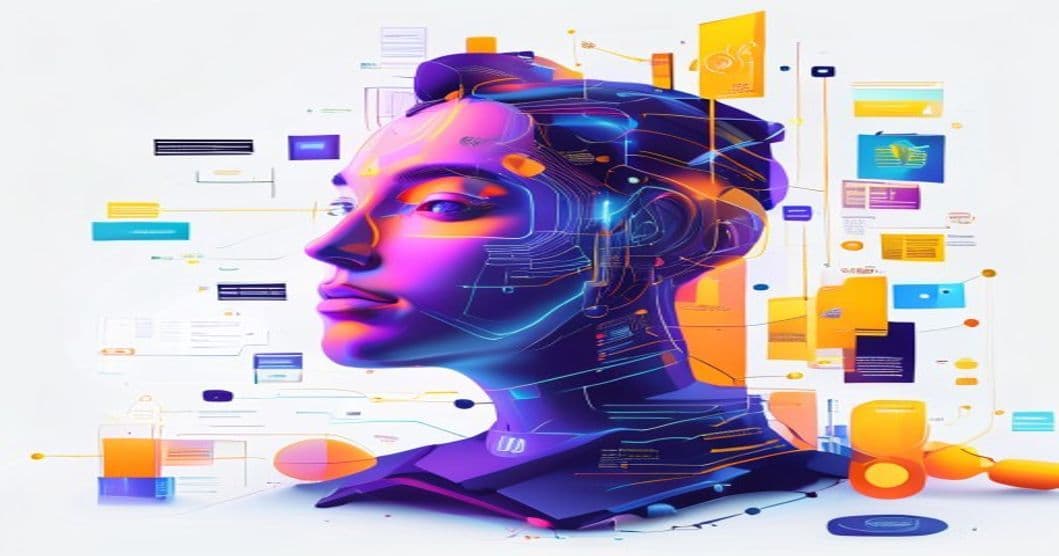
A comprehensive deep-dive into the enterprise transition toward persistent AI agents, shifting from SEO to AEO, and addressing Shadow AI risks in the modern workforce.

42% of enterprises have moved agentic AI into production, delivering 3-5% productivity gains as organizations transition from chatbots to autonomous swarms.
AI infrastructure is shifting from 'brute force' to 'energy intelligence.' Arm's new AGI CPU and Astera Labs' photonic connectivity are now the backbone of 2026 data centers.
From passive copilots to sovereign agents, 2026 marks the era where AI transitioned from assisting humans to executing complex enterprise workflows independently.