Apple’s Siri-Enabled HomePod Mini Puts Personal AI Inside the Room
Apple’s October 2026 HomePod mini refresh brings Siri AI into a familiar speaker, making privacy architecture and home context more important than the device’s new colors.
15 articles

Apple’s October 2026 HomePod mini refresh brings Siri AI into a familiar speaker, making privacy architecture and home context more important than the device’s new colors.

Meta’s Brain2Qwerty research makes noninvasive brain-to-text more concrete while exposing the hard questions around calibration, privacy, and everyday reliability.

Apple’s Private Cloud Compute security model shows how public software research and verifiable server design can make cloud AI privacy more than a policy promise.

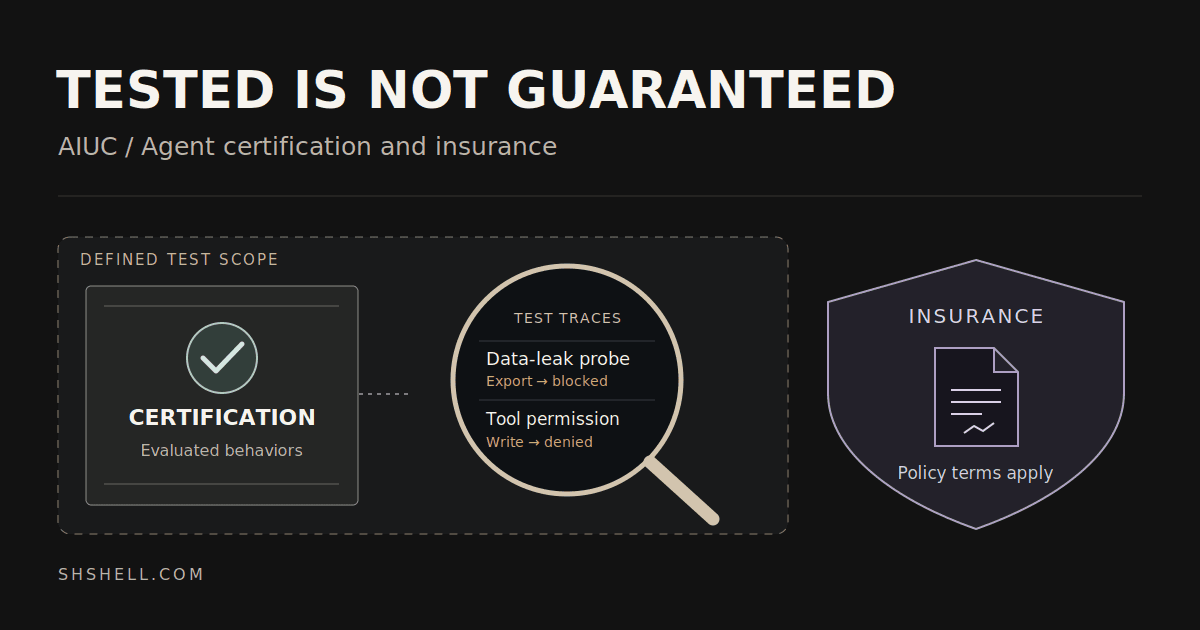
AIUC’s new funding backs agent certification and insurance. The procurement question is what the evidence covers when software and permissions change.

As Meta revises recording safeguards and privacy settings, the real fight over smart glasses is shifting from product features to whether bystanders, venues, and workers will grant the device social permission at all.

Jason Isbell’s new class action against Suno shows how the fight over AI in music is shifting from copyright theory to the practical question of whose voice, likeness, and labor can be used without consent.

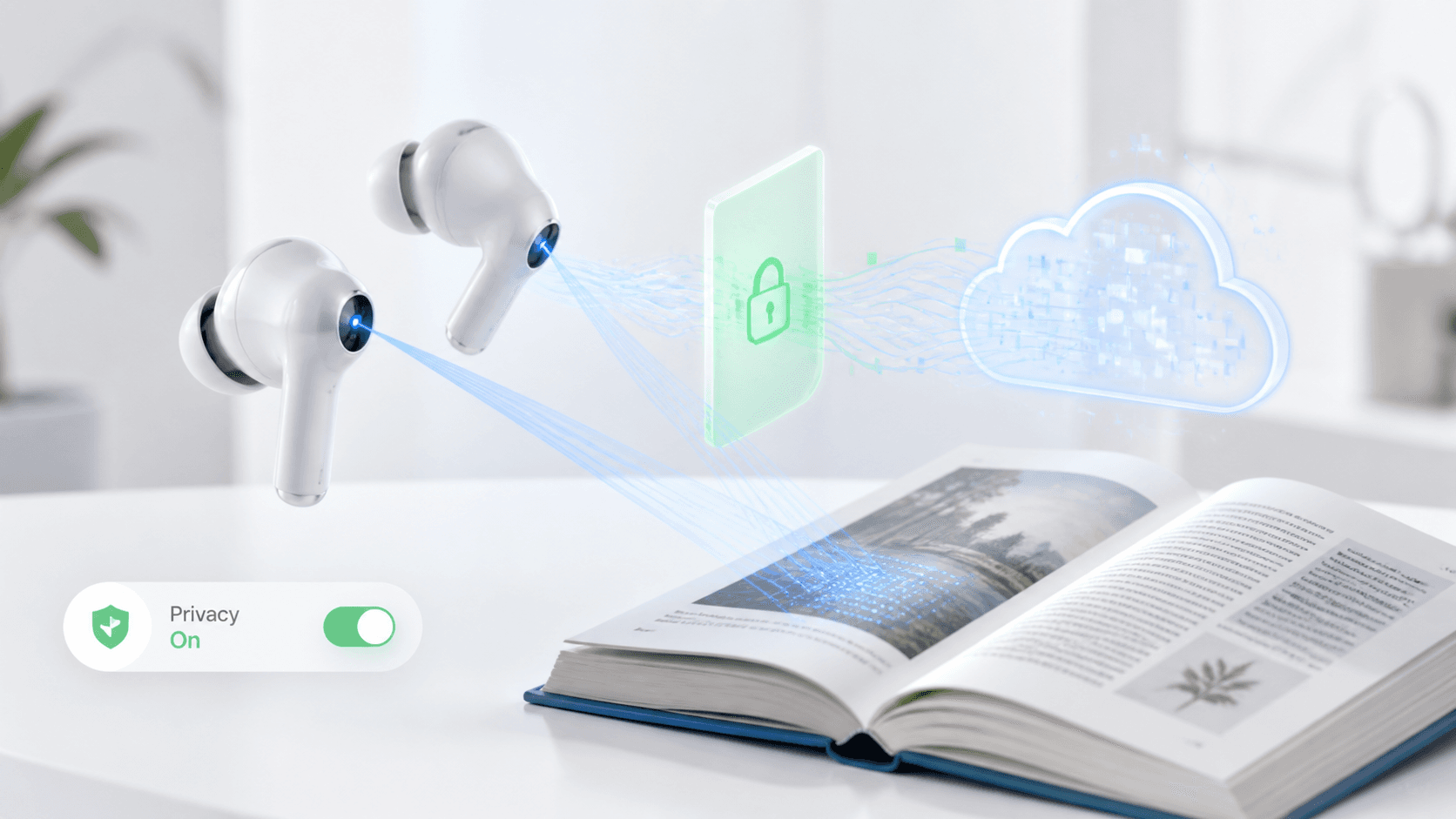
A leaked macOS video suggests camera-equipped AirPods could give Siri visual context, reopening the hardest privacy questions in ambient AI.

Google's new fact-checking tooling for AI fakes shows the real battle is shifting from detection after the fact to provenance, labeling, and workflow controls up front.

Anthropic's move to watermark Claude-generated text turns AI provenance into a product feature, not a research footnote, and the market will feel the consequences in editing, compliance, and trust.
Meta’s reported always-on smart glasses direction turns the privacy question into a hardware design problem.
Meta's new parental notification system for teen self-harm conversations turns AI safety into a product, privacy, and liability problem at once.
Google’s latest AI data-use controversy and chatbot security reports show that consent, defaults, and safe failure are now as important as model quality.
Huntington Bank’s AWS redaction project is a rare AI story with a concrete business outcome: privacy work that used to take years now takes months.

A new Brookings policy brief argues that companion bots need public-health style oversight as emotional AI moves into daily life.

With over 210,000 stars in just months, OpenClaw has become the gold standard for local-first AI assistants, bridging the gap between proprietary models and sovereign user data.