Dell Deskside Agentic AI Brings the Agent Race Back to Local Workgroup Compute
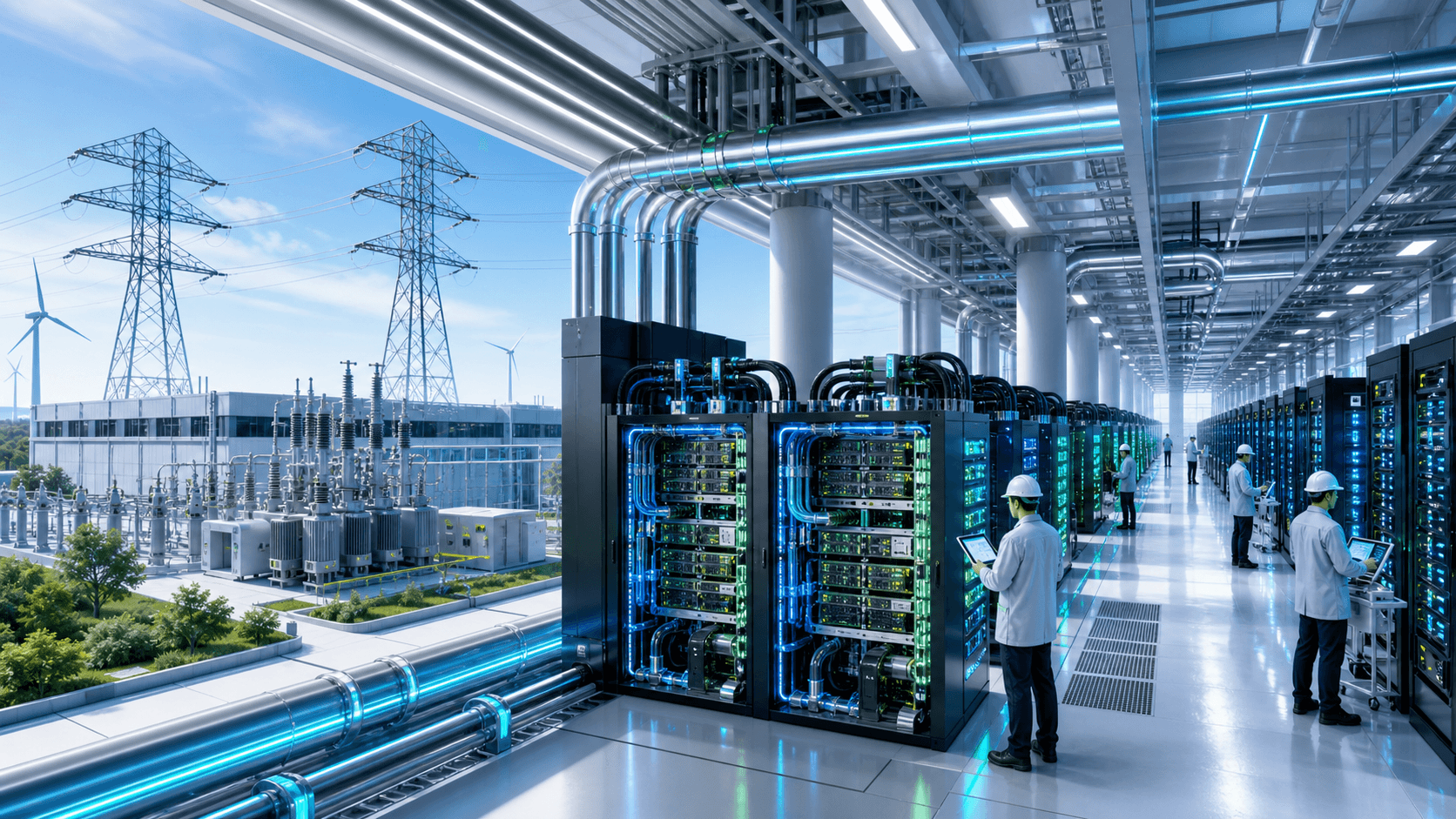
Dell Deskside Agentic AI pairs workstations, NVIDIA NemoClaw, and OpenShell to run governed agents near enterprise data.
31 articles

Dell Deskside Agentic AI pairs workstations, NVIDIA NemoClaw, and OpenShell to run governed agents near enterprise data.

Anthropic’s expanded Amazon compute agreement makes Claude’s future a story about Trainium, Bedrock, power, latency, and enterprise capacity.

NVIDIA and Marvell expanded NVLink Fusion work, pointing toward semi-custom AI factories, optical links, and AI-RAN infrastructure.

Cisco's raised AI order forecast shows hyperscaler demand is turning networking fabric into a central AI infrastructure constraint.

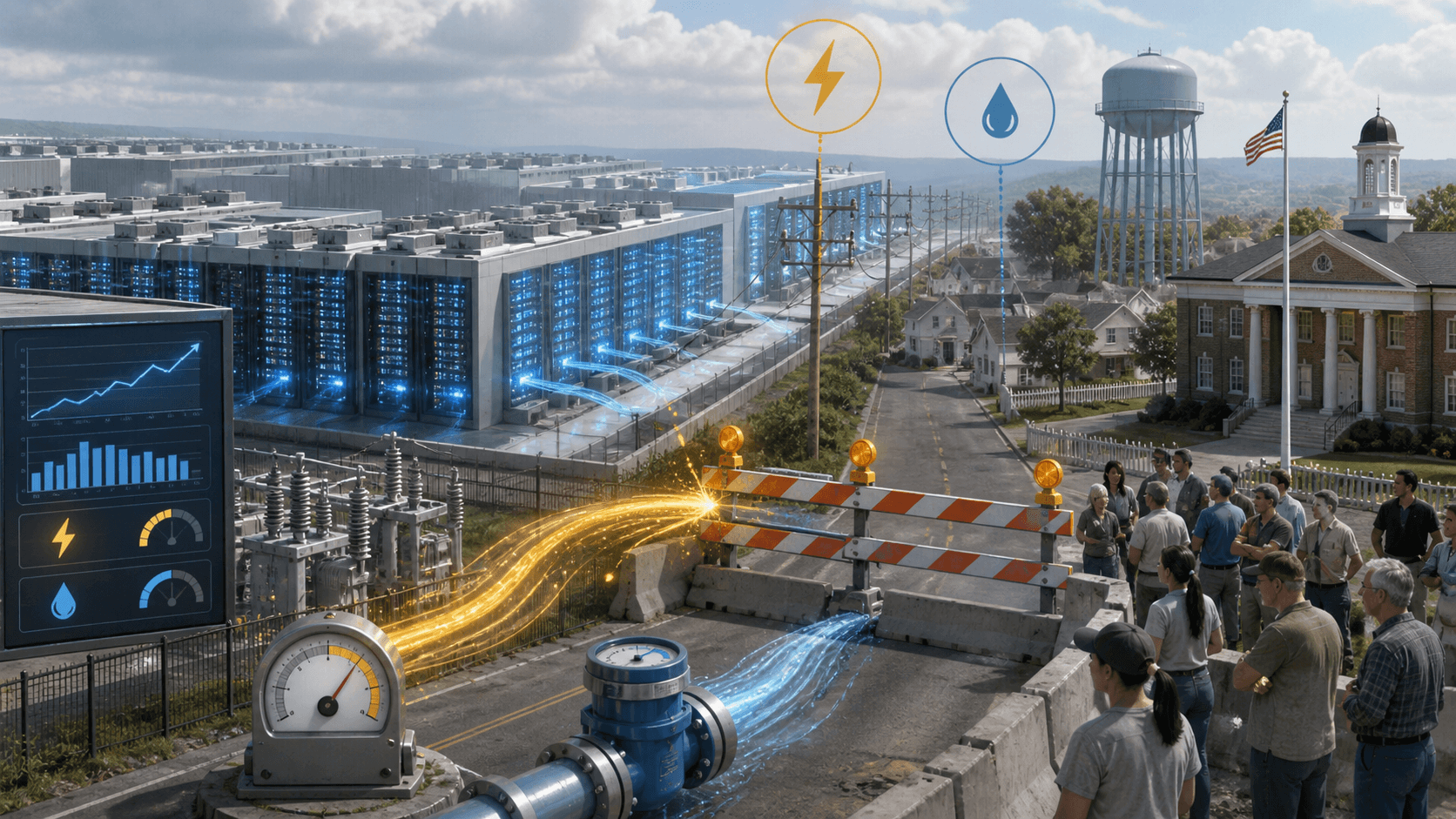
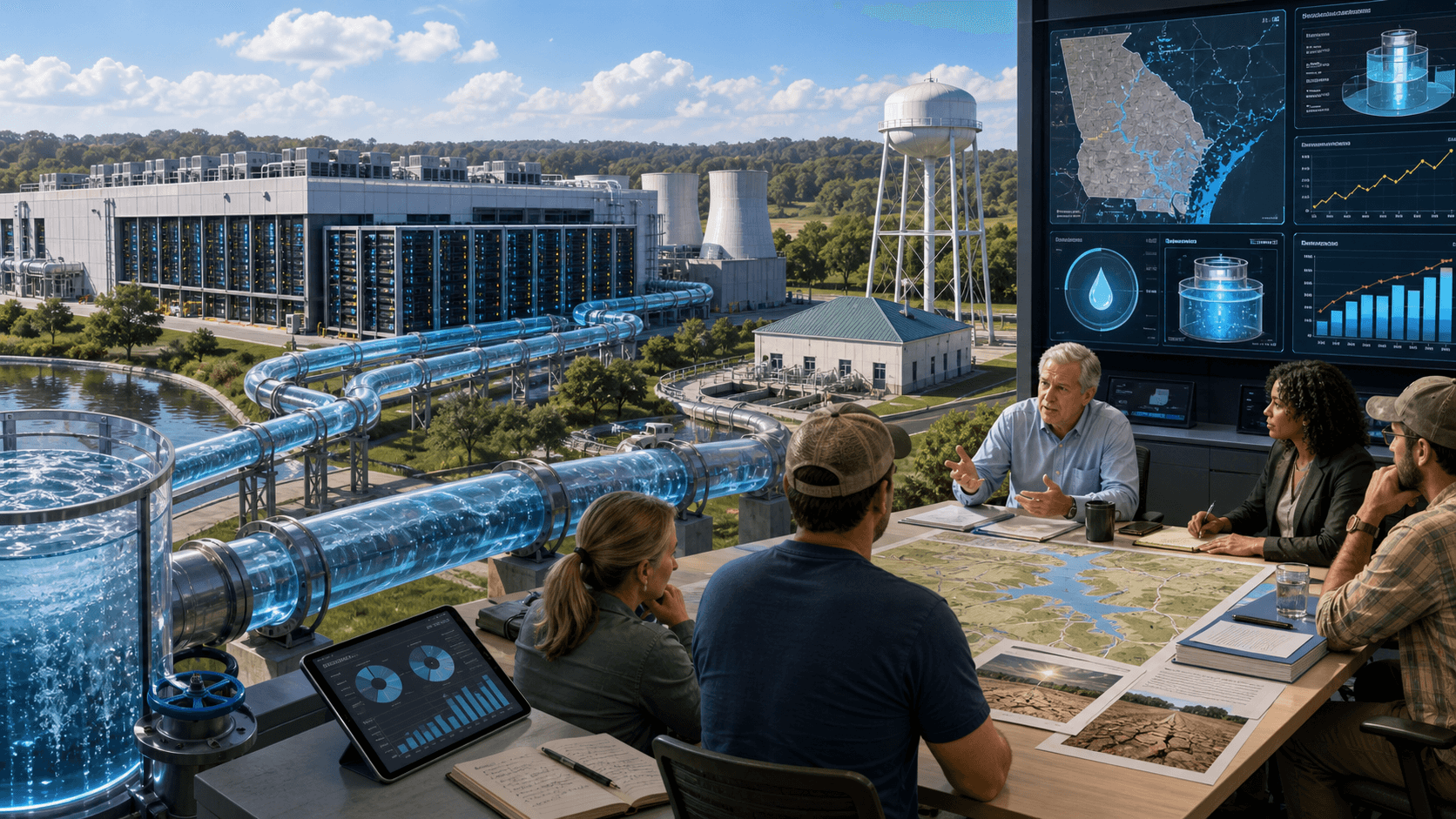
A Georgia data-center water dispute shows why AI infrastructure must make local utility impacts visible before trust collapses.

Court disclosures around Microsoft's OpenAI spending reveal how frontier AI partnerships turn cloud infrastructure into balance-sheet strategy.

Colorado lawmakers killed a data-center regulation push, leaving the AI power boom to collide with local energy and water concerns.

OpenAI's Chris Lehane is framing AI as an intelligence utility, raising harder questions for government and business operating models.

IREN's AI infrastructure volatility shows that GPU demand is real, but financing, power, and execution risk still decide winners.

Amazon's reported Titus data-center effort highlights how power, cooling, and rack design now shape AI competition.

Data centers may bring investment and digital ambition to Nepal, but without strong public safeguards the biggest gains will flow to corporations while ordinary Nepalis carry the pressure on land, power, water, and policy.

NVIDIA and Corning announced a long-term optical connectivity partnership, making fiber capacity part of the AI factory race.

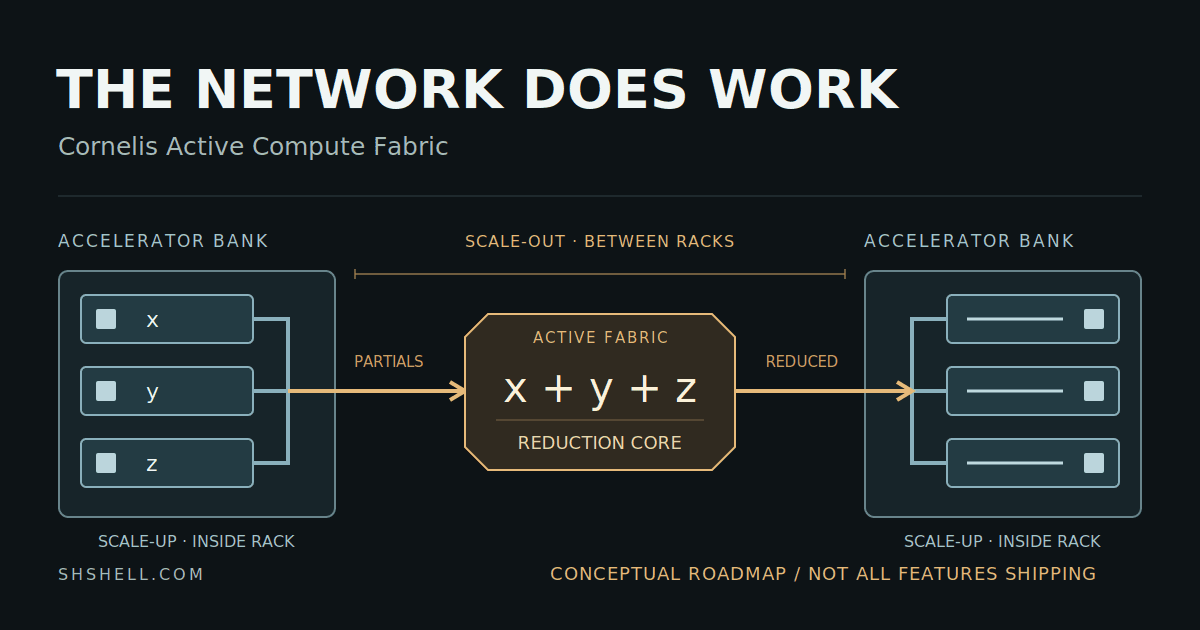
OpenAI's MRC announcement signals that the next bottleneck in frontier AI is not just compute, but the reliability and topology of the networks that move training traffic at massive scale.

Mistral Workflows brings durable execution to enterprise AI, showing why reliable orchestration now matters as much as model quality.

Temporal serverless workers and workflow streams highlight the infrastructure layer enterprises need for reliable long-running AI agents.

Cerebras is reportedly targeting a valuation up to $26.6 billion, giving public investors a sharper test of AI chip demand beyond Nvidia.

Panthalassa raised $140 million to build wave-powered AI inference nodes at sea, a sign of how far the compute bottleneck is pushing infrastructure.

Nutanix's agentic AI push highlights the infrastructure, governance, Kubernetes, and cost controls enterprises need for production AI agents.

Anthropic's dreaming preview and SpaceX compute deal show how agent memory, self-improvement, and infrastructure are converging.

Micron and Samsung rallies show how AI memory demand is reshaping data centers, consumer devices, and semiconductor economics.

Meta’s Q1 2026 results raised capex guidance to $125B-$145B as AI infrastructure becomes the company’s main strategic bet.

Meta’s plan to add tens of millions of AWS Graviton cores reframes agentic AI infrastructure beyond GPUs and training clusters.

NVIDIA Ising open AI models target quantum calibration and error correction, positioning AI as the control layer for practical quantum computing.

Google Research's TurboQuant has arrived to solve the KV cache bottleneck. Learn how randomized transitions and error correction are enabling 1M+ token contexts on commodity hardware.

CoreWeave and Meta expanded their cloud deal to $21 billion, bringing total commitments to $35.2 billion through 2032. This is the blueprint for how hyperscalers are solving the compute crunch.

OpenAI has paused the Stargate UK data center project, citing energy costs and regulatory headwinds. The decision exposes critical fault lines in Britain's AI infrastructure strategy.


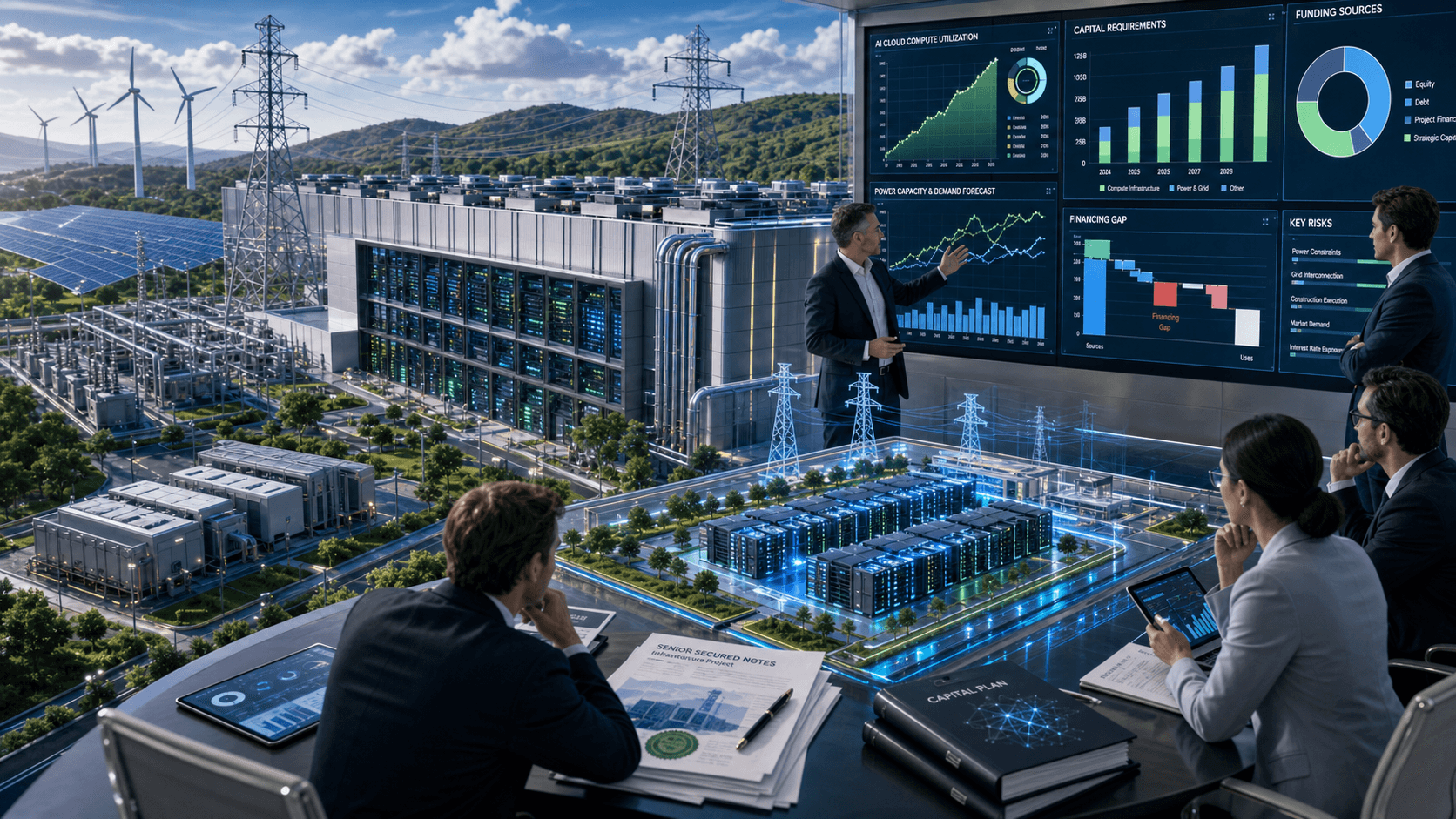
Applied Digital and Polaris Forge have finalized a $2.15 billion high-yield bond to fuel the expansion of massive HPC data centers in North Dakota, securing the energy-compute future.

Faced with a 78GW demand in Texas and a crumbling national grid, AI giants are bypassing the utility companies entirely to build self-powered off-grid campuses.

The US and Japan have signed a historic agreement to deploy dozens of Small Modular Reactors (SMRs) to power the next generation of global AI clusters.

As energy scarcity threatens AI scaling, tech giants and energy firms are converging on a radical solution: integrated small modular reactors and fusion clusters.