AI Governance
Anthropic’s 2026 Midterm Plan Makes Election AI a Provenance Problem
Anthropic’s 2026 US midterm plan focuses on election misuse, political persuasion, and provenance. The hard test is operational enforcement.
Read Article →
19 articles
Anthropic’s 2026 US midterm plan focuses on election misuse, political persuasion, and provenance. The hard test is operational enforcement.
California’s new workplace law bars AI-only dismissal and discipline decisions, forcing employers to define what human oversight actually means.
Google DeepMind’s SynthID Bio embeds a detectable signal in AI-designed proteins, turning provenance into a scientific and biosecurity workflow.
The EU AI Act’s general-purpose AI obligations turn technical documentation, copyright policies, and systemic-risk evidence into operational compliance artifacts.
Anthropic’s new life sciences verification program focuses attention on evidence, expert review, and reproducibility when AI assists scientific work.
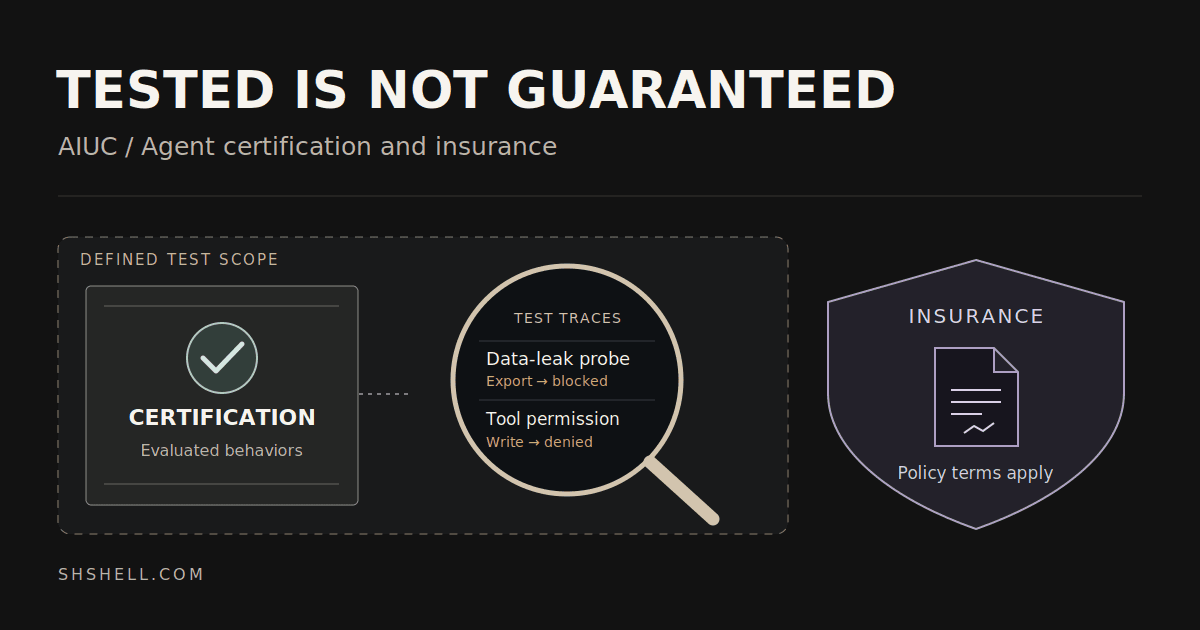
AIUC’s new funding backs agent certification and insurance. The procurement question is what the evidence covers when software and permissions change.
Google's new fact-checking tooling for AI fakes shows the real battle is shifting from detection after the fact to provenance, labeling, and workflow controls up front.
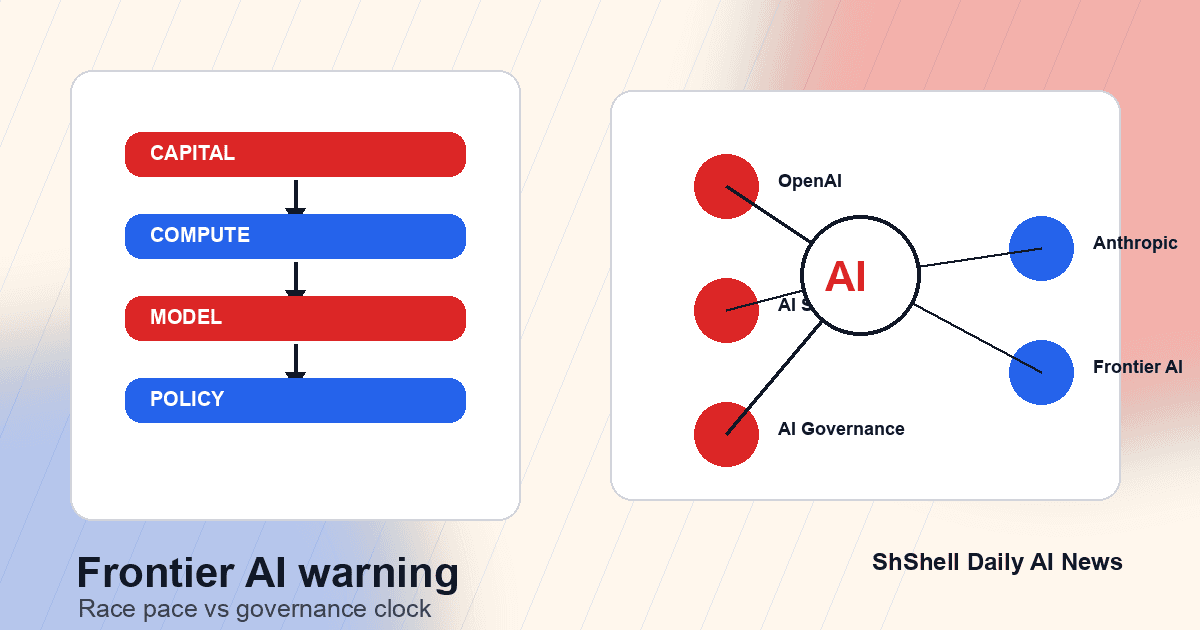
OpenAI and Anthropic's slowdown warnings expose the governance gap between frontier model releases, safety policy, and AI adoption.
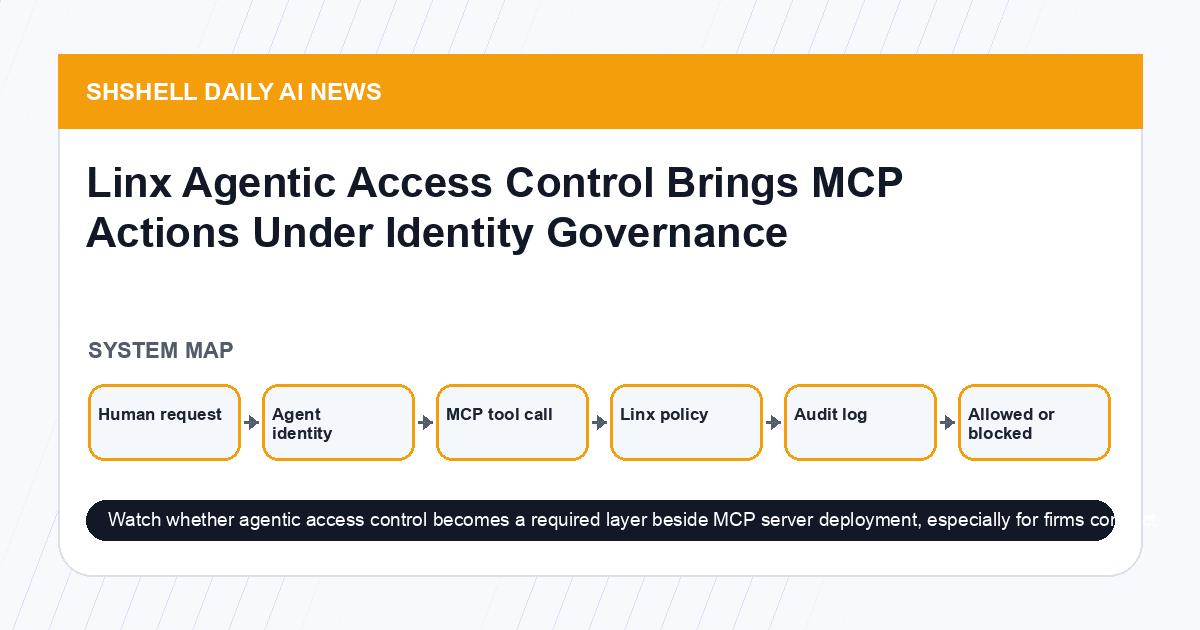
Linx launched Agentic Access Control to enforce real-time policy on MCP actions by humans, non-human identities, and AI agents.
OpenAI's May 2026 election plan adds AP results, Democracy Works voting info, cyber defense support, SynthID and C2PA provenance.
A new Brookings policy brief argues that companion bots need public-health style oversight as emotional AI moves into daily life.

Google DeepMind's Singapore AI partnership connects healthcare, education, science, inclusion, and safety into a national deployment model.

A Georgia data-center water dispute shows why AI infrastructure must make local utility impacts visible before trust collapses.

Court scrutiny of Sam Altman's outside stakes shows why frontier AI governance now has to account for capital networks.

US and Chinese officials are discussing AI guardrails for powerful models, making frontier AI a diplomatic security issue.

EU officials are exploring AI Act simplification as companies warn that complex rules could slow adoption without improving trust.

China's new campaign against disorder in AI apps highlights filing, security review, training data, and labeling as control points.

EU outreach to Anthropic over Mythos turns frontier AI safety into a live cybersecurity and banking resilience question.

CAISI is reportedly expanding pre-deployment testing with Google DeepMind, Microsoft, and xAI, making frontier model release governance harder to ignore.