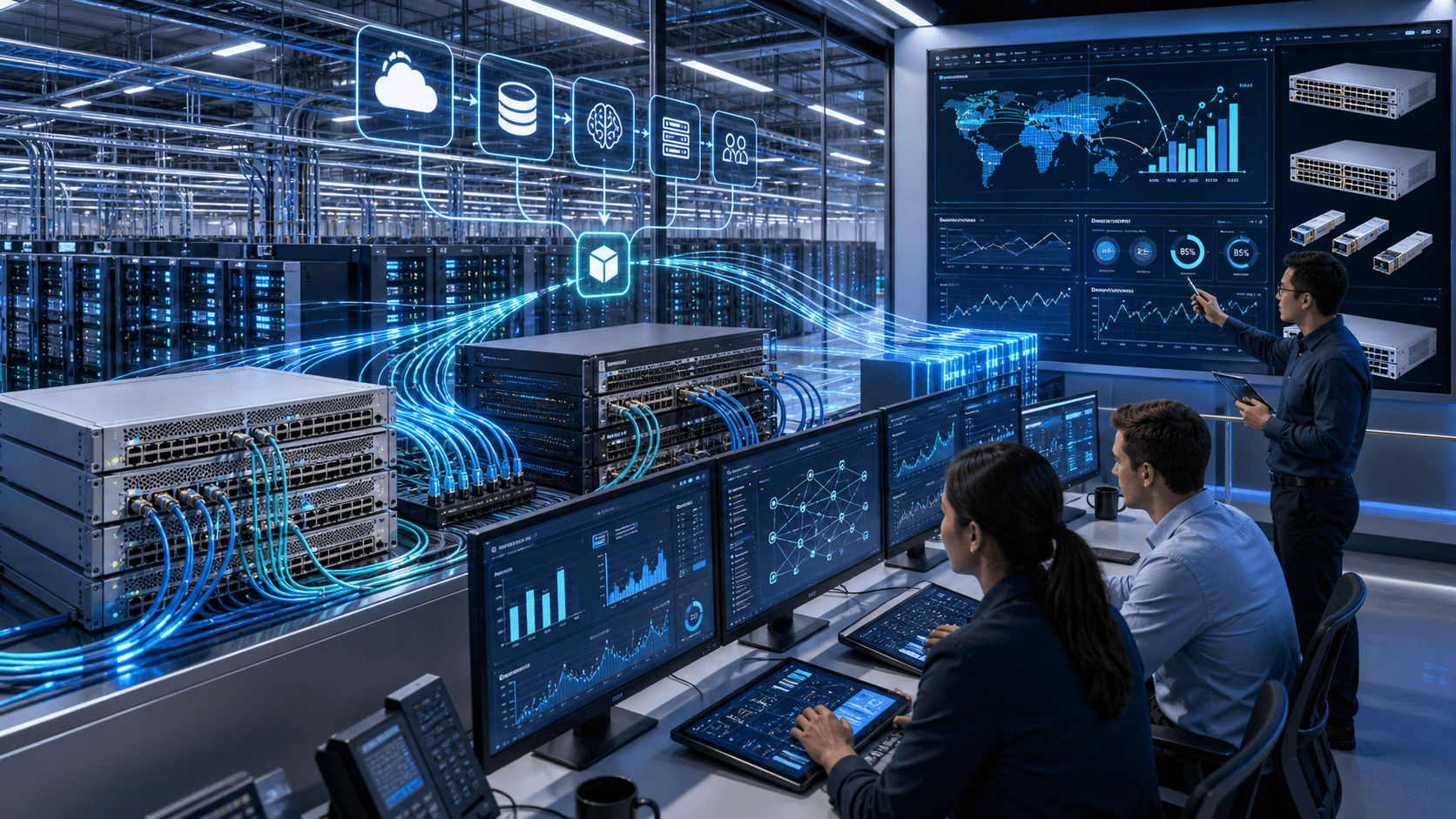
Cisco's AI WAN Forecast Says Inference Is Becoming Network Architecture
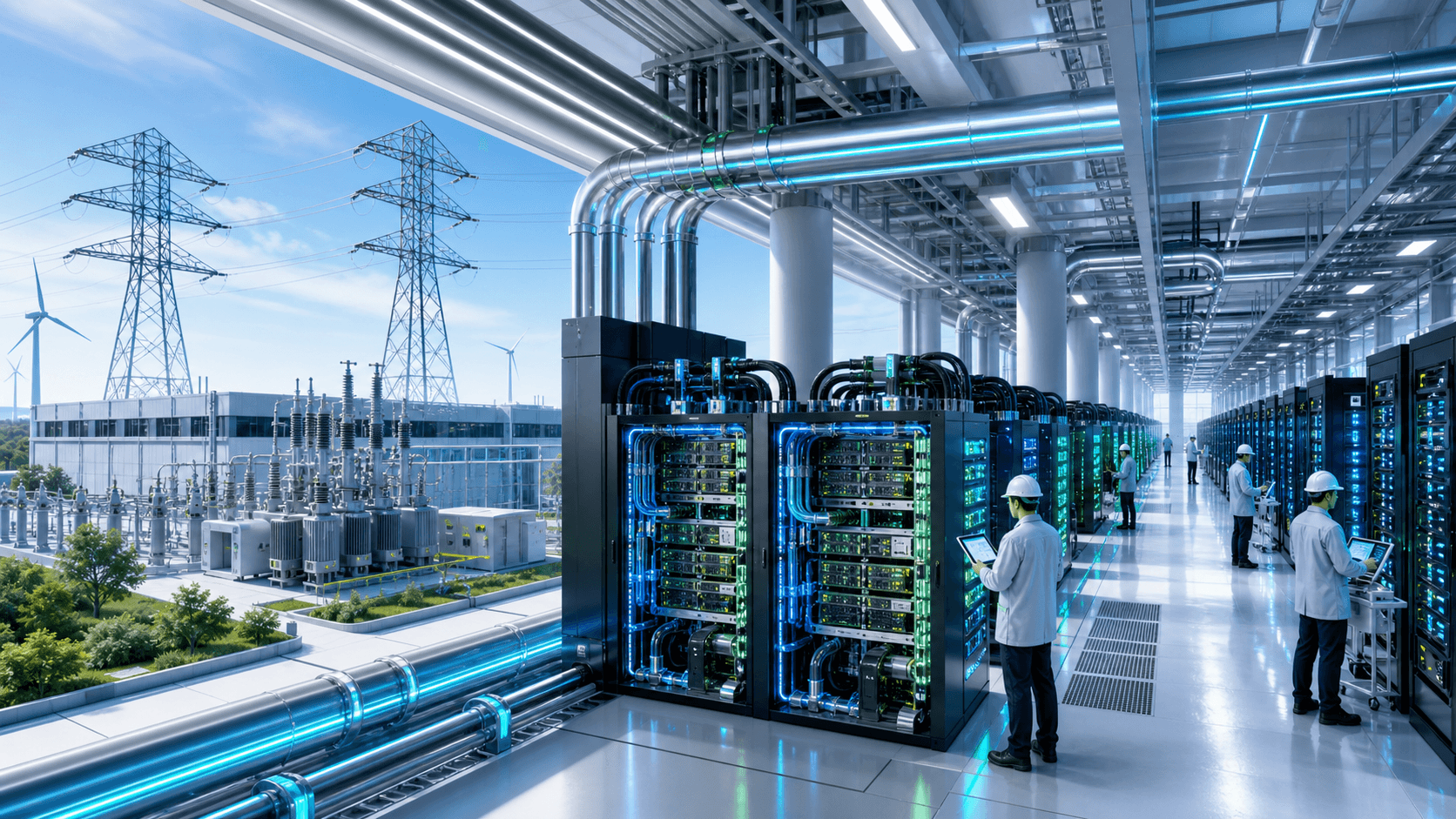
Cisco's 2026 WAN report frames agentic AI and inference traffic as a long-term networking design problem.
31 articles

Cisco's 2026 WAN report frames agentic AI and inference traffic as a long-term networking design problem.

Nvidia's Cosmos 3 pushes open world models toward robotics, autonomous vehicles, and physical AI infrastructure.

Groq is reportedly raising 650 million dollars as AI infrastructure shifts from training chips to inference clouds.

ByteDance is reportedly developing Arm and RISC-V CPUs for AI infrastructure as chip shortages push hyperscale buyers toward custom silicon.

XCENA raised $135 million as investors focus on memory bandwidth, not only compute, as the next constraint for AI inference.

Dell Deskside Agentic AI pairs workstations, NVIDIA NemoClaw, and OpenShell to run governed agents near enterprise data.

Anthropic’s expanded Amazon compute agreement makes Claude’s future a story about Trainium, Bedrock, power, latency, and enterprise capacity.

NVIDIA and Marvell expanded NVLink Fusion work, pointing toward semi-custom AI factories, optical links, and AI-RAN infrastructure.

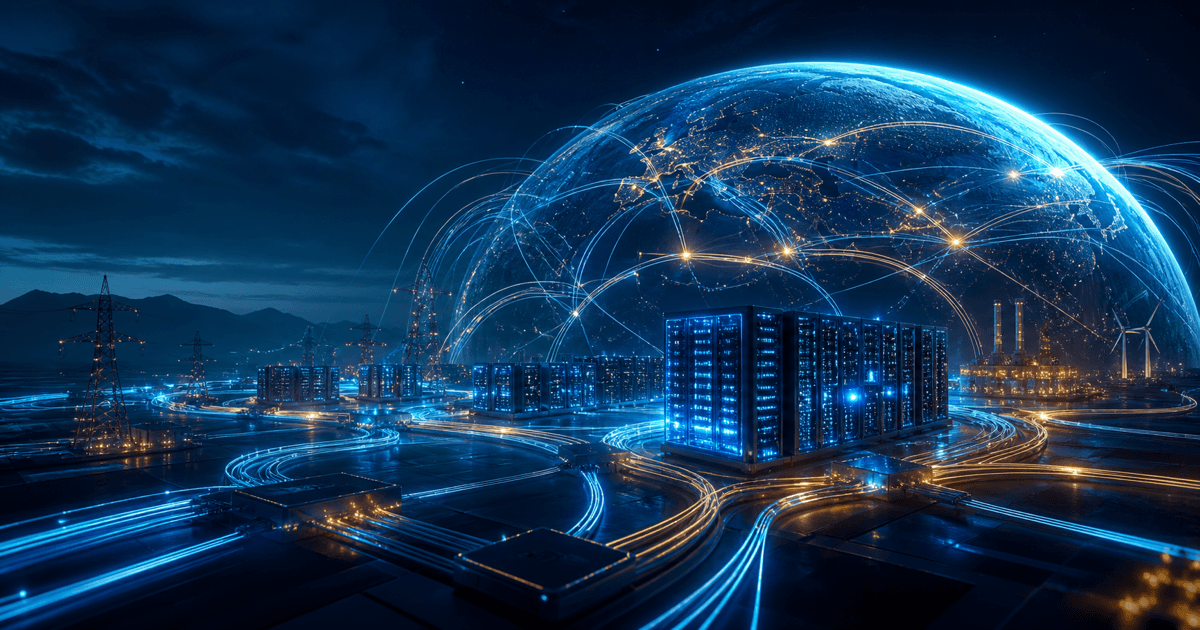
Cisco's raised AI order forecast shows hyperscaler demand is turning networking fabric into a central AI infrastructure constraint.

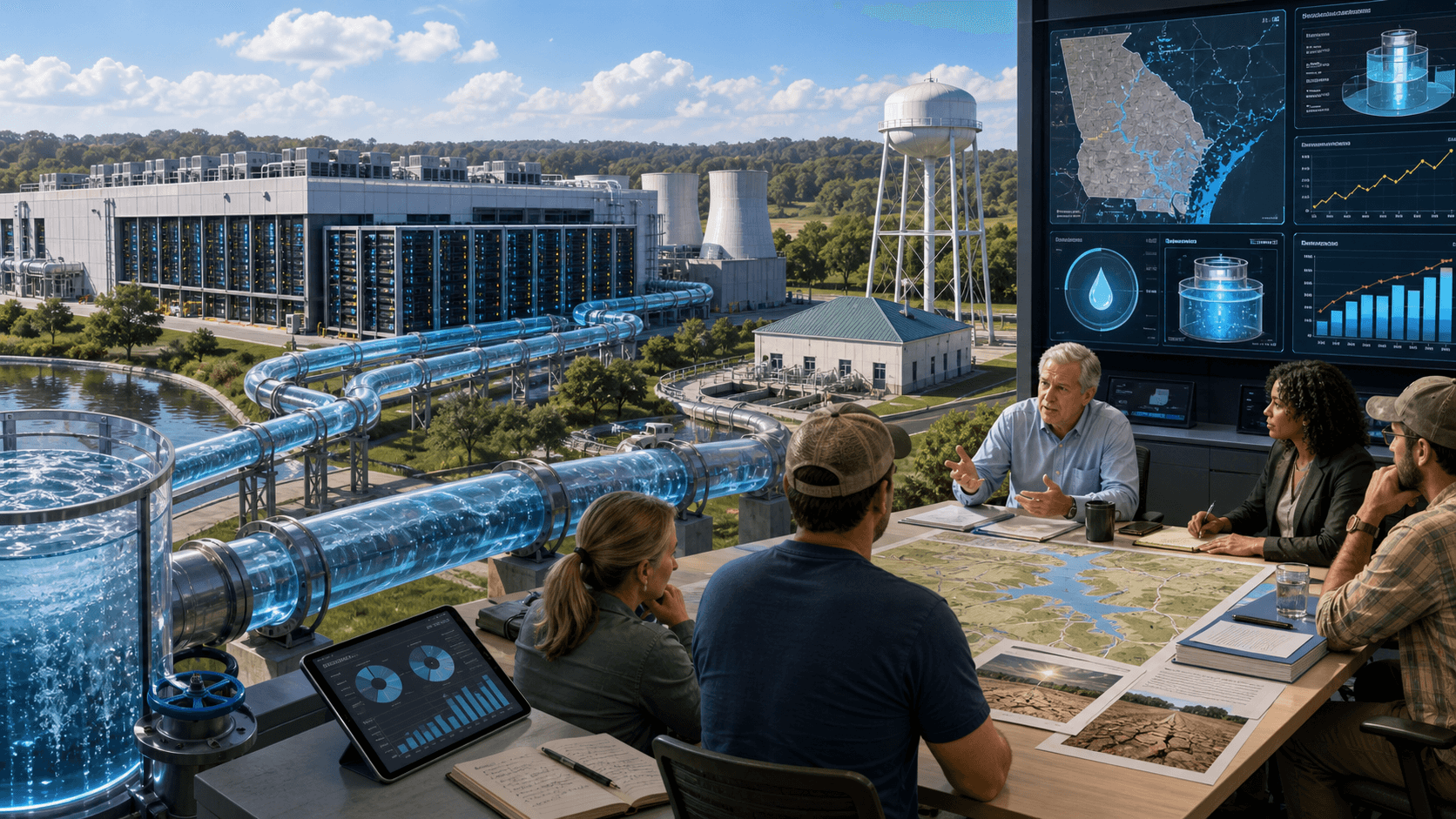
A Georgia data-center water dispute shows why AI infrastructure must make local utility impacts visible before trust collapses.

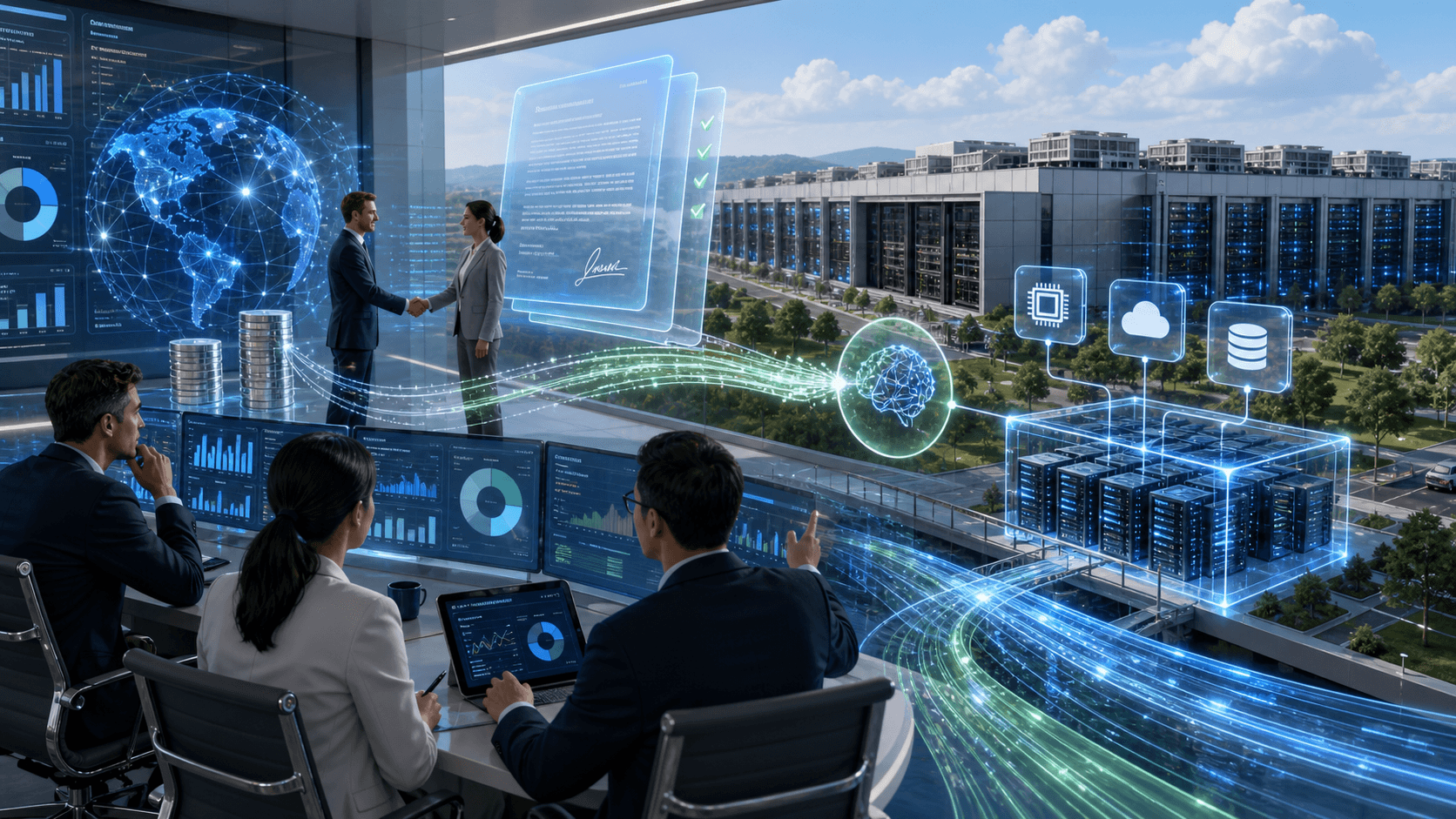
Court disclosures around Microsoft's OpenAI spending reveal how frontier AI partnerships turn cloud infrastructure into balance-sheet strategy.

Wirestock's Series A shows multimodal training data is becoming a supply-chain layer for foundation AI labs.

Colorado lawmakers killed a data-center regulation push, leaving the AI power boom to collide with local energy and water concerns.

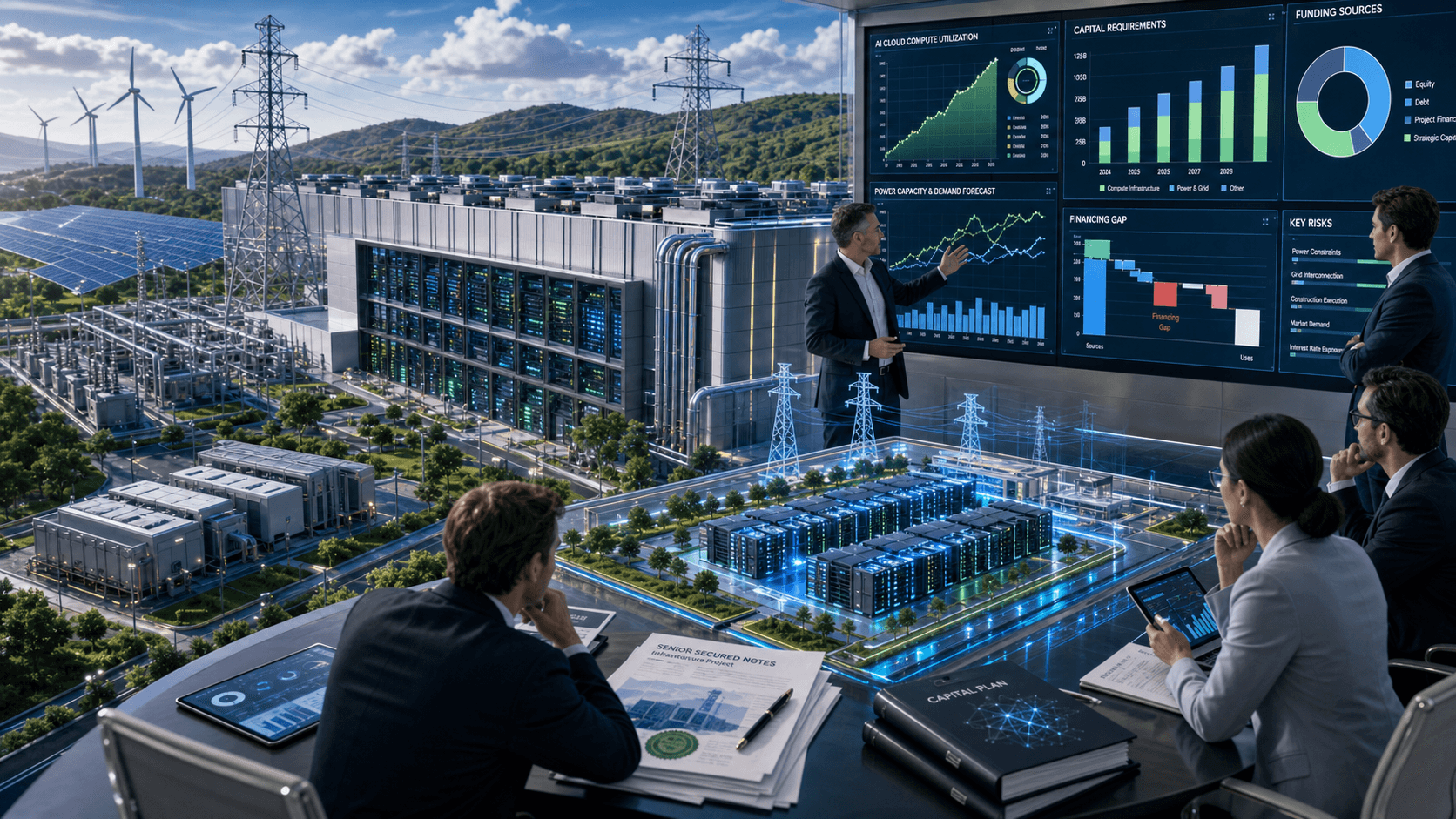
IREN's AI infrastructure volatility shows that GPU demand is real, but financing, power, and execution risk still decide winners.

Amazon's reported Titus data-center effort highlights how power, cooling, and rack design now shape AI competition.

Data centers may bring investment and digital ambition to Nepal, but without strong public safeguards the biggest gains will flow to corporations while ordinary Nepalis carry the pressure on land, power, water, and policy.

NVIDIA and Corning announced a long-term optical connectivity partnership, making fiber capacity part of the AI factory race.

Uber’s expanded AWS chip use highlights how custom AI silicon is moving from cloud marketing into production workload strategy.

Temporal serverless workers and workflow streams highlight the infrastructure layer enterprises need for reliable long-running AI agents.

Cerebras is reportedly targeting a valuation up to $26.6 billion, giving public investors a sharper test of AI chip demand beyond Nvidia.

Panthalassa raised $140 million to build wave-powered AI inference nodes at sea, a sign of how far the compute bottleneck is pushing infrastructure.

Nutanix's agentic AI push highlights the infrastructure, governance, Kubernetes, and cost controls enterprises need for production AI agents.

Intel hired Qualcomm veteran Alex Katouzian to lead Client Computing and Physical AI, signaling a wider shift beyond traditional PCs.

Micron and Samsung rallies show how AI memory demand is reshaping data centers, consumer devices, and semiconductor economics.

Huawei's expected AI chip gains in China show how export controls are pushing inference hardware, software, and sovereignty together.

Meta’s plan to add tens of millions of AWS Graviton cores reframes agentic AI infrastructure beyond GPUs and training clusters.

With a 1M token context window and adaptive sparse architecture, DeepSeek V4 redefines large model economics under extreme hardware constraints.

With a 1M token context window and adaptive sparse architecture, DeepSeek V4 redefines large model economics under extreme hardware constraints.

Master the boundaries of AI reasoning. Learn how to monitor token consumption, handle 'Context Overflow', and optimize your architecture to respect the physical limits of the Claude 3.5 model family.

An in-depth look at NVIDIA's $2 billion strategic investment in Nebius, the acceleration of the Rubin platform, and the shifting landscape of hyperscale AI cloud providers.