
Programming
Module 5 Lesson 11: Hands-on Projects
Build a Secure Data Archive. Combine JSON handling, file system operations, and error management to create a professional data storage system.
Read Article →
Build a Secure Data Archive. Combine JSON handling, file system operations, and error management to create a professional data storage system.

Turn numbers into insights. Learn why Python is the #1 language for Data Science and get an overview of the ecosystem including NumPy, Pandas, and Matplotlib.

The data detective's guide. Follow a step-by-step Exploratory Data Analysis (EDA) to find trends, handle outliers, and visualize insights in a real-world dataset.

Meet the foundation of numerical Python. Learn how NumPy arrays differ from lists and how 'vectorization' makes your math 100x faster.
Harness the statistical power of NumPy. Learn how to calculate means, medians, and standard deviations with one line of code across millions of data points.

Welcome to the DataFrame. Learn about the two core building blocks of Pandas and how to navigate tables like a data professional.

Unlock your data. Learn how to import real-world information from CSV, Excel, and JSON files into your Python scripts for analysis.

The secret to accurate analysis. Learn how to handle missing data, drop duplicates, and transform your columns using powerful Pandas techniques.

Summarize your data. Learn how to use 'groupby' to find totals, averages, and counts across different categories in your dataset.
Visualize your data. Learn the fundamentals of Matplotlib to create line charts, bar graphs, and scatter plots that turn numbers into stories.
Beautiful data at your fingertips. Learn how to use Seaborn to create high-level statistical graphics like heatmaps and violin plots with minimal code.
Master real-world data science. Choose from three advanced projects: Stock Market Tracking, Weather Pattern Analysis, or a Personal Habit Tracker.

Demystifying the hype. Learn what AI actually is, the difference between Rule-Based systems and Learning systems, and why Python is the driving force of the AI revolution.

The journey is just beginning. Explore the cutting-edge trends in Large Language Models (LLMs), Generative AI, and how Python continues to evolve as the heart of tech.

How computers learn. Explore the two main pillars of machine learning: learning with a teacher (Supervised) and finding patterns on your own (Unsupervised).

Meet your AI engine. Learn the consistent interface of Scikit-Learn and master the four patterns: Import, Instantiate, Fit, and Predict.
Your first predictive model. Learn how to use Linear Regression to find the 'Line of Best Fit' and predict numerical values like prices and temperatures.

Binary decisions made simple. Learn how to use Logistic Regression to categorize data into 'Yes or No' classes like Spam vs. No Spam or Pass vs. Fail.

Branching out into AI logic. Learn how Decision Trees make choices like a human and how 'Random Forests' combine a hundred trees to create a genius-level model.
Is your AI actually good? Learn how to look beyond 'Accuracy' and understand 'Precision' and 'Recall' to ensure your model isn't missing critical patterns.
AI in action. Build a fully functional SMS/Email spam filter using the Naive Bayes algorithm and learn how computers process human language.

With great power comes great responsibility. Explore the vital topics of algorithmic bias, data privacy, and the ethical dilemmas facing AI developers today.
Apply your AI skills. Build a Real Estate Price Predictor, a Customer Segmenter, or a Sentiment Analysis tool using Scikit-Learn.

A comprehensive guide for software engineers on understanding vectors, why they are the bedrock of AI, and how to manipulate them efficiently using Python and NumPy.
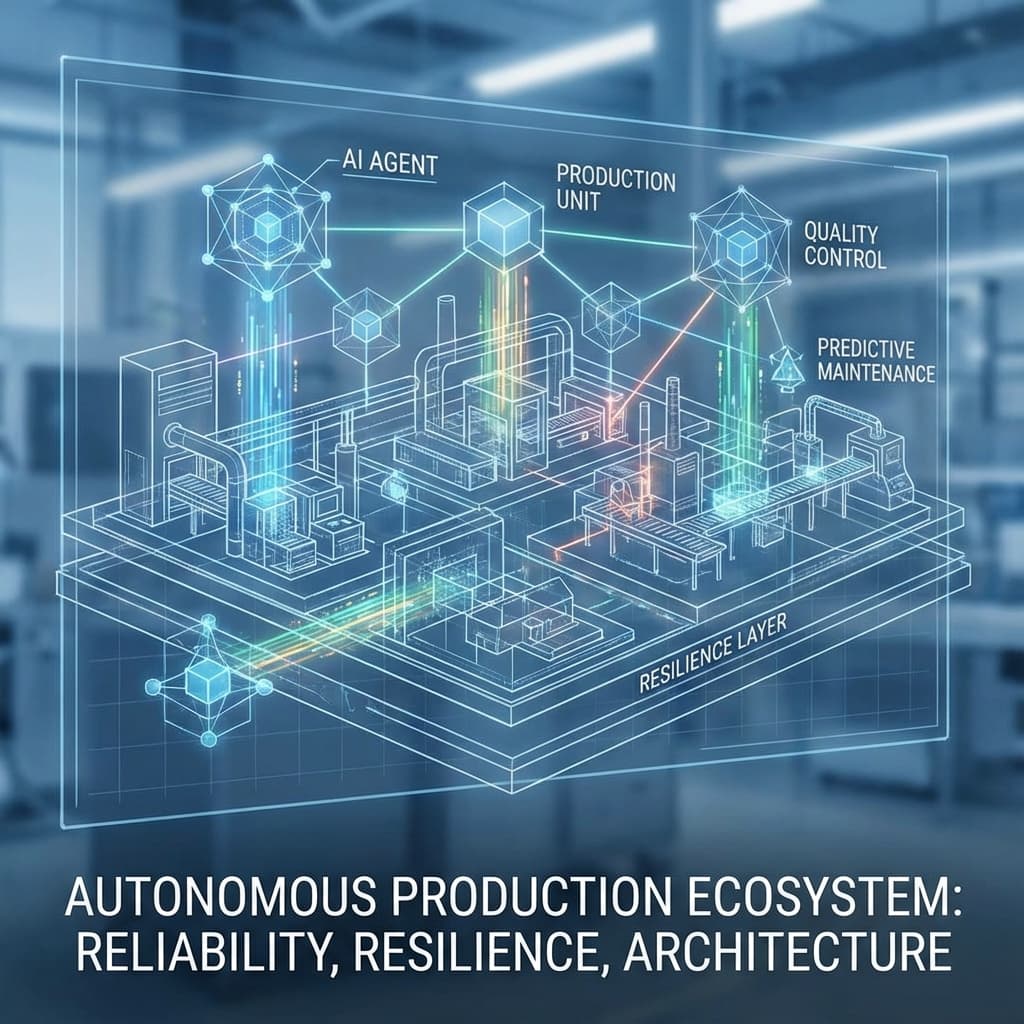
A deep dive into building reliable, production-ready autonomous agent systems, focusing on error handling, state management, and observability.
Why autonomous AI agents are moving from toy demos to production infrastructure, and what it means for your engineering team.
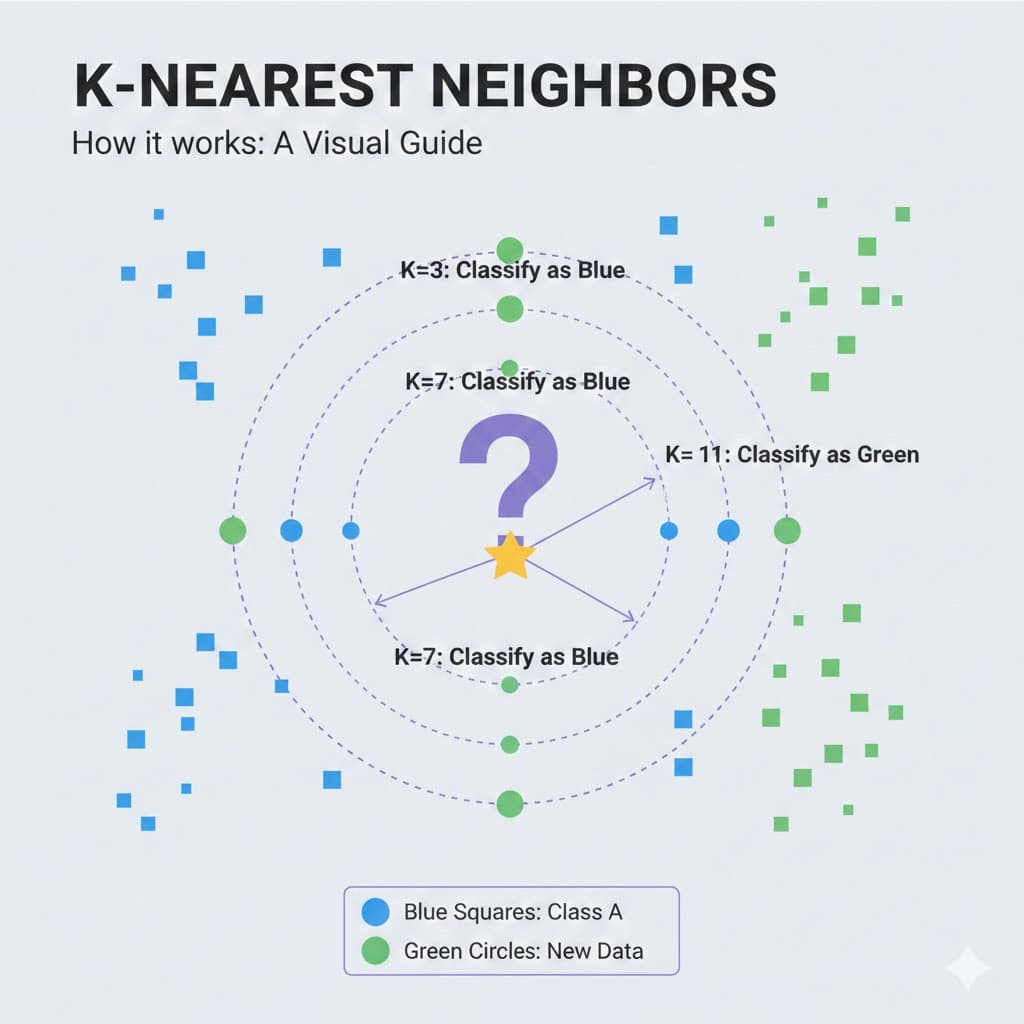
An engineer's guide to the KNN algorithm, exploring its utility in classification and regression, its simplicity, and its performance trade-offs in production.
A deep dive into the foundational logic of AI: understanding the difference between predicting values (Linear) and predicting probabilities (Logistic).
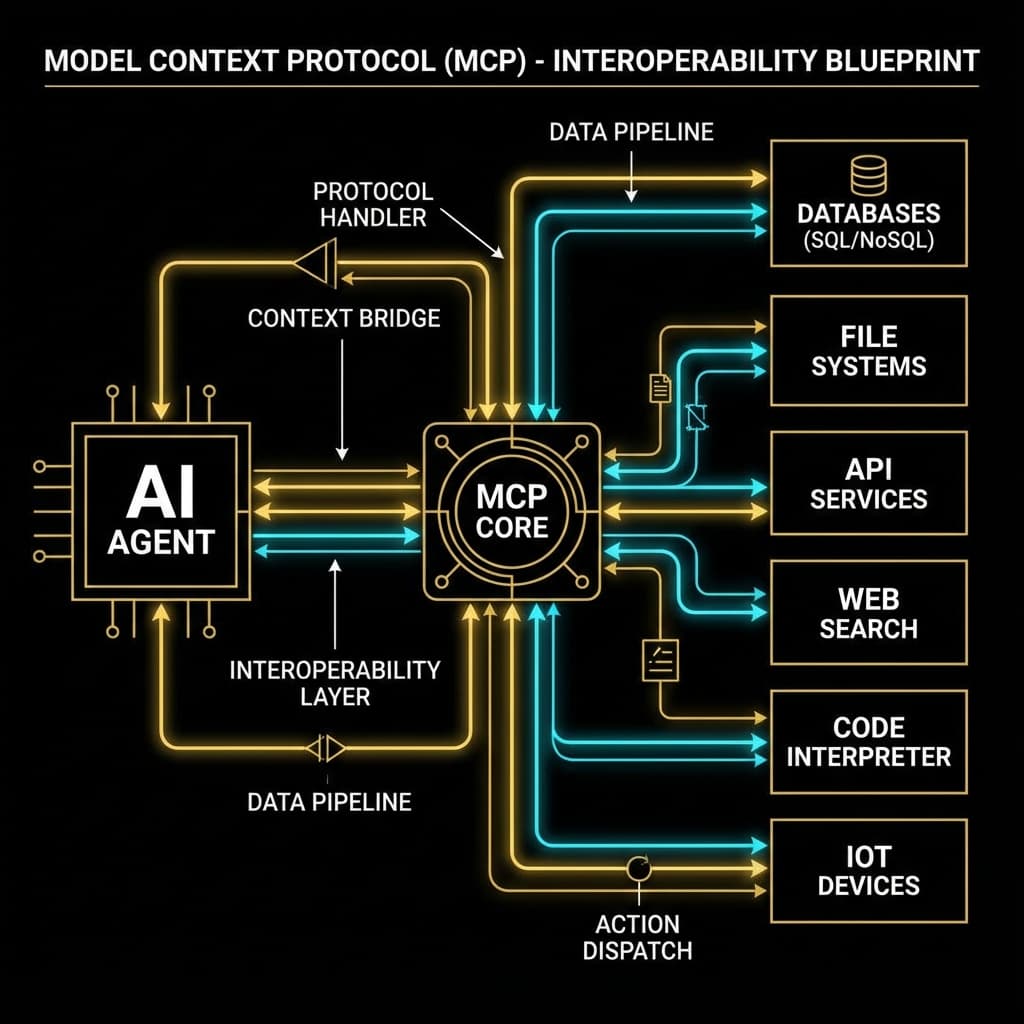
A deep dive into the Model Context Protocol (MCP), explaining why it's the missing link for production AI agents and how to implement it.
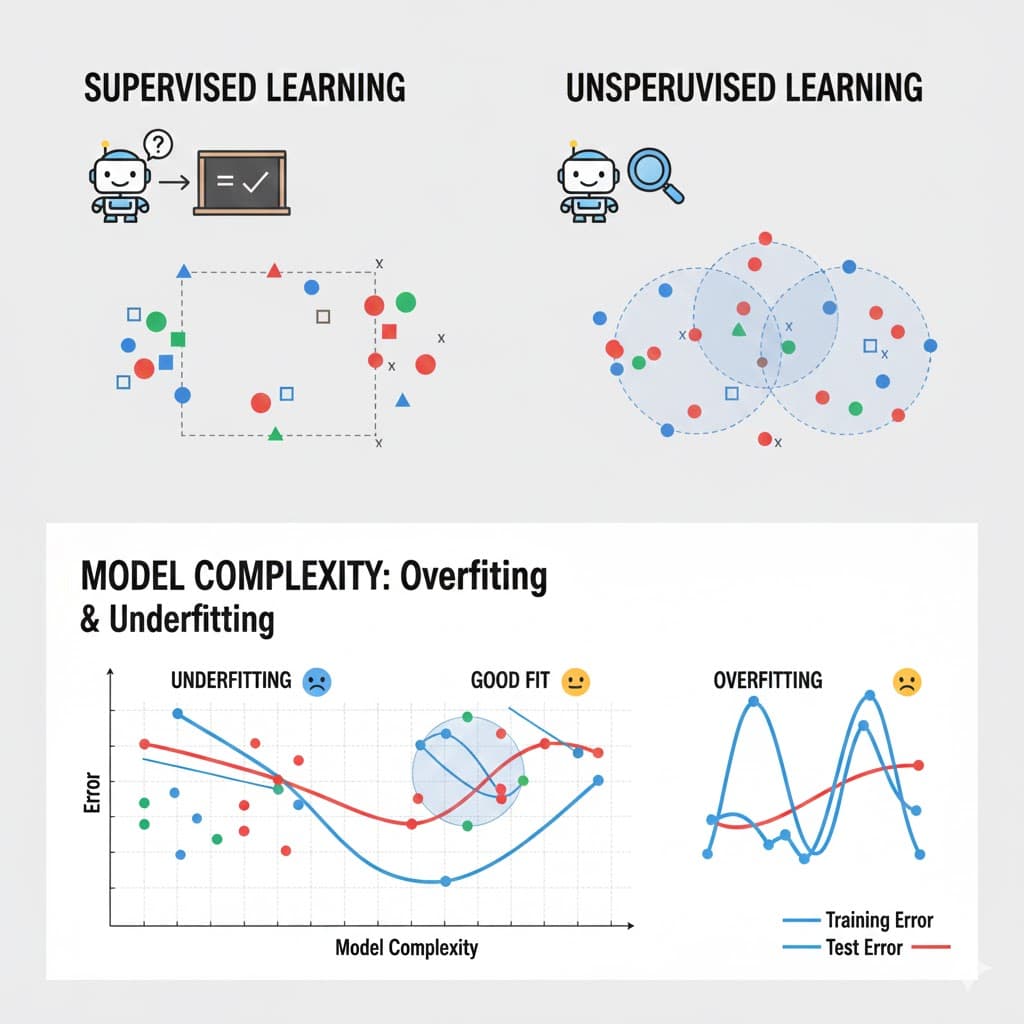
A developer's guide to the core concepts of machine learning: from data labeling to the delicate balance of model complexity.
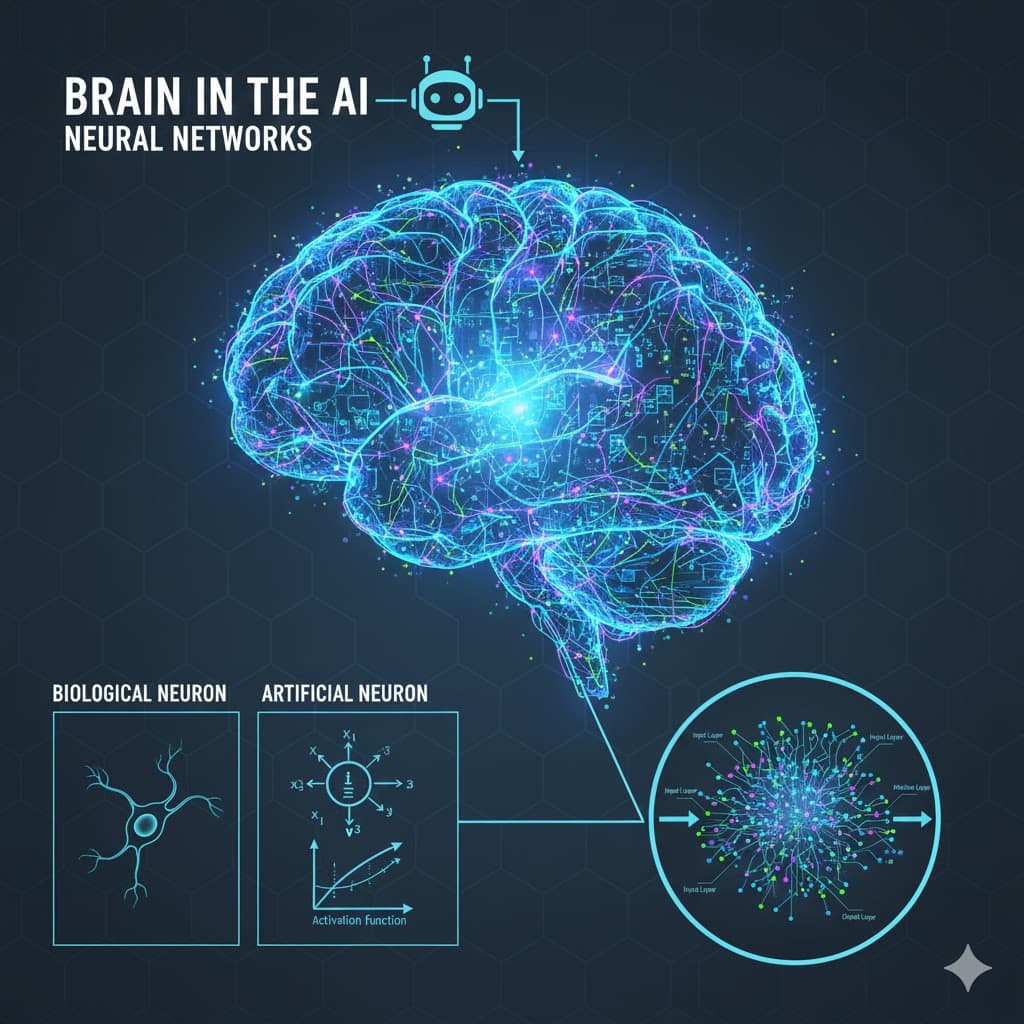
A deep dive into the architecture of neural networks, exploring layers, activation functions, and why they dominate modern AI.
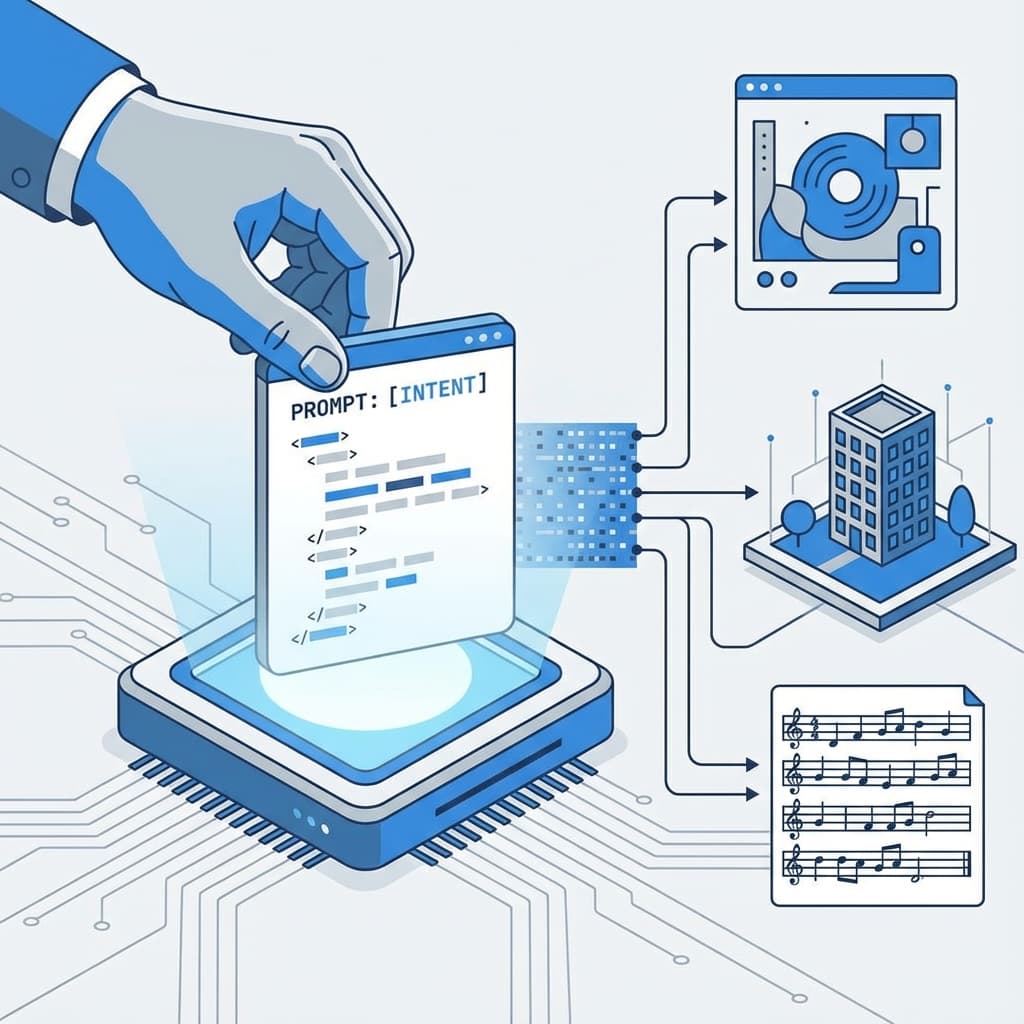
Stop guessing and starting engineering. A technical guide to the principles of reliable prompt design for AI agents.
Why most AI agents fail in production and how to build systems that detect, correct, and learn from their own errors.