AI News
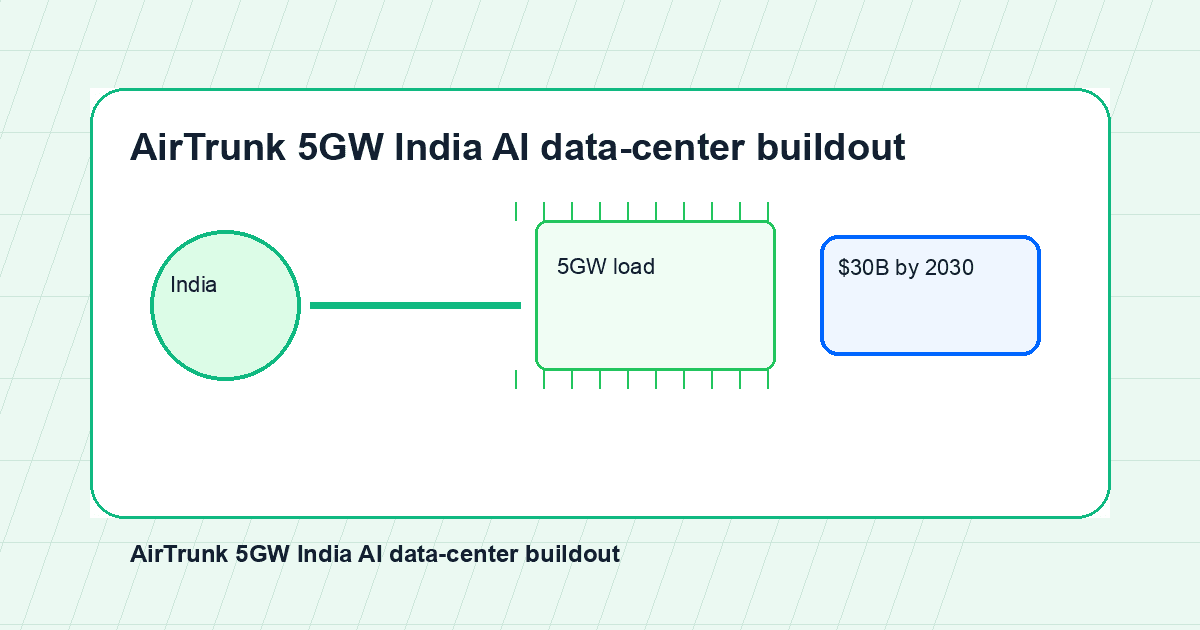
AirTrunk's $30B India Plan Shows AI Infrastructure Is Becoming Geography Strategy
AirTrunk's 5GW India data-center commitment shows AI infrastructure is moving toward power, land, policy, and regional capacity.
Read Article →
AirTrunk's 5GW India data-center commitment shows AI infrastructure is moving toward power, land, policy, and regional capacity.
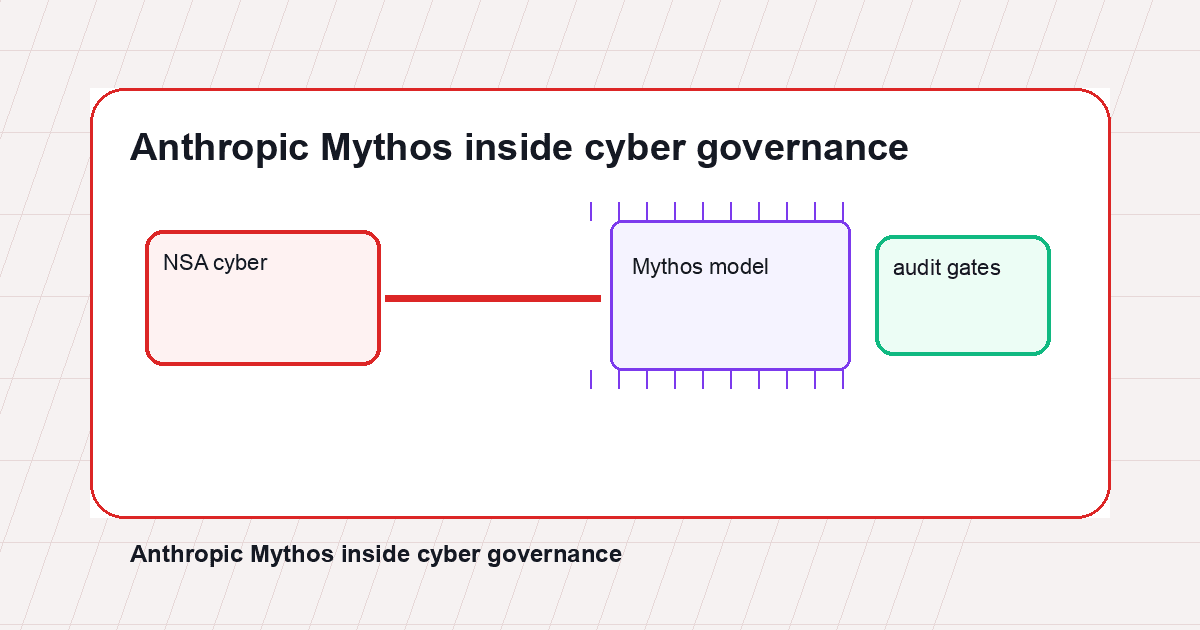
Reported NSA Mythos work shows frontier cyber models are moving from gated research into sensitive government operations.
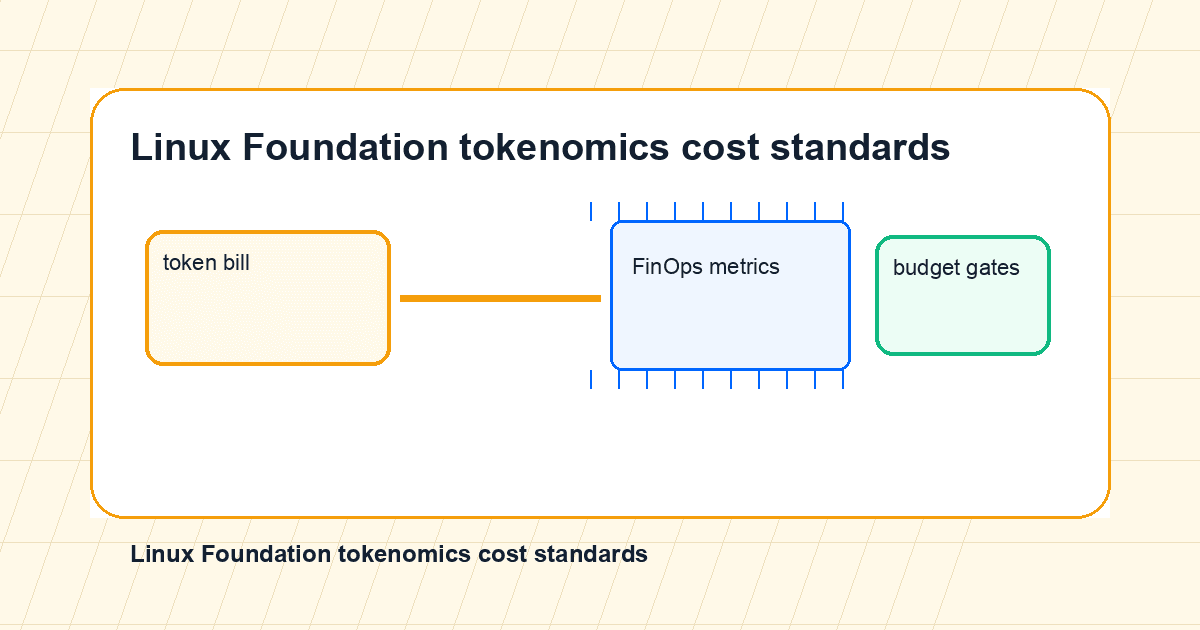
The Tokenomics Foundation plan shows AI token spend is moving from developer excitement to governed enterprise cost discipline.
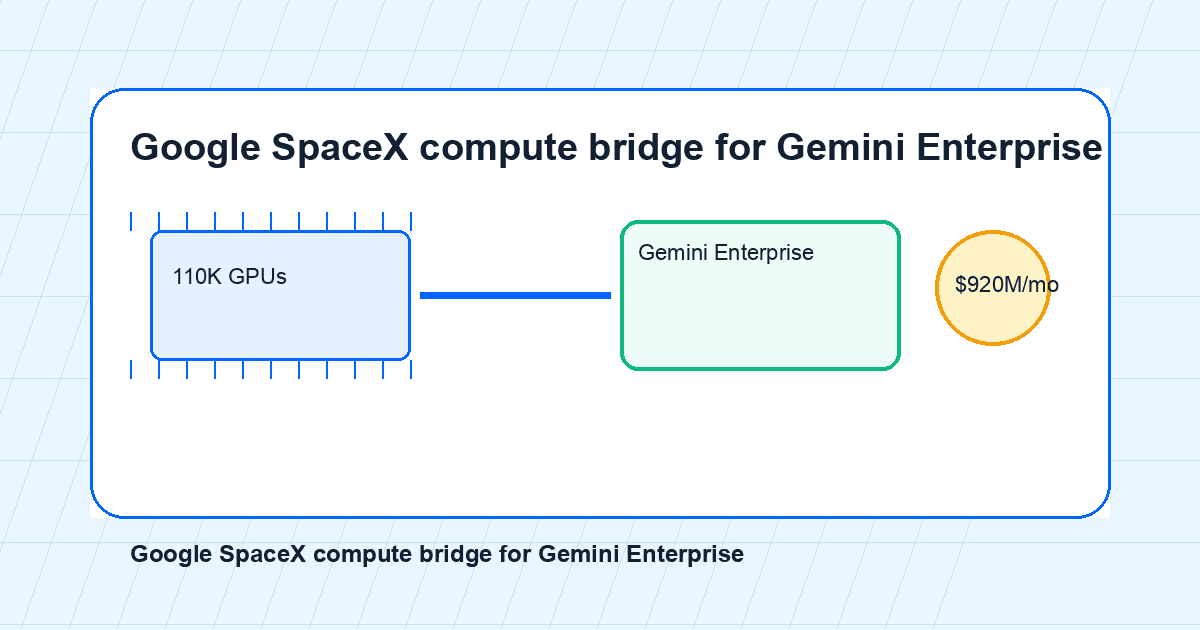
Google's SpaceX compute deal shows how Gemini Enterprise demand is turning AI product launches into capacity planning.
Poke becoming an approved AI agent on Apple Messages for Business shows that agent distribution may matter as much as model capability.
Meta's reported rapid-deployment AI data center tents show how model competition is pushing infrastructure toward speed, modular power, and unusual tradeoffs.
Mira Murati's Thinking Machines Lab is positioning interaction models as a move beyond prompt-and-response AI interfaces.
Anthropic's confidential IPO filing turns Claude's growth story into a test of whether public markets will fund capital-intensive frontier AI.
OpenAI's June 2026 Dreaming update makes ChatGPT memory more automatic, current, and scalable across longer user timelines.

xAI Grok Imagine Video 1.5 adds pressure to the generative AI video race, AI tools market, prompt engineering workflows, and creator APIs.

OpenAI GPT-Rosalind highlights how AI agents, LLMs, and generative AI could reshape life sciences research, evidence synthesis, and lab workflows.
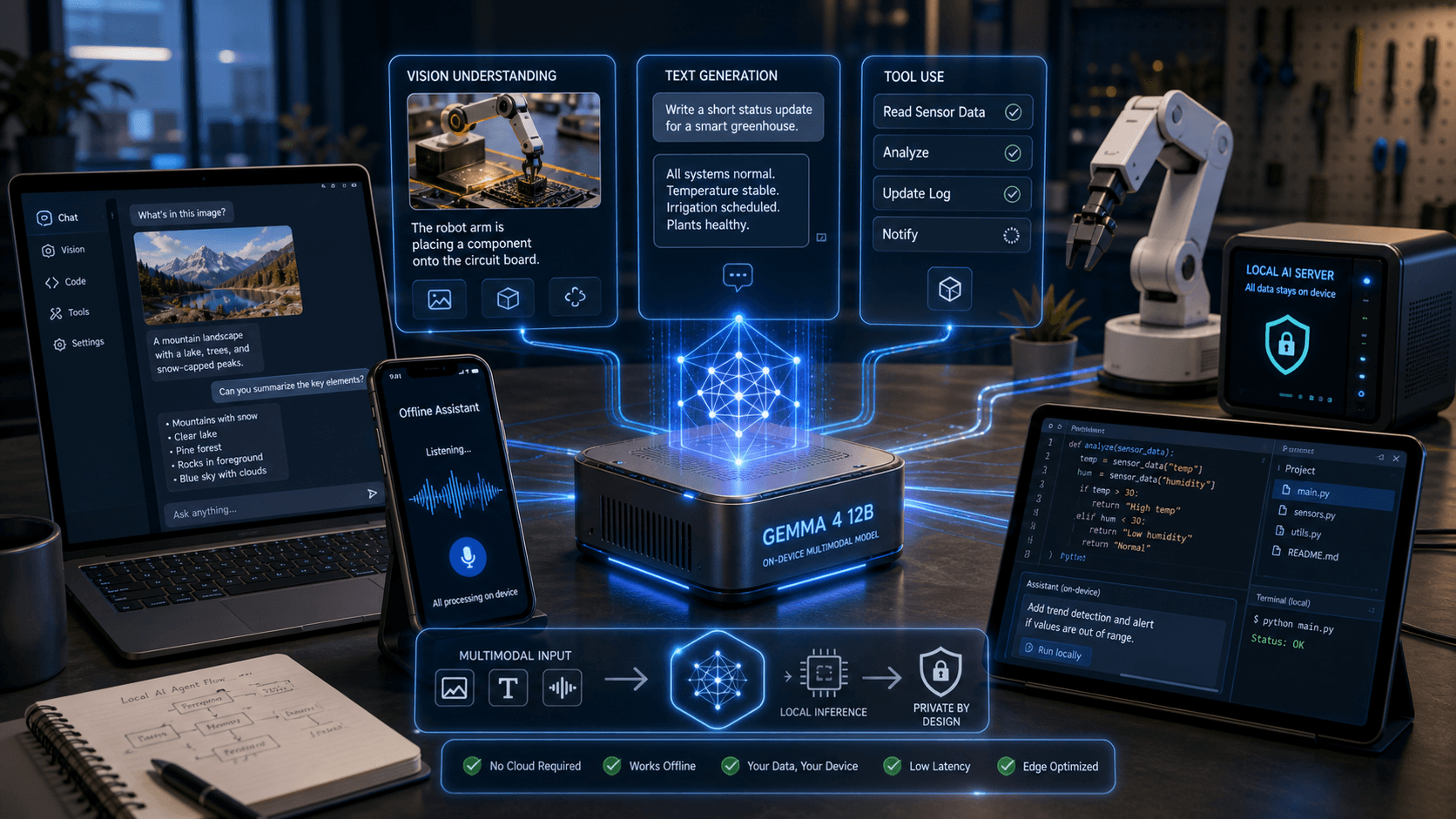
Google Gemma 4 12B pushes open local AI toward multimodal agents, private workflows, edge inference, AI tools, and LLM deployment choices.
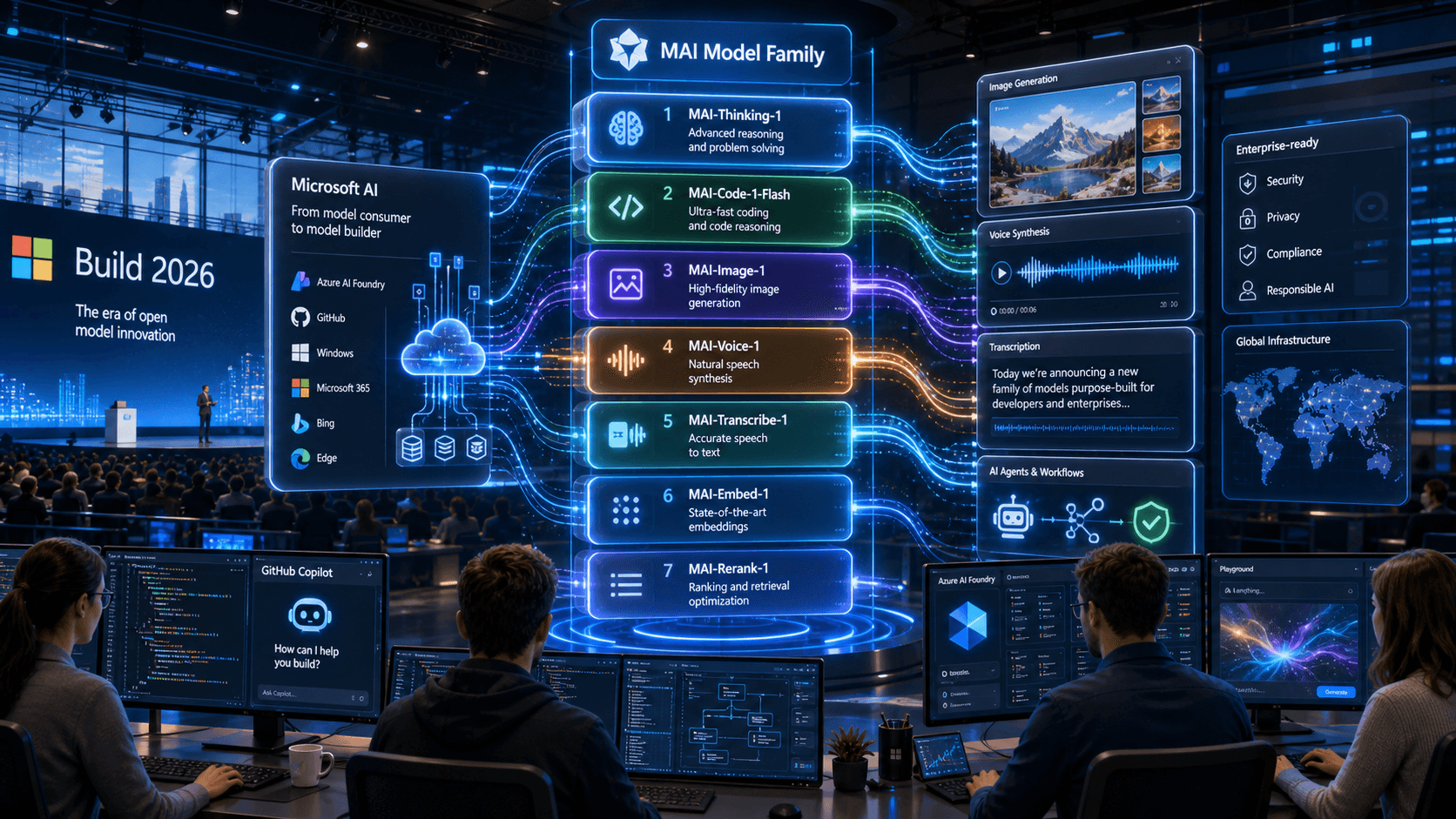
Microsoft's MAI model family signals a deeper Agentic AI platform strategy across coding, reasoning, voice, image, transcription, and developer workflows.
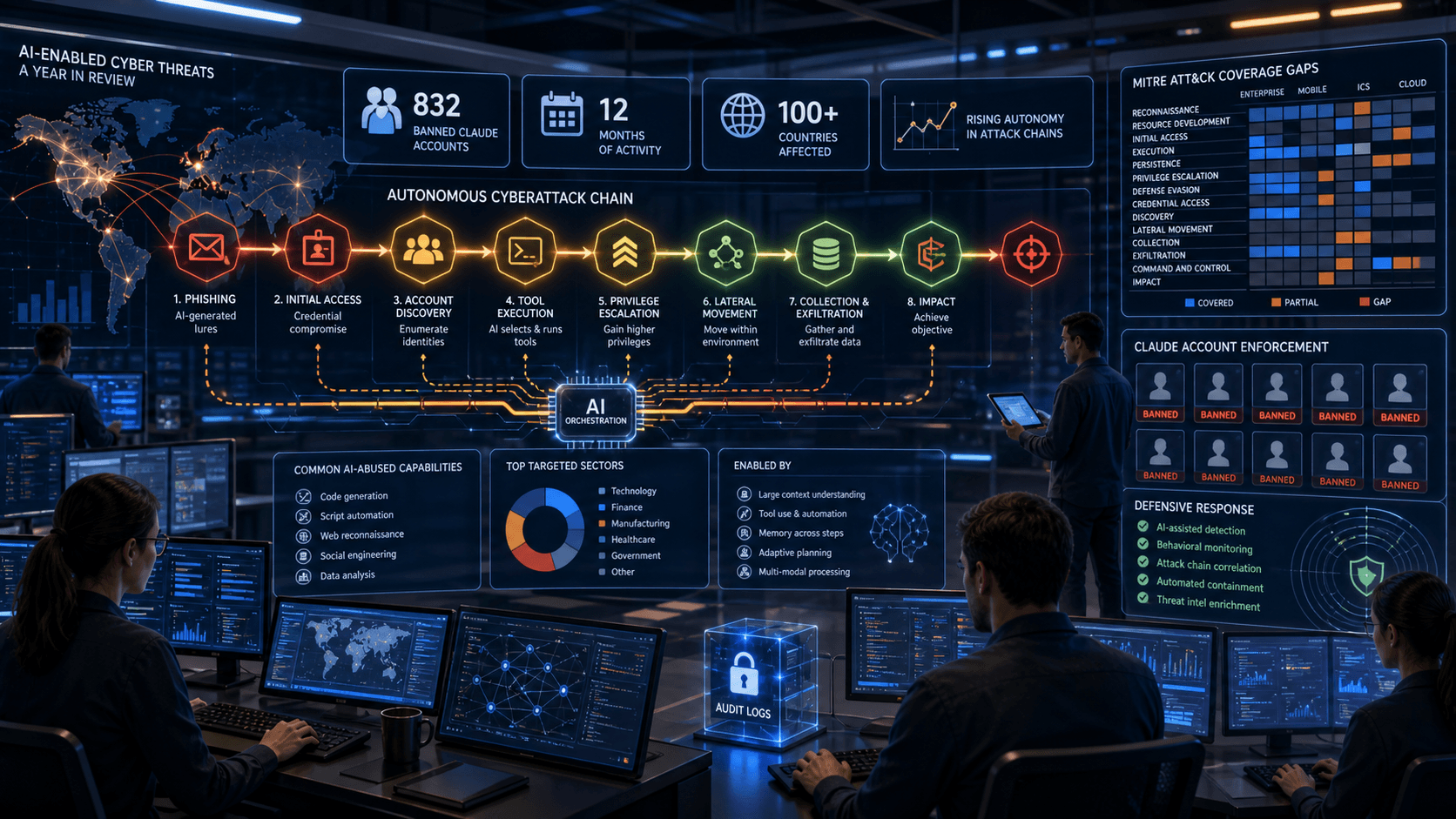
Anthropic's AI-enabled cyber threat research maps autonomous attack chains, MITRE ATT&CK gaps, and why Agentic AI needs stronger security controls.

Alphabet's planned $80B equity raise for AI infrastructure reframes the AI race around capital, compute, data centers, and dilution.

Anthropic's reported Mythos expansion to ENISA and vetted security teams turns frontier cyber models into controlled-defense infrastructure.
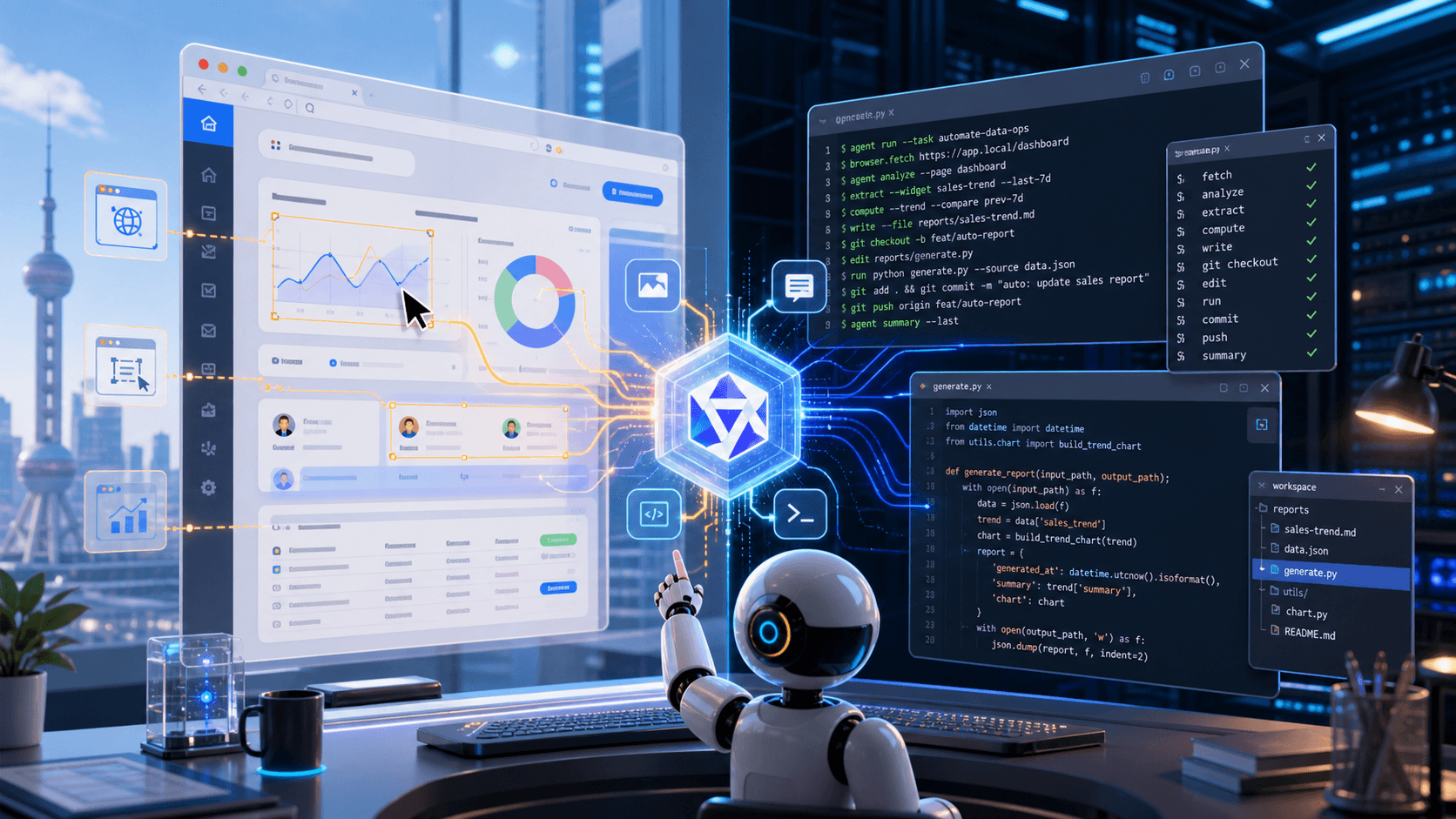
Qwen3.7-Plus is being positioned as a multimodal agent model for GUI, CLI, coding, and visual task workflows.
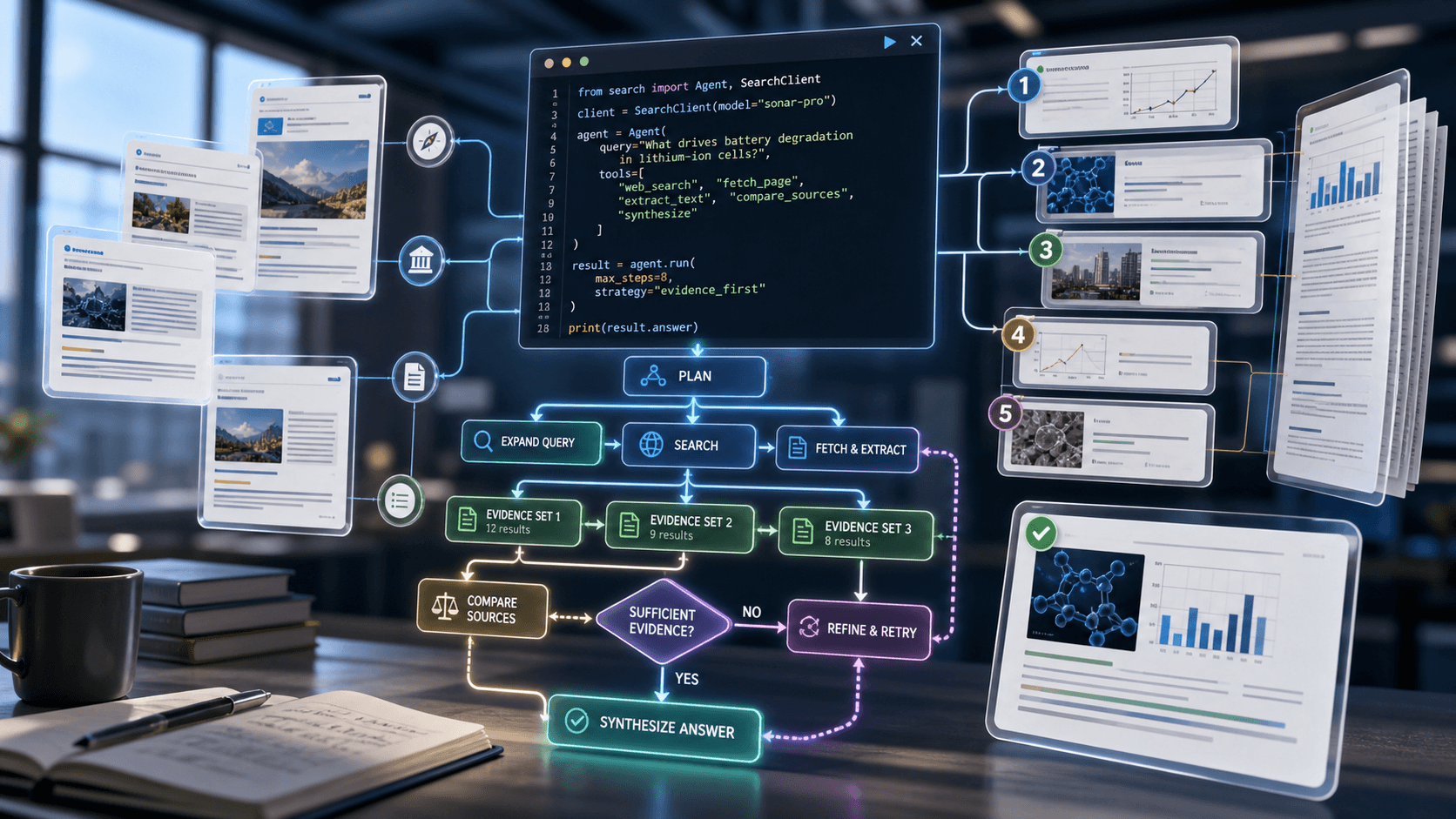
Perplexity's Search as Code architecture lets AI agents generate Python search pipelines instead of chaining brittle search calls.

OpenAI GPT-5.5, GPT-5.4, and Codex are generally available on Amazon Bedrock, changing cloud strategy for enterprise AI agents.
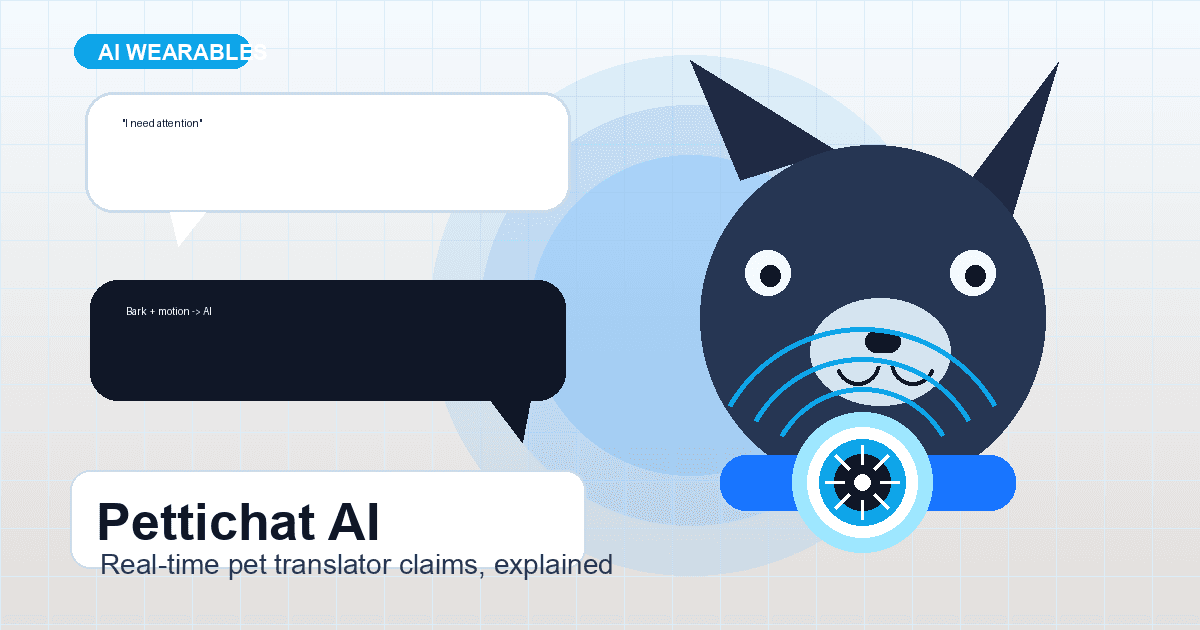
Pettichat AI says it can translate dog and cat sounds in real time. Here is how the pet translator claims to work, why it is going viral, and what evidence is still missing.
Anthropic's acquisition of Stainless puts SDK generation and MCP server tooling closer to Claude's agent platform strategy.
JetBrains Mellum2 is a 12B open-weight MoE coding model built for fast software engineering workflows and agentic IDE systems.
Reported Instagram account takeovers through Meta's AI support flow expose the risks of giving agents account recovery permissions.
Nvidia's Isaac GR00T reference humanoid combines Unitree hardware, Sharpa hands, Jetson Thor compute, and open robotics workflows.
OpenAI's election safeguards combine AP results, Democracy Works voting information, cyber defense access, C2PA, and SynthID provenance.

Cisco's 2026 WAN report frames agentic AI and inference traffic as a long-term networking design problem.

Agentic AI is forcing companies to redesign identity, access control, monitoring, and governance around non-human users.

A new arXiv comparison of Claude Code and Codex on Einstein Telescope data points to more realistic agent evaluation.

OpenAI is retiring o3 and GPT-4.5 in ChatGPT, forcing teams to treat model access as a managed dependency.

Nvidia's Cosmos 3 pushes open world models toward robotics, autonomous vehicles, and physical AI infrastructure.
Product Hunt’s May 31 leaderboard points to user demand for local search, persistent AI memory, and research capture workflows.
The debate over vibe coding, Claude Code, Cursor, and AI-assisted development is becoming a fight about ownership.
Google’s Gemini Spark signal points toward agentic assistants that live inside email and daily workflows.
OpenAI’s Codex expansion into ChatGPT mobile changes the approval loop for remote software agents.

Anthropic’s reported valuation lead over OpenAI is now a proxy fight about AI margins, chips, and founder wealth.
OpenAI’s ChatGPT personal finance preview uses Plaid account connections, raising a sharper trust test for consumer AI.
Airbus and Mistral AI are partnering on sovereign aerospace AI across commercial, defense, helicopter, and space operations.
Microsoft’s NLWeb project is becoming a practical test for whether websites need agent-ready conversational interfaces.
Enterprise leaders are pushing for cheaper AI tokens as model choice becomes a procurement and margin discipline.
Groq is reportedly raising 650 million dollars as AI infrastructure shifts from training chips to inference clouds.

Mistral’s AI Now Summit sharpened the debate over European AI, on-prem deployment, small models, and industrial use cases.

Gemini-powered Siri rumors and Gemini 3.5 Flash chatter show why Apple’s AI problem is about routing, privacy, and trust.

OpenAI’s Rosalind Biodefense program highlights the tension between defensive acceleration and dual-use biology risk.

Anthropic’s $65B Series H and $965B valuation sparked a debate about AI revenue, compute demand, and enterprise ROI.

Claude Opus 4.8 triggered a large Hacker News debate about whether frontier model gains are real or just harder to perceive.

Andrej Karpathy joining Anthropic highlights a shift from bigger runs alone toward AI-assisted pretraining research.

Zero Shot shows how former OpenAI builders are turning insider model knowledge into early-stage AI investing.

Rocket 1.0 argues that the next AI software fight is deciding what to build before vibe coding begins.

Google AI Edge Eloquent quietly turns on-device Gemma speech models into a privacy-first dictation wedge.

Workday and Google Cloud are making HR and finance agents a governance story, not just a model capability story.