AI Self-Regulation Will Be Judged by the Exceptions, Not the Constitution
A new industry self-regulation pledge puts a practical question ahead of grand principles: who can investigate and enforce the rules when systems fail?
12 articles

A new industry self-regulation pledge puts a practical question ahead of grand principles: who can investigate and enforce the rules when systems fail?

A September 2026 White House-backed AI accord asks companies to self-regulate frontier systems. Its wording, evidence, and enforcement will matter more than the ceremony.

OpenAI’s call to build standards for the next phase of AI highlights a practical gap: rules matter only when systems can exchange evidence about safety and behavior.

California’s order for state agencies to develop AI safety plans shifts the policy fight toward procurement, inventories, incident response, and accountable deployment.
The Trump White House is pressing Meta toward voluntary AI security reviews, a small-sounding demand that could harden into a de facto standard for frontier model governance.

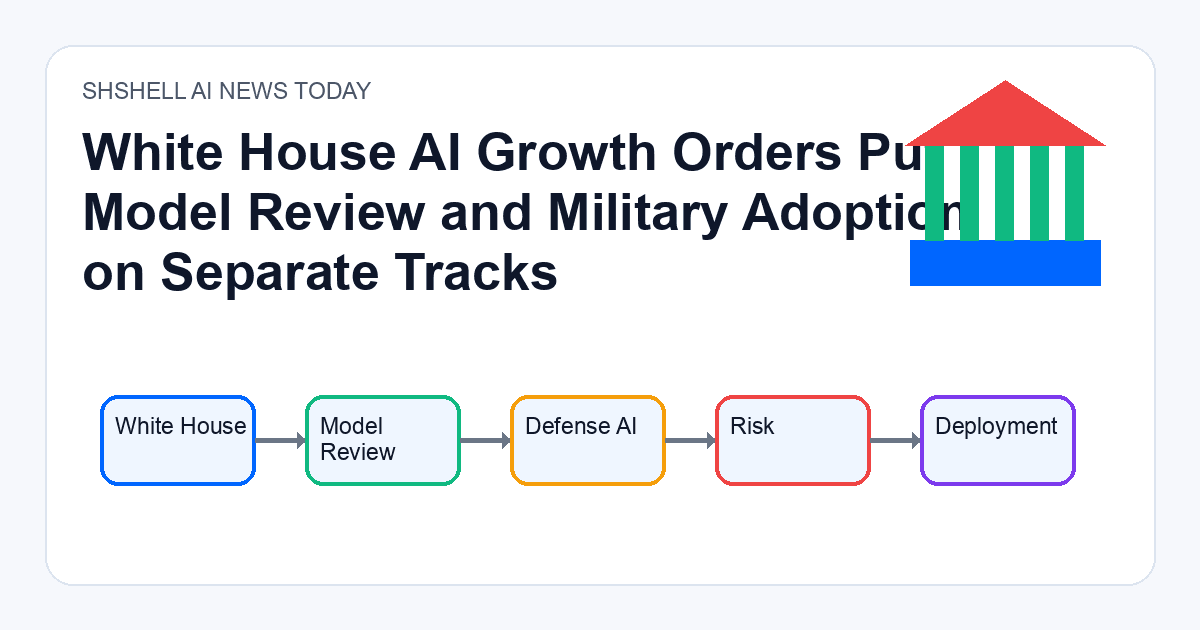
New White House AI growth signals split voluntary model review from military adoption, raising AI governance stakes.

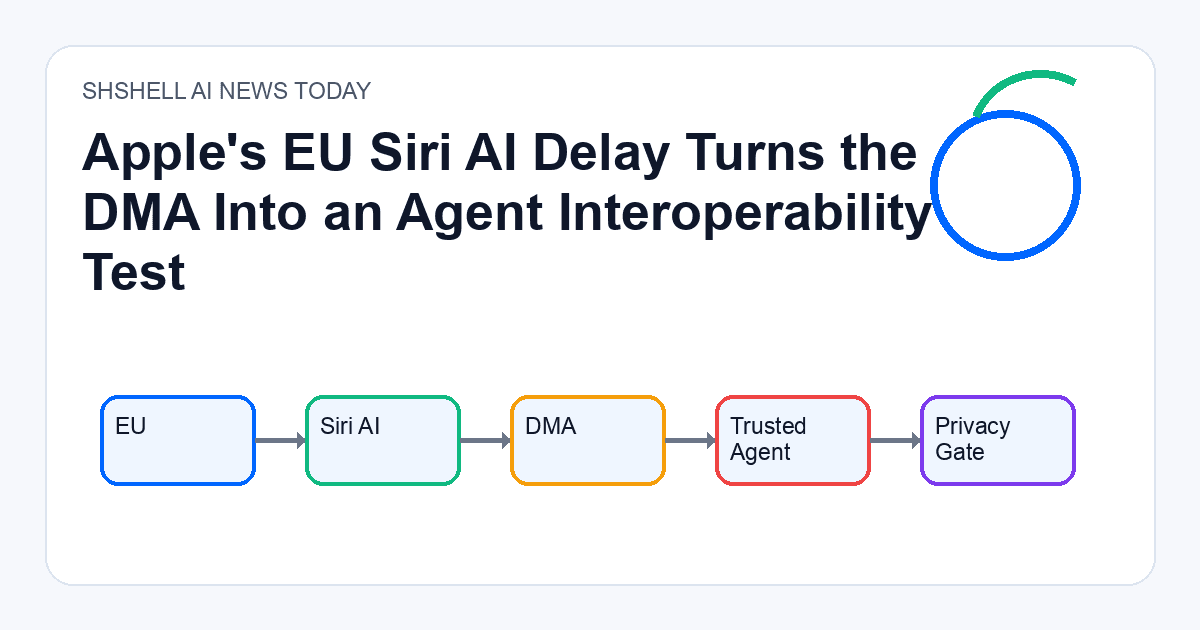
Apple's EU Siri AI delay makes agent interoperability, privacy, and platform control a central AI News Today story.

OpenAI frontier AI governance blueprint pushes national rules, safety testing, and public-sector capacity into the latest AI news cycle.

OpenAI's election safeguards combine AP results, Democracy Works voting information, cyber defense access, C2PA, and SynthID provenance.

US and Chinese officials are discussing AI guardrails for powerful models, making frontier AI a diplomatic security issue.

Reported White House infighting over AI executive action shows how safety testing, procurement, and national security are colliding.

A reported U.S. tech delegation to China puts AI chips, model reviews, and national security policy into the same frame.