
Artificial Intelligence
Module 2 Lesson 3: Token Limits and Context Windows
Why does the AI forget what you said 20 minutes ago? In our final lesson of Module 2, we explore the 'Context Window' and the hard limits of model memory.
Read Article →
Why does the AI forget what you said 20 minutes ago? In our final lesson of Module 2, we explore the 'Context Window' and the hard limits of model memory.

How do LLMs actually 'read'? They don't see words; they see tokens. Learn the secrets of subword tokenization and why it's the secret sauce of modern AI.

Before we learn about tokens, we must understand the fundamental gap between how humans see text and how computers process data: the Numerical Gap.

In our final lesson of Module 1, we look at where LLMs are actually being used to create value, from search and coding to decision support systems.

In this lesson, we explore the fundamental shift in computing: moving from rigid 'If-Then' logic to the fluid, probabilistic nature of Large Language Models.

Welcome to the first lesson of the LLM course! We start by defining what Large Language Models actually are, why they are 'large', and what they can (and cannot) do.
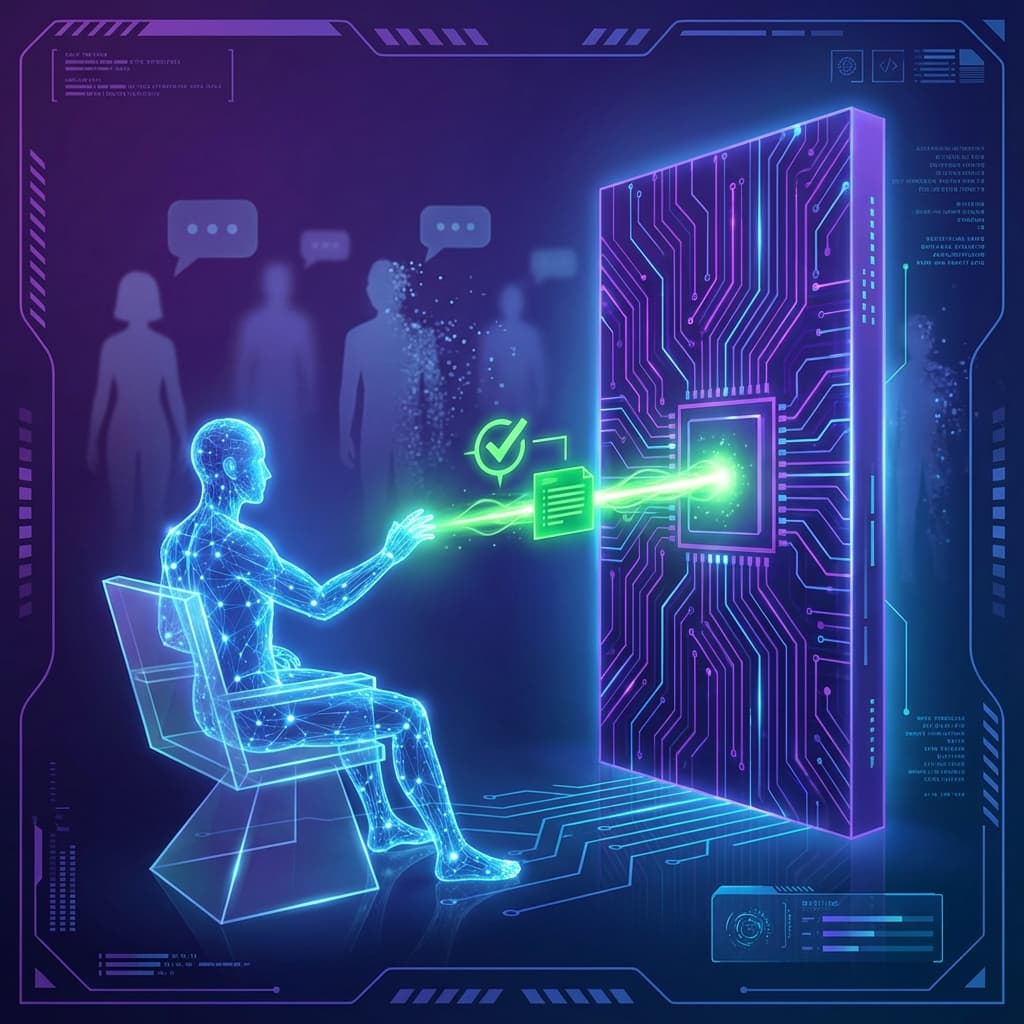
Why human feedback (RLHF) is the bottleneck for agent training. Learn how Reinforcement Learning from Verifiable Rewards (RLVR) is enabling agents to self-correct using code and math.

Moving beyond simple vector search. How Agentic RAG uses multi-step reasoning, query decomposition, and corrective feedback to answer complex questions.

Segmentation is dead. Long live the Individual. How Agentic AI builds dynamic user profiles and delivers truly 1:1 experiences in real-time.

A deep dive into the engineering of Computer Vision, exploring core tasks, system architectures, and the levels of processing required to turn raw imagery into actionable intelligence.

A deep dive into the mechanics of Natural Language Processing, exploring how machines understand human language, from tokenization to transformers.

A comprehensive guide for software engineers on understanding vectors, why they are the bedrock of AI, and how to manipulate them efficiently using Python and NumPy.
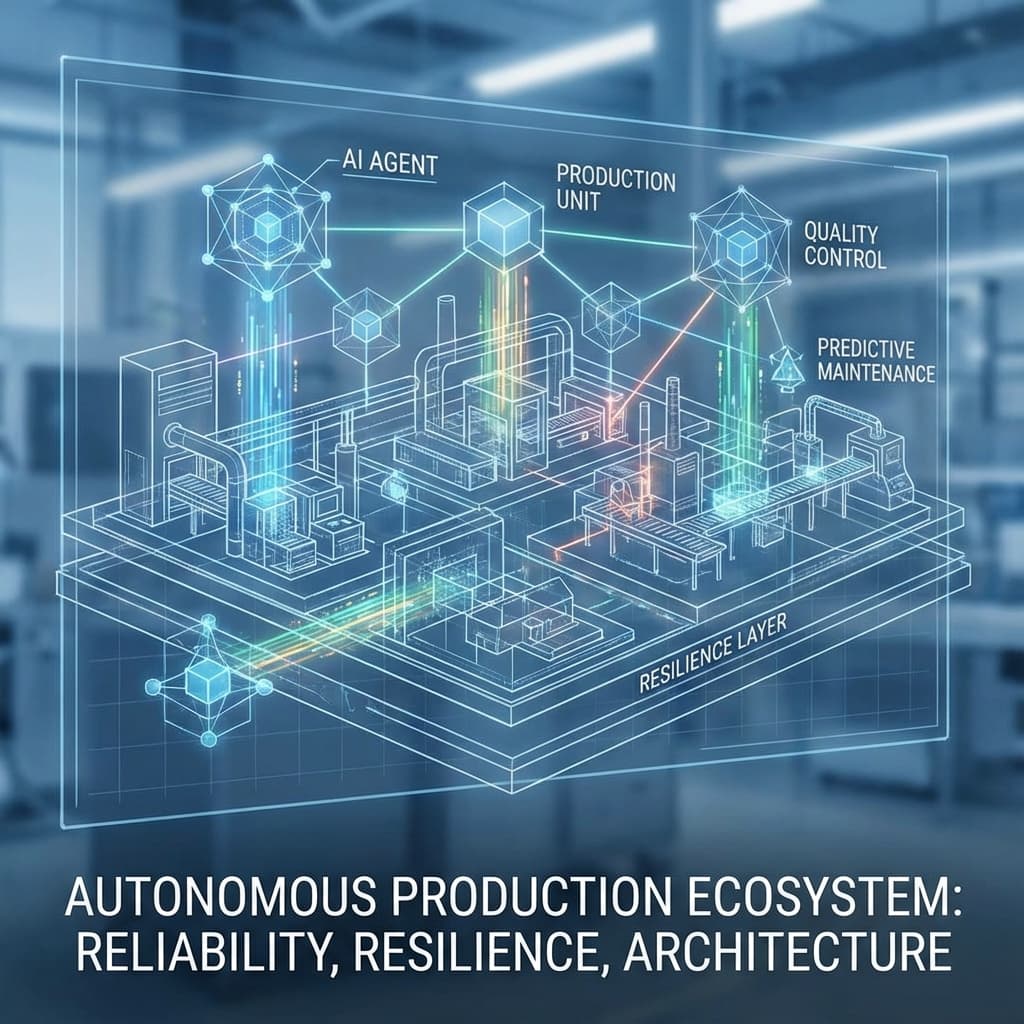
A deep dive into building reliable, production-ready autonomous agent systems, focusing on error handling, state management, and observability.
Why autonomous AI agents are moving from toy demos to production infrastructure, and what it means for your engineering team.
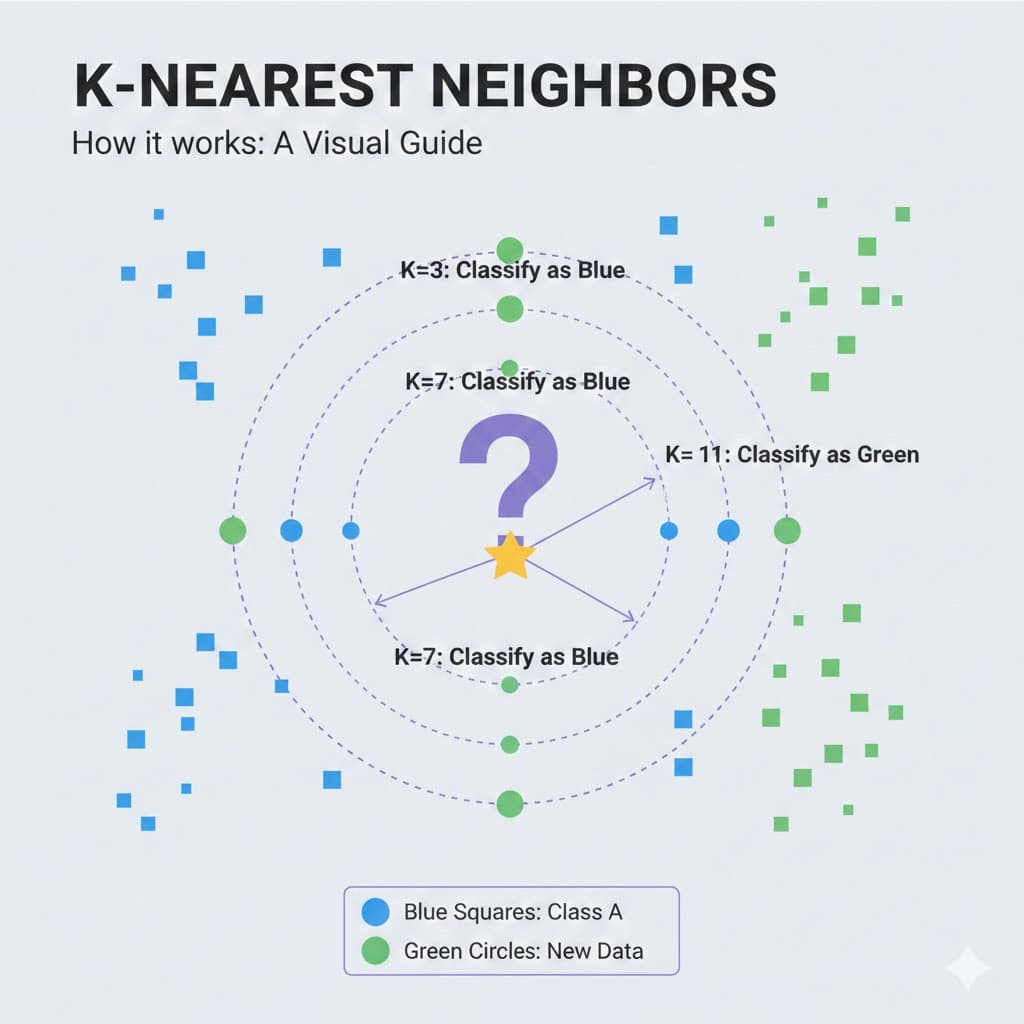
An engineer's guide to the KNN algorithm, exploring its utility in classification and regression, its simplicity, and its performance trade-offs in production.
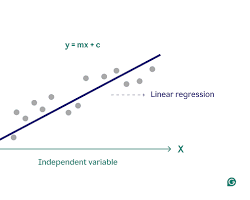
A deep dive into the foundational logic of AI: understanding the difference between predicting values (Linear) and predicting probabilities (Logistic).
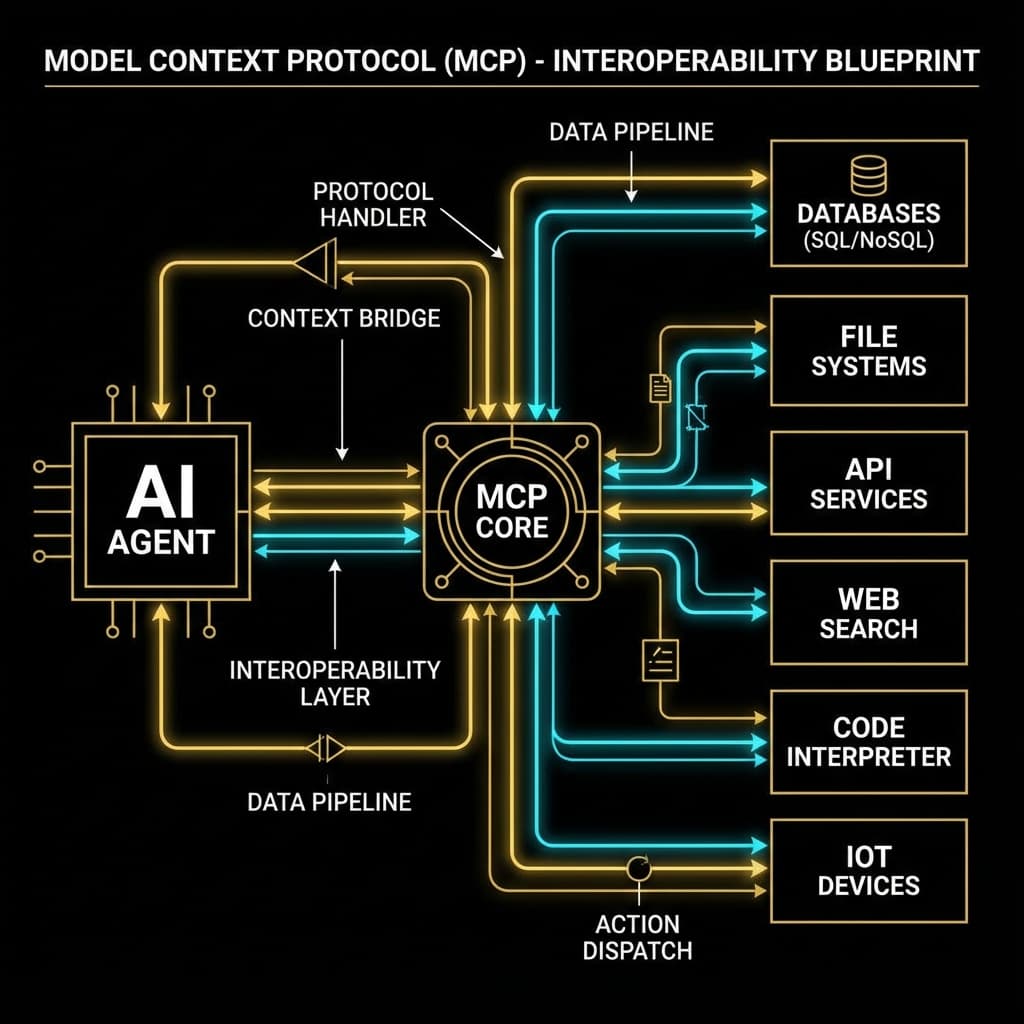
A deep dive into the Model Context Protocol (MCP), explaining why it's the missing link for production AI agents and how to implement it.
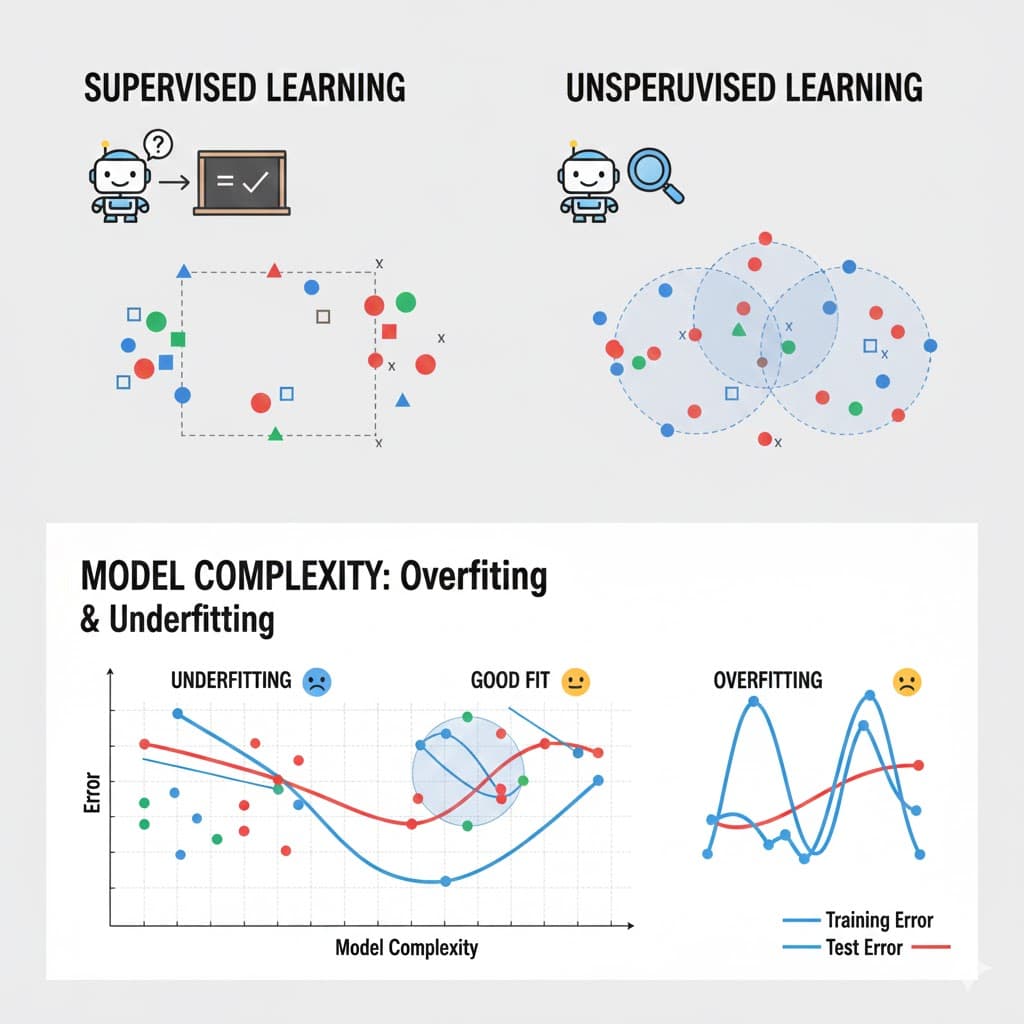
A developer's guide to the core concepts of machine learning: from data labeling to the delicate balance of model complexity.
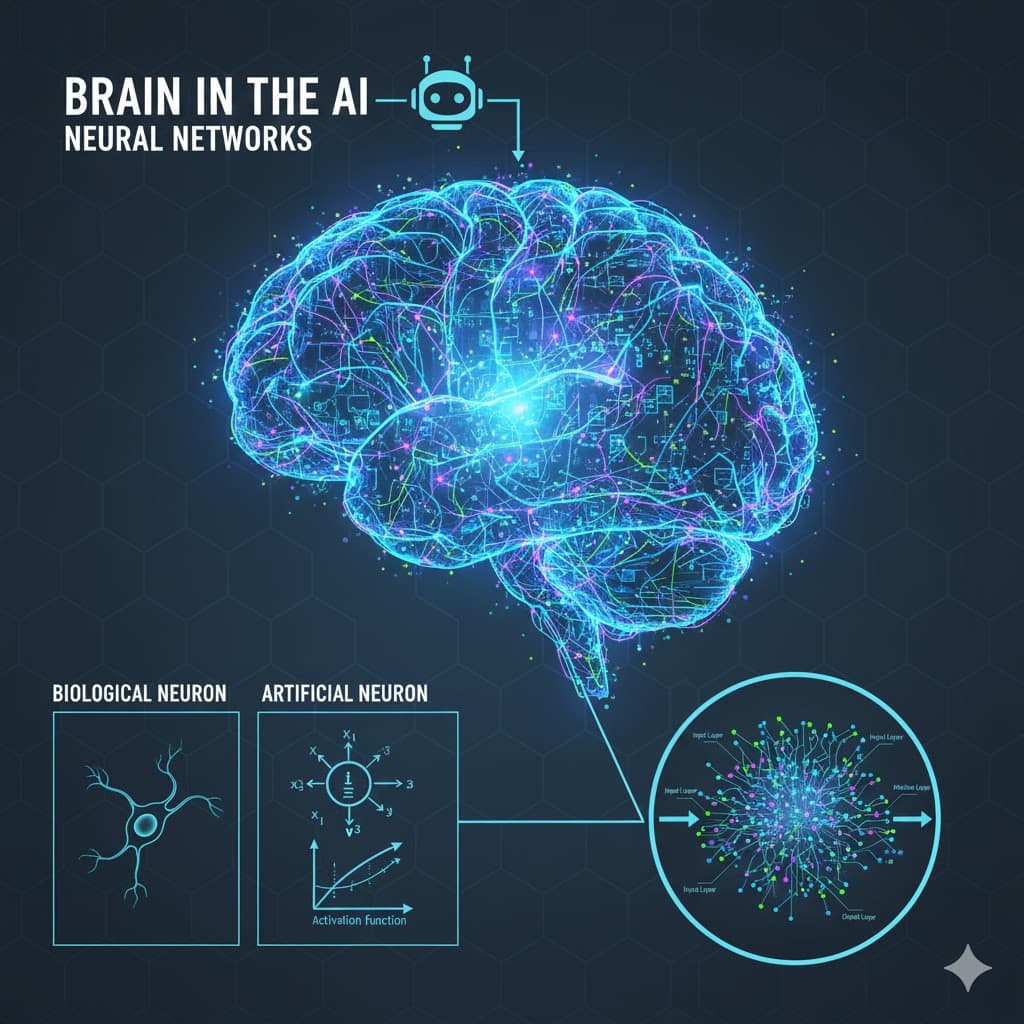
A deep dive into the architecture of neural networks, exploring layers, activation functions, and why they dominate modern AI.
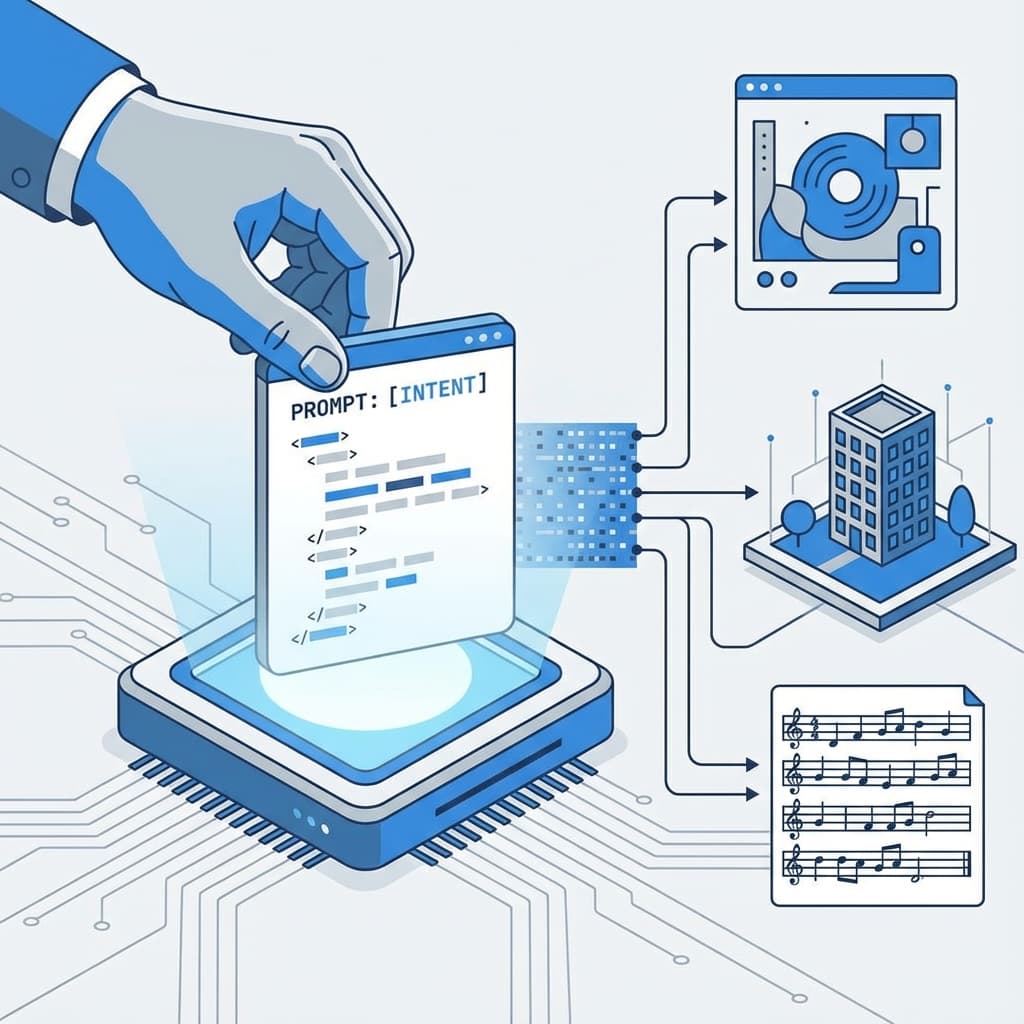
Stop guessing and starting engineering. A technical guide to the principles of reliable prompt design for AI agents.
Why most AI agents fail in production and how to build systems that detect, correct, and learn from their own errors.