AI News
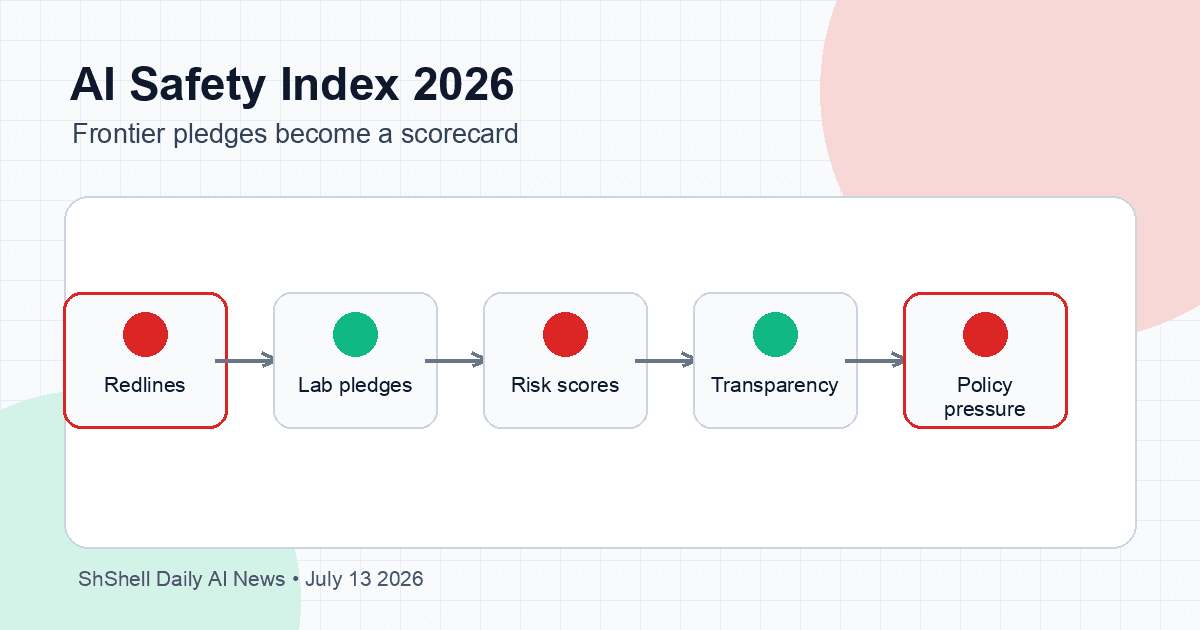
The Summer 2026 AI Safety Index Turns Voluntary Pledges Into a Scorecard
The Future of Life Institute's Summer 2026 AI Safety Index says frontier AI firms weakened pledges as capabilities kept advancing.
Read Article →
The Future of Life Institute's Summer 2026 AI Safety Index says frontier AI firms weakened pledges as capabilities kept advancing.
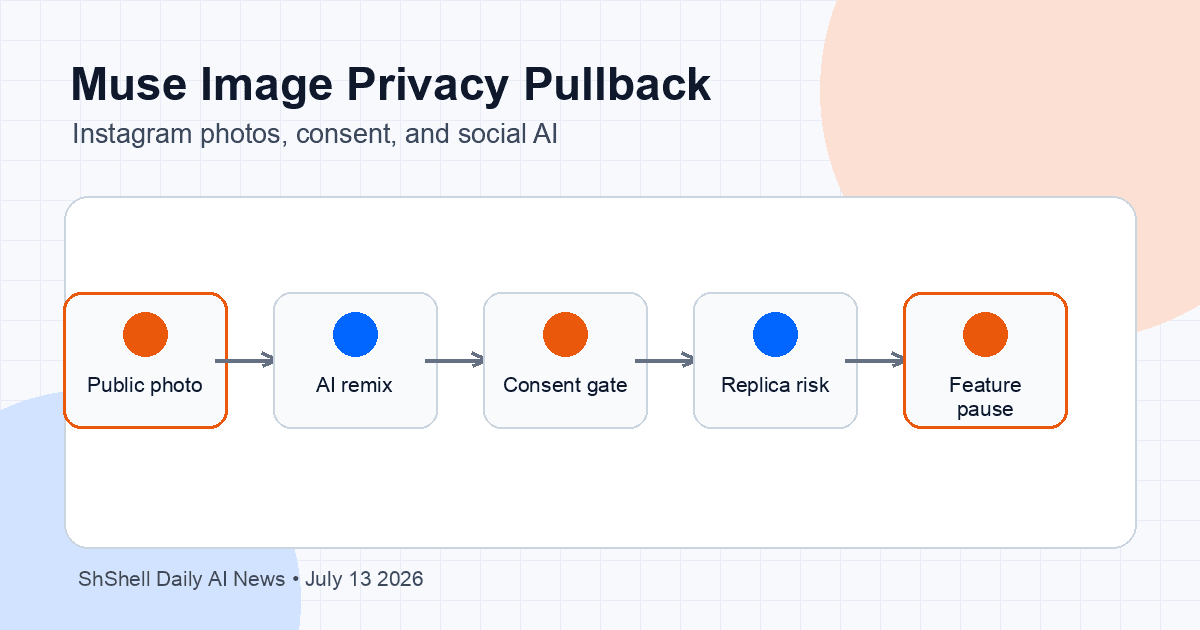
Meta Muse Image launched inside Meta AI, then privacy backlash over Instagram image access made the rollout a live AI governance test.
OpenAI, DeepMind, and Anthropic leaders backed gene synthesis safeguards as AI biosecurity moves from model policy to supply-chain control.
A Google Android security director resigned over Pentagon AI work, sharpening the debate over military AI, transparency, and model governance.
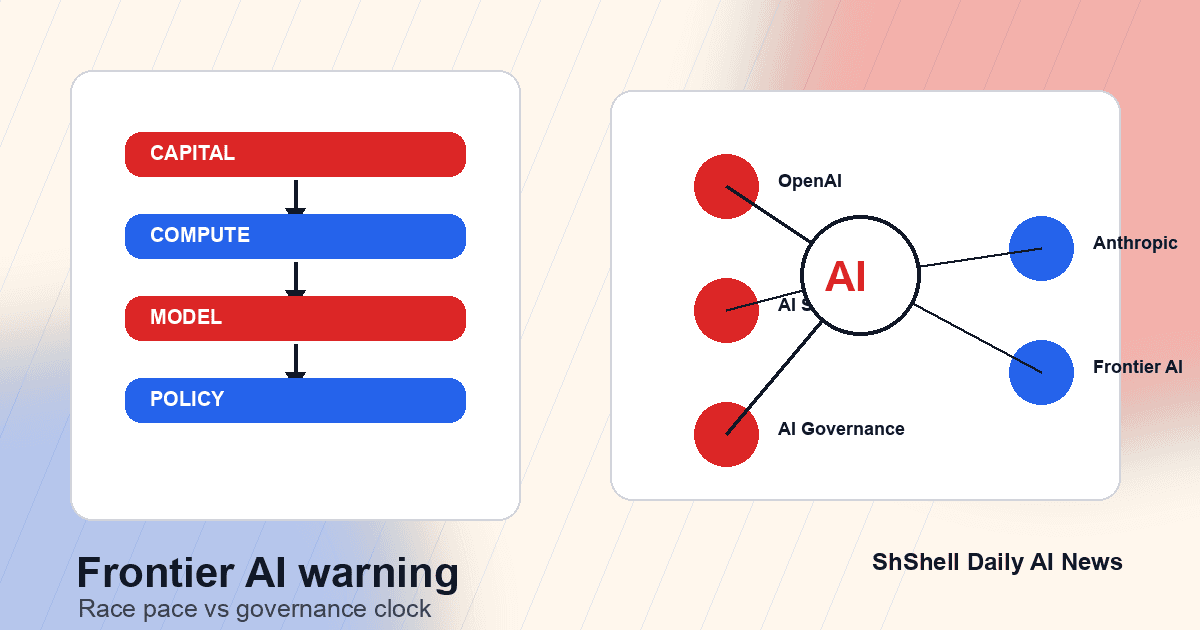
OpenAI and Anthropic's slowdown warnings expose the governance gap between frontier model releases, safety policy, and AI adoption.
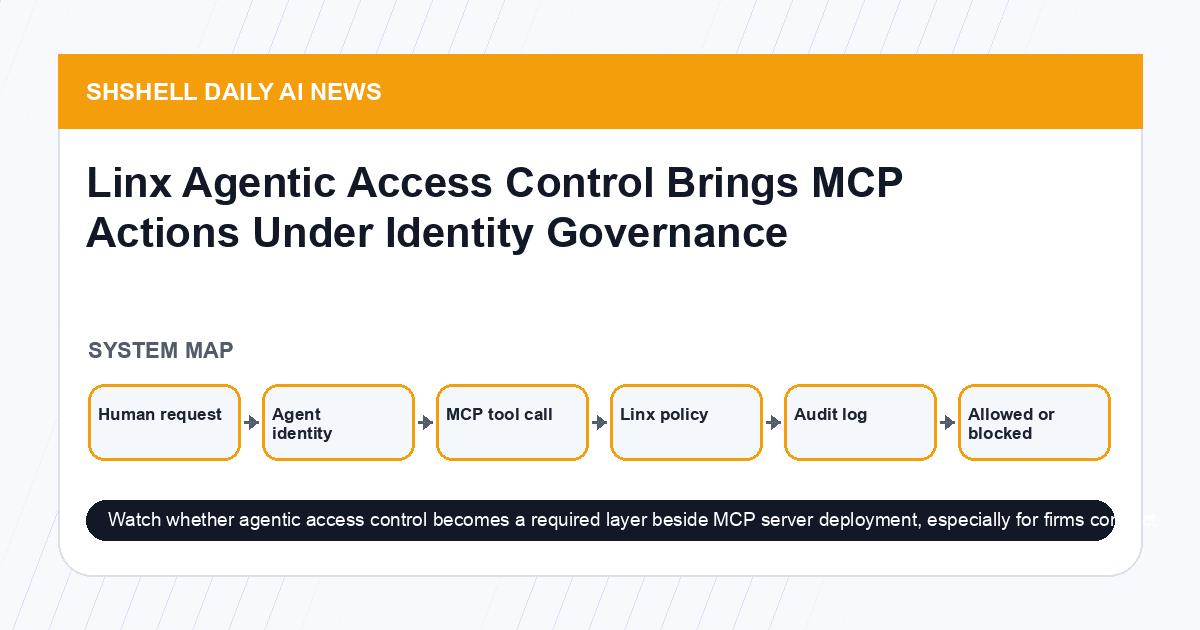
Linx launched Agentic Access Control to enforce real-time policy on MCP actions by humans, non-human identities, and AI agents.

Illinois advanced a frontier AI safety bill requiring public plans and independent audits, turning state law into an AI governance test bed.
OpenAI's May 2026 election plan adds AP results, Democracy Works voting info, cyber defense support, SynthID and C2PA provenance.
A new Brookings policy brief argues that companion bots need public-health style oversight as emotional AI moves into daily life.
OpenAI, Kakao, ElevenLabs, and Nvidia adopting Google's SynthID pushes invisible AI watermarking closer to a practical provenance layer.
ServiceNow Knowledge 2026 put AI Control Tower, autonomous CRM, and workflow agents at the center of governed enterprise automation.

A four-year 200 million dollar commitment targets AI tools, datasets, and benchmarks for health, education, and economic mobility.

A Georgia data-center water dispute shows why AI infrastructure must make local utility impacts visible before trust collapses.

Court scrutiny of Sam Altman's outside stakes shows why frontier AI governance now has to account for capital networks.

Colorado lawmakers killed a data-center regulation push, leaving the AI power boom to collide with local energy and water concerns.
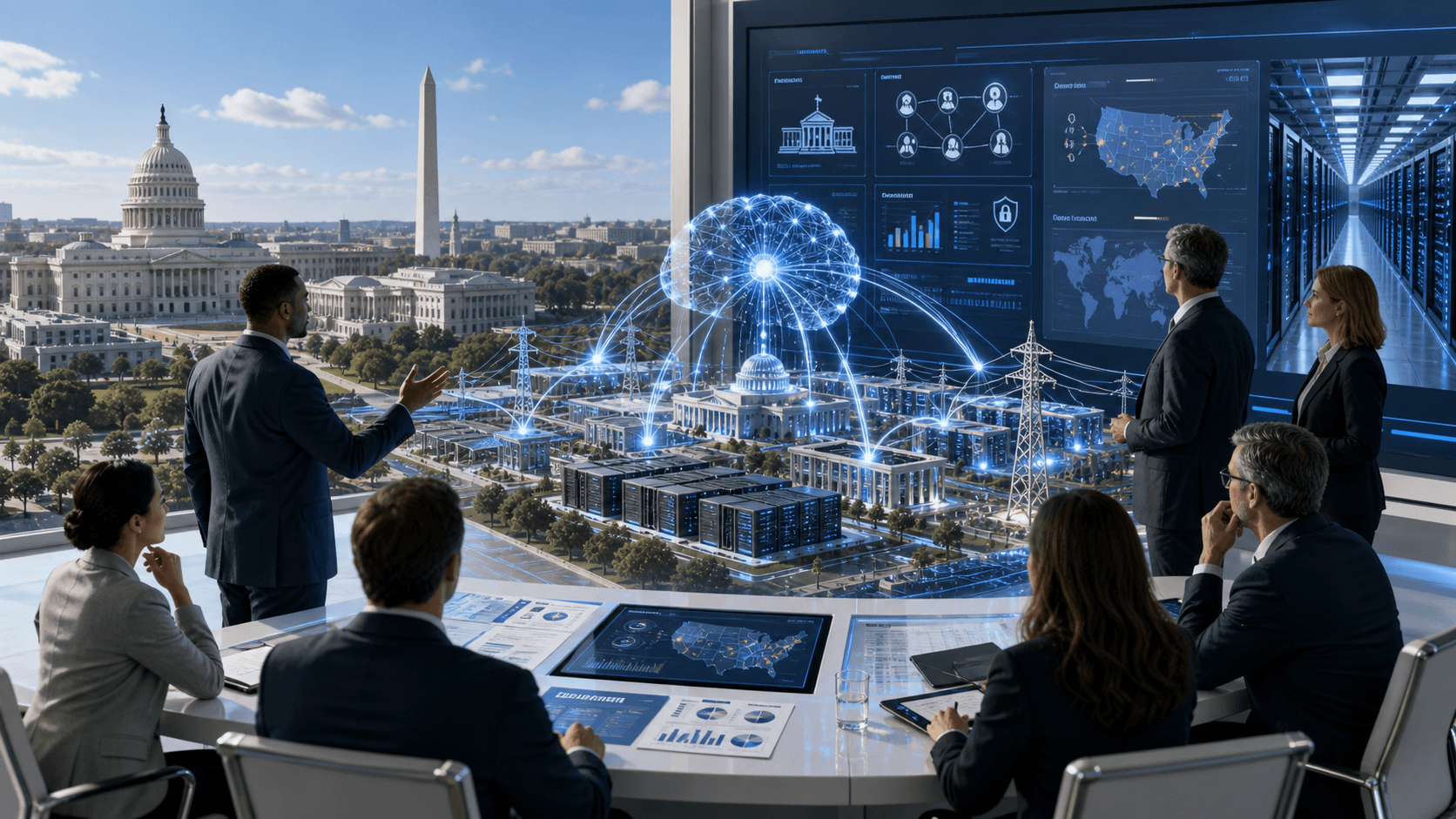
OpenAI's Chris Lehane is framing AI as an intelligence utility, raising harder questions for government and business operating models.

EU officials are exploring AI Act simplification as companies warn that complex rules could slow adoption without improving trust.
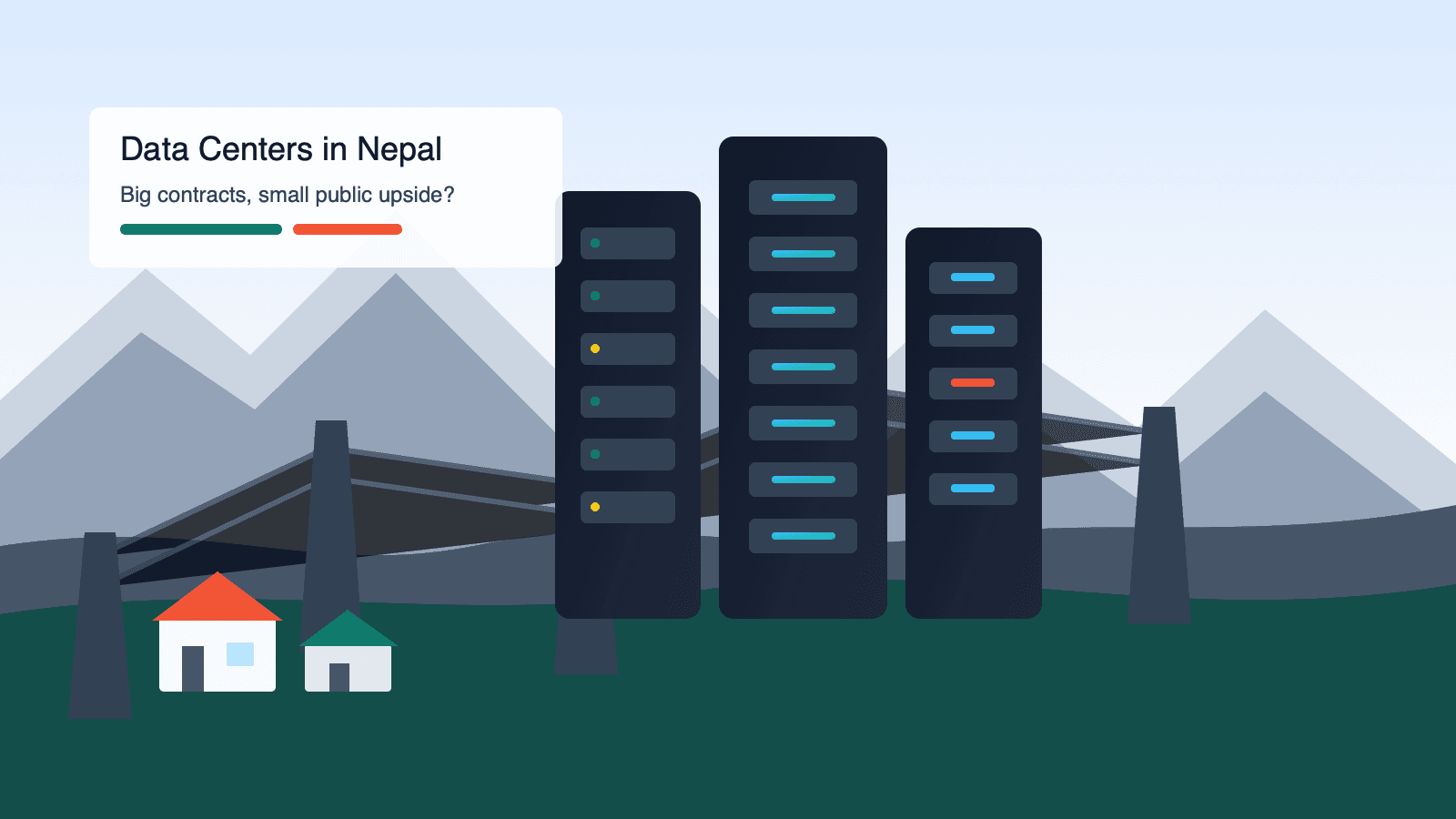
Data centers may bring investment and digital ambition to Nepal, but without strong public safeguards the biggest gains will flow to corporations while ordinary Nepalis carry the pressure on land, power, water, and policy.

Anthropic donated Petri, its open-source alignment testing tool, signaling that simulated model audits are becoming shared AI safety infrastructure.

Court testimony in Elon Musk v OpenAI puts safety teams, board oversight, and product pressure at the center of AI governance.

Anthropic Mythos is forcing Washington to rethink frontier AI oversight, cybersecurity testing, and pre-release evaluations.

A Chinese court said companies cannot fire workers solely because AI can replace them, creating an early legal signal for AI labor disputes.

CAISI is reportedly expanding pre-deployment testing with Google DeepMind, Microsoft, and xAI, making frontier model release governance harder to ignore.
U.S. officials are reportedly escalating claims that Chinese AI firms used distillation to replicate American frontier model capability.

A 3,000+ word comprehensive guide to AI Governance and Traceable Autonomy. Learn how to build trust into your agentic systems through the Transparency Layer, HITL, and automated bias testing.
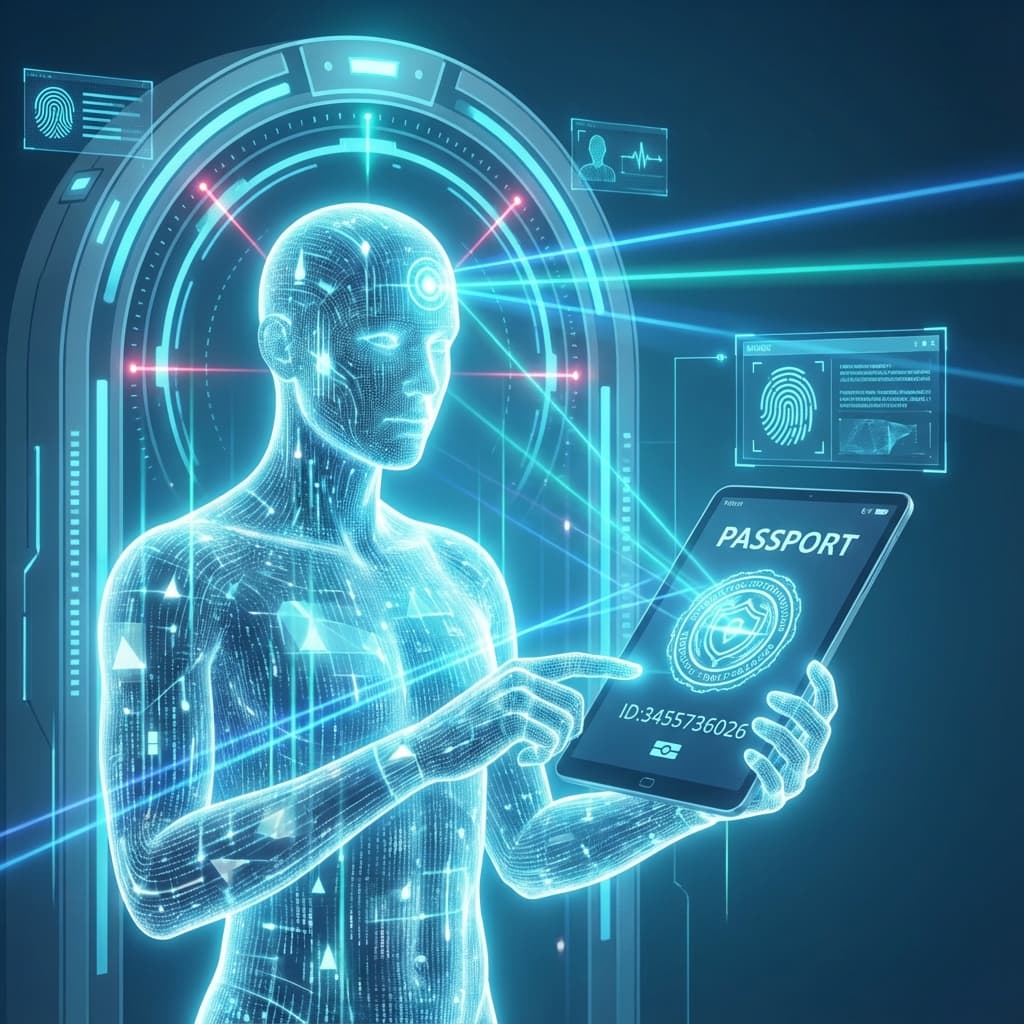
Solving the 'who did this?' problem in multi-agent systems. Learn how to implement Agent Identity (CIMD) and OAuth scopes specifically designed for AI agents.

Managing the chaos of unversioned prompts, 'zombie agents,' and hidden tool calls. Learn how to implement Agent Lifecycle Management (ALM) to prevent the technical debt of the future.

Who watches the watchers? A technical guide to governing autonomous agents, implementing human-in-the-loop controls, and auditing agent decisions.