Install Claude Code Plugins and Use Superpowers for Disciplined Development
Understand Claude Code plugin anatomy, marketplace security, installation, conflicts, and the Superpowers planning, TDD, debugging, and review workflow.
Install Claude Code Plugins and Use Superpowers for Disciplined Development
Quick answer
A plugin packages Claude Code capabilities such as skills, agents, hooks, MCP servers, settings, or language tooling into a versioned unit. Inspect the source and permissions before installation. Superpowers is a popular engineering-methodology plugin that emphasizes brainstorming, planning, test-driven development, systematic debugging, and review.
Anthropic distinguishes project-local .claude/ configuration from distributable plugins in the plugin authoring guide.
Install from a marketplace
The current Superpowers project documents installation from Anthropic's official marketplace:
/plugin install superpowers@claude-plugins-official
Or add its upstream marketplace, then install:
/plugin marketplace add obra/superpowers-marketplace
/plugin install superpowers@superpowers-marketplace
Review the repository, plugin manifest, hooks, scripts, bundled MCP servers, and update policy first. A popular plugin can still conflict with your repository rules or threat model.
Use Superpowers as a methodology
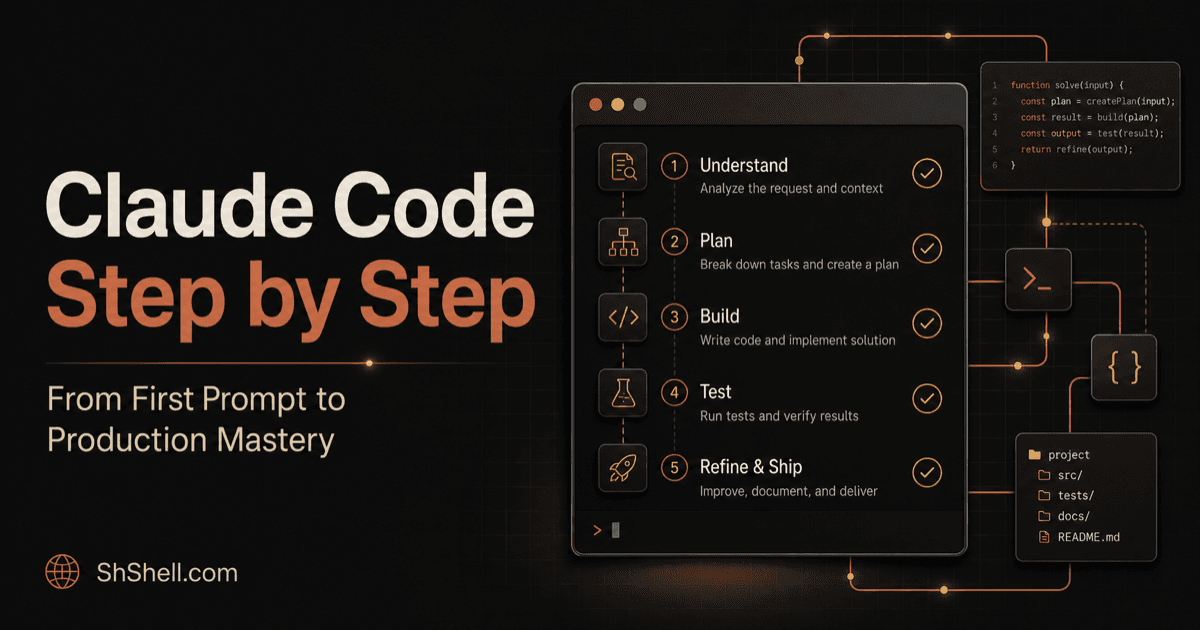
The Superpowers project provides composable workflows. A mature feature cycle looks like:
- Brainstorm: clarify the problem and rejected alternatives.
- Plan: break the accepted design into verifiable steps.
- Implement with TDD: create a failing test, make it pass, refactor safely.
- Debug systematically: reproduce and find root cause before patching.
- Review: check specification compliance and code quality.
- Finish: run evidence-based verification and prepare integration.
Use the workflow when risk or complexity justifies it. For a spelling correction, mandatory ceremony is waste.
Example: disciplined feature prompt
Use the Superpowers brainstorming workflow for adding saved searches. Clarify
behavior, storage, privacy, migration, and accessibility. Present alternatives
and tradeoffs. Do not implement until the design is accepted.
After design:
Create an implementation plan with vertical slices. Each slice must end in a
runnable test or user-visible proof. Preserve the accepted constraints.
Detect plugin conflicts
Symptoms include duplicate planning, contradictory test rules, unexpected hooks, namespace collisions, or excessive context. Diagnose by listing active plugins, reviewing loaded skills/hooks, disabling one plugin at a time, and reproducing in a fresh session.
Do not combine workflow plugins merely because each is popular. Assign clear responsibilities: one planning methodology, one documentation tool, one output-style modifier.
Audit the full capability surface
Before approving a plugin, inventory more than its visible commands. Inspect skill trigger descriptions, subagent tool lists, hook events and shell commands, MCP endpoints, environment variables, LSP processes, dependency installation, persistent storage, telemetry, and update behavior. Test in a disposable repository with no production credentials. The plugin should have a documented disable and removal path.
After installation, compare /context, /permissions, and /mcp before and after. Exercise one intended workflow and one forbidden action. Confirm namespaced components resolve correctly and that disabling the plugin removes its runtime capabilities after the documented reload or restart. Pin reviewed versions for controlled environments and treat updates as new executable code.
Decide whether process pays for itself
Measure a representative feature with and without Superpowers: time to accepted design, tests written before code, corrections, context use, defects found in review, and final maintainability. Its structured process is valuable when ambiguity and defect cost are high. For mechanical edits, the coordination overhead may exceed the benefit. Install based on workload evidence, not popularity.
FAQ
Is Superpowers made by Anthropic?
No. It is a community project by Jesse Vincent/obra, though it is available through the official Claude plugin marketplace.
Does Superpowers guarantee correct code?
No. It encourages better process. Correctness still depends on requirements, repository context, tests, review, and runtime evidence.
Should I install plugins globally or per project?
Use the narrowest practical scope. Team-critical workflows should be reviewed, documented, and reproducible rather than depending on one developer's private setup.